
A rock bolt is a critical support component used in mining, tunneling, and construction projects to stabilize rock formations. It’s installed in rock masses to prevent collapses and ensure the safety of workers and structures. Rock bolts are typically made of steel and are designed to provide anchorage by holding loose rock in place.
In this guide, we’ll dive into the different types of rock bolts, how they work, and why they are essential in underground and above-ground construction projects. Whether you’re a professional in the industry or simply curious, understanding rock bolts is key to recognizing their importance in ground stabilization and safety.
What is a Rock Bolt?
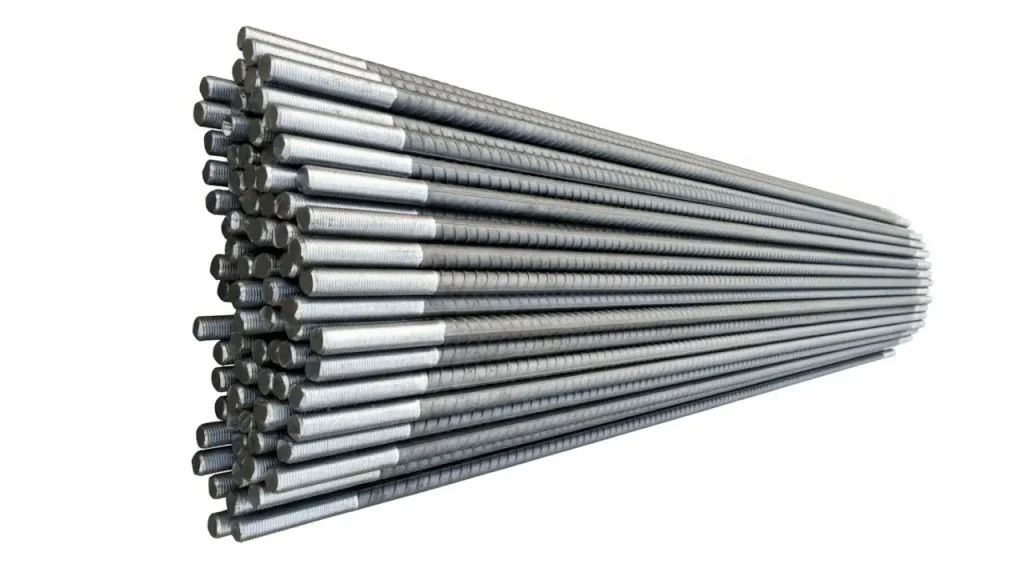
A rock bolt is a structural element used to stabilize rock, soil, or underground formations. Installed in tunnels, slopes, or mines, it anchors loose material to prevent collapse and maintain structural integrity.
Rock bolts come in various types, including mechanical, resin-grouted, and fully grouted, each designed to meet specific load, environmental, and safety requirements.
Types of Rock Bolts
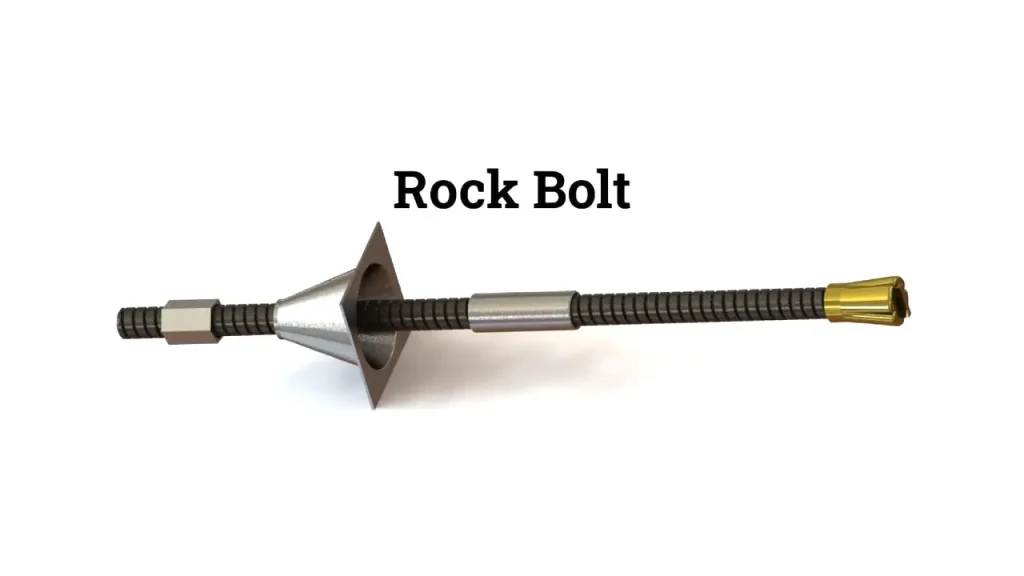
Rock bolts come in several varieties to suit different ground conditions, load demands, and installation methods. Each type has a unique method of anchorage and advantage, allowing engineers to choose the best solution for tunnels, mines, slopes, and underground structures.
Mechanical / Mechanically Anchored Rock Bolts
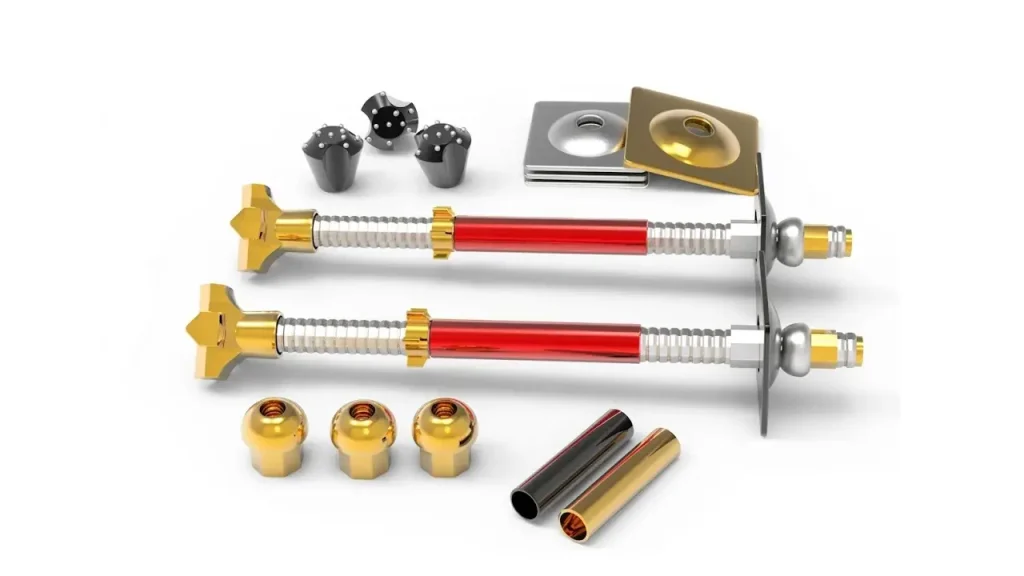
This type uses expansion shells or wedges that mechanically lock the bolt against the rock when installed. Upon inserting the bolt into a drilled hole, the expansion mechanism is activated (often by torque), creating an immediate secure hold — ideal for hard, competent rock where instant support is needed.
Because there is no need for grout or resin, mechanical bolts enable quick installation, making them suitable for temporary support or projects where speed matters. However, their long-term performance depends on the stability and hardness of the surrounding rock.
Grouted (Fully Bonded) Rock Bolts
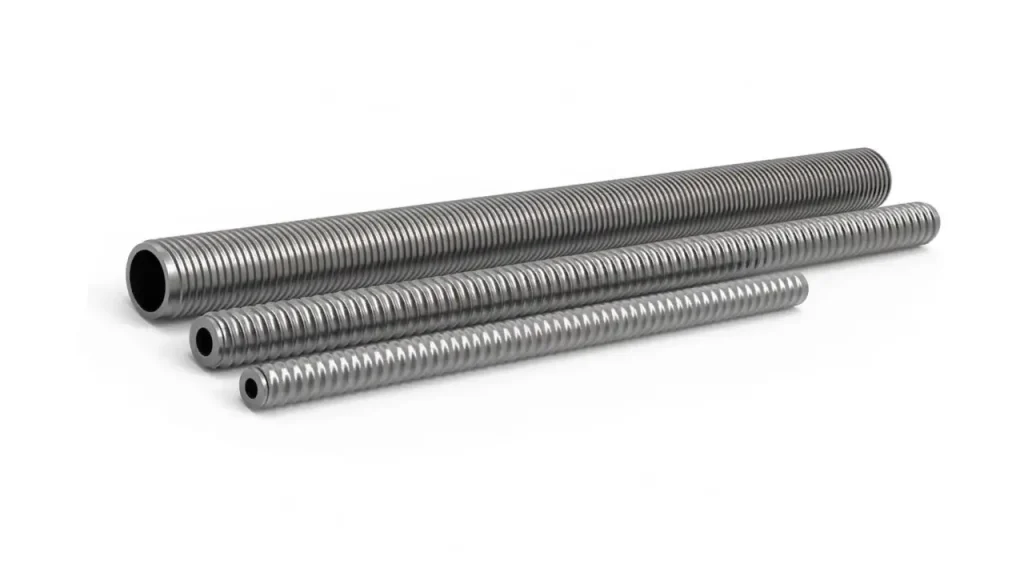
Grouted bolts — using cement grout or resin — bond the bolt along its entire length to the surrounding rock mass. This “fully bonded” anchorage distributes load evenly and provides stable, long-term support, especially in fractured, weak, or weathered rock conditions.
Installation involves placing the bolt in a drilled hole, injecting the grout or resin, and waiting for it to cure. Although the process takes longer and requires more precision than mechanical anchoring, the resulting bond offers superior load-bearing capacity, stability, and resistance to rock movement or stress over time.
Friction‑Anchored (Friction / Split‑Set / Swellex) Rock Bolts
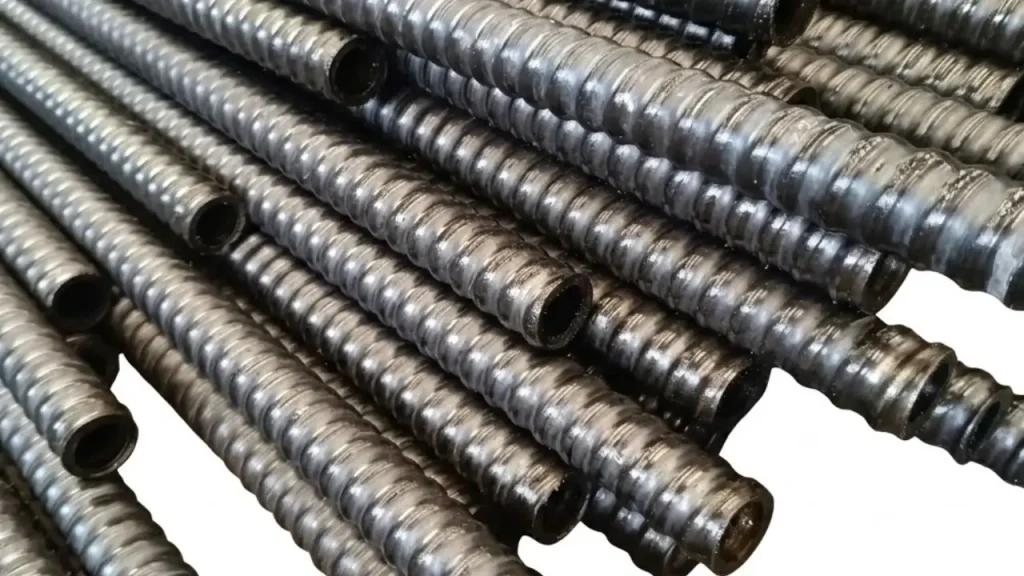
Friction‑anchored bolts — such as split‑set or hydraulically expanding designs (e.g. Swellex) — rely on radial pressure or friction between the bolt and the borehole wall to hold them in place. This makes them effective where the rock is weak or the ground may shift, since they adapt to irregular borehole surfaces.
These bolts can be installed quickly and provide immediate support without grout or resin, which is especially useful in mining or tunneling, where speed and adaptability matter. Their passive support mechanism works well under dynamic conditions, though their load capacity may be lower than grouted or mechanical bolts.
Self‑Drilling Anchor (Hollow / Hollow‑Core) Rock Bolts
Recommended Self Drilling Anchor Systems
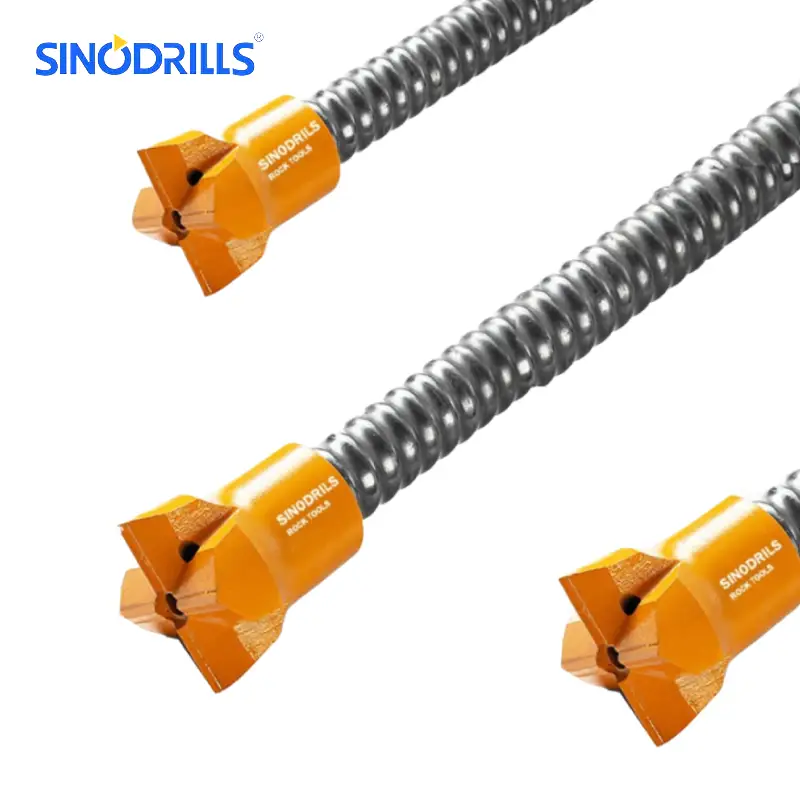
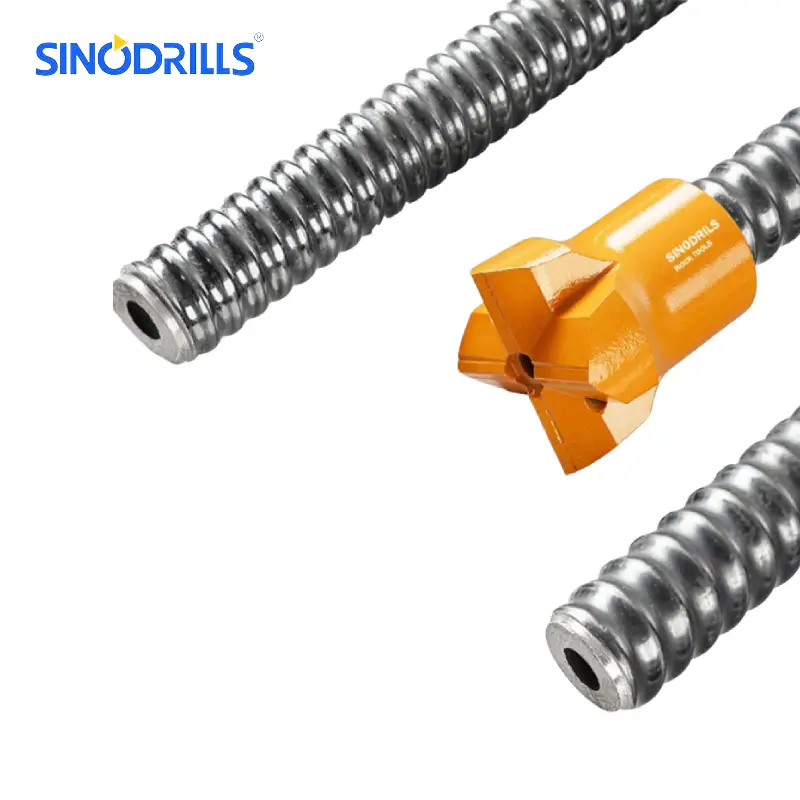
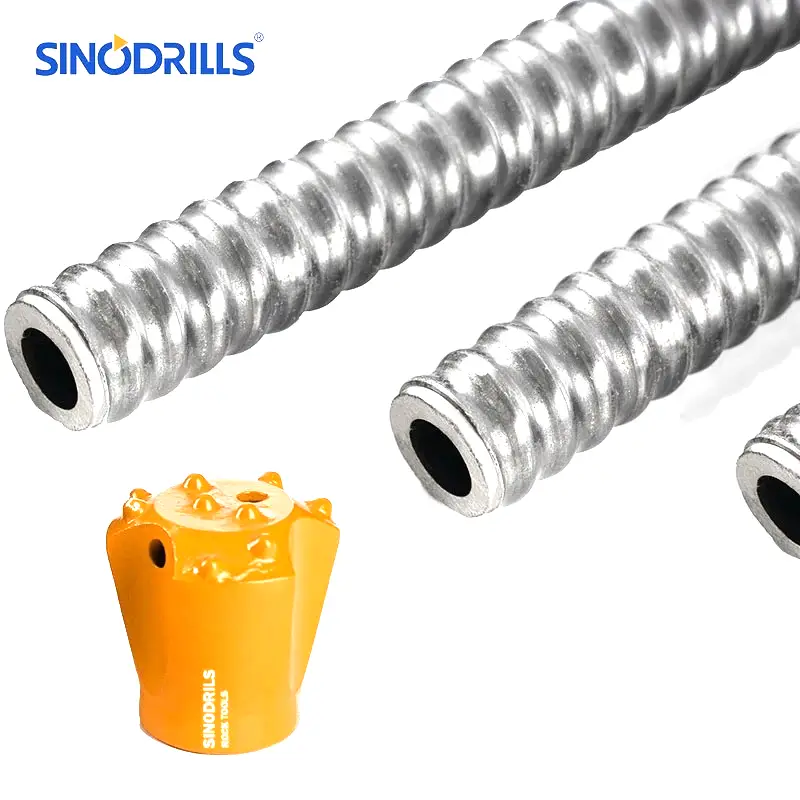

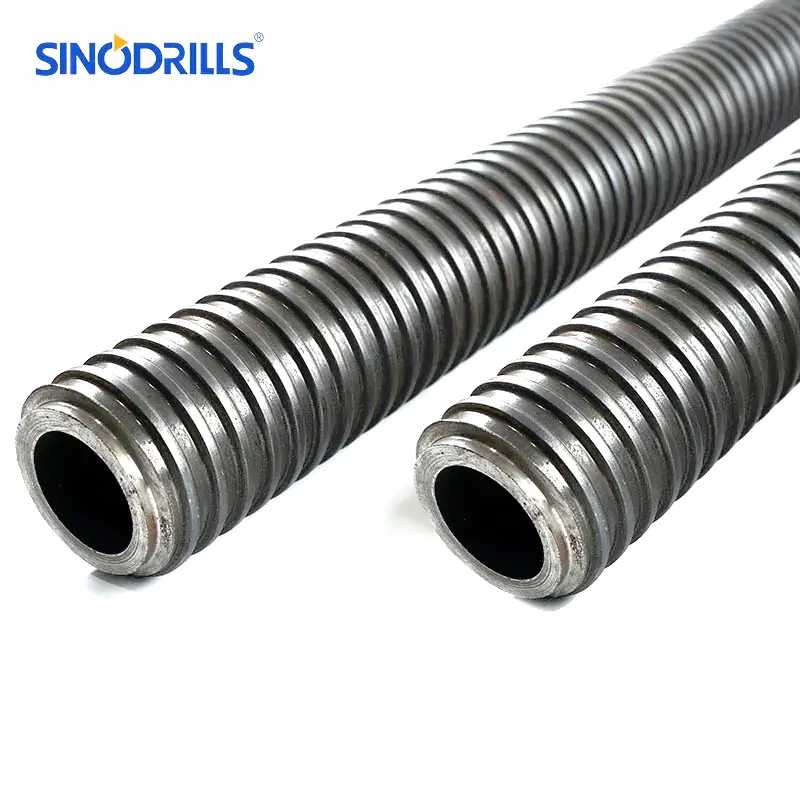
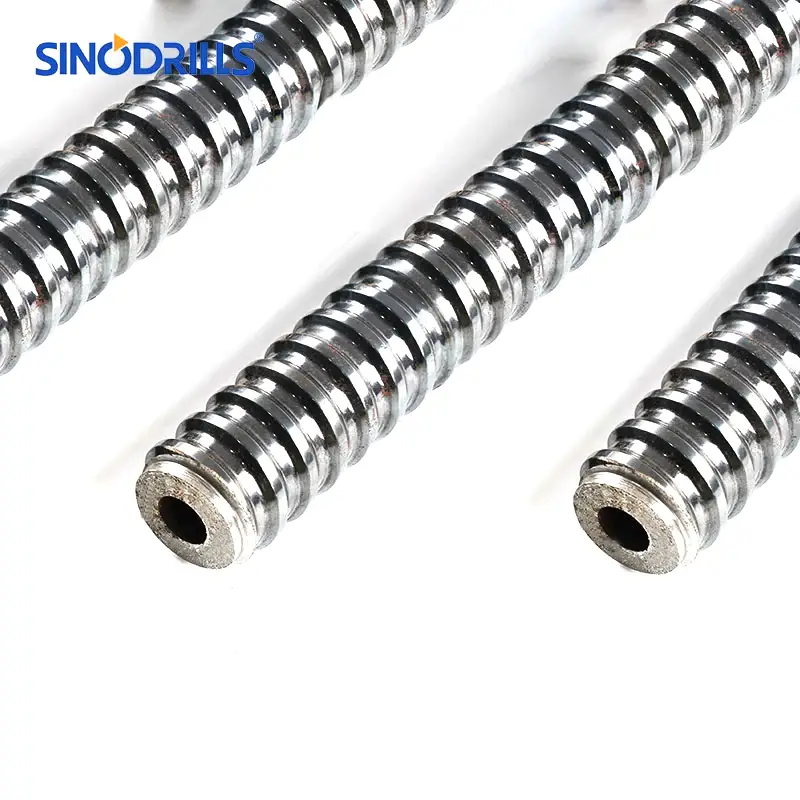
Self‑drilling bolts combine drilling, anchoring, and grouting into a single integrated operation. A hollow threaded steel bar (with a sacrificial drill bit on the front) drills into the rock and simultaneously allows grout injection — eliminating the need for a separate borehole and speeding up installation.
This type is especially beneficial in unstable, collapsing, or water‑bearing ground, where conventional bolt installation might be difficult or unsafe. The combined method ensures full-length anchorage, strong bond with surrounding rock, and efficient, fast installation — ideal for tunneling, slope stabilization, and mining work under challenging conditions.
| Rock Bolt Type | Support Mechanism / Anchorage Method | Best for Rock Condition | Key Features / Typical Applications |
|---|---|---|---|
| Mechanical / Mechanically Anchored | Expansion shells or wedges create mechanical lock | Hard, competent rock | Immediate support; quick installation; suitable for temporary or fast‑track works |
| Grouted (Fully Bonded) | Cement or resin grout bonds bolt along entire length | Fractured, weak, weathered rock | Long-term stability; high load capacity; ideal for permanent reinforcement |
| Friction‑Anchored / Split‑Set / Swellex | Radial pressure / friction against borehole wall | Weak to medium rock, shifting ground | Easy, quick installation; immediate ground support; useful in mining/tunneling |
| Self‑Drilling (Hollow‑Core) | Hollow bar drills and injects grout simultaneously | Unstable, collapsing, water‑bearing or fractured rock | Fast, integrated drilling + grouting; full-length anchorage; great for challenging ground. |
Common Rock Bolt Installation Methods
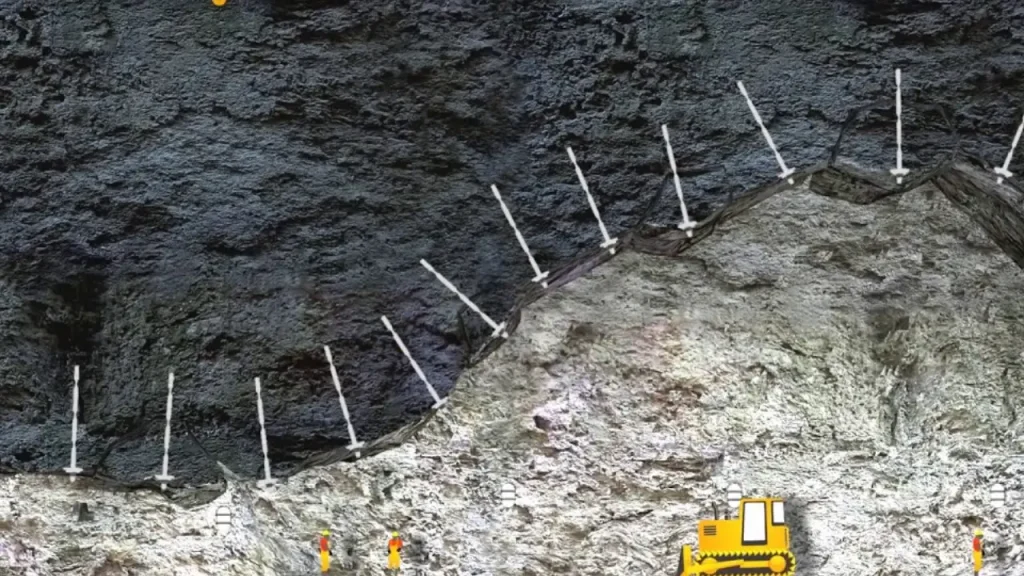
Installing rock bolts correctly is crucial for ensuring stability, safety, and long-term performance in tunnels, slopes, and underground structures. Various installation methods exist depending on rock type, bolt design, and project requirements.
Choosing the right method ensures maximum load distribution, proper anchorage, and durability under challenging conditions.
- Drilled and Grouted Installation: This method involves drilling a hole, inserting the bolt, and filling it with cement or resin grout. The grout bonds the bolt to the surrounding rock, creating full-length anchorage. It is ideal for weak, fractured, or water-bearing rock where long-term stability is required.
- Mechanical or Expansion Bolt Installation: Mechanical bolts use expansion shells or wedges that lock the bolt against the rock once inserted. This method provides immediate support and is suitable for competent, stable rock where rapid installation is necessary. It is often used for temporary or quick-support applications.
- Friction / Split-Set Installation: Friction-anchored bolts rely on radial pressure against the borehole wall to stay in place. This technique is fast and effective in medium-strength rock or ground prone to small movements. It requires no grout, making it ideal for mining and tunneling projects.
- Self-Drilling Anchor Installation: Self-drilling bolts combine drilling, grouting, and anchoring in a single operation. The hollow bolt drills into the rock while injecting grout, ensuring full-length support. This method is highly efficient, suitable for unstable, collapsing, or water-bearing ground, and reduces installation time while maintaining strength.
How to Install Rock Bolts?
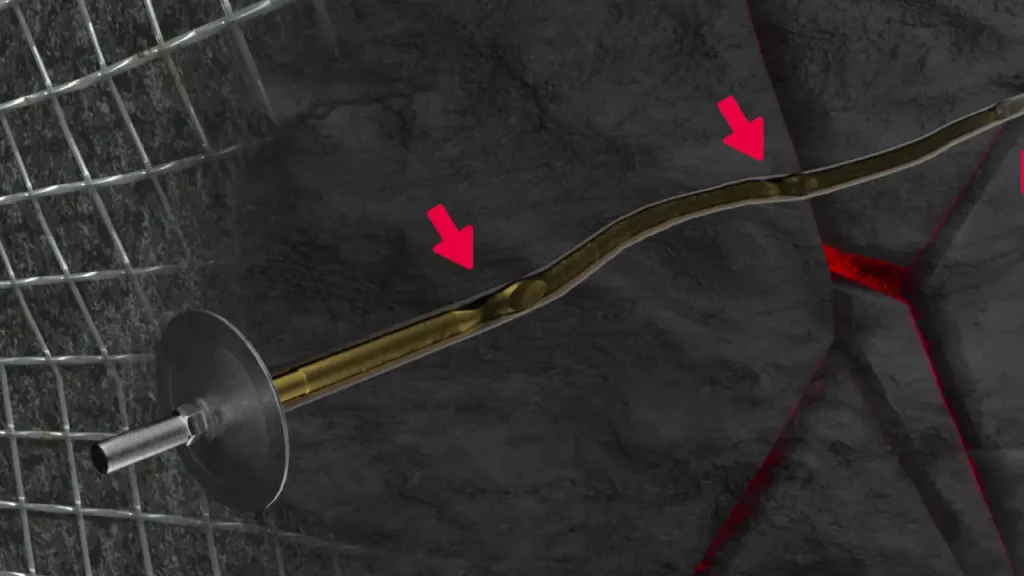
Rock bolt installation is a critical process in mining, tunneling, slope stabilization, and underground construction. Proper installation ensures ground support, improves safety, and enhances structural stability. Below is a clear step-by-step guide explaining how to install rock bolts correctly and efficiently in various ground conditions.
Tools Needed
- Rock drill machine
- Drill bits (matched to bolt diameter)
- Air compressor
- Rock bolts
- Resin cartridges or cement grout
- Bolt insertion tool
- Torque wrench
- Face plate and nut
- Hole cleaning brush or air blower
Step 1: Drill the Hole
Drill a hole into the rock mass according to the specified bolt diameter and design depth. Ensure the hole is straight and aligned with engineering drawings. The depth should slightly exceed bolt length to allow proper anchoring. Maintain consistent drilling pressure to avoid deviation or wall collapse during operation.
Step 2: Clean the Hole
After drilling, remove dust, debris, and loose particles from the hole using compressed air or a cleaning brush. Proper cleaning ensures strong bonding between the bolt and grout or resin. Any remaining debris can reduce anchorage strength and compromise long-term stability under heavy loads.
Step 3: Insert Grout or Resin
Place resin cartridges or inject cement grout into the drilled hole before inserting the bolt. The bonding material secures the bolt within the rock formation. Ensure the correct quantity is used based on hole depth. Timely insertion is important when using fast-setting resin materials.
Step 4: Insert and Spin the Rock Bolt
Insert the rock bolt into the prepared hole and rotate it to mix resin evenly or distribute grout along the anchor zone. Spinning ensures complete bonding between the bolt and surrounding material. Continue rotation for the recommended time to achieve proper resin mixing and activation.
Step 5: Install Plate and Tighten Nut
Once the resin or grout has set adequately, position the bearing plate against the rock surface and thread the nut onto the bolt. Tighten using a torque wrench to the specified torque value. Proper tensioning provides immediate surface support and enhances load distribution effectiveness.
Applications of Rock Bolt
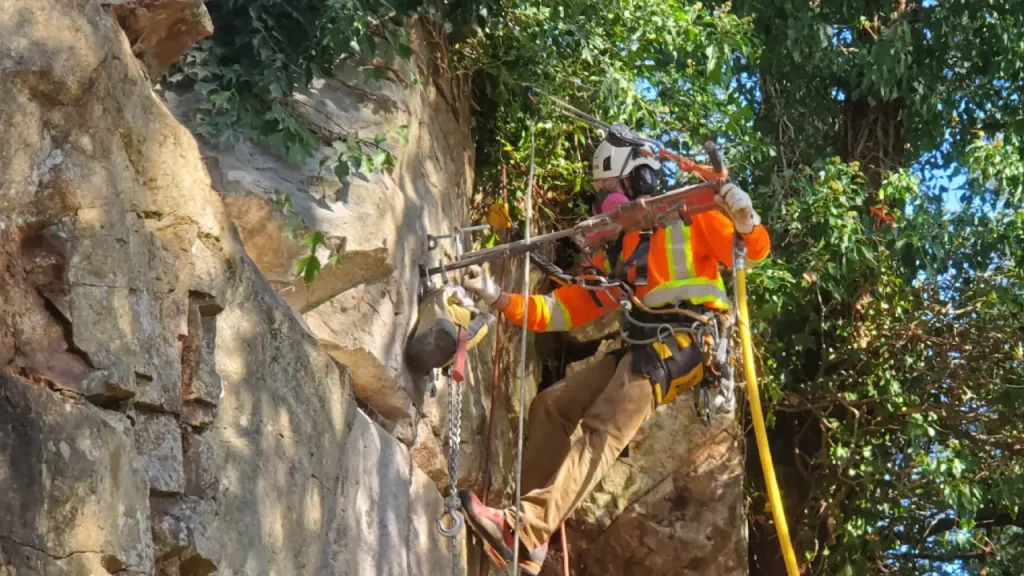
Rock bolts are widely used in construction, mining, and civil engineering projects to ensure stability, safety, and structural integrity. They prevent rock or soil collapse, support excavations, and enhance load-bearing capacity in underground and surface structures. Choosing the right bolt type and installation method is critical for optimal performance.
- Tunnel and Underground Excavations: Rock bolts stabilize tunnel walls and ceilings, preventing collapses during and after excavation. They distribute loads evenly across weak rock zones, ensuring worker safety and structural integrity. Properly installed bolts reduce the risk of deformation or failure in long-term underground projects.
- Slope and Rock Face Stabilization: Bolts secure unstable slopes, cliffs, and rock faces, minimizing landslides and rockfalls. They anchor loose material to more stable strata, providing reinforcement in high-risk areas. This application is essential for highways, dams, and open-pit mining operations.
- Mining and Quarrying Operations: In mining, rock bolts maintain the stability of shafts, drifts, and stopes. They prevent roof collapses and ensure safe working conditions, particularly in deep or fractured rock. Efficient bolt placement reduces downtime and enhances operational productivity.
- Civil and Infrastructure Projects: Rock bolts reinforce foundations, retaining walls, and underground facilities. They provide additional support for bridges, tunnels, and large-scale construction projects, ensuring long-term durability and safety under dynamic loads and environmental pressures.
How to Choose Suitable Rock Bolts?
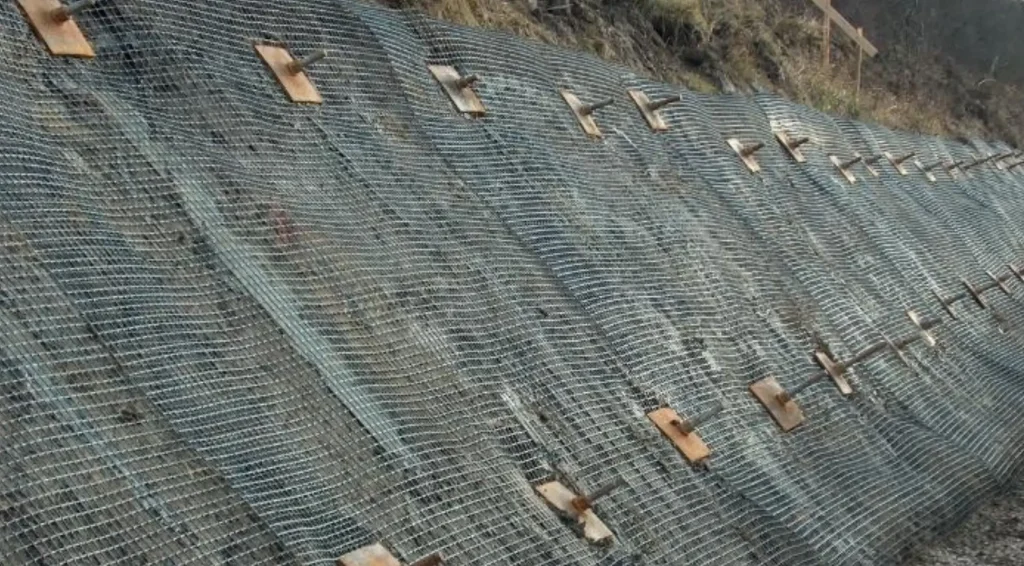
Choosing suitable rock bolts is essential for ensuring structural stability and long-term safety in mining, tunneling, slope stabilization, and foundation projects. We carefully evaluate geological conditions, load demands, environmental exposure, and project duration before selecting the most appropriate system.
A proper choice improves safety, enhances efficiency, and reduces maintenance risks over time.
- Rock Mass Conditions – We assess rock strength, joint spacing, weathering level, and fracture patterns before deciding on bolt type. Massive, competent rock may suit fully grouted rebar bolts, while highly fractured or weak formations often require friction bolts or self-drilling anchors to ensure effective load transfer and reinforcement performance.
- Load-Bearing Requirements – We calculate static and dynamic loads, including ground pressure, vibration, and potential seismic forces. High-tensile bolts are selected for heavy structural demands, while lighter support systems may be sufficient for temporary excavation. Proper load analysis prevents underdesign or unnecessary overspecification in projects.
- Bolt Type and Installation Method – We choose mechanical, resin, friction, or self-drilling bolts based on site accessibility and drilling conditions. In unstable or collapsing ground, self-drilling systems allow simultaneous drilling and grouting, improving safety, speeding installation, and minimizing risks associated with open boreholes.
- Corrosion Protection – We evaluate environmental factors such as groundwater, humidity, and chemical exposure. Galvanized, epoxy-coated, or stainless steel bolts are recommended in aggressive conditions to extend service life. Effective corrosion protection reduces maintenance costs and maintains structural integrity for long-term applications.
- Project Lifespan and Budget – We determine whether support is temporary or permanent before finalizing specifications. Long-term infrastructure requires durable, corrosion-resistant solutions, while short-term projects may prioritize cost efficiency. Balancing performance and budget ensures safe reinforcement without unnecessary expenditure.
Conclusion
Rock bolts play a vital role in maintaining the stability and safety of underground and structural projects. By selecting the appropriate type and installation method, engineers can prevent accidents and enhance the durability of their work. Sinodrills offers reliable wholesale rock bolt systems to meet diverse project demands.
Our rock bolt solutions combine strength, corrosion resistance, and easy installation, making them ideal for long-term use in construction and mining environments. With Sinodrills, you can access high-quality wholesale rock bolt systems tailored to your project requirements, ensuring efficiency, safety, and cost-effectiveness.
Choosing Sinodrills for your rock bolt needs guarantees expert support, customizable solutions, and products engineered for durability. Partnering with us ensures your projects benefit from reliable anchoring systems, reducing maintenance costs and enhancing safety across every application. Explore our wholesale rock bolt systems today.