
Drill bits may look simple, but the materials behind them play a major role in performance, durability, and cost. From general industrial use to heavy rock drilling, different materials are selected to handle impact, wear, and heat. Understanding what drill bits are made of helps users choose the right solution for specific drilling conditions.
In this blog, we break down the most common drill bit materials, explain their core characteristics, and show how material choice affects strength, wear resistance, and drilling efficiency. Whether you work in construction, mining, or engineering, this guide offers clear and practical insights.
What are Rock Drill Bits?
Recommended Drill Bits
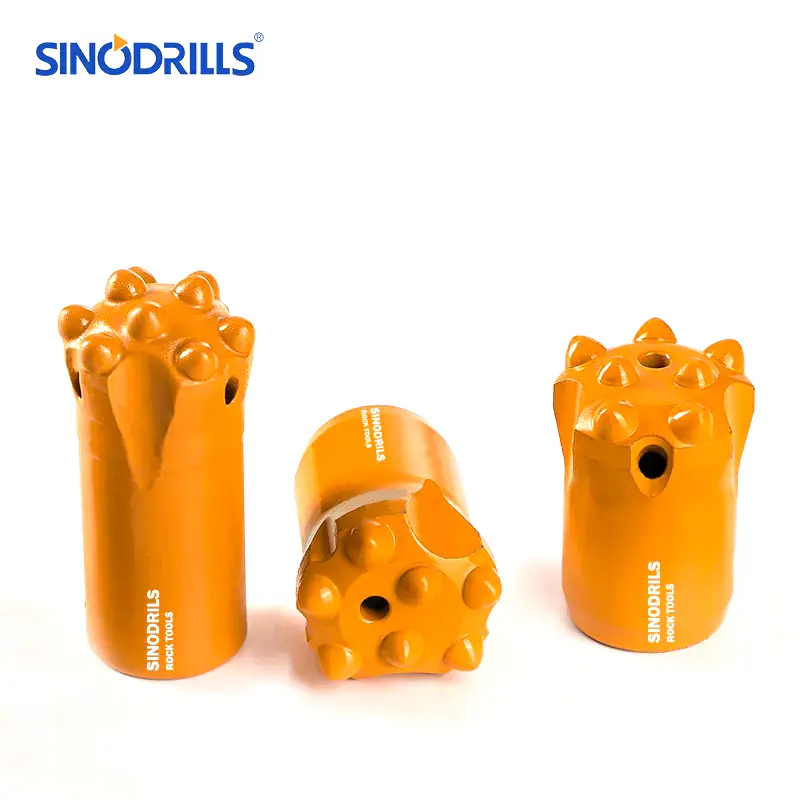
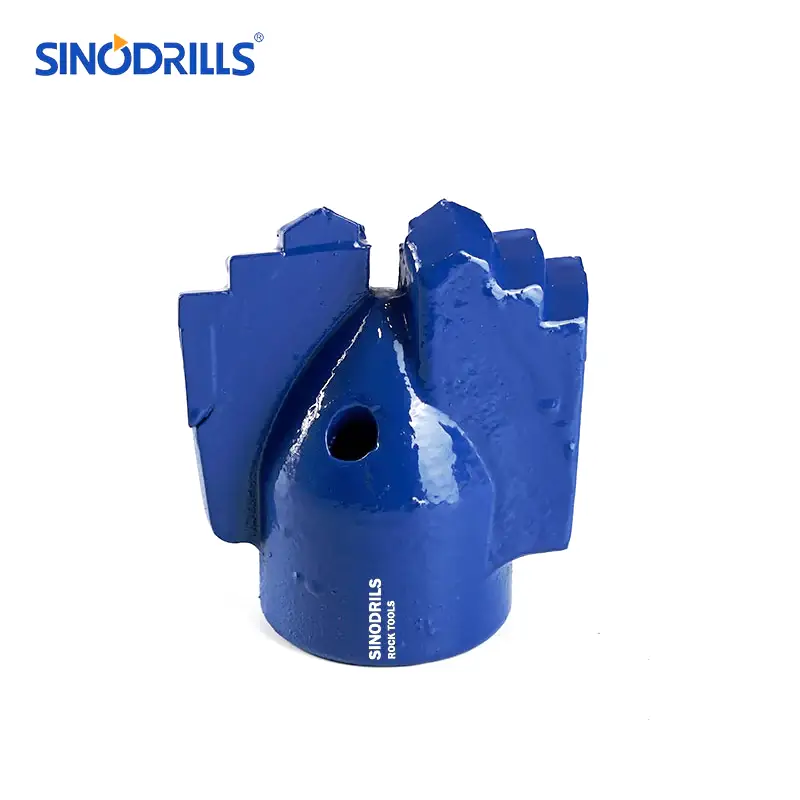
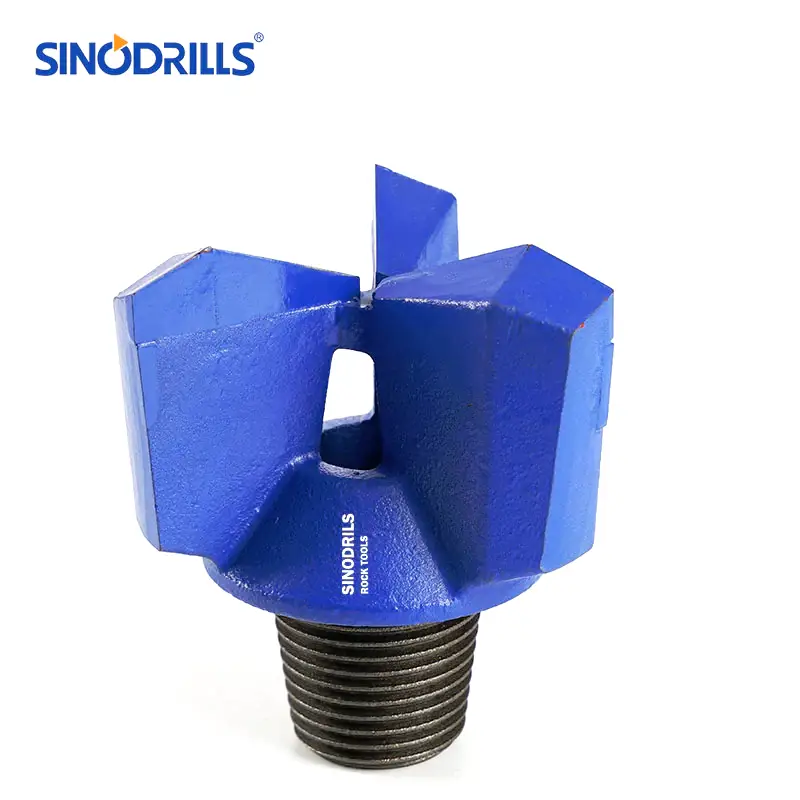
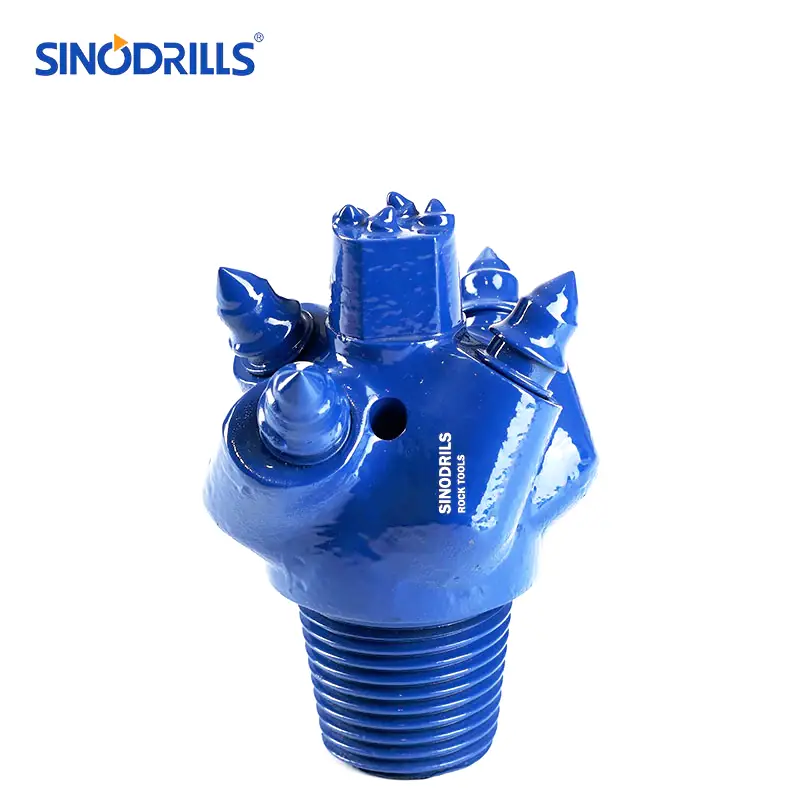
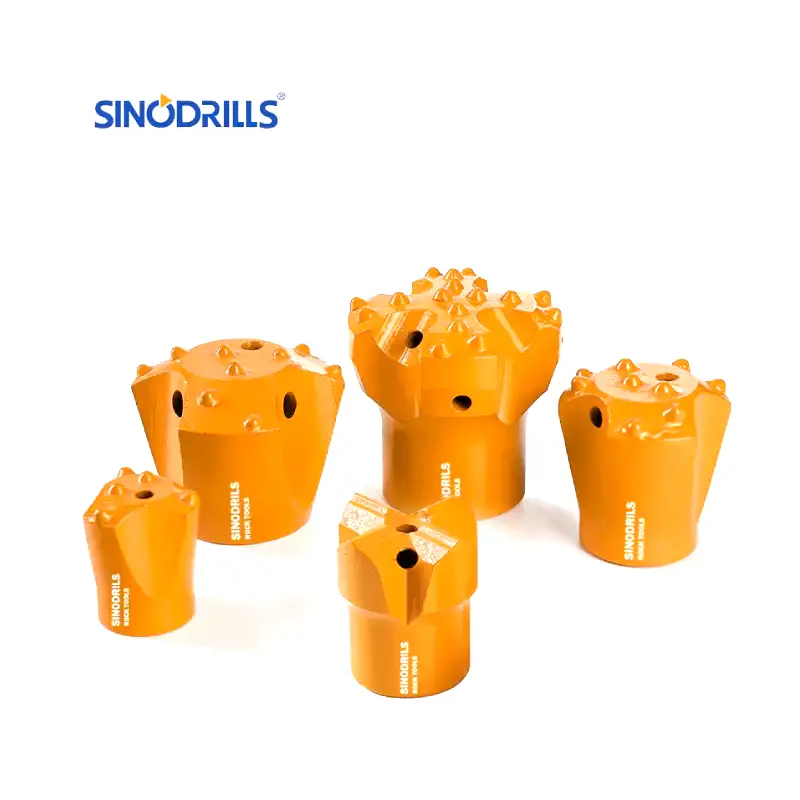
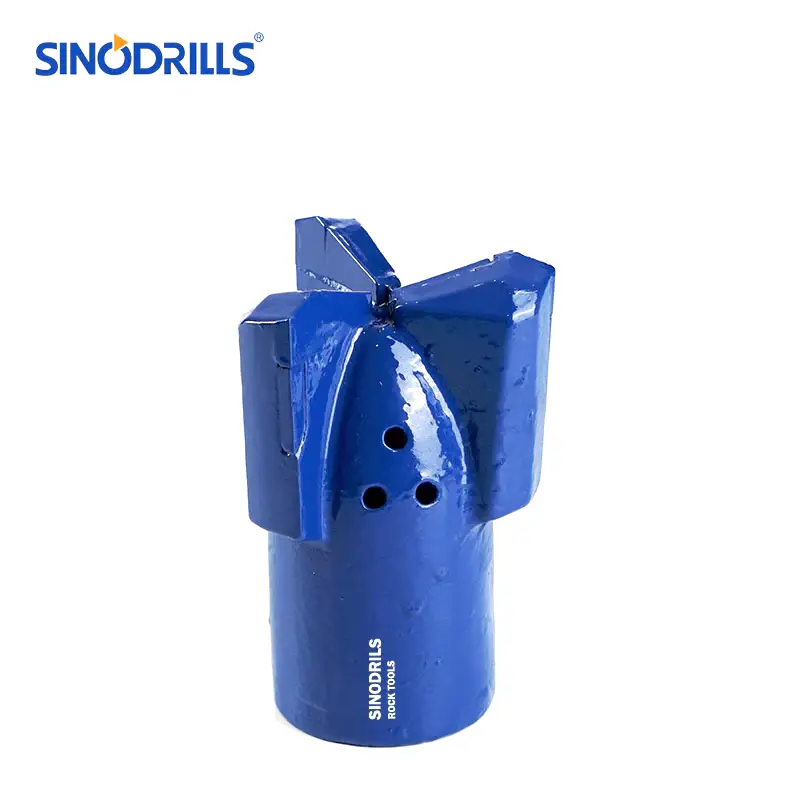
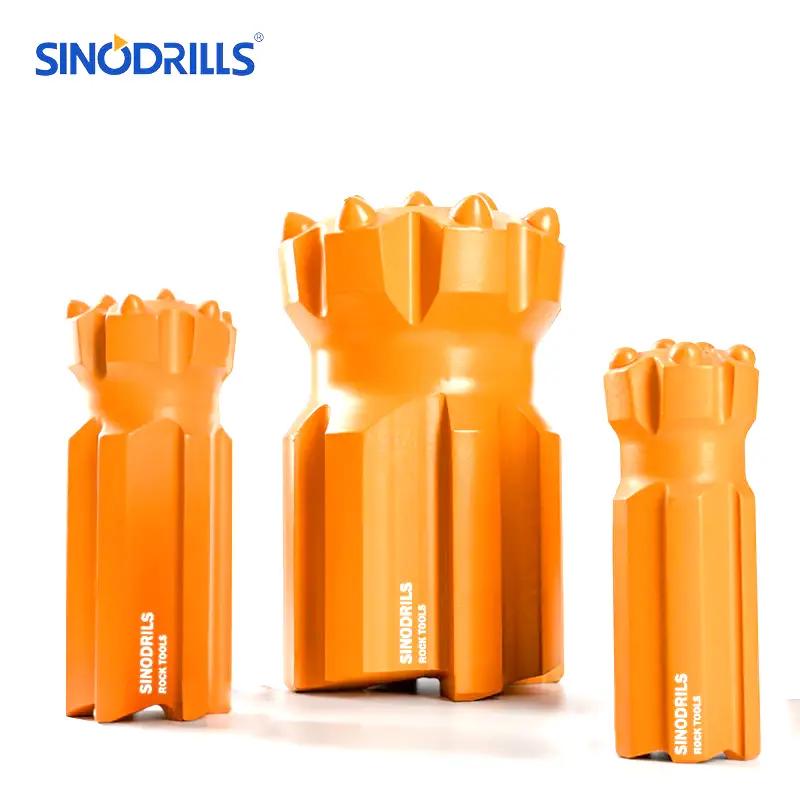
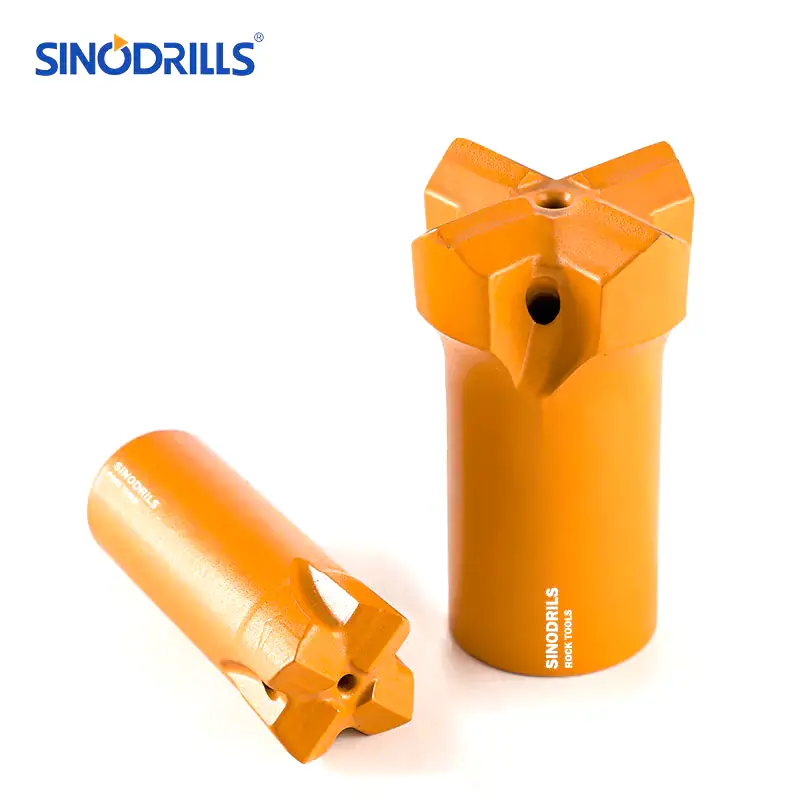
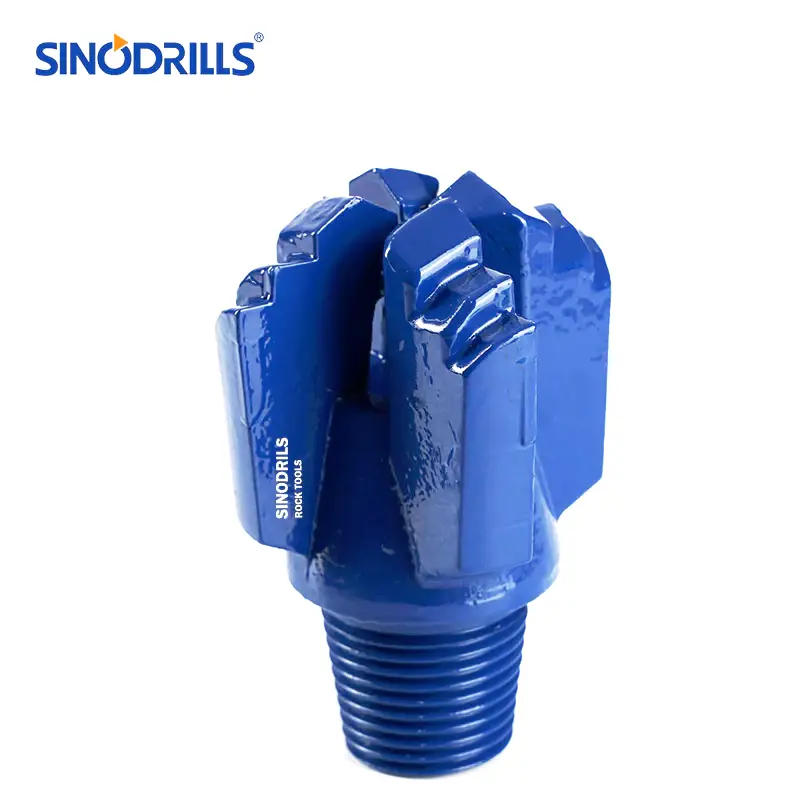
Drill bits are cutting tools used for drilling holes in materials such as metal, wood, concrete, and rock. They work by rotating and applying pressure to remove material and create precise holes. Different drill bits are designed for specific applications, materials, and drilling conditions, ensuring efficiency, accuracy, and tool durability.
Drill Bit Materials
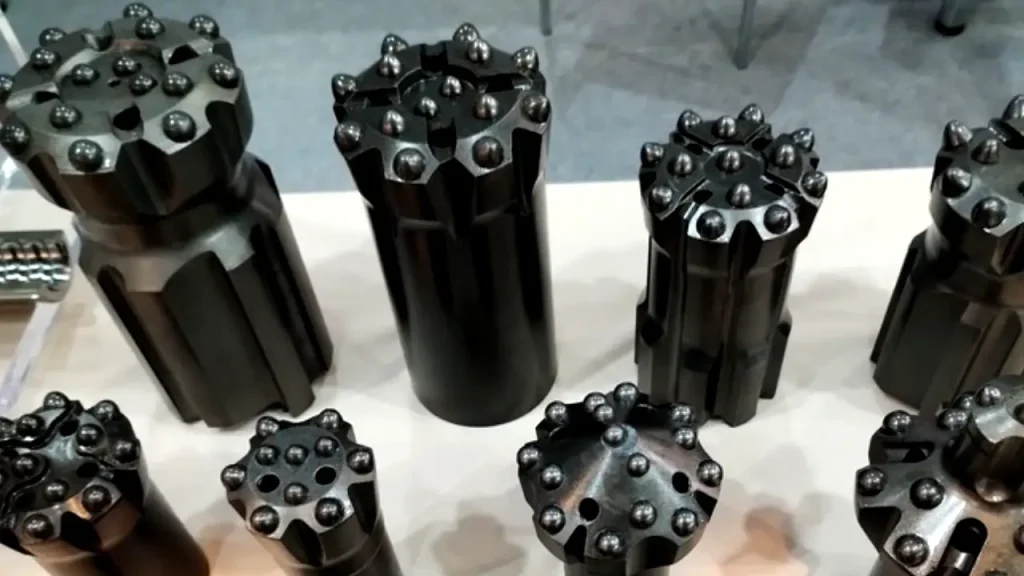
Drill bits are crafted from materials designed to cut through a variety of surfaces efficiently. Commonly, they are made from high-speed steel for general use, tungsten carbide for extreme hardness, or cobalt alloys for durability under heat.
Some feature coatings like titanium or black oxide to reduce friction and extend life, ensuring precision and long-term performance across applications.
Carbon Steel Drill Bits
Carbon steel drill bits are made from basic steel with a higher carbon content. They are easy to manufacture and suitable for low-intensity drilling tasks where heat and wear are limited. Their structure allows simple sharpening and low production cost.
However, carbon steel has poor heat resistance and wears quickly under heavy loads. When used in harder materials or continuous drilling, these bits lose hardness fast, leading to reduced accuracy and shorter service life.
High-Speed Steel (HSS) Drill Bits
High-speed steel drill bits are designed to withstand higher temperatures during drilling. Alloying elements improve hardness and toughness, allowing these bits to maintain cutting ability at elevated speeds. They are widely used in industrial drilling applications.
HSS drill bits offer a good balance between cost and performance. While they are more durable than carbon steel, they still have limitations in extremely hard or abrasive materials, where advanced materials are required for longer lifespan.
Here’s a clear comparison table you can add under the materials for making drill bits section to make it easier to scan and understand:
| Drill Bit Material | Main Characteristics | Heat Resistance | Wear Resistance | Typical Applications |
|---|---|---|---|---|
| Carbon Steel | Simple structure, easy to sharpen, low cost | Low | Low | Light-duty drilling, soft materials |
| High-Speed Steel (HSS) | Good hardness and toughness, stable at higher speeds | Medium | Medium | General industrial drilling |
| Alloy Steel | Enhanced with alloy elements for strength and impact resistance | Medium–High | Medium–High | Construction and rock drilling |
| Carbide | Extremely hard, excellent abrasion resistance | Very High | Very High | Hard rock and abrasive formations |
Alloy Steel Drill Bits
Alloy steel drill bits are enhanced with elements such as chromium, molybdenum, or nickel. These additions improve strength, impact resistance, and wear performance, making them suitable for tougher drilling environments and repeated use.
Compared with standard steel, alloy steel drill bits deliver more stable performance under stress. They are commonly used in construction and rock drilling where durability and resistance to deformation are critical factors.
Carbide Drill Bits
Carbide drill bits are made using tungsten carbide, known for exceptional hardness and wear resistance. They perform well in high-speed and high-pressure drilling, especially in hard or abrasive materials where steel bits fail quickly.
Despite their strength, carbide drill bits are more brittle and require proper handling. When used correctly, they provide outstanding penetration efficiency and significantly longer service life compared to steel-based alternatives.
How to Choose Suitable Drill Bit Materials?
Choosing the right drill bit material is essential for drilling efficiency, tool life, and overall cost control. Different working conditions place different demands on strength, heat resistance, and wear performance.
Understanding these factors helps you select drill bit materials that match your application and deliver consistent results.
- Material Being Drilled – The hardness and abrasiveness of the drilled material directly affect material choice. Softer materials need less wear resistance, while hard rock or concrete requires tougher materials to reduce wear, improve penetration speed, and prevent premature failure during continuous drilling.
- Drilling Speed and Heat Generation – Higher drilling speeds create more heat at the cutting edge. Heat-resistant materials such as HSS or carbide maintain hardness under high temperatures, helping avoid softening, edge deformation, and performance loss during extended drilling operations.
- Impact and Load Conditions – Drilling methods involving impact or heavy loads require strong toughness. Alloy steel materials absorb shock more effectively, resist cracking under repeated stress, and improve drilling stability while extending overall drill bit service life.
- Cost and Service Life Balance – Initial price should be considered together with lifespan and replacement frequency. Higher-grade materials may cost more upfront but often reduce long-term expenses by delivering longer service life and more stable drilling performance.
Conclusion
Selecting the right drill bit material is not just about cost, but about matching performance to real working conditions. Carbon steel, alloy steel, carbide, and other materials each serve different drilling needs. Knowing these differences helps reduce breakage, improve penetration rates, and extend tool life on demanding job sites.
For rock drilling applications, material quality becomes even more critical due to high impact forces and abrasive formations. Well-manufactured rock drill bits provide stable performance, consistent drilling results, and lower replacement frequency. This makes material selection a key factor in long-term operational efficiency.
If you are looking to source dependable tools, Sinodrills offers wholesale rock drill bits made from carefully selected materials for tough drilling environments. Our products focus on durability, consistency, and cost efficiency, helping your projects stay productive and competitive.