
Foundation bolts are essential fastening components used to securely anchor structures, machinery, and equipment to concrete foundations. They provide the stability and strength needed to withstand heavy loads, vibrations, and environmental forces. Understanding how foundation bolts work helps engineers, contractors, and project owners select the right solution for reliable construction.
This guide covers everything you need to know about foundation bolts, including their structure, types, materials, installation methods, applications, and selection tips. Whether you are working on industrial facilities, steel structures, bridges, or heavy machinery, this guide will help you make informed decisions for long-lasting and secure installations.
What is Foundation Bolt?
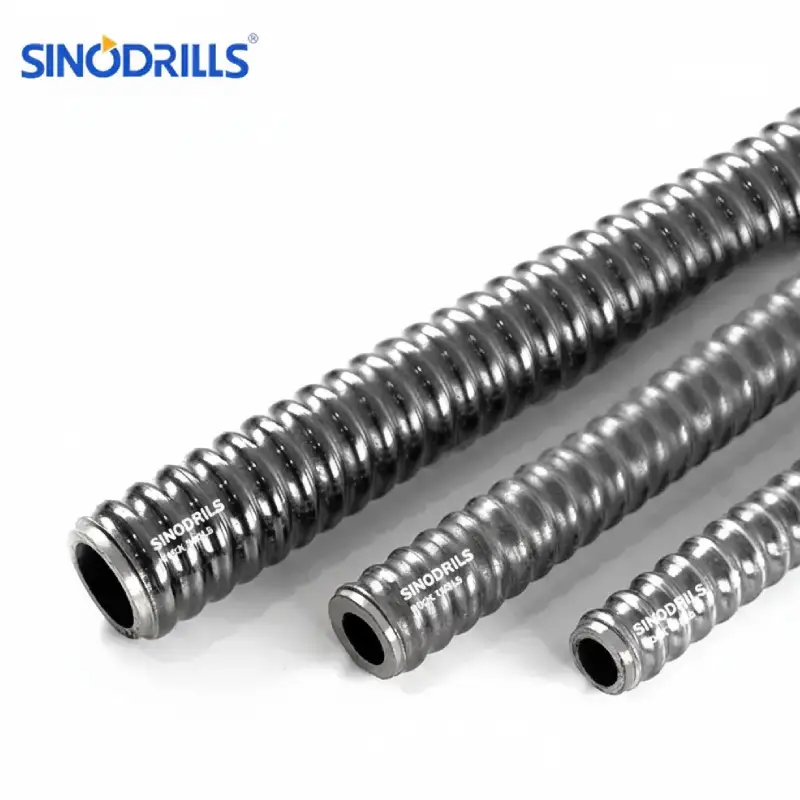
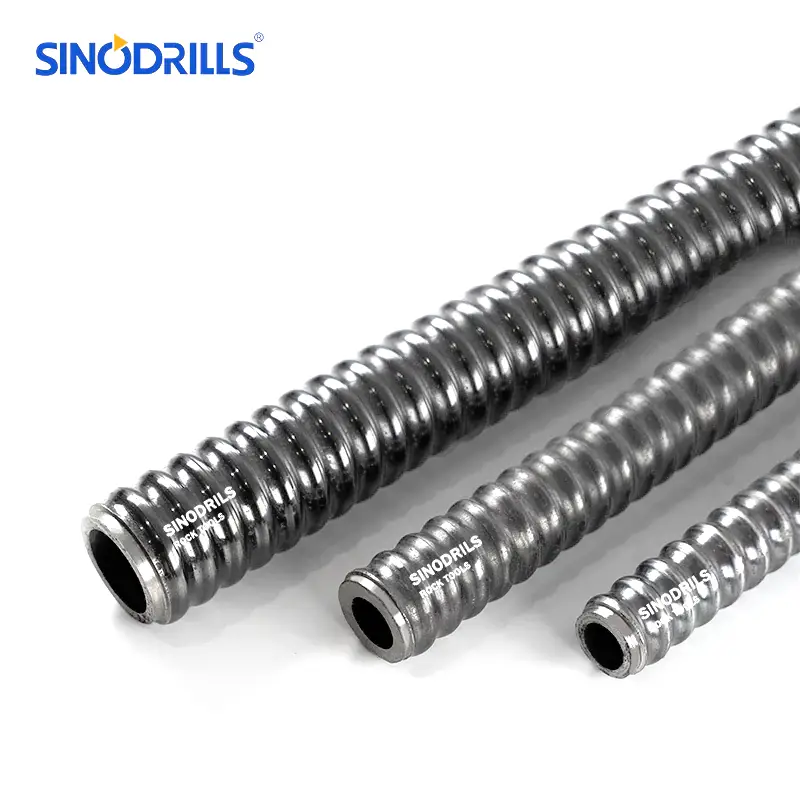
A foundation bolt is a type of anchor bolt embedded in concrete to secure structural elements such as steel columns, machinery, and support frames to a foundation. It creates a strong connection between the structure and the concrete base, helping transfer loads safely and prevent shifting, uplift, or vibration during service.
Foundation bolts are commonly made from carbon steel or alloy steel and are available in various shapes, including L-type, J-type, and straight anchor bolts with threads. They are widely used in construction, bridges, industrial plants, and equipment installations where stability, alignment, and long-term structural reliability are essential.
L-Type, J-Type Foundation Bolt
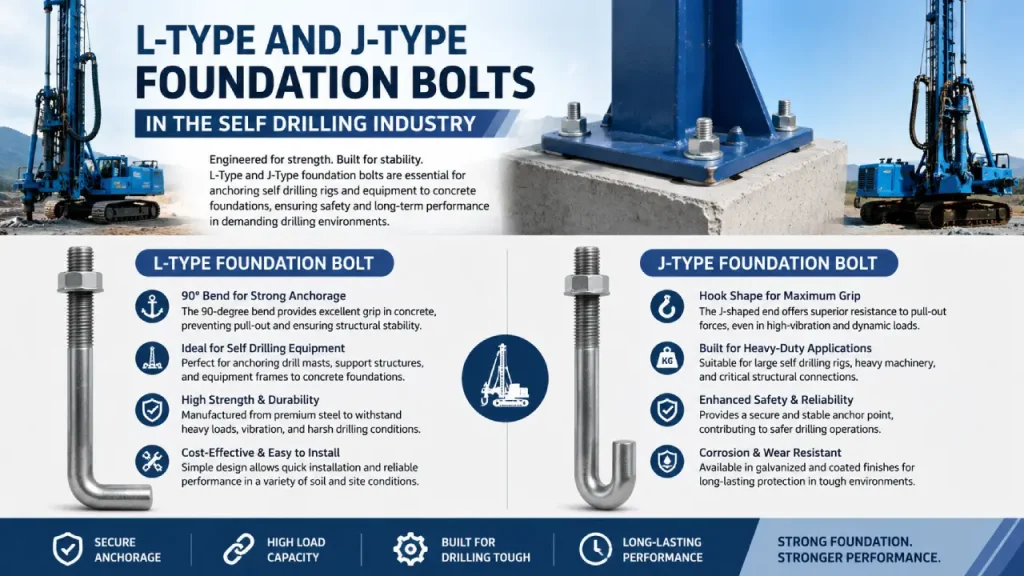
L-Type and J-Type foundation bolts are among the most widely used anchor bolts for securing steel structures, industrial machinery, poles, and equipment to concrete foundations. Their bent shapes provide excellent mechanical anchorage inside concrete, ensuring high pull-out resistance and long-term stability under heavy loads and vibration.
- L-Type Foundation Bolt: The L-Type foundation bolt features a 90-degree bend at one end, forming an “L” shape that creates strong anchorage within concrete. Its simple design makes it cost-effective, easy to manufacture, and suitable for supporting steel columns, machinery bases, light industrial structures, and general construction projects requiring dependable fastening.
- J-Type Foundation Bolt: The J-Type foundation bolt has a hook-shaped end resembling the letter “J,” providing enhanced gripping strength inside concrete. This design offers improved resistance against pull-out forces and dynamic loads, making it ideal for heavy equipment foundations, utility poles, transmission towers, structural steel connections, and demanding industrial applications.
What is a Foundation Bolt Used for?
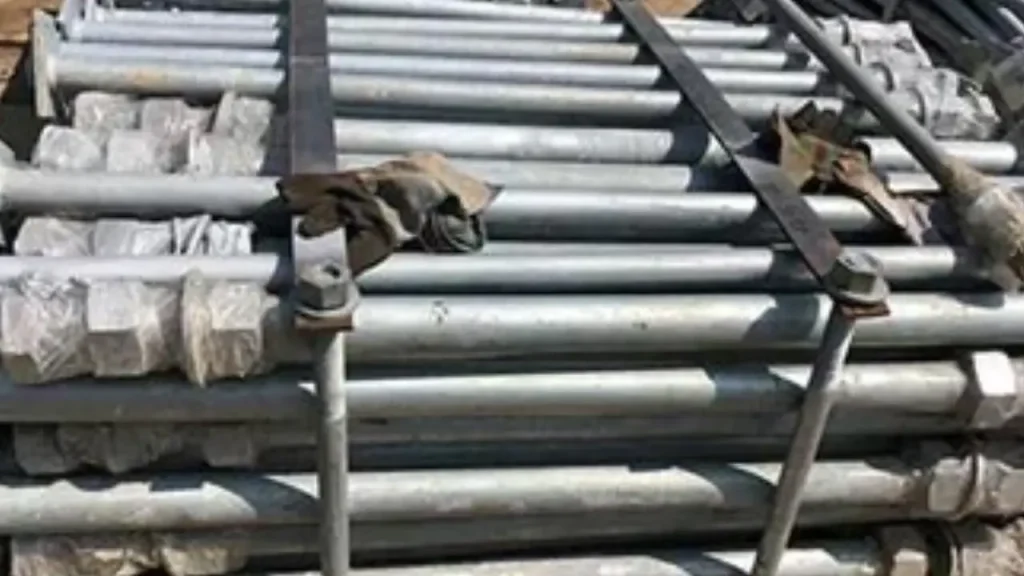
Foundation bolts are essential fasteners used to anchor structural and mechanical components securely to concrete foundations. They ensure stability, resist movement, and transfer loads safely into the base structure.
In construction and industrial applications, foundation bolts play a vital role in maintaining alignment, preventing vibration, and improving overall structural safety and durability.
- Securing Steel Structures: Foundation bolts firmly anchor steel columns, beams, and frames to concrete bases. They ensure proper alignment during installation and maintain structural stability under dynamic and static loads, preventing displacement, tilting, or structural failure in buildings, warehouses, factories, and infrastructure projects.
- Fixing Heavy Machinery: These bolts secure industrial equipment and heavy machinery to foundations, minimizing vibration and movement during operation. Proper anchoring improves operational safety, reduces wear caused by shifting, and enhances the longevity of both equipment and supporting concrete structures in manufacturing plants and workshops.
- Supporting Bridges and Infrastructure: Foundation bolts are used to connect bridge supports, guardrails, and structural components to concrete piers and abutments. They provide reliable load transfer, resist environmental stress, and contribute to the long-term safety and stability of transportation and public infrastructure systems.
- Anchoring Towers and Poles: Utility poles, lighting towers, and communication masts rely on foundation bolts for secure anchorage. These bolts resist wind loads, vibrations, and environmental forces, ensuring vertical stability and preventing structural movement or collapse in outdoor and high-exposure environments.
- Reinforcing Industrial Facilities: In industrial plants, foundation bolts secure storage tanks, pipelines, and structural supports to concrete foundations. They help distribute loads evenly, prevent structural shifting due to operational stress, and maintain safety standards in demanding industrial environments where stability is critical.
What is the Proper Spacing Between Foundation Anchor Bolt?
The proper spacing between foundation anchor bolts depends on structural design, bolt diameter, load requirements, and applicable building codes.
In many standard wood-frame buildings, anchor bolts are typically spaced around 6 feet (1.8 meters) apart, with at least two bolts per plate section. However, engineered structures may require different spacing based on calculated loads and safety margins.
Edge distance, embedment depth, and concrete strength also affect spacing decisions. Bolts are generally positioned a minimum of 5–7 bolt diameters away from concrete edges to reduce cracking risks.
For heavy machinery foundations or steel structures, engineers often specify closer spacing to improve load distribution, vibration resistance, and long-term stability.
Typical Anchor Bolt Spacing Guidelines
| Application Type | Typical Spacing | Minimum Edge Distance | Notes |
|---|---|---|---|
| Wood Frame Construction | ~6 ft (1.8 m) apart | 5–7 bolt diameters | Minimum two bolts per plate section |
| Light Steel Structures | 4–6 ft (1.2–1.8 m) apart | 5–7 bolt diameters | Depends on structural load |
| Heavy Steel Columns | 2–4 ft (0.6–1.2 m) apart | 6–8 bolt diameters | Designed per engineering calculation |
| Industrial Machinery | 1–3 ft (0.3–0.9 m) apart | 6–8 bolt diameters | Closer spacing for vibration control |
| Bridge & Infrastructure Support | Project-specific (engineered) | 6–10 bolt diameters | Based on structural design standards |
Foundation Anchor Bolt Types
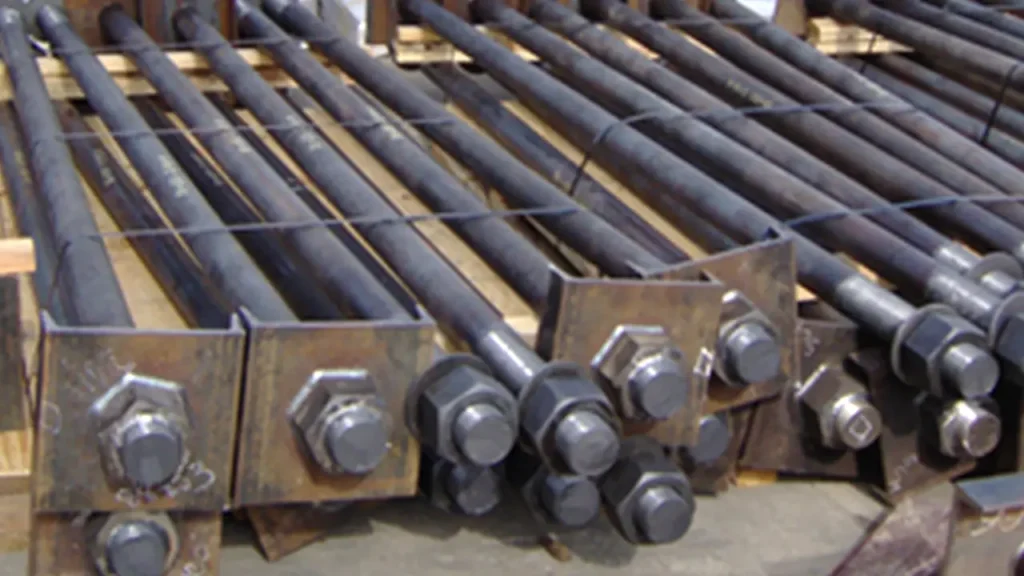
Foundation anchor bolts are essential components used to secure structural elements firmly to concrete foundations. Different types are designed to handle varying load conditions, installation methods, and environmental factors. Selecting the appropriate anchor bolt type ensures structural safety, proper load transfer, corrosion resistance, and long-term performance in construction and industrial applications.
- L-Shaped Anchor Bolts: L-shaped anchor bolts are embedded directly into wet concrete, with the bent end providing strong mechanical anchorage. They are widely used in light steel structures, residential buildings, and equipment foundations. Their simple design offers reliable load resistance and cost-effective installation in standard construction projects.
- J-Shaped Anchor Bolts: J-shaped anchor bolts feature a curved hook that improves pull-out resistance within concrete foundations. They are commonly applied in structural columns and heavy equipment bases. Their shape enhances anchoring capacity, making them suitable for applications requiring dependable tensile strength and stability.
- Straight Anchor Bolts with Nuts: Straight anchor bolts rely on nuts and washers at embedded ends or mechanical anchoring systems for load transfer. Often used in heavy-duty industrial structures, they provide flexibility in embedment depth and fastening. Proper installation ensures strong tension resistance and consistent structural performance.
- Sleeve Anchor Bolts: Sleeve anchors are post-installed fasteners expanded inside drilled concrete holes. As the nut tightens, the sleeve expands against the concrete wall, creating firm frictional grip. They are ideal for retrofitting, equipment installation, and situations where cast-in-place bolts were not pre-positioned.
- Wedge Anchor Bolts: Wedge anchors are heavy-duty expansion bolts designed for high-load applications. Inserted into pre-drilled holes, tightening forces a wedge mechanism outward, securing the bolt firmly. They are frequently used for structural steel connections, machinery anchoring, and projects demanding strong vibration resistance.
How to Install Anchor Bolts in a Concrete Foundation?
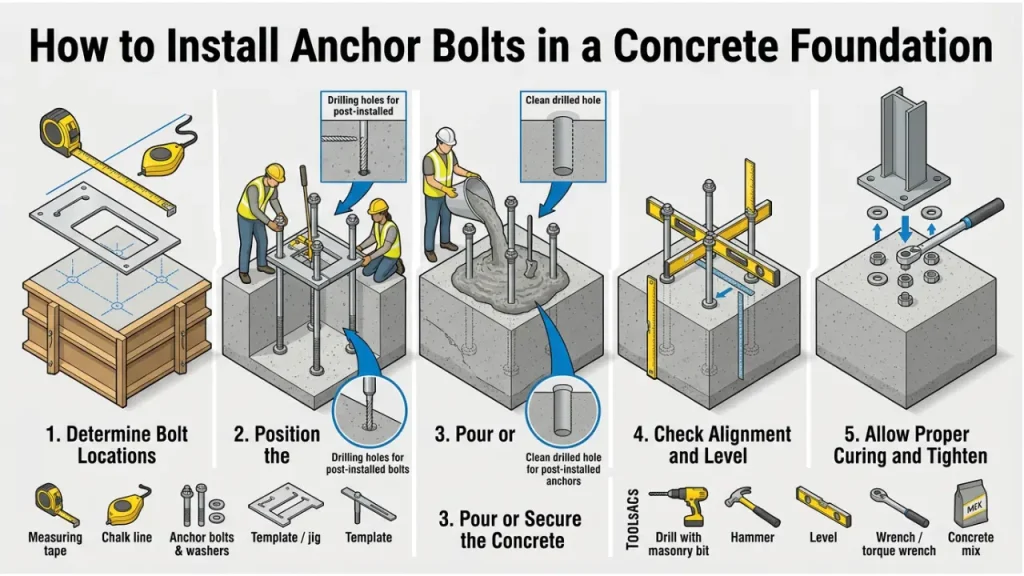
Installing anchor bolts in a concrete foundation requires careful planning, accurate positioning, and proper curing time to ensure structural stability and long-term performance. Whether securing steel columns, machinery, or structural frames, correct installation prevents misalignment and load failure.
Following systematic steps helps achieve precise embedment, strong bonding, and reliable structural anchorage.
Tools Needed
- Measuring tape
- Chalk line or marker
- Anchor bolts and washers
- Template or positioning jig
- Drill with masonry bit (for post-installed bolts)
- Hammer
- Level
- Wrench or torque wrench
- Concrete mix (for cast-in-place bolts)
Step 1: Determine Bolt Locations
Accurately measure and mark the required bolt positions according to structural drawings and load specifications. Use a template or positioning jig to maintain consistent spacing and alignment. Proper layout ensures the bolts match base plate holes precisely, preventing installation delays, structural stress, or costly rework during assembly stages later.
Step 2: Position the Anchor Bolts
For cast-in-place applications, secure the bolts in position before pouring concrete, ensuring correct embedment depth and vertical alignment. For post-installed self-drilling bolts, drill holes to the specified diameter and depth. Proper positioning guarantees strong load transfer, structural accuracy, and dependable anchoring performance after installation.
Step 3: Pour or Secure the Concrete
If installing during concrete placement, carefully pour and consolidate concrete around the bolts to eliminate air pockets and voids. For post-installed systems, clean drilled holes thoroughly before inserting anchors. Proper concrete contact and consolidation improve bonding strength, enhance durability, and ensure long-term foundation stability.
Step 4: Check Alignment and Level
After placement, verify bolt alignment using a level and measuring tools before the concrete sets completely. Correct any deviations immediately to maintain vertical accuracy and spacing tolerance. Precise alignment ensures base plates fit properly, prevents stress concentration, and supports safe structural assembly.
Step 5: Allow Proper Curing and Tighten
Allow the concrete to cure fully according to recommended time requirements before applying loads. Once cured, position the structural component, install washers and nuts, and tighten bolts using a torque wrench to specified values. Proper curing and tightening ensure secure anchorage and long-term structural reliability.
How to Choose Suitable Foundation Bolts?
Choosing suitable foundation bolts is crucial for ensuring structural stability, safety, and durability. Factors such as load requirements, concrete type, environmental conditions, and installation methods influence the selection process. Selecting the right bolt type, material, and size helps prevent structural failure, reduce maintenance costs, and improve long-term performance in construction and industrial applications.
- Consider Load Requirements: Evaluate both static and dynamic loads the foundation will bear. We analyze tensile, shear, and bending forces to ensure bolts can handle operational stresses. Correct load assessment prevents overloading, structural damage, or bolt failure, maintaining safety and reliability in buildings and machinery installations.
- Select Appropriate Bolt Type: Choose from L-shaped, J-shaped, straight, sleeve, or wedge anchor bolts depending on the application. We match bolt types to foundation design, installation method, and structural demands. Proper selection ensures optimal anchorage, load transfer efficiency, and long-term performance under varying conditions.
- Check Material and Coating: Bolt material and corrosion protection are critical for durability. We select carbon steel, alloy steel, or stainless steel bolts with protective coatings. This prevents rust, chemical damage, and environmental deterioration, especially in outdoor or industrial environments, ensuring reliable performance over time.
- Consider Concrete and Installation Conditions: Foundation bolt selection must account for concrete strength, thickness, and installation method. We ensure proper embedment depth, spacing, and alignment based on design specifications. Correct installation maximizes load capacity, maintains structural integrity, and prevents cracking or failure of the concrete base.
- Evaluate Environmental Factors: Environmental exposure influences bolt choice. We consider moisture, temperature fluctuations, chemical exposure, and soil conditions. Selecting bolts with suitable corrosion resistance and durability guarantees structural stability, reduces maintenance needs, and extends the lifespan of both foundation and anchored structures.
Conclusion
Foundation bolts are essential components that ensure structural integrity by firmly anchoring buildings and equipment to concrete bases. Selecting the right type, material, and installation method directly affects safety, durability, and overall project performance. A clear understanding of their functions helps prevent costly structural issues and ensures reliable long-term operation.
Whether applied in industrial plants, commercial buildings, bridges, or heavy machinery installations, foundation bolts must meet strict strength and corrosion resistance standards. Careful planning, correct embedment depth, and proper tightening procedures contribute significantly to achieving stable and secure structural connections in demanding environments.
If you are looking for dependable wholesale foundation self-drilling bolts, consider sourcing from Sinodrills. We supply durable, precision-engineered solutions designed to meet various project requirements, ensuring consistent performance, competitive pricing, and reliable supply support for construction, mining, and infrastructure development worldwide.