
Drilling fluids play a crucial role in the success of drilling operations, providing lubrication, cooling, and pressure control for drill bits. They help remove cuttings, prevent well collapse, and maintain borehole stability. Understanding their properties and applications is essential for optimizing performance, reducing downtime, and ensuring safe drilling in various geological formations.
Different types of drilling fluids, including water-based, oil-based, and synthetic fluids, are selected based on the drilling environment, formation type, and operational requirements. Each fluid type offers unique benefits, such as enhanced lubrication, corrosion prevention, and improved cuttings transport. Proper management and monitoring of drilling fluids ensure efficiency and cost-effective operations.
What is Drilling Fluid?
Drilling fluid, also known as drilling mud, is a specially formulated liquid used in drilling operations to lubricate and cool the drill bit, remove cuttings, and maintain borehole stability. It helps control pressure, prevent well collapse, and improve drilling efficiency, making it essential for safe and effective oil, gas, and water well drilling.
What is Drilling Fluid in Oil and Gas?
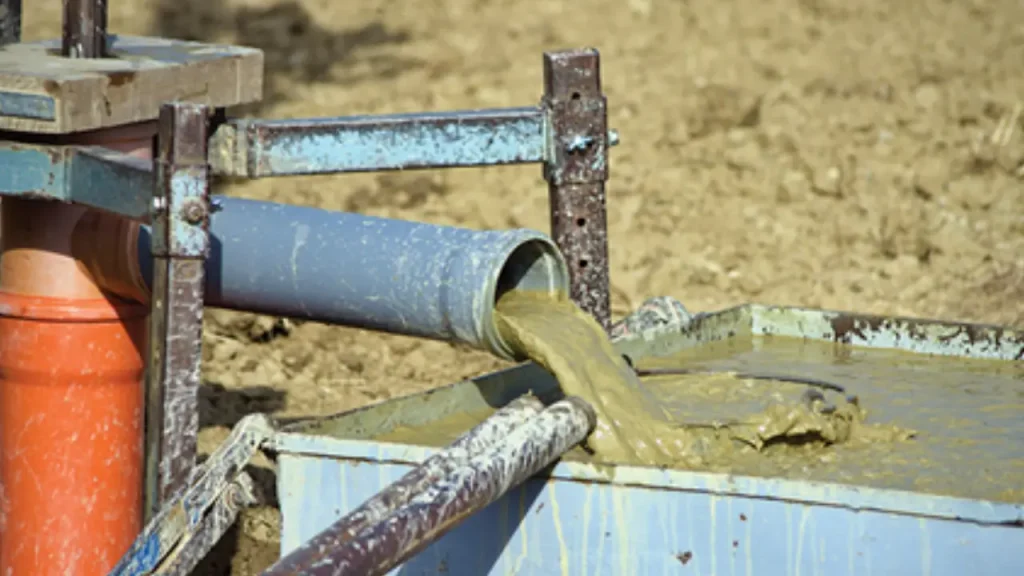
Drilling fluid in oil and gas is a specialized liquid used to facilitate drilling operations, providing lubrication, cooling, and cuttings removal for the drill bit. It maintains wellbore stability, controls formation pressure, and protects the drill string and equipment, ensuring safe and efficient exploration and production in challenging oil and gas reservoirs.
- Lubrication and Cooling: Drilling fluid reduces friction between the drill bit and formation, preventing overheating. Proper lubrication minimizes wear on drilling equipment, enhances penetration rates, and allows smooth drilling operations, especially in deep or high-temperature wells common in oil and gas exploration.
- Cuttings Removal: The fluid transports rock cuttings from the drill bit to the surface efficiently. Maintaining a proper flow ensures that the wellbore remains clean, preventing clogging, stuck drill strings, or reduced drilling efficiency during oil and gas well operations.
- Wellbore Stabilization: Drilling fluids help maintain the structural integrity of the borehole. By controlling hydrostatic pressure and preventing formation collapse or swelling, the fluid ensures safe and stable drilling, reducing the risk of costly operational interruptions.
- Pressure Control: Fluids manage formation pressures to prevent blowouts or influxes of gas and fluids. By balancing downhole pressure, drilling fluids ensure safe operations, protect the crew, and reduce the risk of environmental hazards during oil and gas drilling.
- Equipment Protection: Drilling fluids prevent corrosion, scaling, and wear on the drill string, pumps, and other equipment. Properly formulated fluids maintain chemical stability and viscosity, prolonging the life of expensive drilling tools and ensuring consistent performance in complex oil and gas reservoirs.
Drilling Fluid Additives
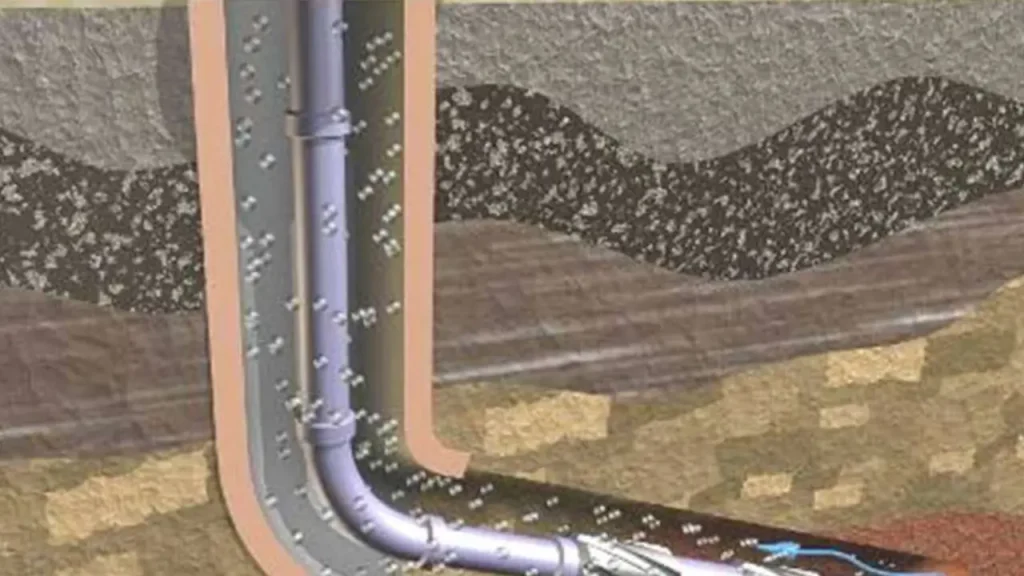
Drilling fluid additives are chemical or natural substances added to drilling mud to enhance its properties and performance during drilling operations. They help control viscosity, density, filtration, and lubrication, ensuring efficient cuttings removal, borehole stability, and protection of the drill string and formation. Additives are selected based on well conditions and drilling requirements.
- Viscosifiers: These additives increase the fluid’s viscosity, improving the suspension and transport of cuttings to the surface. Proper viscosity ensures efficient drilling, reduces bit wear, and prevents settling of solids, which maintains borehole stability and smooth drilling operations in various geological formations.
- Weighting Agents: Weighting agents, such as barite, increase the drilling fluid’s density to control formation pressure. Proper density prevents blowouts, stabilizes the borehole, and allows safer drilling in high-pressure formations while maintaining efficient cuttings removal and minimizing formation damage.
- Lubricants: Lubricant additives reduce friction between the drill string and borehole walls, improving penetration rates and reducing wear on drill bits. They are particularly useful in directional drilling and hard rock formations, enhancing efficiency and prolonging equipment life.
- Filtration Control Agents: These additives minimize fluid loss into porous formations, preventing wellbore collapse and formation damage. By controlling filtration, the fluid maintains proper pressure balance, ensuring smooth drilling, protecting the formation, and improving overall operational safety and efficiency.
- pH and Corrosion Control Additives: These chemicals maintain fluid stability and prevent corrosion of the drill string and equipment. By controlling pH and adding corrosion inhibitors, operators protect drilling tools, extend equipment lifespan, and maintain consistent drilling fluid performance throughout the operation.
What is Drilling Fluid Made Of?
Drilling fluid is made of a combination of base fluids, additives, and weighting materials designed to meet specific drilling requirements. The composition depends on the well type, formation, and operational conditions. Proper formulation ensures lubrication, cuttings transport, pressure control, and borehole stability, enabling safe and efficient drilling in oil, gas, or water wells.
- Base Fluids: The primary component of drilling fluid can be water, oil, or synthetic liquid. Base fluids provide the medium for carrying additives, suspending cuttings, and transferring heat away from the drill bit while supporting pressure control and borehole stability.
- Weighting Agents: Materials such as barite or hematite are added to increase fluid density. Weighting agents control formation pressures, prevent blowouts, and help maintain wellbore stability while allowing smooth drilling through various geological formations without compromising fluid performance.
- Viscosifiers: Polymers, clays, or other thickeners are used to adjust fluid viscosity. Proper viscosity ensures efficient cuttings transport, prevents settling, and provides lubrication for the drill string and bit, improving drilling efficiency and protecting equipment.
- Filtration Control Additives: These materials reduce fluid loss into permeable formations. By controlling filtration, additives maintain wellbore pressure, prevent formation damage, and ensure smooth drilling operations, even in porous or fractured geological zones.
- Corrosion and pH Control Chemicals: Chemicals like inhibitors or pH stabilizers are added to protect the drill string and equipment from corrosion. They maintain chemical stability, extend equipment life, and ensure consistent fluid performance throughout the drilling process.
Drilling Fluid Weighting Additive
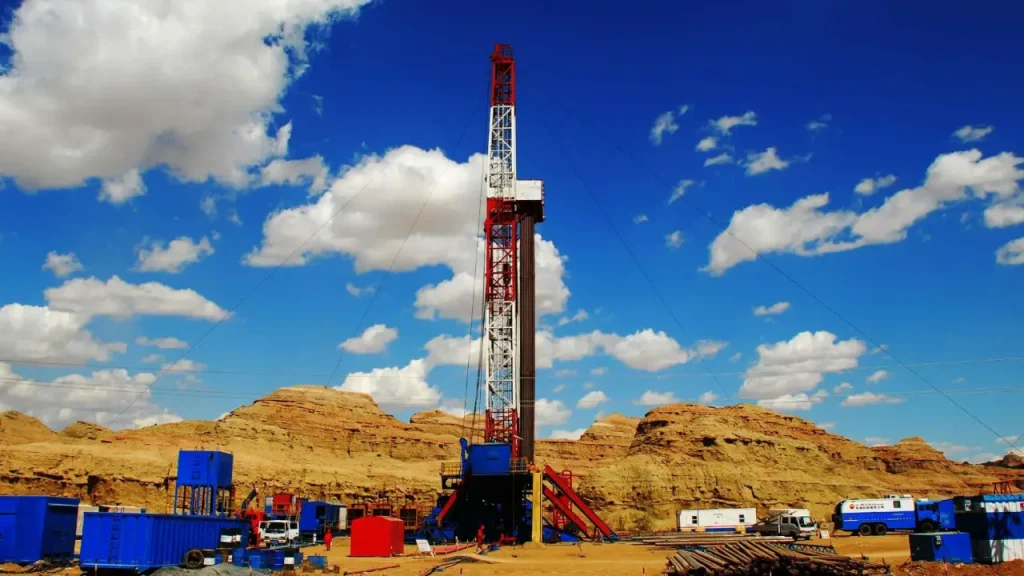
Drilling fluid weighting additives are materials added to drilling mud to increase its density, helping control formation pressures and maintain wellbore stability. Proper weighting prevents blowouts, reduces formation damage, and ensures efficient cuttings transport. Selecting the right additive based on formation type and operational requirements is critical for safe and effective drilling operations.
- Barite (Barium Sulfate): Barite is the most commonly used weighting additive due to its high density and chemical stability. It effectively increases fluid weight, allowing operators to balance formation pressure, prevent fluid loss, and maintain borehole integrity during drilling in oil, gas, and water wells.
- Hematite (Iron Oxide): Hematite provides a higher density alternative to barite. It is suitable for challenging wells requiring greater hydrostatic pressure. Hematite is chemically stable, minimizes settling, and helps maintain consistent fluid properties in high-pressure or deep drilling environments.
- Calcite and Other Minerals: Calcite and similar minerals are sometimes used as cost-effective or specialized weighting agents. They provide moderate density increases, support fluid stability, and are selected for specific formations where barite or hematite may not be ideal due to chemical compatibility or operational constraints.
- Synthetic Weighting Agents: Synthetic materials like ilmenite or engineered heavy particles offer precise density control and improved thermal stability. These additives are designed to maintain fluid performance in high-temperature, high-pressure wells while minimizing settling and wear on pumps and drilling equipment.
- Benefits of Weighting Additives: Properly selected weighting additives help control downhole pressure, prevent blowouts, and support safe, efficient drilling. They ensure stable boreholes, improve cuttings removal, and protect equipment from excessive wear, making them essential for professional drilling operations in diverse formations.
Drilling Fluid Types
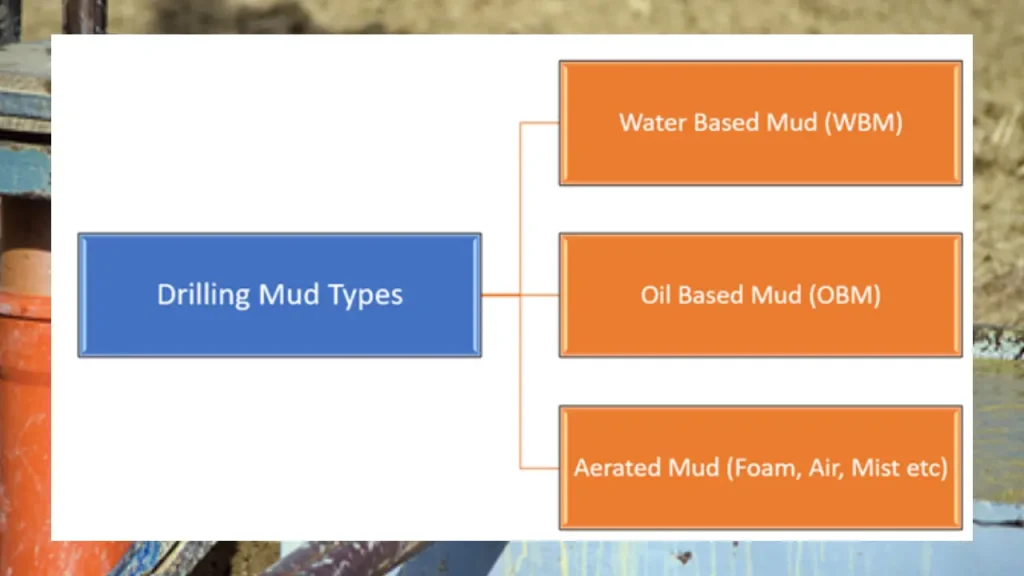
Drilling fluid types are selected based on well conditions, formation characteristics, and operational requirements. Each type offers unique properties such as lubrication, pressure control, cuttings transport, and borehole stabilization. Choosing the appropriate fluid ensures safe, efficient drilling while protecting equipment and minimizing formation damage in oil, gas, and water well projects.
- Water-Based Mud (WBM): Water-based muds use water as the primary fluid with additives to control viscosity and filtration. They are cost-effective, environmentally friendly, and suitable for most formations. WBMs efficiently transport cuttings, stabilize the borehole, and provide sufficient lubrication for standard drilling operations.
- Oil-Based Mud (OBM): OBMs use oil as the continuous phase with water and additives. They provide superior lubrication, thermal stability, and shale inhibition, making them ideal for challenging formations, high-temperature wells, and deep drilling projects, while reducing bit wear and formation swelling.
- Synthetic-Based Mud (SBM): Synthetic-based muds use synthetic oils or esters instead of petroleum. They offer similar benefits to OBMs but with lower environmental impact. SBMs improve shale stability, cuttings transport, and high-temperature performance, making them a versatile choice for environmentally sensitive or complex drilling sites.
- Aerated or Foam Fluids: These fluids are gas-lifted or foam-based, reducing hydrostatic pressure while drilling fragile formations. They minimize formation damage, improve cuttings removal in low-pressure zones, and allow efficient drilling in water-sensitive or unconsolidated formations where conventional muds may cause wellbore instability.
- Polymer-Based Fluids: Polymer-based drilling fluids include water or oil with added polymers to enhance viscosity, filtration control, and suspension properties. They provide efficient cuttings transport, stabilize boreholes, reduce torque, and are particularly useful in horizontal or directional drilling operations.
Drilling Fluid Thermal Stability
Drilling fluid thermal stability refers to a fluid’s ability to maintain its properties under high-temperature conditions encountered during deep or high-pressure drilling operations. Thermally stable fluids prevent breakdown, maintain viscosity, and protect equipment, ensuring smooth cuttings transport, borehole stability, and safe, efficient drilling even in extreme subsurface environments.
- High-Temperature Resistance: Thermally stable drilling fluids resist viscosity and chemical changes at elevated temperatures. This ensures consistent performance during deep wells, preventing fluid thinning, loss of cuttings suspension, and wellbore instability, which can lead to costly downtime or equipment damage.
- Additive Performance Retention: Thermal stability preserves the effectiveness of essential additives, including viscosifiers, filtration controllers, and corrosion inhibitors. Maintaining additive performance ensures that the drilling fluid continues to lubricate, control pressure, and protect formations under prolonged exposure to high temperatures.
- Equipment Protection: Stable fluids prevent thermal degradation that can cause scaling, corrosion, or excessive wear on the drill string and pump systems. This protection extends equipment life, reduces maintenance costs, and minimizes the risk of operational failures during high-temperature drilling operations.
- Borehole Stability: Thermal stability helps maintain proper density, viscosity, and filtration properties, preventing wellbore collapse or formation swelling. Stable fluids support smooth cuttings transport and pressure balance, ensuring safer, more efficient drilling in challenging high-temperature subsurface formations.
- Operational Efficiency: Fluids with high thermal stability reduce the need for frequent adjustments or replacement during drilling. This saves time, maintains consistent penetration rates, and enhances overall project efficiency, allowing operators to complete high-temperature drilling projects safely and cost-effectively.
Drilling Fluid Loss
Drilling fluid loss occurs when drilling mud escapes from the wellbore into surrounding formations, reducing fluid volume and pressure control. This can lead to borehole instability, formation damage, and inefficient cuttings transport. Understanding causes and prevention methods is essential to maintain safe, efficient drilling operations in oil, gas, and water wells.
- Causes of Fluid Loss: Fluid loss can result from highly permeable formations, fractures, or improper fluid density. When the hydrostatic pressure of the drilling fluid exceeds formation pressure, the fluid seeps into surrounding rock, leading to decreased circulation and potential wellbore instability.
- Impact on Drilling Operations: Excessive fluid loss affects borehole stability, increases operational costs, and may lead to stuck drill strings or blowouts. It also reduces the effectiveness of the drilling fluid in carrying cuttings, cooling the bit, and maintaining pressure control.
- Loss Prevention Techniques: Using proper weighting agents, viscosifiers, and filtration control additives helps minimize fluid loss. Adjusting mud density, selecting appropriate fluid types, and using lost circulation materials (LCMs) are effective strategies to stabilize the wellbore.
- Monitoring and Detection: Real-time monitoring of mud volume, flow rate, and pressure helps detect early signs of fluid loss. Timely detection allows operators to implement corrective measures, preventing formation damage, costly downtime, and potential safety hazards.
- Lost Circulation Materials (LCMs): LCMs such as fibers, flakes, or granular materials can be added to seal fractures and porous zones. They help plug fluid escape pathways, restore circulation, and maintain wellbore integrity for safer, more efficient drilling.
Conclusion
Choosing the right drilling fluid is critical for safe, efficient, and cost-effective drilling. Proper selection and maintenance improve borehole stability, protect equipment, and optimize drilling speed. By understanding fluid properties, operators can tailor solutions to specific formations, ensuring reliable performance across oil, gas, and water well projects.
Regular monitoring and adjustment of drilling fluid properties help prevent operational problems such as fluid loss, formation damage, or stuck drill strings. Maintaining proper viscosity, density, and chemical balance enhances cutting removal, reduces wear on drill bits, and ensures smooth, uninterrupted drilling operations for long-term project success.
For high-quality drilling operations, sourcing reliable equipment is essential. Get wholesale rock drill bits from our Sinodrills, designed for durability and efficient performance in various formations. Our products support professional drilling needs, ensuring precision, reliability, and long service life for both industrial and water well projects.