
An anchor bar shear test is an important testing method used to evaluate the shear resistance and mechanical performance of anchor bars. In ground reinforcement projects, anchor bars may experience different forces caused by soil movement, rock pressure, and structural loads. Understanding their shear strength helps engineers assess reliability and safety.
In this guide, we will explain what an anchor bar shear test is, how the testing process works, and why it matters for construction, mining, tunneling, and slope stabilization projects. We will also explore the key factors affecting test results and how proper testing helps ensure dependable anchoring performance.
What is Anchor Bar Shear Test?
Recommended Self Drilling Anchor Bars
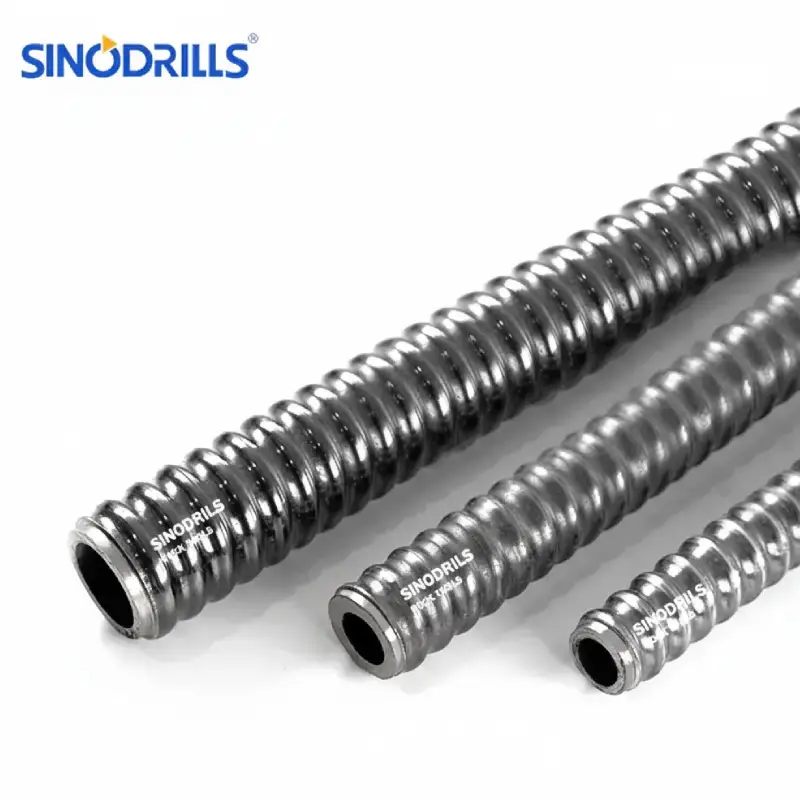
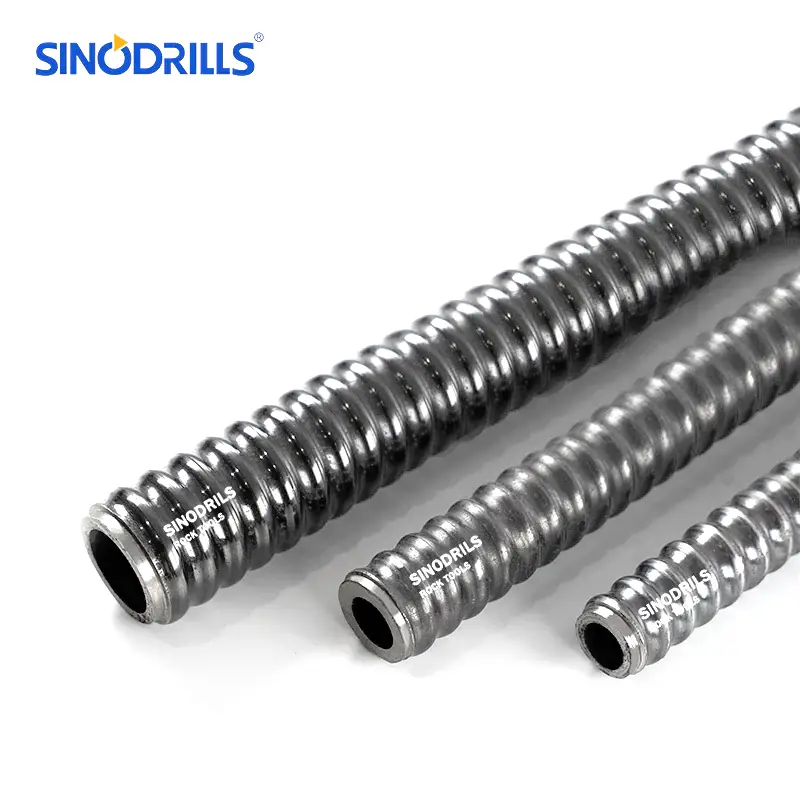
An anchor bar shear test is a mechanical testing method used to evaluate an anchor bar’s ability to withstand forces acting perpendicular to its axis.
It measures shear strength, deformation, and load-bearing performance under specific conditions. This test helps engineers assess anchor reliability and suitability for demanding ground reinforcement and construction projects.
Why Anchor Bar Shear Test Matters?
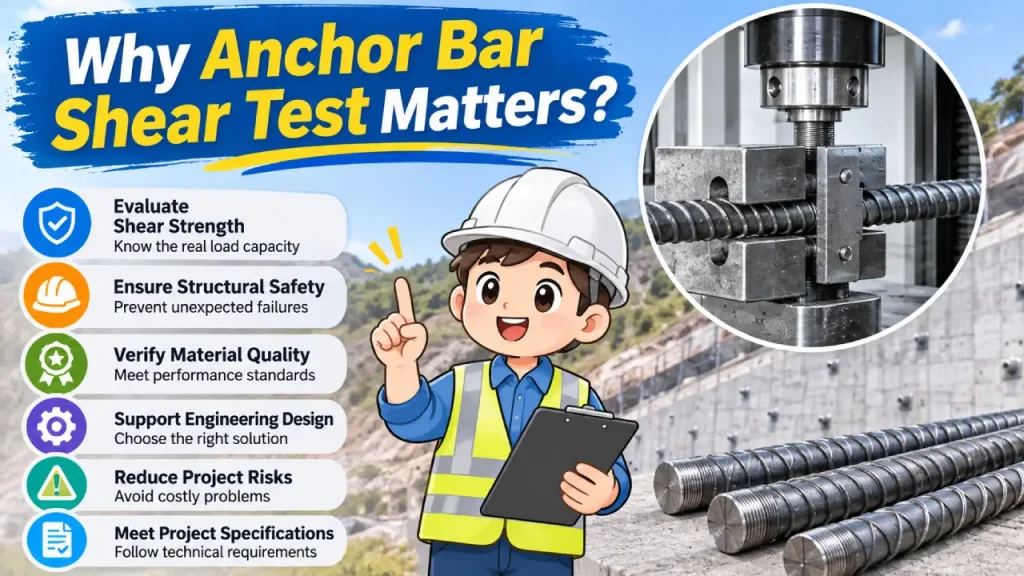
Anchor bar shear testing is essential for understanding how anchor bars perform when exposed to lateral forces in construction and ground reinforcement projects. It helps engineers evaluate mechanical strength, identify potential weaknesses, and ensure reliable load-bearing performance.
Here are several important reasons why we should conduct anchor bar shear tests:
- Evaluate Shear Strength: We use shear testing to determine how much lateral force an anchor bar can withstand before failure. This information helps engineers assess material performance and select suitable anchor bars for demanding ground reinforcement applications.
- Ensure Structural Safety: Anchor bars often support structures exposed to rock movement, soil pressure, and external loads. We rely on shear test results to evaluate their mechanical reliability and reduce the risk of unexpected failures in critical construction projects.
- Verify Material Quality: Shear testing helps us assess whether anchor bars meet specified mechanical performance requirements. By evaluating test results, manufacturers and engineers can identify potential material inconsistencies and maintain more reliable product quality throughout the manufacturing process.
- Support Engineering Design: Engineers need accurate mechanical data when designing anchoring systems for tunnels, mines, and slope stabilization projects. We use shear test results as supporting information to select appropriate bar dimensions, materials, and anchoring configurations for specific project conditions.
- Reduce Project Risks: Understanding anchor bar shear performance helps identify potential weaknesses before installation. We consider testing an important quality assurance measure that supports better material selection, reduces the likelihood of unsuitable products, and helps prevent costly repairs or construction delays.
- Meet Project Specifications: Different construction projects may require specific mechanical properties and testing procedures for anchor bars. We use appropriate shear testing to verify product performance against applicable technical specifications, engineering requirements, and relevant quality standards.
How to Conduct an Anchor Bar Shear Test?

An anchor bar shear test evaluates the ability of an anchor bar to withstand forces acting perpendicular to its longitudinal axis. The testing process involves preparing the specimen, setting up testing equipment, applying controlled shear forces, and recording the results. Following a systematic procedure helps engineers obtain reliable data for evaluating mechanical performance.
Tools Needed
Before starting an anchor bar shear test, we need to prepare the following equipment:
- Universal testing machine or hydraulic testing machine
- Shear testing fixture
- Anchor bar specimen
- Vernier caliper or micrometer
- Measuring tape or ruler
- Displacement measuring instrument
- Data acquisition system
- Safety gloves and protective equipment
Step 1: Prepare the Anchor Bar Specimen
First, we need to select an anchor bar specimen that meets the testing requirements. The specimen should represent the actual product being evaluated. We should check its material grade, diameter, length, and surface condition to ensure it is suitable for the planned shear test.
Next, we need to inspect the anchor bar for visible defects, including cracks, corrosion, deformation, and surface damage. Document any irregularities before testing begins. Proper specimen inspection helps engineers identify existing material problems and ensures that testing conditions are properly recorded for evaluation.
Step 2: Measure the Anchor Bar Dimensions
We need to measure the anchor bar diameter using a calibrated vernier caliper or micrometer. Accurate dimensional measurements are important because the bar’s cross-sectional area directly affects its mechanical performance. Record the measured values and compare them with the manufacturer’s specifications before proceeding.
Next, we should measure the specimen length using a measuring tape or suitable measuring instrument. The overall dimensions need to be documented clearly for testing records. Consistent measurements help engineers identify dimensional variations and provide essential reference data when analyzing the final shear test results.
Step 3: Set Up the Shear Testing Machine
We should install the appropriate shear testing fixture onto the testing machine. The fixture must be compatible with the anchor bar dimensions and the selected testing method. Proper fixture selection helps create suitable loading conditions and prevents unnecessary movement during the testing process.
Next, we need to check the testing machine’s calibration status and operating condition. The load measurement system should function correctly before testing starts. We should also confirm that the fixture is securely installed and that the machine can record the required force and displacement data.
Step 4: Position the Anchor Bar Specimen
We need to place the anchor bar specimen inside the shear testing fixture according to the specified test configuration. The specimen should be positioned at the intended shear plane. Correct positioning helps ensure that the applied force acts in the required direction during the test.
Next, we should check the alignment between the anchor bar and the loading fixture. Improper alignment may introduce unintended bending forces and affect the test results. We need to ensure that the specimen is properly supported and that the loading arrangement follows the applicable testing procedure.
Step 5: Apply the Shear Load
We should begin applying the shear load using the testing machine’s specified loading rate. The force needs to increase gradually under controlled conditions. Applying the load consistently helps engineers observe the anchor bar’s response and identify changes in its mechanical behavior during testing.
Next, we need to continue loading the specimen according to the selected testing standard until the required endpoint is reached. This may involve specimen failure or another specified loading limit. We should avoid uncontrolled loading because it can affect measurement accuracy and compromise the reliability of test results.
Step 6: Record the Test Results
During the test, we need to record the applied shear force at regular intervals. The testing machine’s data acquisition system can capture load measurements throughout the process. These records help engineers understand how the anchor bar responds to increasing shear forces under the selected testing conditions.
Next, we should document the maximum recorded shear load and the corresponding specimen behavior. Visible deformation, cracking, or fracture should also be recorded. These observations provide useful information about the anchor bar’s mechanical performance and help identify potential weaknesses in its structure or material.
Step 7: Calculate the Shear Strength
After collecting the test data, we need to determine the maximum shear force recorded during testing. The measured load provides the basis for evaluating the anchor bar’s shear resistance. We should verify that the recorded values are consistent and that the correct loading configuration has been considered.
Next, we can calculate the nominal shear stress using the appropriate effective shear area and testing configuration. The calculation method depends on the specimen geometry and applicable standard. Engineers should avoid assuming that the full cross-sectional area always represents the effective shear area in every test arrangement.
Step 8: Analyze and Evaluate the Results
We should compare the measured shear performance with the relevant design requirements, product specifications, and applicable testing standards. This comparison helps engineers determine whether the anchor bar meets the required mechanical performance criteria for its intended ground reinforcement application.
Next, we need to prepare a testing report containing specimen information, equipment details, loading conditions, maximum shear force, calculated results, and failure observations. A complete report provides traceable technical evidence and helps manufacturers and engineers make informed decisions about anchor bar quality and application suitability.
Important Note: The exact testing setup, loading rate, specimen dimensions, shear area, and acceptance criteria should follow the applicable testing standard or approved engineering procedure. A laboratory shear test result should not automatically be treated as the allowable load capacity of an installed anchoring system.
Why Choose Sinodrills Anchor Bars?
Choosing a reliable anchor bar manufacturer is essential for ensuring the safety and stability of ground reinforcement projects. At Sinodrills, we specialize in manufacturing anchoring products for demanding applications, including mining, tunneling, slope stabilization, and underground construction. We focus on product quality, manufacturing precision, and customer requirements to deliver dependable anchoring solutions.
1. Reliable Material Quality: We select suitable steel materials to manufacture anchor bars with consistent mechanical properties. Our focus on material quality helps ensure reliable performance under demanding working conditions, including heavy loads, ground pressure, and challenging geological environments.
2. Customized Anchor Bar Solutions: We understand that different projects require different anchoring specifications. We provide customized anchor bar diameters, lengths, thread configurations, and accessories to match your drilling equipment, geological conditions, and specific ground reinforcement requirements.
3. Precision Manufacturing: We pay attention to manufacturing accuracy throughout the production process. From material processing to thread machining, we focus on dimensional consistency and product specifications to help ensure proper connections, convenient installation, and dependable performance in demanding construction applications.
4. Strict Quality Control: We emphasize quality inspection throughout our manufacturing process. We check important product characteristics, including dimensions, thread quality, and mechanical properties, helping us maintain consistent product quality and meet the technical requirements of different anchoring projects.
5. Wide Application Experience: We manufacture anchor bars for various ground reinforcement applications, including mining, tunneling, foundation support, and slope stabilization. Our product range helps contractors and distributors find suitable anchoring solutions for different geological conditions and heavy-duty construction requirements.
6. Wholesale Supply and Competitive Pricing: We support wholesale orders for international customers seeking reliable anchoring products. By combining manufacturing capabilities with customized production options, we aim to provide cost-effective anchor bar solutions while meeting different order quantities and project specifications.
7. Professional Customer Support: We work closely with customers to understand their project requirements and product specifications. From product selection to customization and order coordination, we provide practical assistance to help customers identify suitable anchor bar solutions for their applications.
Conclusion
An anchor bar shear test plays an important role in evaluating the mechanical performance and shear resistance of anchor bars. By understanding how anchor bars respond to lateral forces, engineers can make better decisions about material selection, structural design, and ground reinforcement requirements. Proper testing also helps identify potential weaknesses before they affect project safety.
For heavy-duty applications such as mining, tunneling, slope stabilization, and underground construction, choosing suitable anchor bars is essential. We recommend considering material quality, bar dimensions, mechanical properties, and actual working conditions when selecting anchoring products. Combining reliable products with appropriate testing procedures helps improve structural stability and long-term project performance.
At Sinodrills, we manufacture and supply self-drilling anchor bars for demanding ground reinforcement applications. We focus on material quality, precise manufacturing, and customized solutions to meet different project requirements. If you are looking for reliable anchoring products for your next project, get wholesale self-drilling anchor bars from our Sinodrills and contact us to discuss your requirements.