
Drill rods are essential tools in various industries, from manufacturing to mining, yet many remain unfamiliar with their specific functions and importance. Often mistaken for ordinary metal rods, drill rods are precision-engineered to withstand extreme conditions and deliver high performance in drilling operations.
This guide will demystify drill rods, explaining what they are, their different types, and their diverse applications. Whether you’re a professional in the field or a curious enthusiast, prepare to gain a comprehensive understanding of these crucial components.
What is a Drill Rod?
Recommended Drill Rods
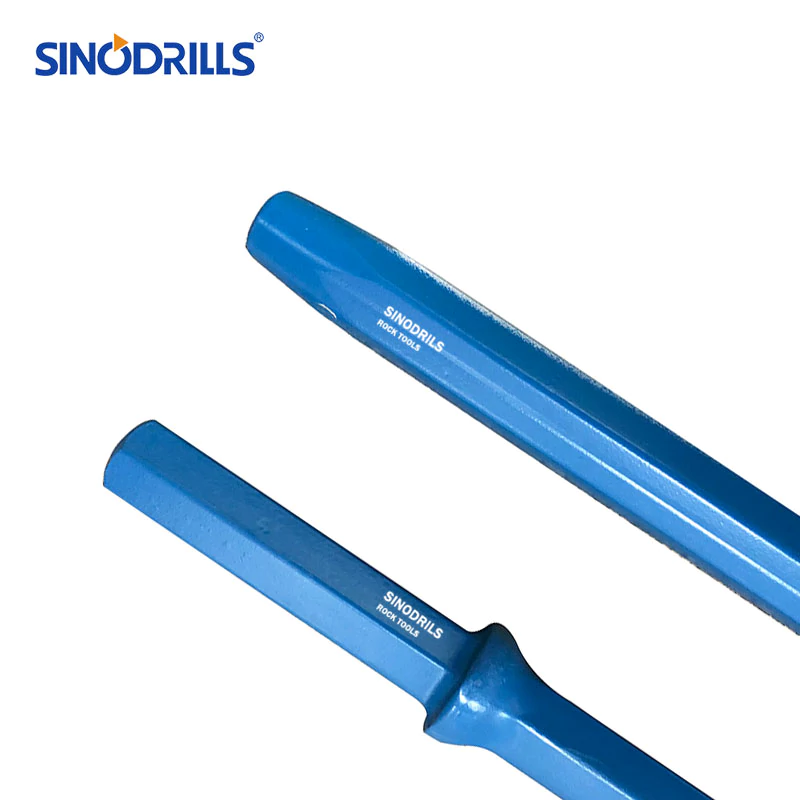
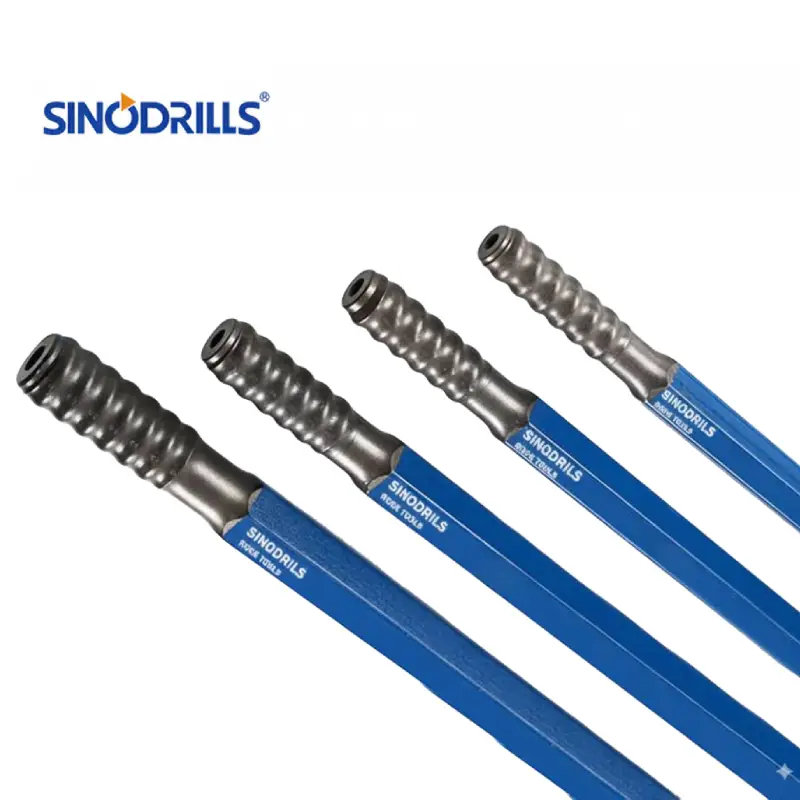
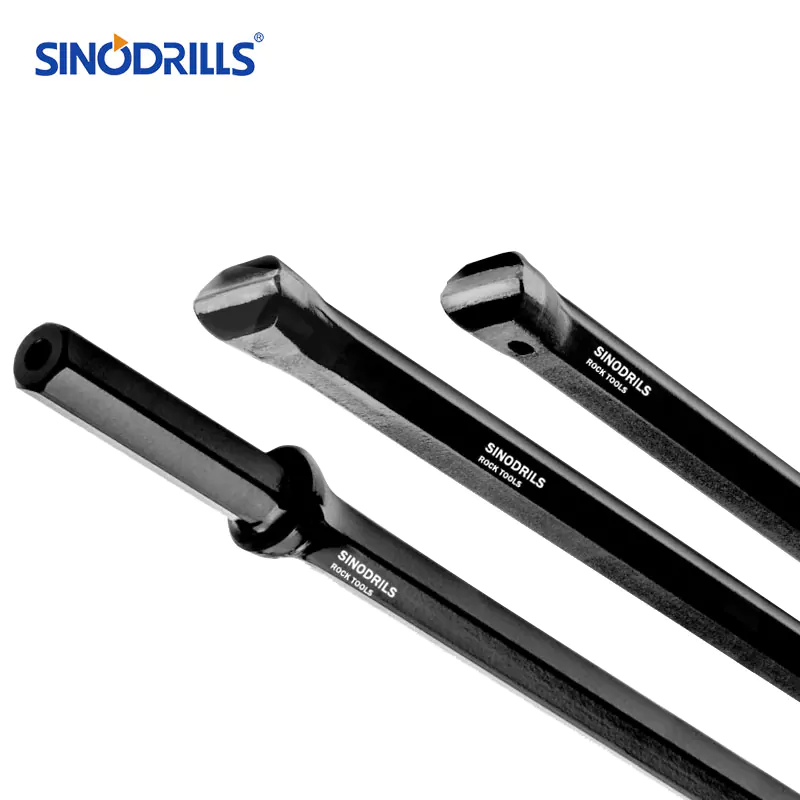
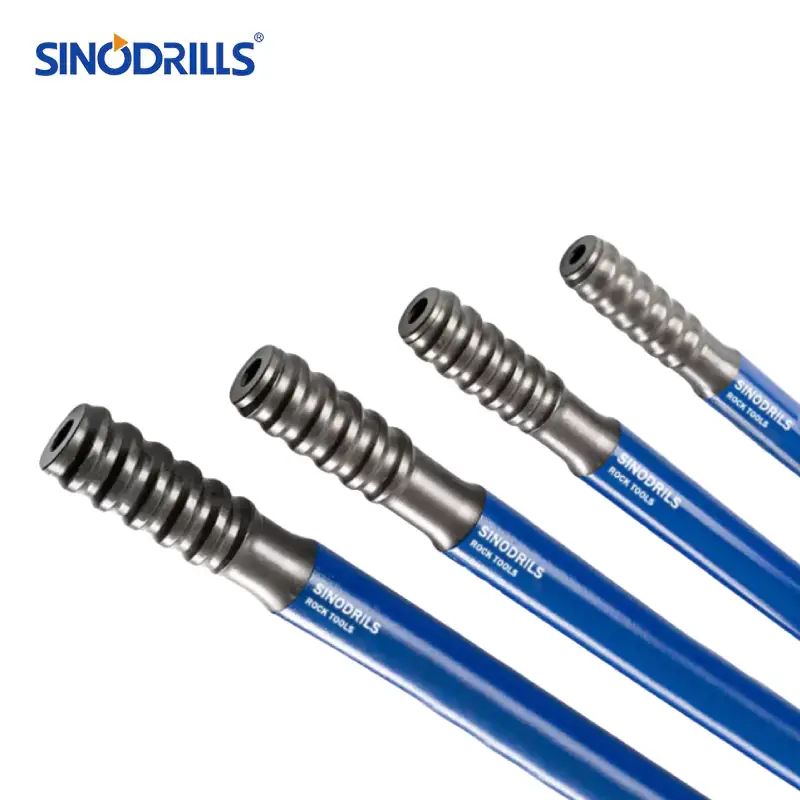
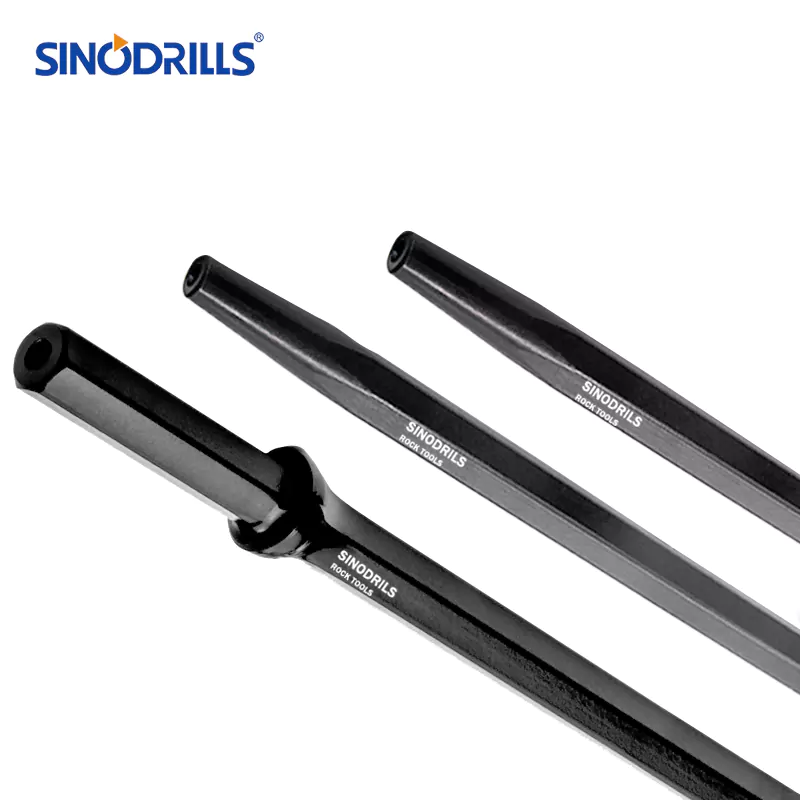
A drill rod is a highly precise, often ground and polished, metal bar typically made from premium tool steel. While the name suggests sole use in drilling, these rods are versatile and utilized in various applications beyond just driving drill bits.
They are known for their tight tolerances, resistance to wear, and ability to maintain structural integrity under demanding conditions, making them essential in industries such as manufacturing, mining, and toolmaking for creating precision components, punches, dies, and a wide array of tools.
What is Drill Rod Made of?
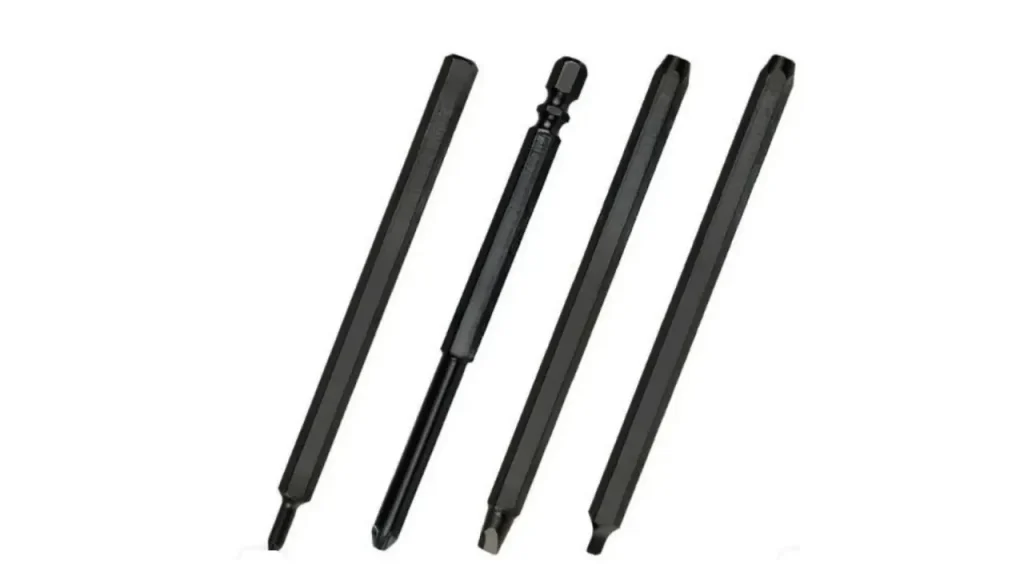
Drill rods are primarily made from alloy steels, specifically chosen for their superior strength, hardness, and wear resistance. The exact composition varies depending on the intended application and the manufacturer’s specifications, but common materials include:
High Carbon Steel
High carbon steel drill rods offers a cost-effective solution for many drilling needs. With a carbon content typically ranging from 0.6% to 1.7%, it provides a good balance of hardness and toughness. This material is particularly suited for applications where moderate wear resistance and good machinability are required, making it a reliable choice for general-purpose drilling.
Alloy Steels (e.g., AISI 4140, 4340)
These heat-treatable steel drill rods are the workhorse of the drilling industry. By adding alloying elements like chromium, molybdenum, and nickel, their strength, toughness, and fatigue resistance are significantly enhanced. After proper heat treatment, they are capable of withstanding extreme stresses and abrasive conditions, making them ideal for deep and demanding drilling applications.
What is a Drill Rod Used for?
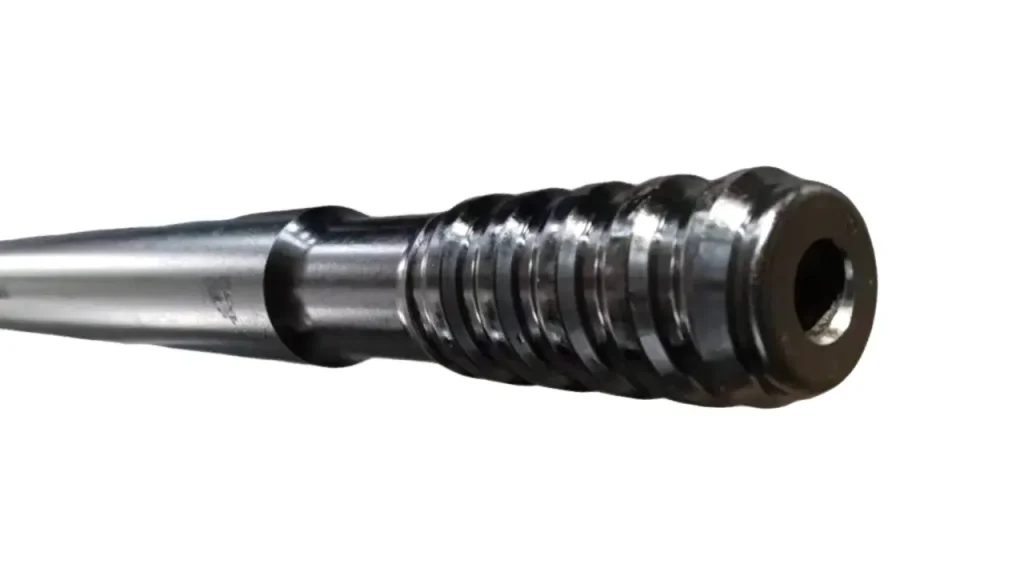
Drill rods, while sharing a name with drilling, are remarkably versatile and find extensive use beyond simply boring holes. Their precision-ground surfaces, tight tolerances, and durable material composition make them ideal for creating accurate and robust components in a wide array of industries.
They are frequently employed in manufacturing for tasks requiring exact dimensions and resistance to wear, serving as critical elements in tooling and machinery.
Beyond general manufacturing, drill rods are indispensable in specific applications due to their high strength and ability to withstand significant stress. They are often used to produce:
- Punches and Dies: Their hardness and precise dimensions are perfect for creating tooling used in stamping, forming, and cutting operations.
- Arbors and Mandrels: Used as central shafts to hold workpieces or tools in lathes, grinders, and other machining equipment, requiring high concentricity.
- Shafts and Pins: Employed in various mechanical assemblies where strength, straightness, and wear resistance are paramount.
- Gauges and Measuring Tools: Their dimensional accuracy makes them suitable for crafting precision instruments used for calibration and quality control.
- Cutting Tools: In some cases, they can be ground into specialized cutting tools where extreme hardness and durability are needed.
How Hard is Drill Rod?
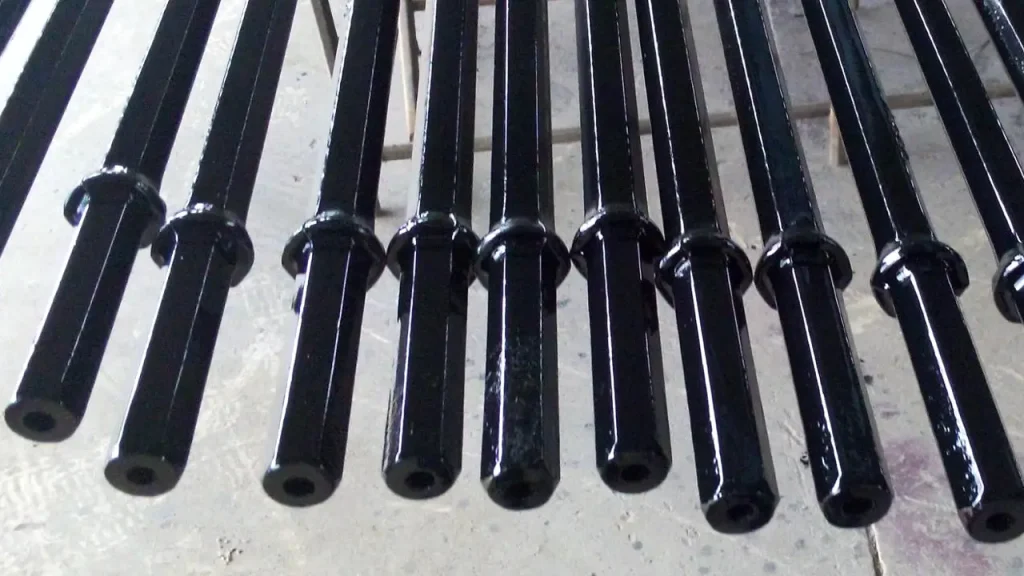
The hardness of a drill rod is a critical property, directly impacting its wear resistance, strength, and overall durability. It’s not a single fixed value but rather varies depending on the specific alloy steel used and the heat treatment processes applied during manufacturing.
Generally, drill rods are designed to be significantly harder than the materials they are intended to drill or work with, ensuring they can withstand abrasive forces and high-stress conditions.
- Rockwell Hardness Scale: Hardness is typically measured on the Rockwell C scale (HRC) for steels.
- Typical Range: Drill rods often fall within a range of 45 to 65 HRC, depending on the steel grade and intended application.
- Factors Influencing Hardness: This includes the carbon content of the steel, the presence of alloying elements like chromium or molybdenum, and the specific quenching and tempering parameters during heat treatment.
Types of Drill Rods
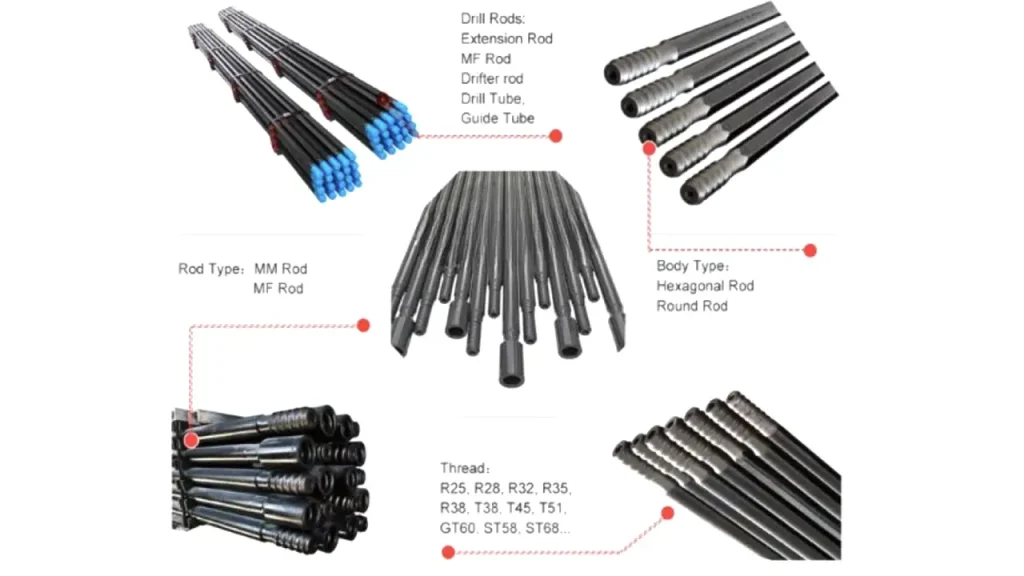
Drill rods are essential components in rock drilling systems, connecting the drilling machine with the drill bit while transferring impact energy and rotational force.
Different drilling environments require different types of drill rods based on equipment compatibility, rock conditions, drilling depth, and project requirements. Choosing the right type improves efficiency, accuracy, and tool lifespan.
Recommended Drill Rods
Integral drill rods combine the rod and drill bit into a single piece, offering excellent alignment and impact transfer. They are mainly used for small-hole drilling, secondary breaking, and construction applications. Their simple design makes them easy to operate while providing reliable drilling performance in softer rock conditions.
Tapered drill rods are commonly used with handheld rock drills and tapered drill bits for mining, quarrying, and construction applications. They feature a tapered connection that provides secure bit attachment and efficient energy transmission. These rods are lightweight, durable, and suitable for shallow to medium-depth drilling operations.
Threaded drill rods use threaded connections to join multiple rod sections, making them ideal for deeper drilling applications. They are widely used in underground mining, tunneling, and large-scale construction projects. Their strong connections provide excellent stability, allowing operators to achieve accurate holes in challenging rock formations.
Extension drill rods are designed for deep-hole drilling where additional length is required. Multiple rods can be connected together through threaded ends to reach greater drilling depths. They are commonly used in mining, geotechnical drilling, and water well drilling projects that require extended drilling reach.
Drifter drill rods are heavy-duty rods designed for use with powerful drifter rock drills in demanding drilling environments. They are manufactured from high-strength steel to withstand repeated impact forces and harsh conditions. These rods are commonly applied in tunneling, underground mining, and large quarry operations.
Rope thread drill rods feature a specialized thread design that enables fast connection and disconnection between rod sections. They provide excellent drilling efficiency and reduced handling time, making them suitable for deep-hole drilling, underground mining, and applications requiring frequent rod changes.
How to Harden Drill Rods?
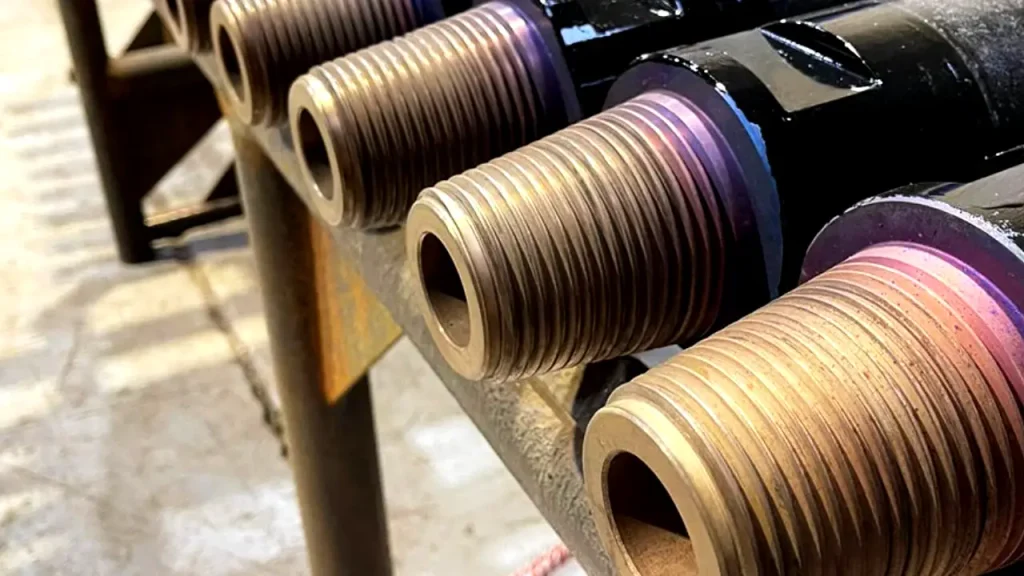
Hardening drill rods involves a process of heating and rapid cooling to change their molecular structure, making the steel much stronger and more durable for demanding applications. This thermal treatment is crucial for improving the longevity and performance of the tool.
Step 1: Pre-Heating
The first step is to pre-heat the drill rod. Slowly raise the temperature of the steel in a controlled furnace to a point just below its critical temperature. This reduces the risk of thermal shock and cracking during the final heating stage.
The pre-heating process helps to ensure a uniform temperature throughout the material. This is essential for achieving a consistent hardness across the entire length of the drill rod, preventing uneven stresses that could lead to brittleness.
Step 2: Austenitizing
Next, heat the drill rod to its austenitizing temperature, typically between 1450°F and 1550°F. Maintain this temperature for a sufficient time to allow the carbon to dissolve into the iron, forming a structure known as austenite.
This soaking period is critical because it ensures the steel is fully transformed. Proper austenitizing is necessary for the final quench to produce the desired martensitic structure, which gives the steel its superior hardness and strength.
Step 3: Quenching
After reaching the correct temperature, quickly cool the drill rod by plunging it into a quenching medium like oil or water. This rapid cooling transforms the austenite into a very hard, but brittle, structure called martensite.
The speed and medium of the quench are vital for achieving the correct hardness. A faster quench generally results in a harder steel, but also increases the risk of warping or cracking, so it must be carefully controlled.
Step 4: Tempering
The final step is tempering, where the hardened drill rod is reheated to a lower temperature, usually 300°F to 1200°F, and then air-cooled. This process reduces the brittleness of the martensite and increases the toughness.
Tempering relieves internal stresses created during quenching. This crucial step balances the steel’s hardness with its ductility and toughness, making the drill rod less susceptible to fracture and more suitable for its intended use.
How is Drill Rod Made?
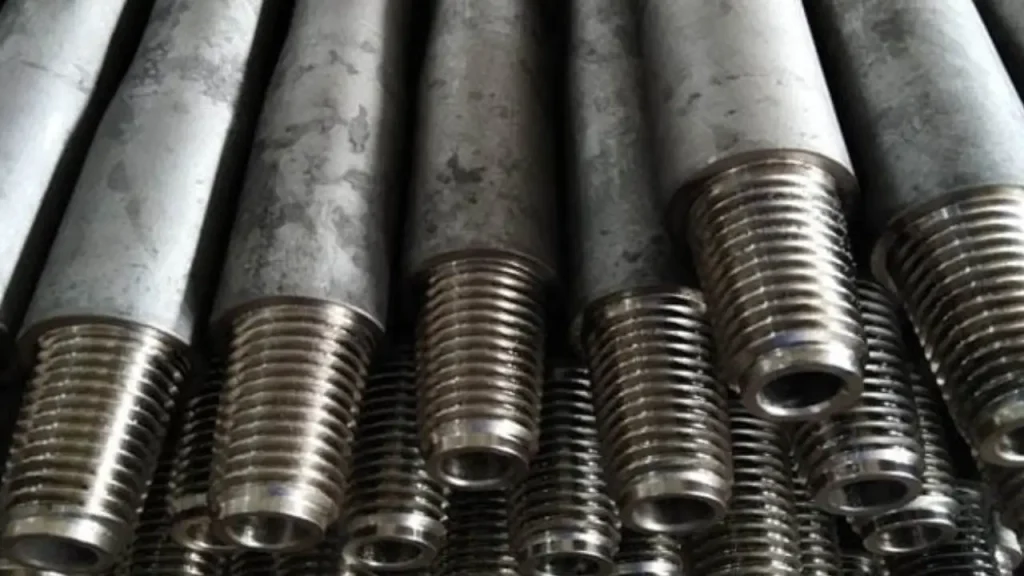
Producing a drill rod is a meticulous process that transforms raw steel into a precision-engineered component. It involves several critical stages, each contributing to the drill rod’s final strength, durability, and dimensional accuracy.
Step 1: Material Selection
The process begins with the careful selection of high-quality alloy steel. This initial choice is paramount as the steel’s specific composition will dictate the drill rod’s inherent properties, such as its hardness, toughness, and resistance to fatigue and wear. Different applications demand different steel grades, ensuring the final product meets stringent performance requirements for its intended use.
Once selected, the raw steel undergoes a heating process, typically in a furnace, to reach a malleable state suitable for shaping. This controlled heating ensures that the steel is uniformly softened, preparing it for the subsequent forging or rolling operations. The temperature and duration of this heating phase are precisely monitored to prevent any structural damage or undesirable changes to the steel’s properties.
Step 2: Shaping and Forming
After heating, the steel is shaped into a rod through various forming methods. Forging involves hammering or pressing the hot steel into the desired approximate shape, which helps to refine the grain structure and improve the mechanical properties of the material.
Alternatively, the steel might be hot-rolled, passing through a series of rollers that progressively reduce its diameter and elongate it into a rod.
Following the initial shaping, the rods often undergo a cold drawing or cold rolling process. This involves pulling or rolling the steel at room temperature, which further refines its dimensions, improves surface finish, and significantly enhances its tensile strength and hardness. This cold working stage is crucial for achieving the tight tolerances required for high-precision drill rods.
Step 3: Heat Treatment
Heat treatment is a critical step that significantly enhances the mechanical properties of the drill rod. This typically involves heating the shaped rods to a specific temperature, often above their critical point, and then rapidly cooling them in a process called quenching. The quenching medium can vary, such as water, oil, or air, depending on the desired hardness and the specific steel alloy.
Following quenching, the rods undergo tempering. This involves reheating the hardened steel to a lower temperature and then allowing it to cool slowly. Tempering reduces brittleness, improves toughness, and relieves internal stresses caused by quenching, all while retaining a substantial level of hardness, making the drill rod more durable and less prone to breakage during use.
Step 4: Finishing and Inspection
The final stage involves precision finishing and rigorous quality inspection. The drill rods are often ground using abrasive wheels to achieve extremely tight dimensional tolerances and a smooth surface finish. Polishing may also be employed to further enhance the surface quality, reducing friction and wear during operation.
Each finished drill rod undergoes thorough inspection to ensure it meets all specified requirements. This includes checks for dimensional accuracy, surface integrity, hardness, and straightness. Non-destructive testing methods might also be used to detect any internal flaws, guaranteeing that only reliable drill rods are supplied for demanding industrial applications.
Conclusion
Understanding drill rods is crucial for anyone involved in drilling operations. From their fundamental composition to their specialized designs and applications, these tools are integral to achieving efficient and precise results across various industries.
Choosing the right drill rod significantly impacts performance and safety. By considering factors like material, type, and specific drilling requirements, you can optimize your operations and prolong tool life.
For reliable drill rods, consider Sinodrills. We offer a comprehensive range of wholesale drill hammer rods designed for durability and superior performance, ensuring your drilling projects are a success.