
Drill bit pressure plays a vital role in rock drilling performance and efficiency. It refers to the force applied to a drill bit as it penetrates rock formations. Proper pressure ensures faster drilling, reduced wear, and improved accuracy, making it essential for mining, construction, and exploration projects worldwide.
Understanding how drill bit pressure works helps operators prevent equipment damage and costly downtime. Too much pressure can cause premature bit failure, while too little reduces drilling speed. Balancing this force correctly improves penetration rates, extends tool lifespan, and enhances overall productivity in demanding rock drilling conditions.
What is Drill Bit Pressure?
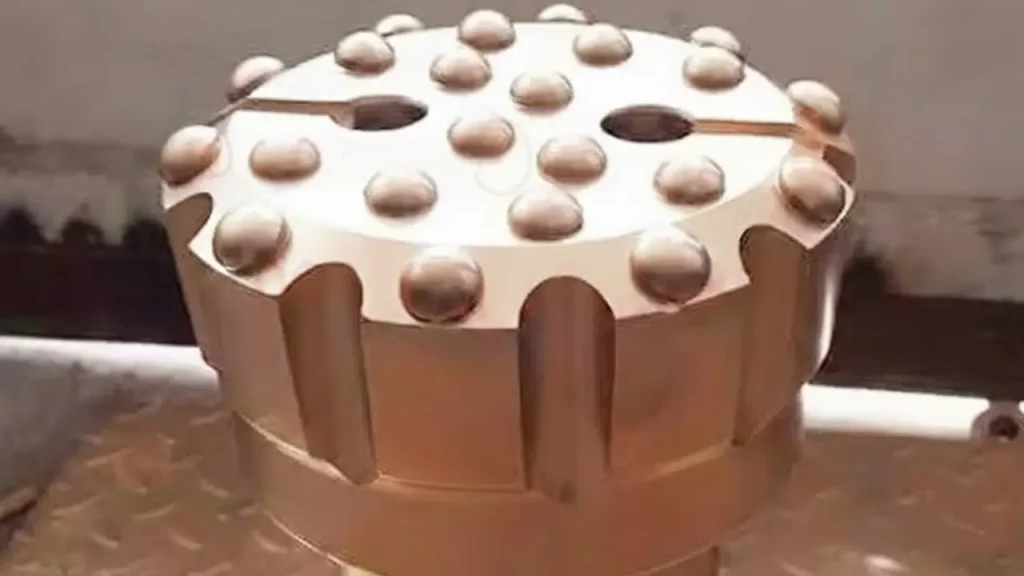
Drill bit pressure, also known as weight on bit (WOB), is the downward force applied to a drill bit during drilling operations. It directly affects penetration rate, cutting efficiency, and bit wear. Proper drill bit pressure ensures optimal performance, prevents damage, and improves overall drilling productivity in rock formations.
How to Measure Drill Bit Pressure?
Measuring drill bit pressure is essential for maintaining safe and efficient rock drilling operations. Accurate monitoring helps optimize penetration rates, reduce equipment wear, and prevent costly breakdowns.
By following a clear step-by-step process and using proper instruments, operators can ensure consistent performance in demanding drilling conditions.
Tools Needed:
- Weight on Bit (WOB) sensor
- Load cell system
- Hydraulic pressure gauge
- Drill rig control panel
- Data monitoring software
Step 1: Install and Calibrate the Weight on Bit Sensor
Proper installation of the weight on bit sensor is the first step in measuring drill bit pressure accurately. The sensor should be mounted securely within the drill string or rig system. Correct placement ensures reliable force readings during active drilling operations under various conditions.
Calibration must be completed before drilling begins to guarantee precise measurements. Operators should follow manufacturer guidelines to zero the system and verify baseline readings. Regular calibration checks prevent data errors and ensure consistent pressure monitoring throughout the entire drilling process cycle.
Step 2: Monitor Hydraulic Pressure Readings
Hydraulic pressure gauges provide indirect measurement of drill bit pressure through system force analysis. Operators must carefully observe gauge readings on the drill rig control panel. Stable and consistent values indicate proper force application during rock penetration and active drilling operations.
Fluctuating hydraulic readings may signal uneven weight distribution or formation changes below surface. By recording these values regularly, operators can detect pressure variations early. Timely adjustments help maintain optimal drilling efficiency and reduce unnecessary stress on drill bits and equipment components.
Step 3: Analyze Real-Time Data from Control Systems
Modern drill rigs use digital control panels and monitoring software to track drill bit pressure continuously. These systems collect weight on bit data and display real time measurements. Operators can review this information instantly to evaluate drilling performance and system stability.
Careful analysis of collected data helps identify trends, irregular patterns, or sudden pressure spikes. Consistent monitoring allows quick corrective actions before damage occurs. Using data driven decisions improves penetration rates, enhances safety standards, and extends overall drill bit service life significantly.
Different Drill Bit Pressure Levels
Drill bit pressure levels vary depending on rock hardness, drilling depth, and equipment capacity. Applying the correct weight on bit (WOB) is critical for maintaining drilling efficiency and protecting tools from premature wear.
Understanding different pressure ranges helps operators achieve balanced penetration and stable drilling performance.
Selecting the appropriate pressure level ensures better control, reduced vibration, and improved cutting action. Too little pressure slows progress, while too much can damage drill bits and drill strings. By identifying pressure categories and their applications, operators can optimize drilling results across various rock formations.
Low Drill Bit Pressure
Low drill bit pressure is typically used when drilling through soft or fractured rock formations. This level minimizes stress on the drill bit and reduces the risk of over-penetration. It is ideal for shallow holes or when precision is more important than speed during drilling operations.
Applying low pressure helps maintain stability in loose ground conditions. It also reduces vibration and energy consumption, making it suitable for lighter drilling equipment. However, penetration rates may be slower compared to higher pressure settings in harder formations.
Medium Drill Bit Pressure
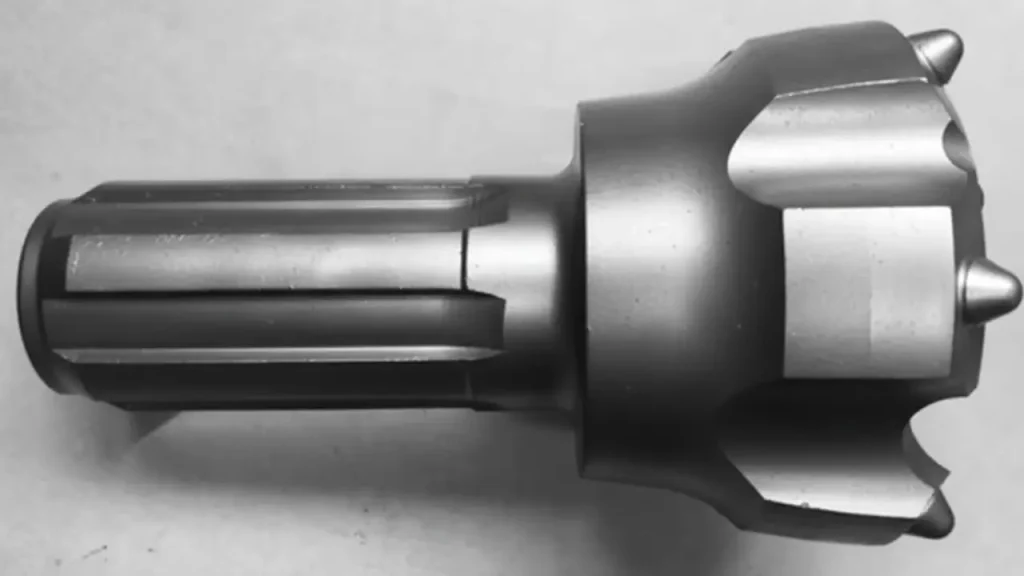
Medium drill bit pressure is commonly applied in moderately hard rock formations. It provides a balance between penetration speed and equipment durability. This pressure level ensures steady cutting performance without placing excessive strain on the drill bit or drill rig components.
Using medium pressure improves drilling efficiency while maintaining controlled wear rates. It is often recommended for general construction and quarry operations. Operators can achieve consistent hole quality and extended bit lifespan when pressure is properly monitored and adjusted.
High Drill Bit Pressure
High drill bit pressure is required for drilling extremely hard or abrasive rock formations. This level increases penetration force and enhances cutting efficiency in demanding environments. It is commonly used in mining and deep exploration projects requiring strong, heavy duty drill bits.
While high pressure improves drilling speed in tough conditions, it also increases wear on equipment. Careful monitoring is essential to prevent overheating, excessive vibration, and bit failure. Proper control ensures maximum productivity without compromising safety or tool longevity.
Different drill bit pressure ratings:
| Pressure Level | Rock Type Suitable | Penetration Speed | Equipment Wear | Common Applications |
|---|---|---|---|---|
| Low Pressure | Soft, fractured rock | Slow to Moderate | Low | Shallow drilling, precision work |
| Medium Pressure | Medium-hard rock | Moderate | Moderate | Construction, quarrying |
| High Pressure | Hard, abrasive rock | Fast | High | Mining, deep exploration |
How to Choose Suitable Drill Bit Pressure?
Improper pressure selection can lead to slow drilling progress or premature drill bit failure. By analyzing key technical and environmental factors, operators can determine the most suitable pressure range. A systematic approach helps improve productivity while minimizing downtime and maintenance costs across different drilling applications.
Selecting the right drill bit pressure is essential for efficient drilling, extending tool life, and ensuring safety. Too much or too little pressure can damage the bit, reduce drilling speed, and affect hole quality. Knowing your material, drill type, and project needs helps you find the optimal pressure.
- Consider Material Hardness: Hard materials like concrete or granite require higher pressure to penetrate effectively, while softer materials such as wood or plastic need lighter pressure to prevent cracking or chipping. Adjusting pressure ensures smoother drilling and protects both bit and material.
- Match Pressure to Drill Type: Different drill bits handle varying pressures. Carbide-tipped or rotary hammer bits can tolerate higher pressure, while standard twist bits need gentler handling. Using compatible pressure maximizes efficiency and prolongs bit life.
- Factor in Drill Speed: High-speed drilling often requires lower pressure to avoid overheating and wear, whereas low-speed drilling may need higher pressure for penetration. Balancing speed and pressure ensures consistent hole quality and prevents tool damage.
- Adjust Based on Hole Size: Larger diameter holes typically require more pressure, while smaller holes need precision and lighter pressure. Correctly adapting pressure to hole size improves control, prevents wobbling, and results in cleaner, accurate holes.
- Consider Cooling and Lubrication: Using water, oil, or other coolants reduces friction and heat buildup. Proper lubrication allows higher pressures without overheating, protects bit edges, and ensures smoother drilling while preventing premature failure.
Conclusion
Drill bit pressure is more than just applied force—it is the key to achieving efficient, safe, and cost-effective rock drilling. By carefully managing pressure levels, operators can maximize penetration rates while minimizing wear on drill bits and equipment. Proper control ensures smoother operations and reduces unexpected breakdowns in challenging drilling environments.
Selecting the right drill bit and applying the correct pressure go hand in hand. High-quality heavy-duty drill bits are specifically designed to withstand intense loads and harsh rock formations. When paired with optimized pressure settings, they deliver consistent performance, improved durability, and better overall drilling results.
If you are looking for reliable and durable solutions, get wholesale drill bits for rock drilling from our Sinodrills. We provide drill bits engineered for strength, precision, and long service life. Contact Sinodrills today to enhance your drilling efficiency with trusted, high-performance products.