
Drill rods and drill pipes are essential components in drilling operations, yet they serve different purposes and suit different working conditions. Understanding their structural design, materials, and performance helps contractors choose the right tool, improve efficiency, and reduce equipment failure across mining, construction, and geotechnical drilling projects worldwide today.
Although both transmit torque and drilling fluid, drill rods and drill pipes differ in strength, connection types, and application depth. This guide clearly explains their key differences, typical uses, and selection factors, helping buyers, engineers, and operators make informed decisions when sourcing drilling tools for specific ground conditions.
What are Drill Rods?
Recommended Drill Rods
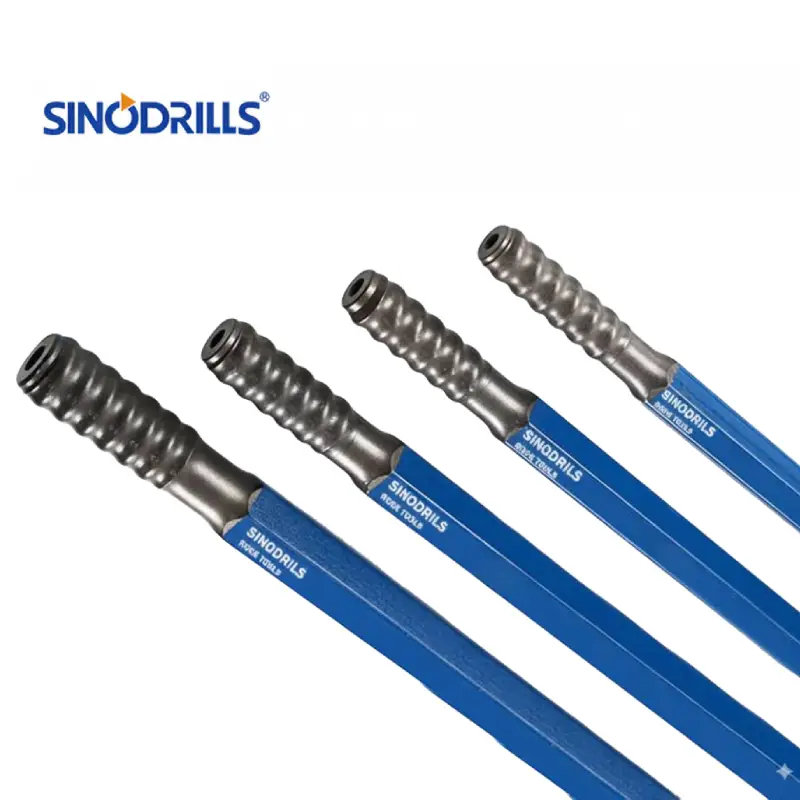
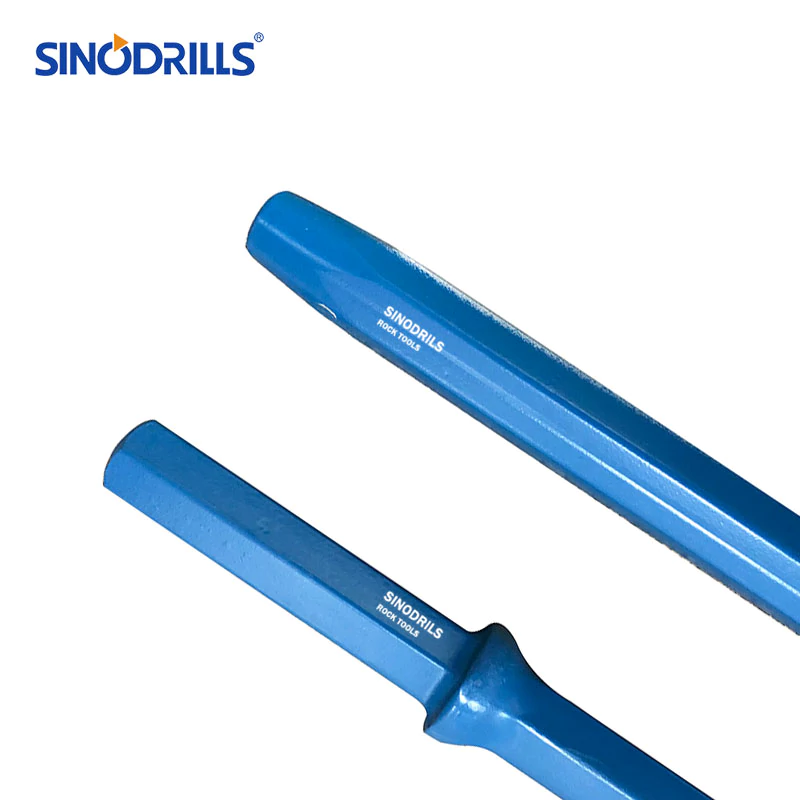
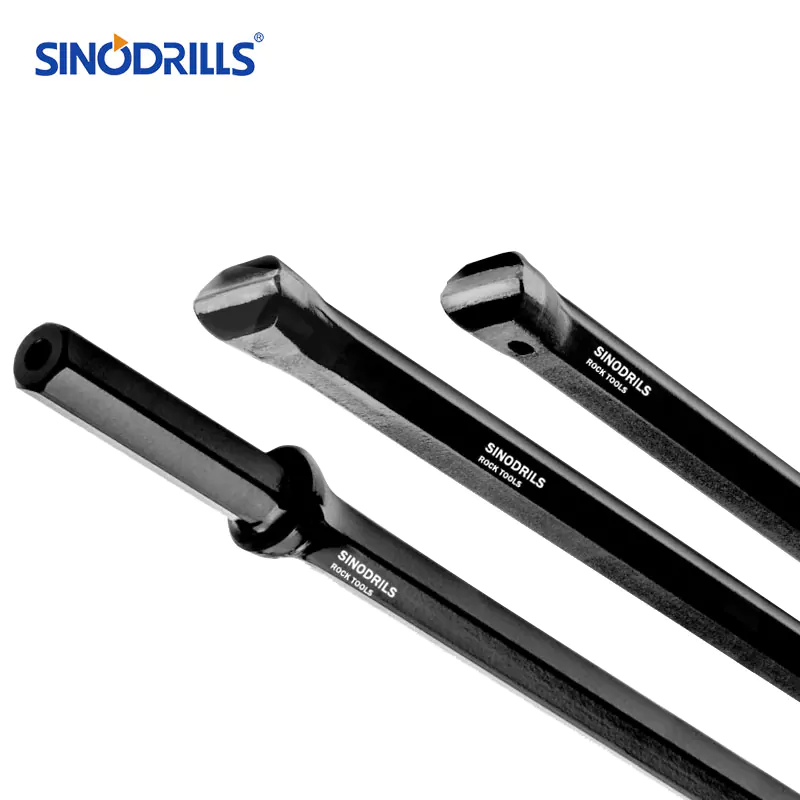
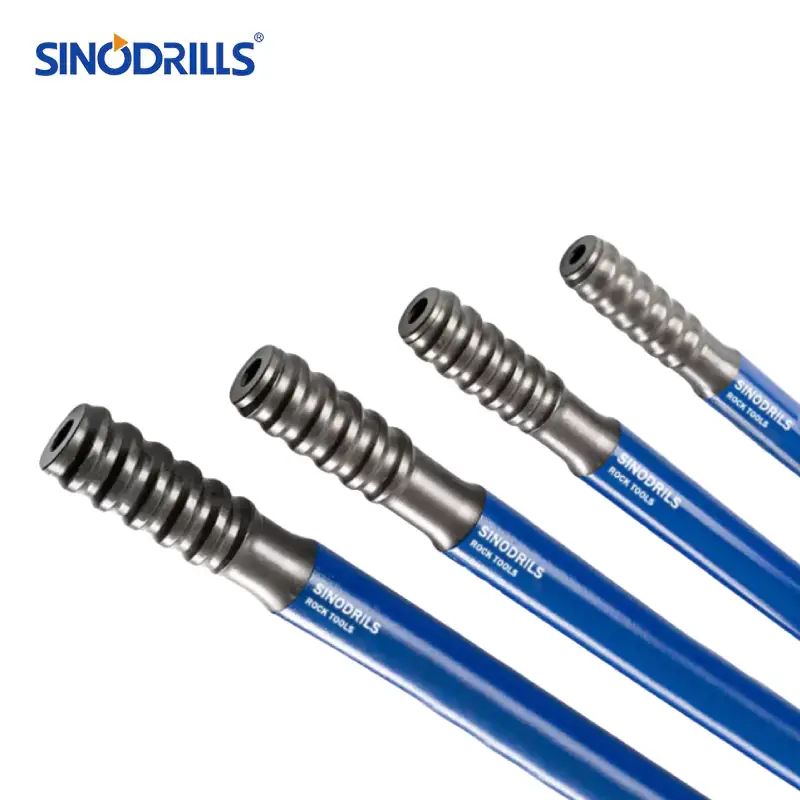
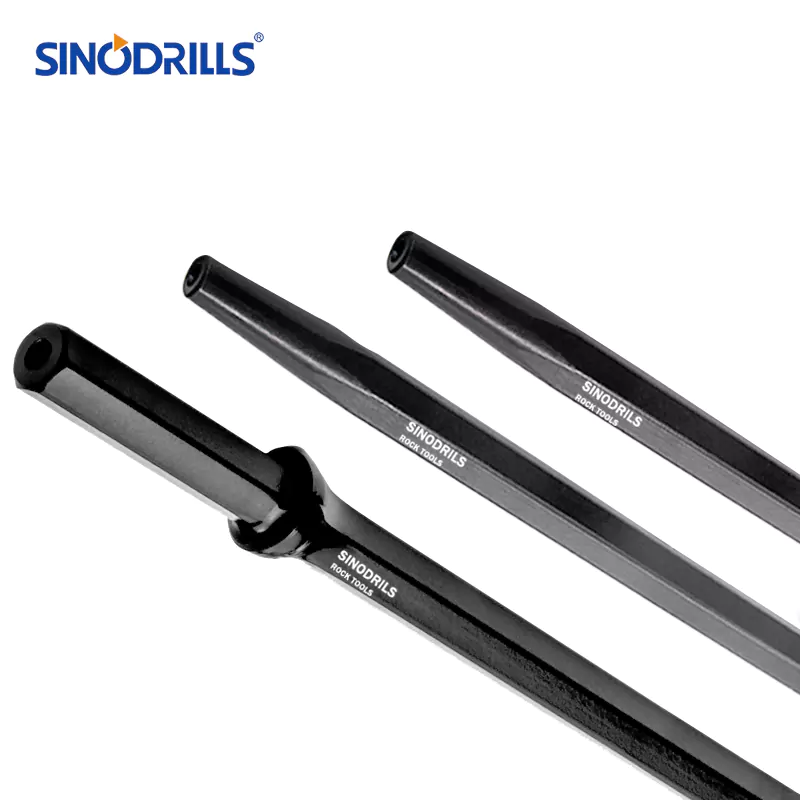
Drill rods are solid or hollow steel rods used to transmit rotation, impact energy, and thrust from the drilling machine to the drill bit. They are widely used in mining, quarrying, geotechnical investigation, and construction drilling, especially for shallow to medium-depth holes requiring stability, accuracy, and consistent drilling performance.
Benefits of Drill Rods
- High Strength and Durability – Drill rods are made from alloy or carbon steel with proper heat treatment, enabling them to withstand repeated impact, bending, and torsional stress while reducing breakage, extending service life, and lowering overall replacement and maintenance costs during drilling operations.
- Accurate Power Transmission – The rigid structure of drill rods ensures efficient transfer of rotation and impact energy from the drill rig to the drill bit, helping maintain straight hole alignment, improve penetration efficiency, and deliver consistent drilling results in various ground conditions.
- Reliable Thread Connections – Precisely machined threads provide secure and stable connections between rod sections, minimizing energy loss, reducing the risk of loosening or thread damage, and allowing smooth assembly and disassembly during frequent rod changes on site.
- Wide Application Compatibility – Drill rods are compatible with multiple drilling methods, including top hammer, DTH, and rotary drilling, making them suitable for mining exploration, foundation work, anchoring, and geotechnical projects across different rock and soil formations.
What are Drill Pipes?
Recommended Drill Pipes
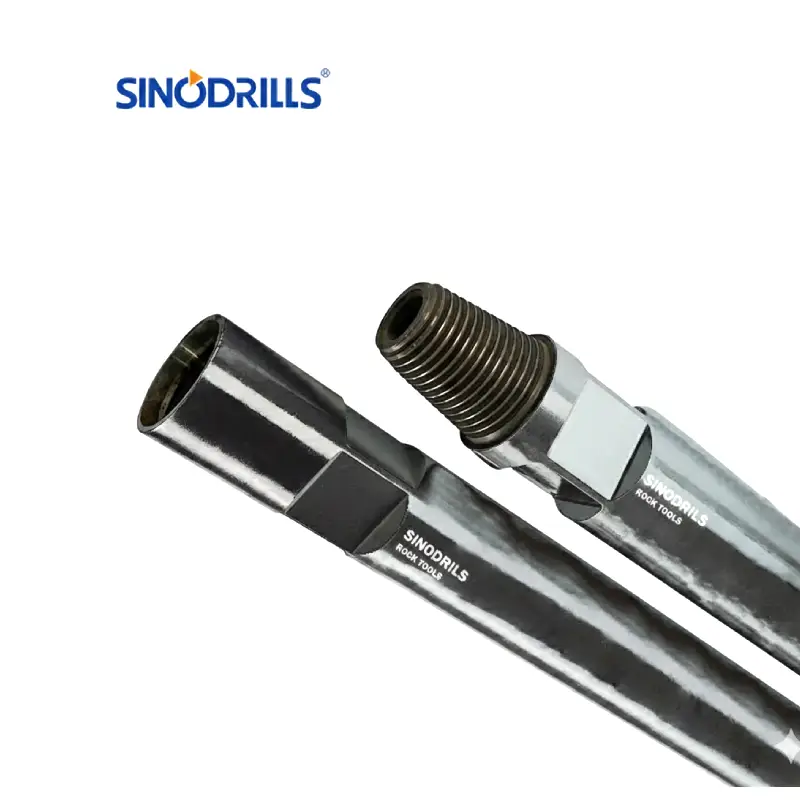
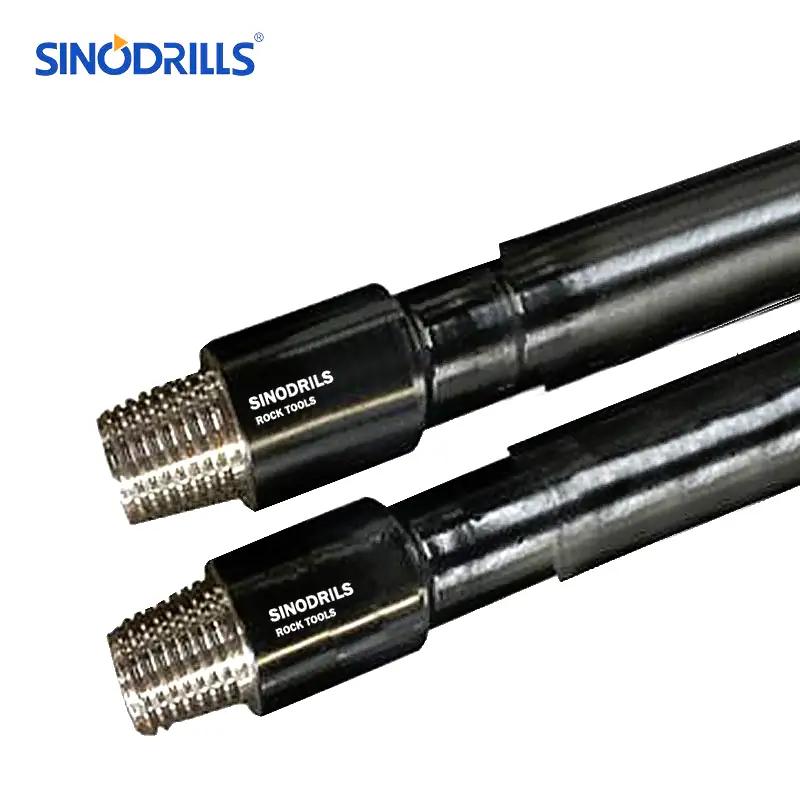
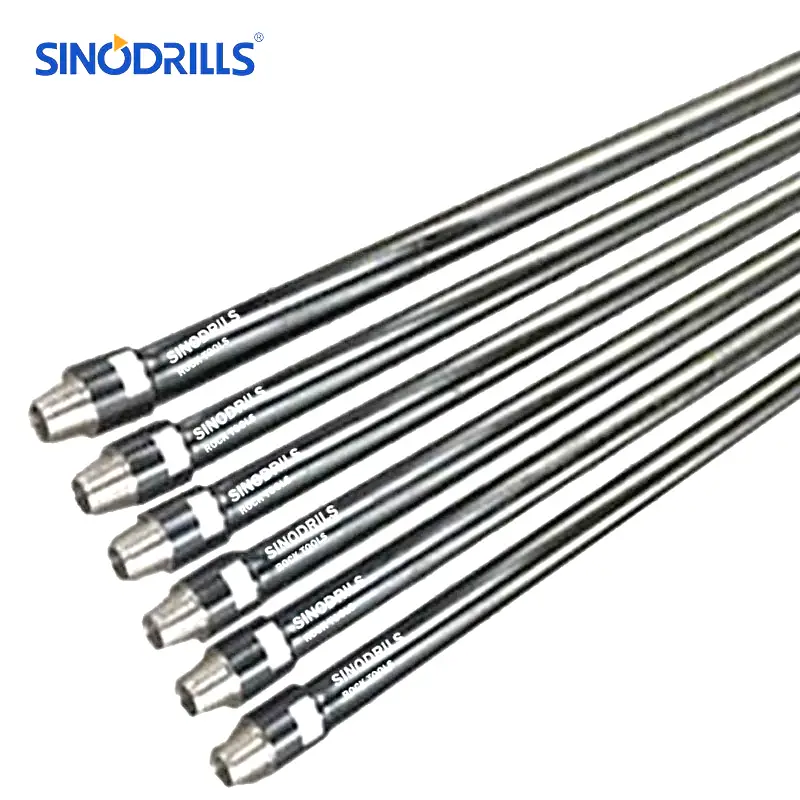
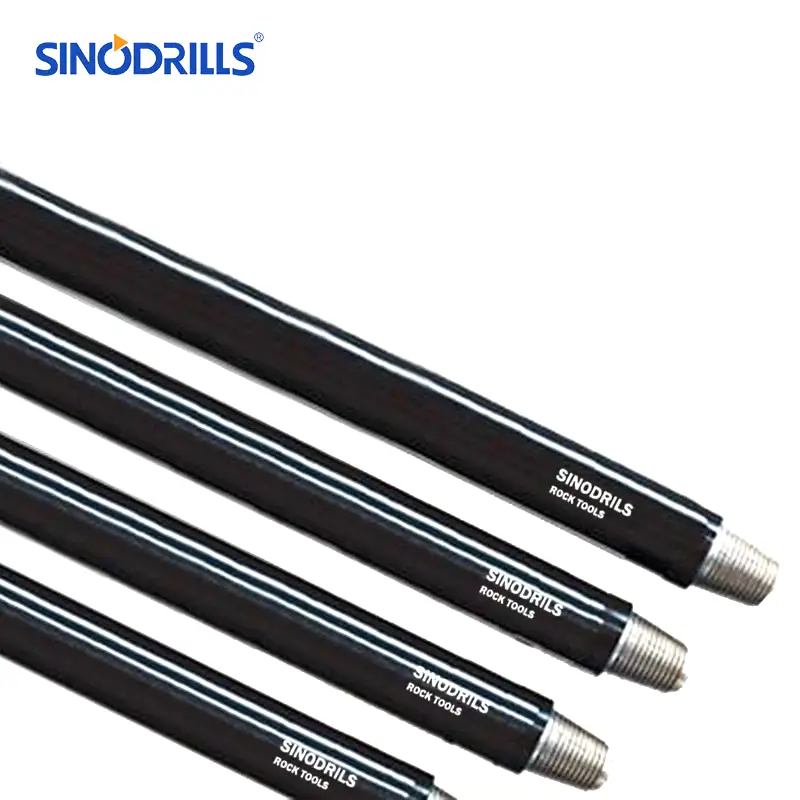
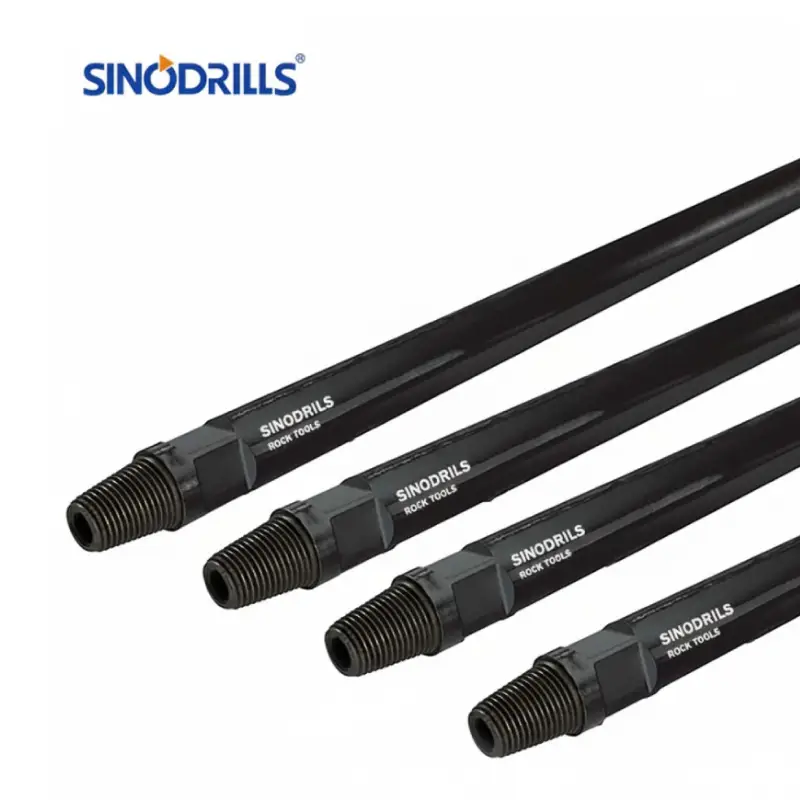
Drill pipes are hollow steel tubes designed to transmit rotary power, torque, and drilling fluid from the drilling rig to the drill bit. They are mainly used in deep-hole drilling applications such as oil and gas, water well drilling, mining, and large-scale foundation projects requiring high load capacity.
Benefits of Drill Pipes
- Efficient Fluid Circulation – The hollow structure of drill pipes allows drilling fluid or air to flow directly through the pipe to the drill bit, improving cuttings removal, cooling the bit, stabilizing the borehole, and maintaining smooth, continuous drilling in deep or complex formations.
- High Torque and Load Capacity – Drill pipes are engineered to handle heavy axial loads and high torque during deep drilling operations, reducing the risk of deformation or failure and ensuring stable performance under demanding working conditions.
- Strong and Secure Connections – Precision-engineered tool joints and threaded connections provide excellent sealing and strength, minimizing leakage, preventing connection failure, and ensuring reliable power transmission throughout long drill strings.
- Suitable for Deep Drilling Applications – Drill pipes are ideal for deep and long-distance drilling projects, including oil and gas wells, geothermal drilling, and water wells, where strength, fluid control, and durability are critical to operational success.
Drill Rod vs Drill Pipe
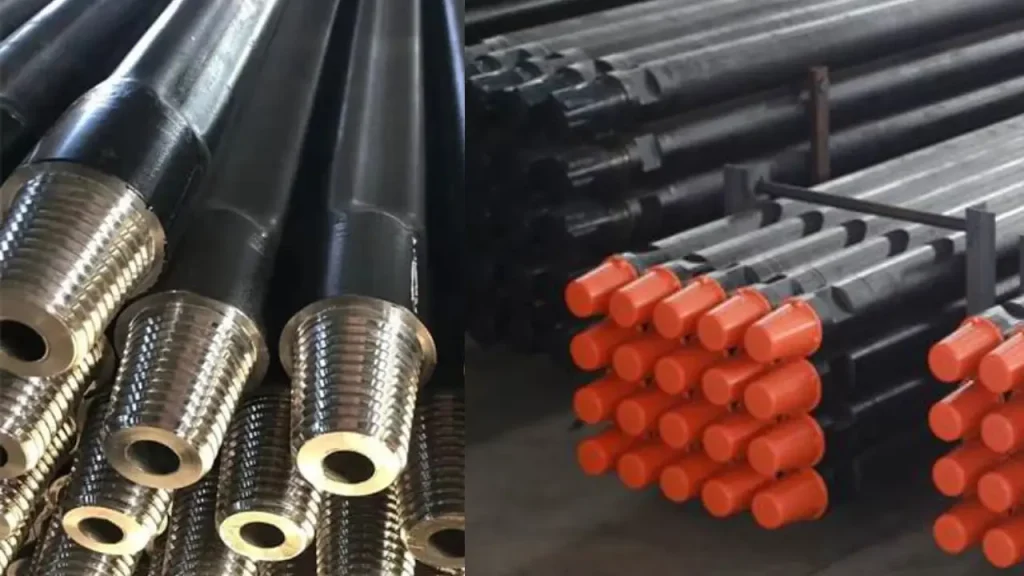
Drill rods and drill pipes are both critical drilling tools, but they are designed for different operating depths, loads, and drilling methods. Understanding their differences helps contractors, engineers, and buyers select suitable equipment, improve drilling efficiency, and reduce operational risks across mining, construction, water well, and energy-related drilling projects.
Structural Design
Drill rods are usually solid or thick-walled components designed to transmit impact and rotation efficiently. Their rigid structure makes them suitable for applications requiring precision, especially in shallow to medium-depth drilling operations with frequent impact loads.
Drill pipes are hollow tubes that allow fluid or air circulation through the center. This design supports continuous drilling fluid flow, making drill pipes more suitable for deep drilling where cuttings removal, cooling, and borehole stability are essential.
Application Depth
Drill rods are commonly used for shallow and medium-depth drilling projects. They perform well in mining exploration, anchoring, tunneling, and construction work where accuracy and control are more important than extreme depth.
Drill pipes are designed for deep and long-distance drilling operations. They are widely used in oil and gas drilling, water wells, geothermal projects, and large foundation works that require extended drill strings.
Load and Torque Capacity
Drill rods handle moderate torque and axial loads effectively. Their strength is optimized for impact energy transfer rather than sustained heavy rotational stress, making them suitable for top hammer and similar drilling systems.
Drill pipes are engineered to withstand high torque and heavy axial loads over long drilling intervals. This makes them reliable for rotary drilling systems that operate continuously under demanding conditions.
Connection Types
Drill rods typically use threaded connections that are easy to assemble and disassemble. These connections support efficient impact energy transfer while maintaining alignment during repeated drilling cycles.
Drill pipes use specialized tool joints and precision threads. These connections provide strong sealing, prevent leakage, and maintain stability across long drill strings subjected to high torque and pressure.
Typical Drilling Methods
Drill rods are widely used in top hammer, DTH, and anchoring drilling methods. Their rigidity and strength help achieve straight holes and controlled penetration in hard rock or mixed ground conditions.
Drill pipes are mainly used in rotary drilling systems. Their hollow structure supports fluid circulation, making them ideal for drilling methods that rely on mud, water, or air for cuttings removal.
Here are some differences between drill rods and drill pipes:
| Aspect | Drill Rods | Drill Pipes |
|---|---|---|
| Structural Design | Solid or thick-walled rods | Hollow steel tubes |
| Typical Depth | Shallow to medium depth | Medium to deep drilling |
| Torque Capacity | Moderate torque | High torque |
| Fluid Circulation | Limited or external | Internal fluid flow |
| Common Applications | Mining, anchoring, construction | Oil & gas, water wells, geothermal |
| Drilling Method | Top hammer, DTH | Rotary drilling |
How to Choose Drill Rods and Drill Pipes?
Choosing the right drill rods or drill pipes depends on drilling depth, ground conditions, equipment type, and project requirements. A proper selection improves drilling efficiency, reduces tool wear, and lowers operational risk. Understanding key selection factors helps contractors and buyers match drilling tools to specific applications and working environments.
- Drilling Depth and Application – Shallow or medium-depth projects such as mining exploration and anchoring usually require drill rods for better impact transfer and control, while deep drilling applications like water wells or oil and gas operations need drill pipes to handle extended lengths and continuous drilling loads.
- Drilling Method and Rig Compatibility – Always match drill rods or drill pipes to the drilling system being used, such as top hammer, DTH, or rotary drilling. Proper compatibility ensures efficient energy transmission, stable operation, and prevents premature failure caused by mismatched equipment.
- Load and Torque Requirements – Evaluate the expected torque, axial load, and impact force during drilling. Drill rods suit moderate torque and impact-focused drilling, while drill pipes are designed for high torque and heavy loads in long, continuous drilling operations.
- Material and Manufacturing Quality – Choose drill rods and drill pipes made from qualified alloy steel with proper heat treatment and precision machining. Consistent material quality improves wear resistance, thread strength, and overall service life under harsh drilling conditions.
- Connection Type and Thread Design – Reliable threaded connections are critical for safe and efficient drilling. Select drill rods or drill pipes with well-designed threads or tool joints that provide strong sealing, easy assembly, and resistance to loosening during operation.
Conclusion
Choosing between drill rods and drill pipes depends on drilling depth, load requirements, and project conditions. Drill rods are ideal for shallow, precise drilling, while drill pipes perform better in deep, high-torque operations. Knowing these differences helps reduce downtime, extend tool life, and control overall drilling costs.
Material quality and manufacturing standards also play a major role in performance. Well-made drill rods and drill pipes provide better wear resistance, stable connections, and consistent power transmission. Selecting reliable suppliers ensures safer operations and dependable results, especially in demanding drilling environments where equipment failure can be costly.
If you are looking to get wholesale drill rods and drill pipes, Sinodrills offers a wide range of specifications to meet different drilling needs. With stable quality, competitive pricing, and professional support, Sinodrills helps you source dependable drilling tools for long-term, efficient project success.