
Forepoling drilling is a critical technique used in mining and tunneling to ensure ground stability and safety. By pre-supporting the rock or soil ahead of excavation, it prevents collapses and protects workers. This method is especially important in unstable or fractured rock conditions.
The process involves inserting poles or pipes into the rock face before drilling progresses. These supports reinforce weak zones and guide subsequent excavation safely. Forepoling drilling combines careful planning, specialized equipment, and precise execution to maintain structural integrity while optimizing efficiency in complex underground projects.
What is the Forepoling System?
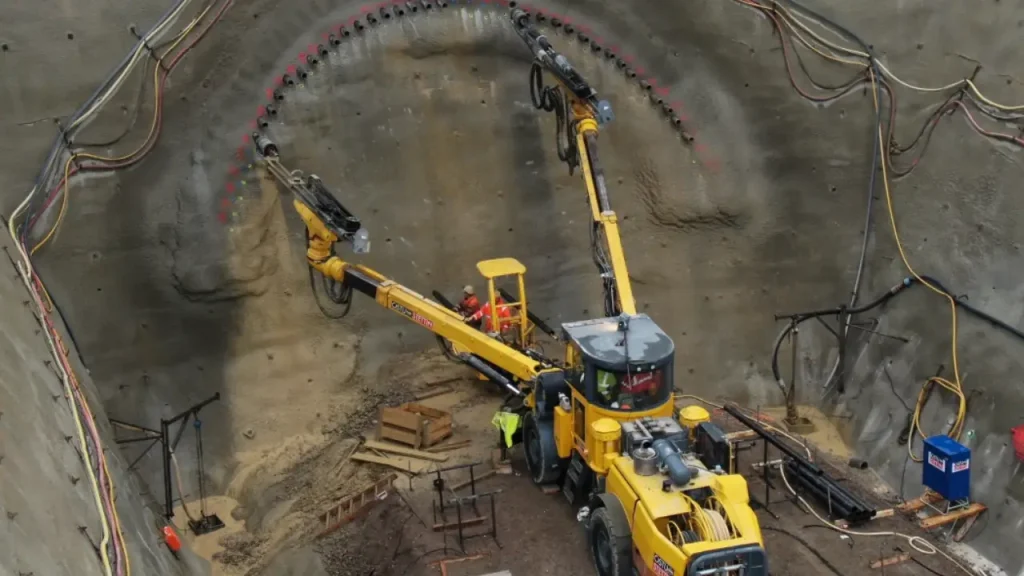
The forepoling system is a pre-support method used in tunneling and underground excavation to stabilize weak or fractured rock.
It involves installing steel or timber poles ahead of the excavation face to reinforce the ground. This system enhances safety, prevents collapses, and allows smoother progress by supporting unstable zones before drilling or blasting begins.
Forepoling System Components
The Forepoling System consists of specialized tools and materials designed to support unstable ground during tunneling. Each component plays a crucial role in ensuring safety, stability, and efficient excavation. Proper selection and installation of these parts is essential for optimal system performance.
- Poles or Pipes – These are the primary support elements inserted into the ground ahead of excavation. They reinforce weak zones and prevent collapses. Poles are typically made of steel or timber, providing high strength and durability. Correct placement ensures the excavation face remains stable throughout drilling operations.
- Clamping or Bracing Devices – Braces secure the poles in position, maintaining alignment and load distribution. They prevent movement under pressure and ensure the poles effectively transfer forces from unstable ground. Proper bracing reduces the risk of system failure and improves excavation safety.
- Drilling Equipment – Specialized drilling rigs or hand drills create the holes for forepoling poles. These tools must be precise and adaptable to various ground conditions. Efficient drilling ensures minimal disturbance to surrounding rock and accurate placement of support elements.
- Protective Plates or Shields – Plates or shields cover the exposed excavation face, distributing pressure and protecting workers. They work in combination with poles to stabilize loose rock and soil. Using appropriate shields enhances safety and prevents material collapse during tunneling.
- Anchoring Systems – Anchors fix poles and braces firmly into the ground. They provide additional stability in challenging formations and prevent shifting under load. Anchoring ensures that the forepoling system remains effective, even in highly fractured or soft rock conditions.
Self Drilling Anchor System for Forepoling Drilling
Recommended Self Drilling Anchor Systems
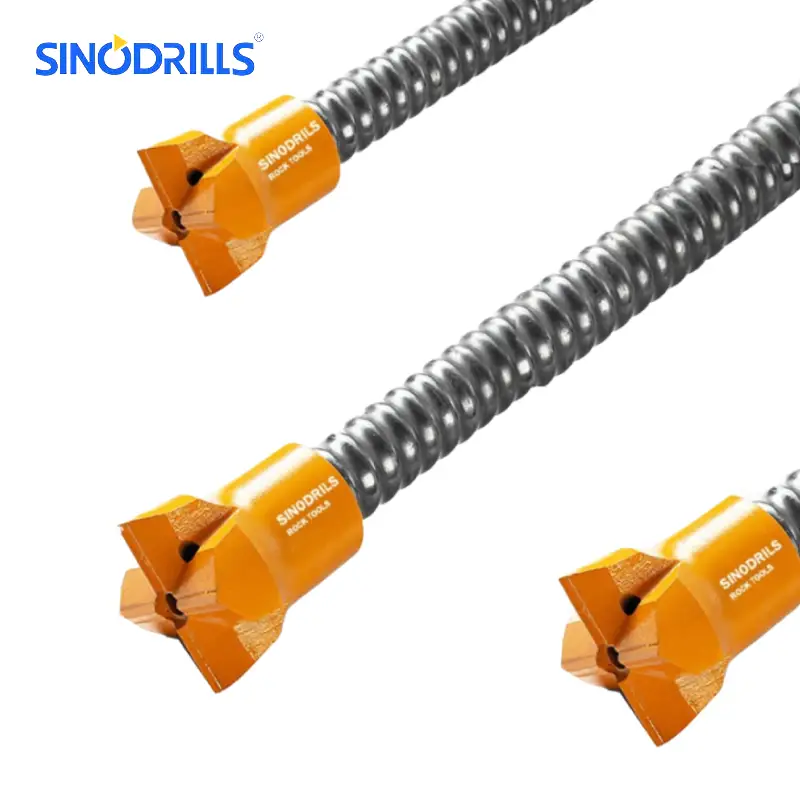
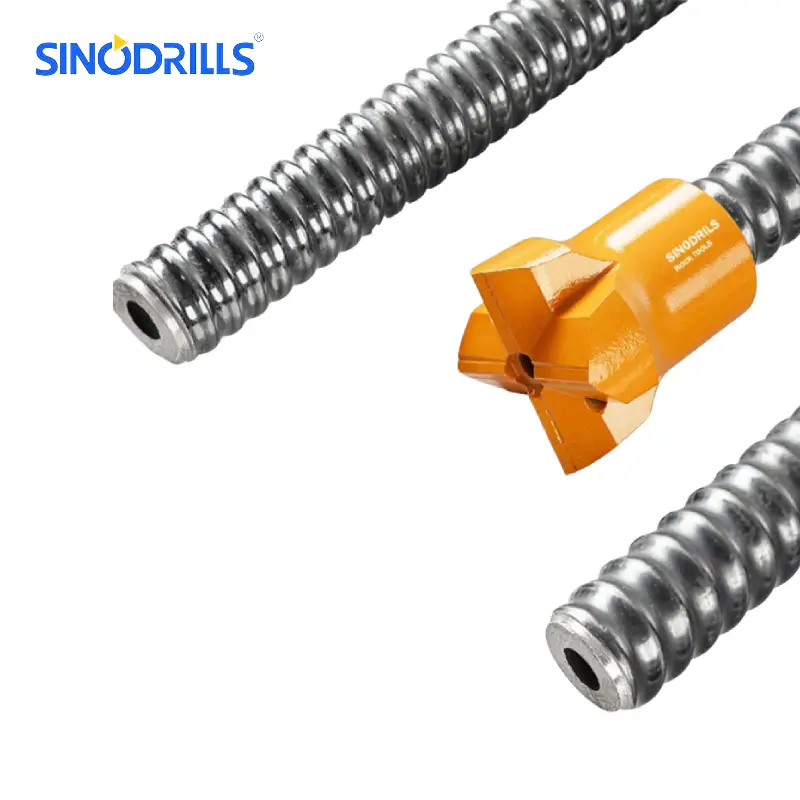
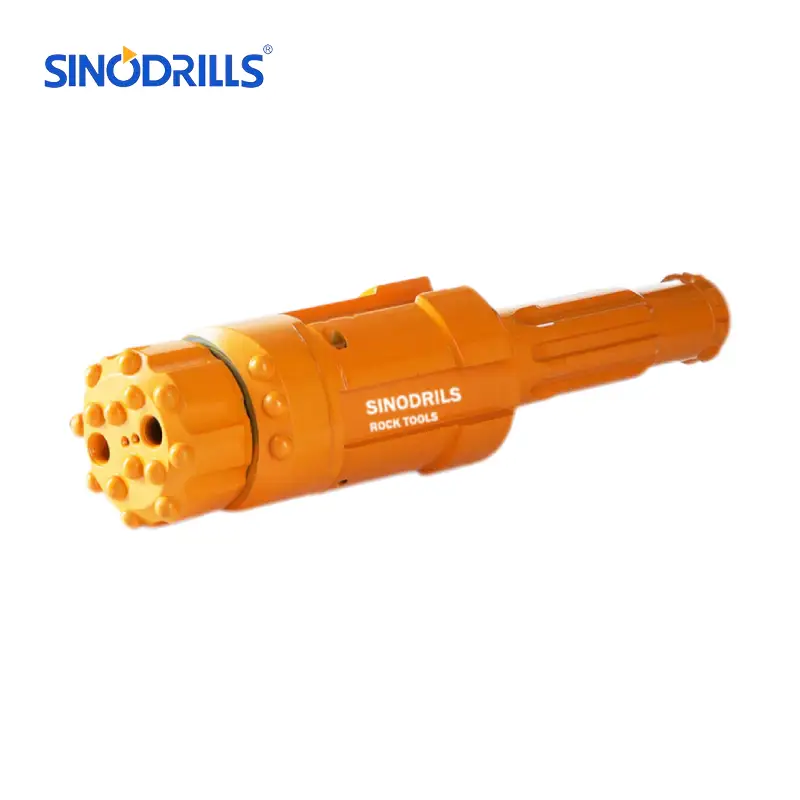
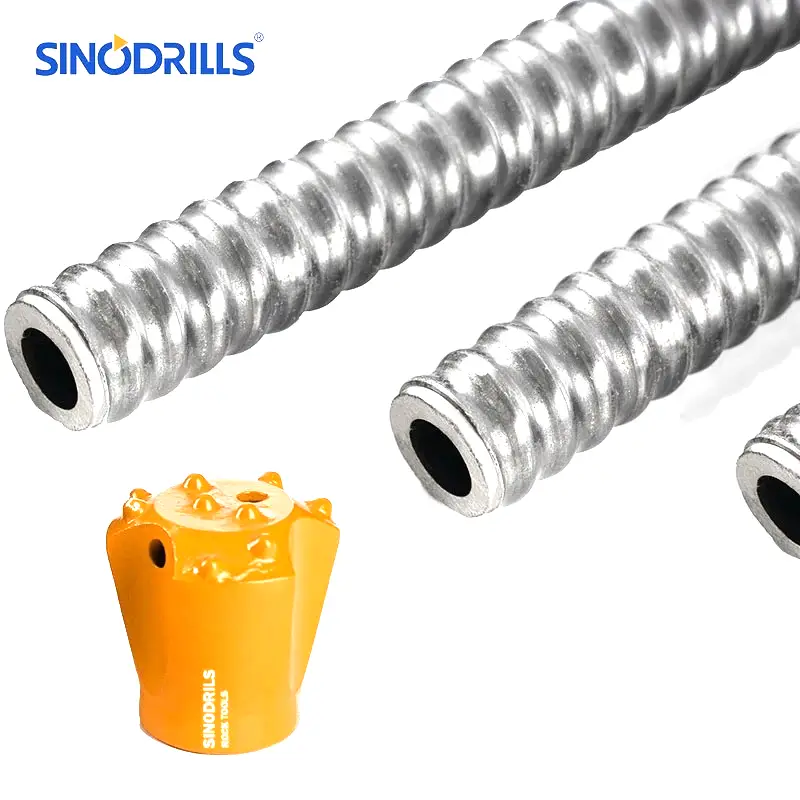

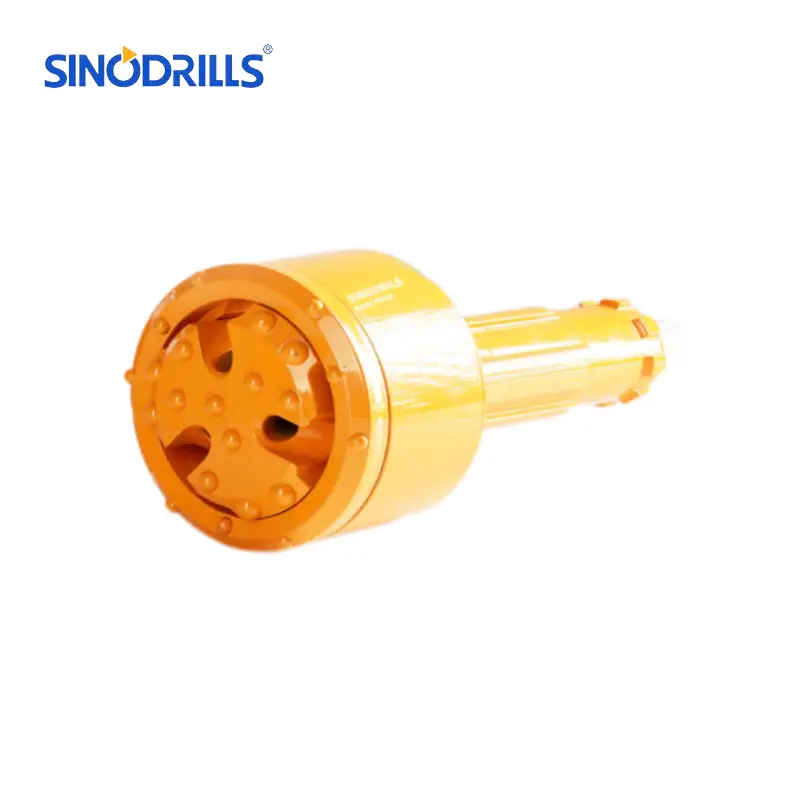
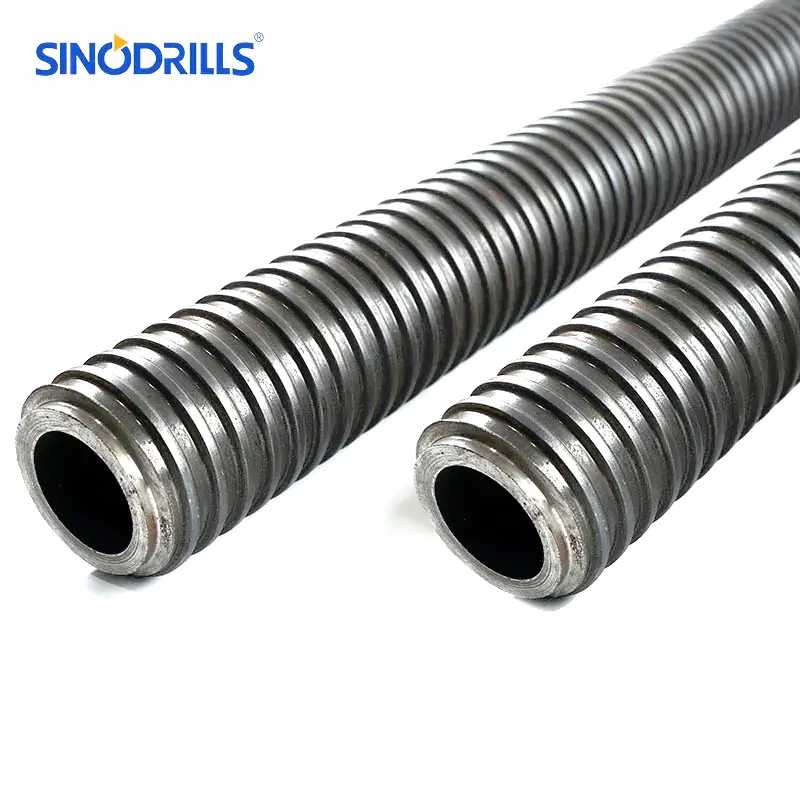
The self drilling anchor system is a modern solution for forepoling drilling, combining drilling and anchoring in a single operation. It stabilizes weak rock or soil efficiently, reducing installation time and improving safety. This system is widely used in tunneling and underground construction projects.
- Self-Drilling Anchors (SDAs) – These anchors combine a drill bit and hollow steel rod, allowing simultaneous drilling and grouting. They provide immediate ground support and adapt to varying geological conditions. SDAs reduce the need for separate drilling and anchoring steps, improving project efficiency.
- Grouting Materials – Grout is injected through the hollow anchor to fill voids and bond the anchor to surrounding rock. Proper grouting increases load-bearing capacity and reinforces unstable zones. The quality and technique of grouting directly impact system reliability.
- Anchor Plates or Washers – These components transfer the anchor load to the rock or soil surface, ensuring stability. They prevent anchor pull-out and distribute pressure evenly. Correct placement and sizing of plates are critical for effective forepoling support.
- Tensioning Equipment – Hydraulic jacks or manual tensioners apply the required load to anchors after installation. Controlled tensioning improves ground reinforcement and maintains long-term stability. Proper tensioning ensures that the system can withstand excavation pressures safely.
- Protective Casing or Sleeves – These are used in weak or loose ground to guide the anchor and prevent collapse during drilling. Casings help maintain anchor alignment and protect surrounding rock. They are particularly important in fractured or soft ground conditions.
How Does Forepoling Drilling System Work
Forepoling drilling stabilizes weak ground ahead of excavation by installing support elements before tunneling or drilling continues. This system prevents collapses, ensures worker safety, and allows smooth progress. It combines precise drilling, proper pole placement, and reinforcement techniques to maintain structural integrity in unstable zones.
- Site Assessment and Planning – Engineers evaluate ground conditions to determine forepoling requirements. They identify weak zones, rock fractures, and load-bearing capacity. Proper planning ensures the correct number, size, and placement of poles, reducing risks and optimizing excavation safety and efficiency.
- Drilling Pilot Holes – Holes are drilled into the excavation face using specialized rigs. Pilot holes guide the installation of poles or anchors and allow precise alignment. Accurate drilling minimizes disturbance to surrounding rock and ensures that support elements fit securely.
- Installation of Poles or Anchors – Poles, pipes, or self-drilling anchors are inserted into the drilled holes. These elements reinforce weak ground and prevent collapses. Correct installation ensures that the excavation face remains stable during ongoing tunneling operations.
- Grouting and Load Distribution – For self-drilling anchors, grout is injected to bond the anchor with surrounding rock. Load is distributed evenly through plates or braces. Proper grouting and load transfer maximize support strength and prolong system effectiveness.
- Monitoring and Adjustment – After installation, the forepoling system is monitored for movement or stress. Adjustments are made as needed to maintain stability. Continuous observation ensures that the system provides reliable support throughout the excavation process.
What Drill Bits for Forepoling Drilling
Selecting the right drill bits is essential for efficient forepoling drilling. The bit type depends on rock hardness, formation type, and hole diameter. Proper drill bits ensure fast penetration, accurate hole alignment, and long-term durability of the forepoling system. Choosing the correct bit reduces wear and increases project efficiency.
- Roller Cone Bits – Designed for hard or abrasive rock formations, roller cone bits crush and grind rock efficiently. Their rotating cones reduce torque and wear, providing precise drilling. Using the right size and type enhances drilling speed and prolongs bit life, especially in challenging geological conditions.
- PDC (Polycrystalline Diamond Compact) Bits – PDC bits feature a continuous cutting surface ideal for soft to medium-hard rock. They offer high penetration rates and low maintenance requirements. Their durability and efficiency make them suitable for repetitive forepoling drilling operations in varying ground conditions.
- Tungsten Carbide-Tipped Bits – These bits are robust and resistant to wear, making them ideal for fractured or abrasive rock. Carbide tips maintain cutting efficiency under heavy load. They are widely used in forepoling drilling where consistent hole quality is critical for anchor or pole installation.
- Pilot or Guide Bits – Smaller diameter bits are used to create precise pilot holes before inserting larger poles or anchors. They ensure alignment and reduce deviation, providing accurate placement of support elements. Proper pilot drilling improves overall system stability and efficiency.
- Custom or Specialized Bits – Depending on project needs, specialized bits can be designed for unusual formations or large-diameter holes. These bits optimize drilling performance and reduce downtime. Custom solutions allow forepoling systems to adapt to complex underground conditions.
How to Choose Drill Bits for Forepoling Drilling?
Choosing the right drill bits for forepoling drilling is critical for efficiency, safety, and durability. Factors such as rock hardness, hole size, and drilling method must be considered. Selecting the correct bit reduces wear, improves penetration, and ensures accurate installation of poles or anchors in unstable ground.
- Assess Ground Conditions – Evaluate rock type, hardness, and fracture patterns before selecting a bit. Understanding geological conditions helps determine whether to use roller cone, PDC, or carbide-tipped bits. Proper assessment ensures smooth drilling, reduces equipment wear, and minimizes the risk of hole deviation.
- Determine Hole Diameter and Depth – Choose drill bits that match the required hole size and depth. Larger holes may need specialized bits for stability, while smaller holes benefit from precision pilot bits. Correct sizing ensures anchors or poles fit securely and the forepoling system functions effectively.
- Consider Bit Material and Durability – Select bits made from materials suitable for the rock type. Tungsten carbide or diamond-tipped bits resist wear in abrasive formations. High-durability bits reduce downtime, maintenance costs, and improve overall drilling efficiency, especially in challenging or repeated operations.
- Match Bit Type to Drilling Method – Some bits are optimized for rotary drilling, others for percussive or self-drilling anchors. Aligning bit type with the drilling system ensures maximum penetration, efficiency, and proper hole quality. Using incompatible bits can slow progress and reduce safety.
- Factor in Cost and Availability – While performance is key, consider bit cost, local availability, and replacement frequency. Choosing widely available, reliable bits reduces project delays. Investing in the right balance of cost and performance ensures long-term efficiency and forepoling system reliability.
Conclusion
Forepoling drilling provides essential support and safety in underground construction, reducing the risk of collapses and improving project efficiency. Its combination of planning, reinforcement, and execution ensures stable working conditions even in challenging rock formations. Properly implemented, it enhances both productivity and safety on-site.
For projects requiring reliable forepoling drilling solutions, sourcing the right equipment is crucial. Sinodrills offers a wide range of wholesale drilling tools designed for durability, precision, and efficiency. Partnering with us ensures you have access to high-performance tools that meet industrial standards and project demands.
Whether you are tackling mining, tunneling, or other underground projects, forepoling drilling plays a vital role in operational success. Get your wholesale drilling tools from Sinodrills to ensure safe, efficient, and reliable performance throughout every stage of your excavation work.