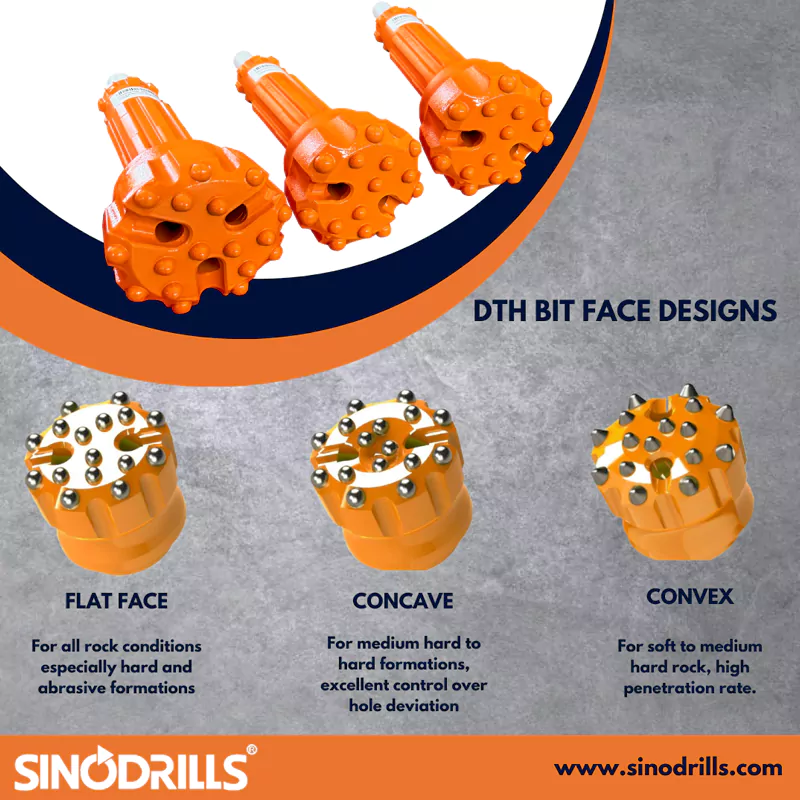
Learn how to choose the right DTH drill bit head design—flat, concave, or convex—based on rock conditions to improve drilling efficiency and reduce costs.
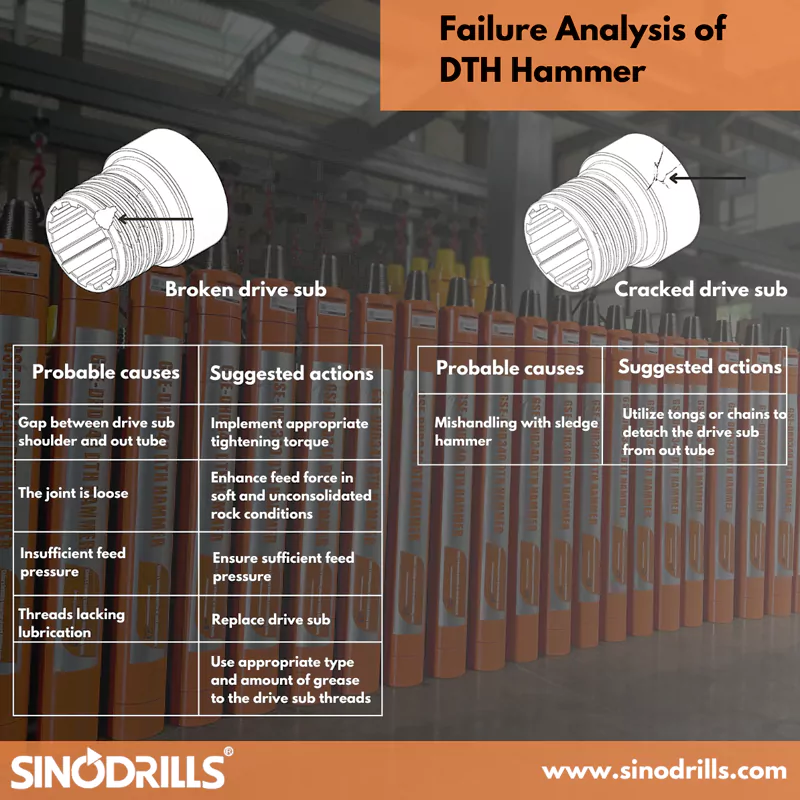
Learn how to solve common DTH hammer failures with practical tips, from diagnosing issues to maintenance and replacement, ensuring optimal drilling performance.
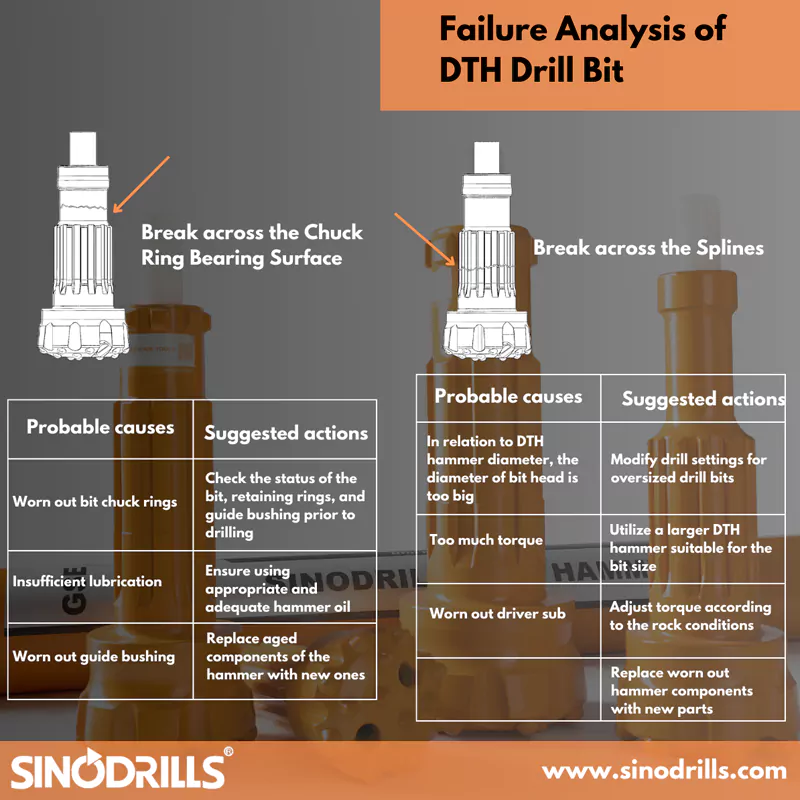
Discover 6 ways to fix DTH drill bit failures like spline breaks and piston damage with tips on lubrication, part replacement, and drilling parameter adjustments.
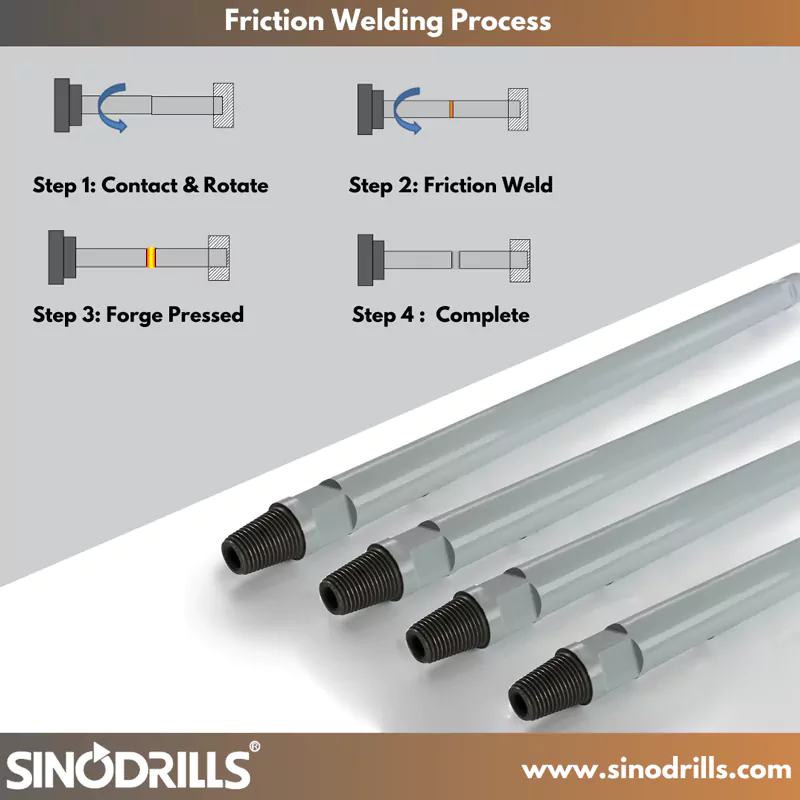
Friction welding creates strong DTH drill rod joints using heat from friction and pressure, offering high strength, efficiency, and eco-friendliness for drilling use.
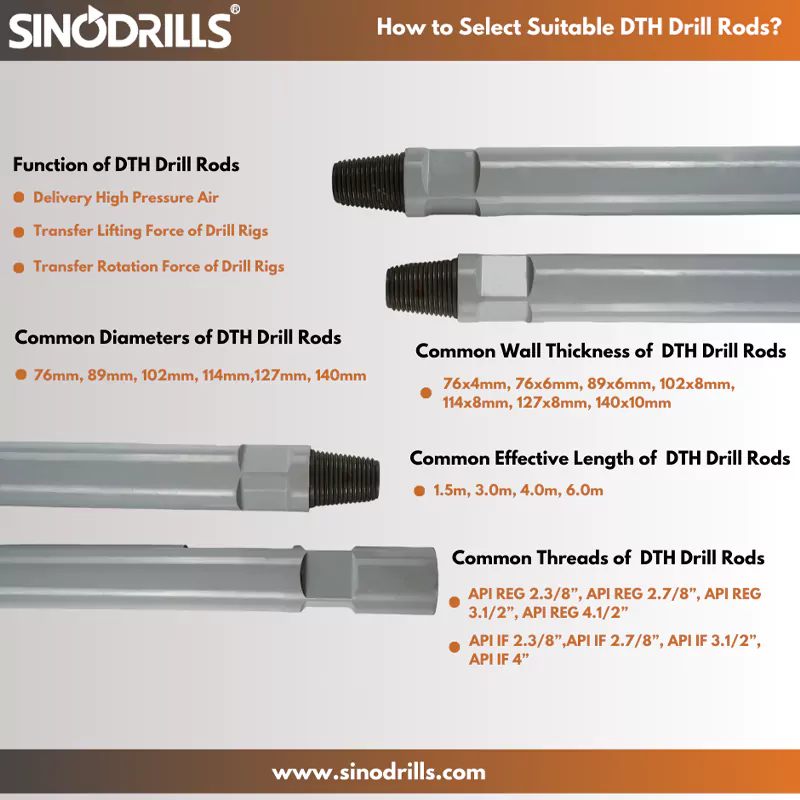
Learn how to choose the right DTH drill rods by considering diameter, length, thread type, and project needs to boost drilling efficiency and reduce costs.
Explore the evolution of DTH hammers from their invention in 1932 to modern advancements, including valveless designs and high-pressure capabilities, enhancing drilling efficiency.
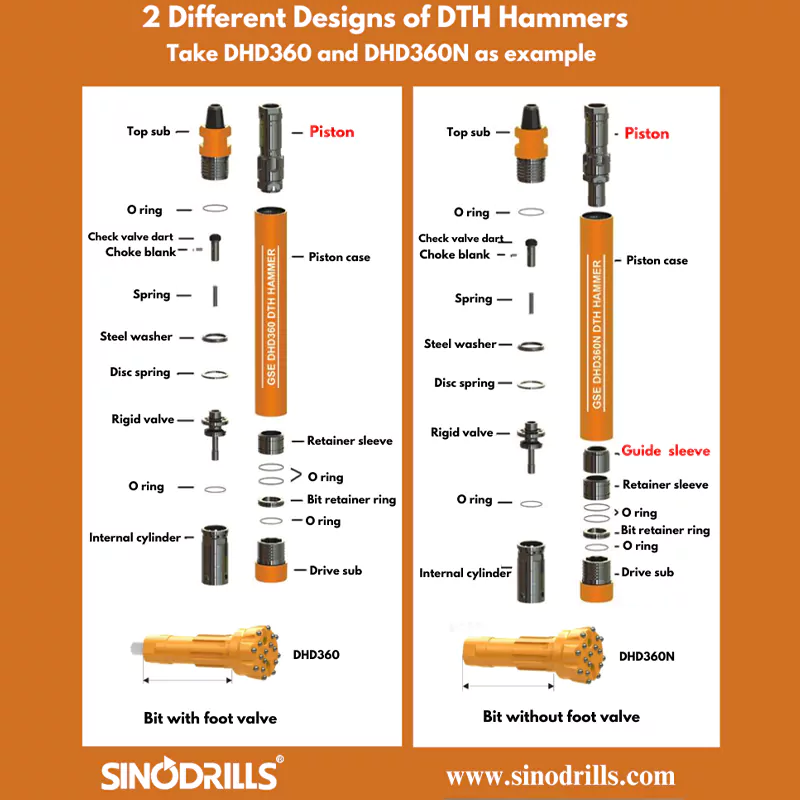
This article compares two DTH hammer designs: with foot valves for harder rock (higher force, lower frequency) and without foot valves for faster drilling in softer rock (higher frequency).
Learn how to select the right DTH hammer by considering working air pressure: low (below 7 bar), medium (7–14 bar), or high (above 14 bar) for optimal drilling performance.
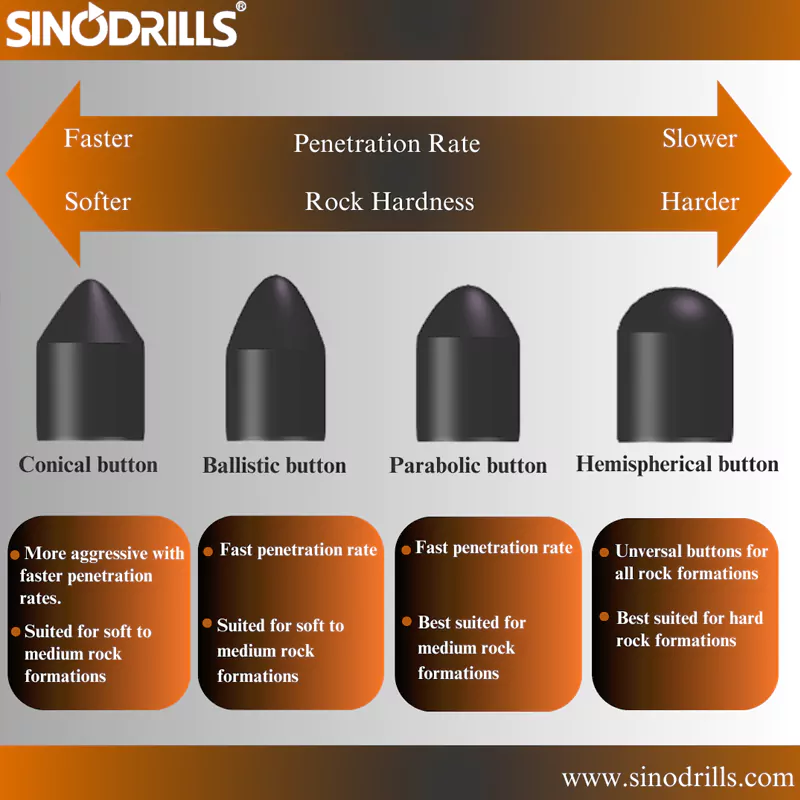
Learn to select the right carbide button shape—conical, ballistic, semi-ballistic, or hemispherical—for DTH bits to optimize drilling efficiency and tool longevity.