
Understanding the tensile strength of self drilling anchor bolts is essential for designing safe and reliable geotechnical systems. This blog explores the forces these anchors must resist, how tensile loads develop in real ground conditions, and why proper selection ensures better performance in tunneling, mining, slope stabilization, and foundation projects.
Tensile strength isn’t just a number on a specification sheet—it reflects the bolt’s ability to transfer loads, withstand stress, and maintain stability over long-term service. By examining material composition, installation methods, grout bonding, and testing standards, you can make informed decisions that improve safety and reduce project risks.
What is Self Drilling Anchor Bolt Tensile Strength?
Recommended Self Drilling Systems
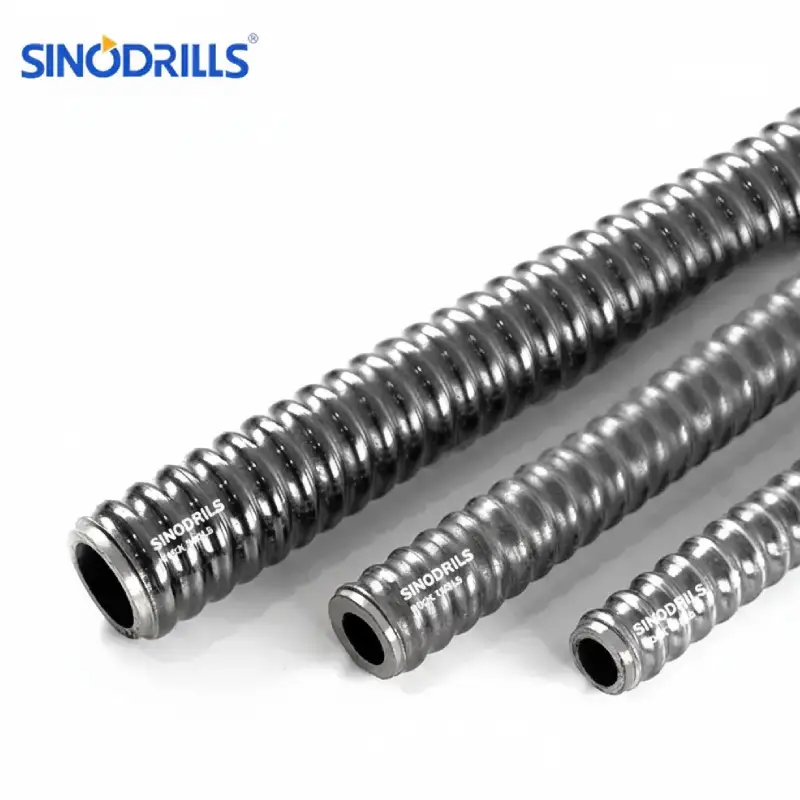
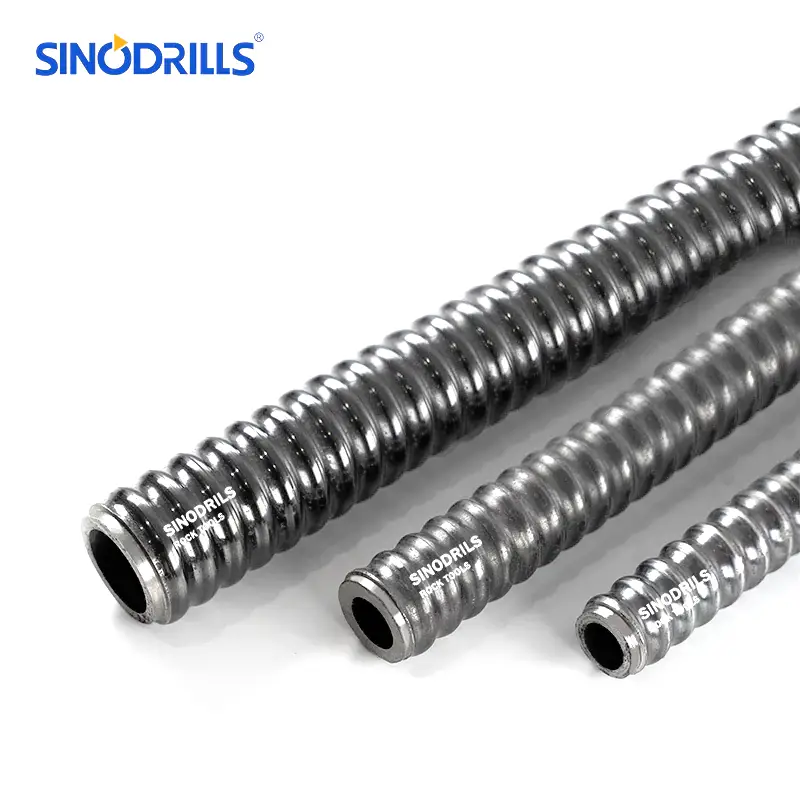
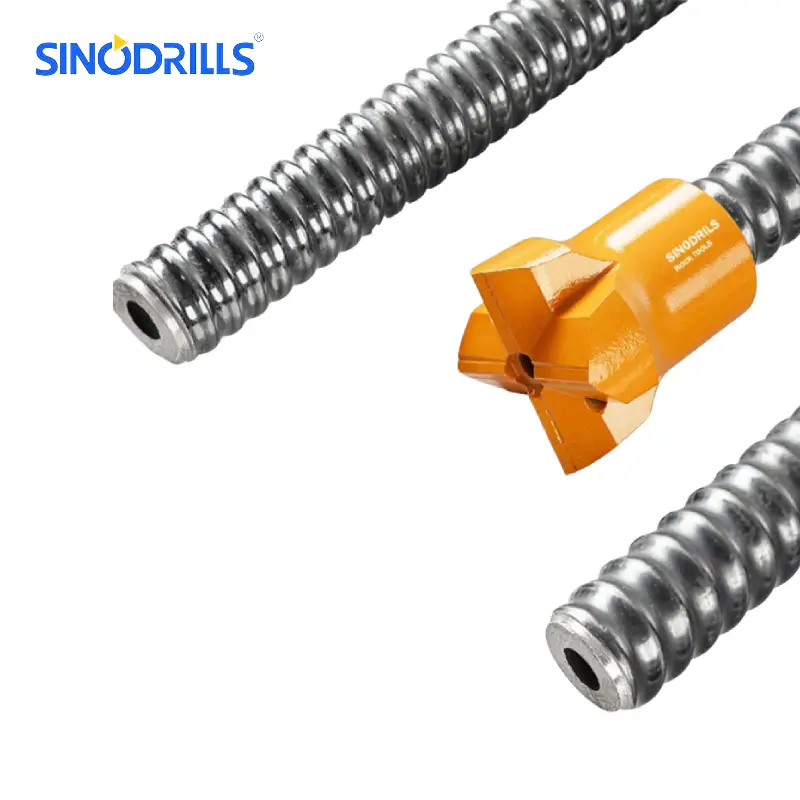
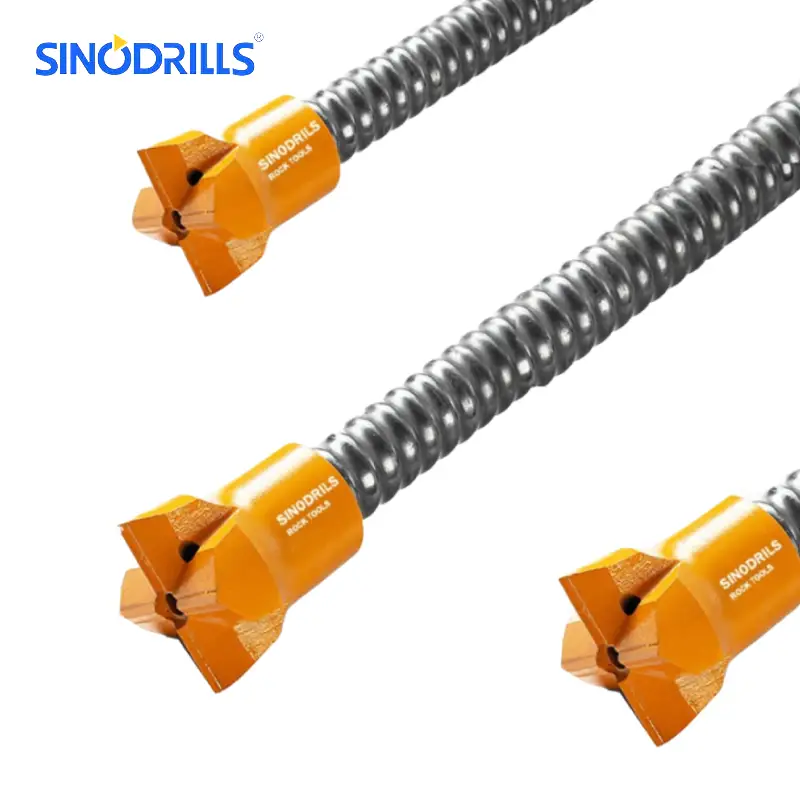

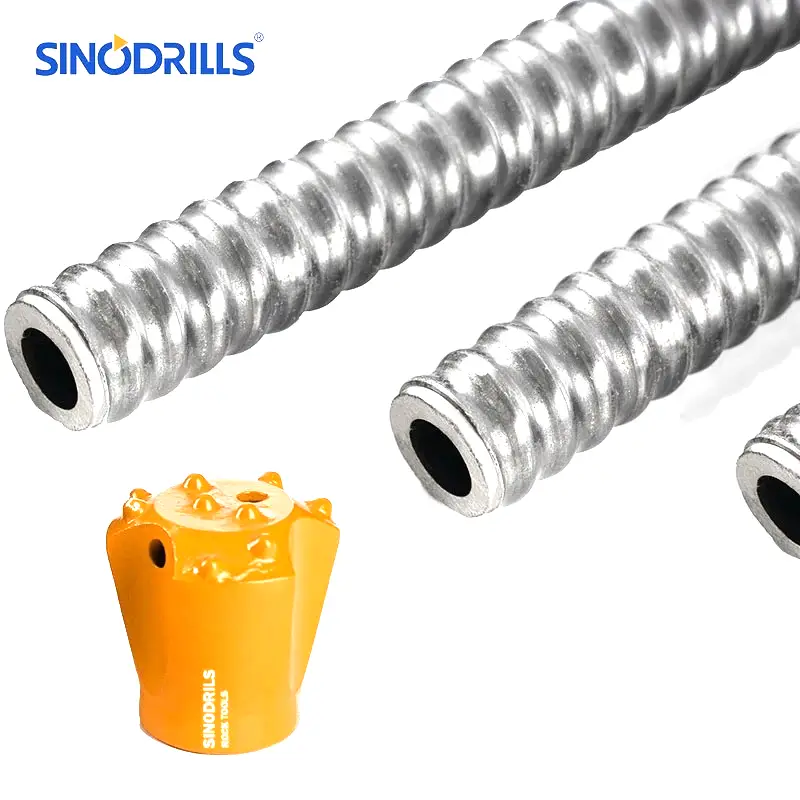
Self drilling anchor bolt tensile strength refers to the maximum pulling force the bolt can withstand before it stretches or fails.
It reflects the combined performance of the steel tube, thread profile, and grout bond. This value determines how safely the anchor can resist uplift, tension loads, and ground movement, making it a key factor in geotechnical design.
What Factors Affect the Tensile Strength of Self-Drilling Anchor Bolts?
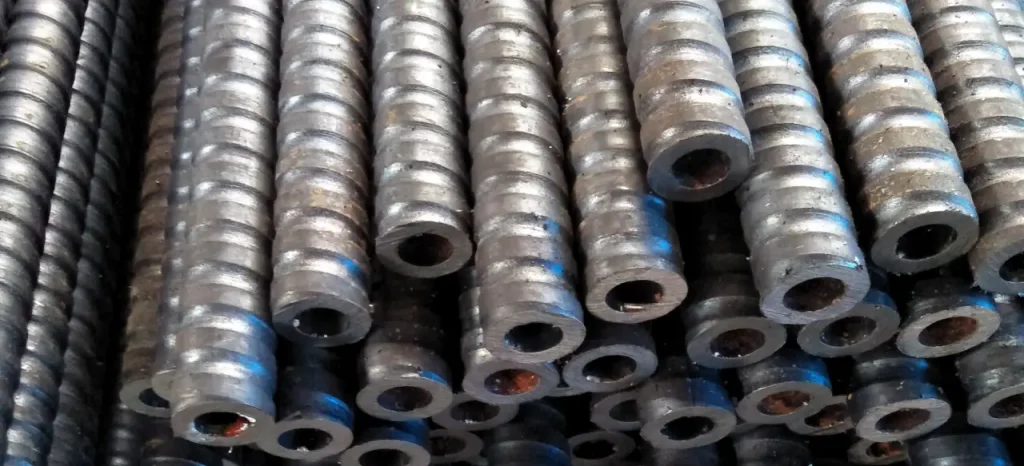
Understanding the factors that influence the tensile strength of self-drilling anchor bolts is essential for ensuring safe and reliable ground reinforcement. Tensile strength determines how much load an anchor can resist before stretching or failing. It is affected by bolt design, material quality, grouting, soil properties, and installation practices.
Optimizing these factors ensures the anchor system performs well under real-world conditions, from tunneling and slope stabilization to mining and foundation support. Neglecting any one factor can compromise performance, potentially leading to premature failure or reduced load capacity. Evaluating each aspect carefully allows engineers to design more reliable, long-lasting reinforcement solutions.
Bolt Diameter and Anchorage Length
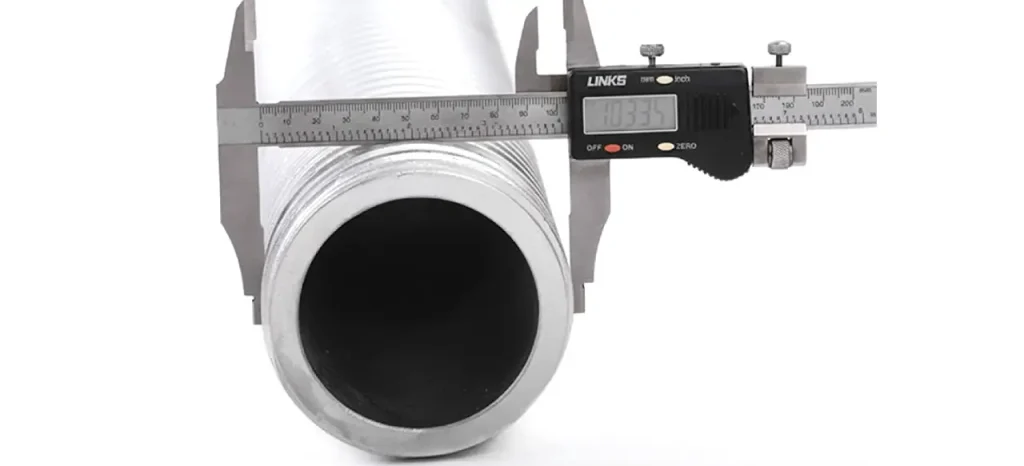
The diameter of a self-drilling anchor bolt plays a crucial role in its tensile performance. A larger diameter provides more material to resist stretching and increases the contact surface between the bolt and surrounding grout. This helps distribute tensile forces more evenly, reducing stress concentrations along the bolt.
Anchorage length is equally important, as longer embedded lengths allow the load to spread over a greater area of ground. This minimizes the risk of pull-out and improves stability in softer soils. If the bolt is too short or narrow, the tensile capacity can be significantly reduced, making it unsuitable for high-load applications.
Shear Strength of Surrounding Ground
The surrounding ground’s shear strength directly impacts how well a self-drilling anchor resists tension. Dense soils, cohesive clays, or competent rock provide better friction and interlock with the bolt and grout, increasing overall tensile capacity. Stronger ground improves load transfer efficiency and supports long-term stability.
Conversely, loose or weak soils reduce the effective bonding of grout and threads, creating potential failure points. In these conditions, the anchor may deform or pull out under lower loads than expected. Site investigations and ground improvement measures are often necessary to ensure adequate performance.
Grouting Pressure and Bonding Quality
Grouting quality is essential for transferring tensile loads from the bolt to the surrounding ground. Proper pressure ensures that grout fills the hollow bar completely and penetrates voids around the borehole. This enhances adhesion and creates a stronger, continuous load path from the bolt to the soil or rock.
Inadequate or uneven grouting reduces bonding, leaving gaps that can compromise tensile strength. Poorly bonded anchors are more likely to experience pull-out or early failure. Using consistent grouting techniques and proper equipment ensures uniform coverage and maximizes tensile performance, even in variable ground conditions.
Anchor Bar Wall Thickness and Material Quality
The wall thickness of the anchor bar affects its ability to resist deformation under tensile loads. Thicker walls improve the mechanical strength of the bolt, ensuring it can handle higher forces without stretching or thread failure. This is especially important in demanding, high-load applications.
Material quality also plays a vital role. High-grade steel with good yield strength and ductility can withstand tension without cracking, while lower-quality materials may fail prematurely. Combining the right wall thickness with certified, qualified steel ensures both safety and durability over the anchor’s service life.
Installation Quality and Environmental Conditions
Correct self drilling anchor bolts installation techniques are critical for maintaining tensile strength. Proper drilling alignment, consistent speed, and accurate torque prevent bending or damage to the anchor, ensuring maximum contact with grout and ground. Poor workmanship can compromise load capacity and reduce performance.
Environmental conditions also impact tensile strength over time. High groundwater, corrosive soils, freeze-thaw cycles, or chemical exposure can degrade grout and steel. Protective coatings, regular inspection, and maintenance help preserve the bond and structural integrity, ensuring the anchor continues to perform as intended throughout its lifespan.
How Self-Drilling Anchor Bolts Work?
Self-drilling anchor bolts are specialized reinforcement systems that combine drilling, grouting, and anchoring into a single continuous process. They are hollow, threaded rods that allow grout to pass through while the bolt advances into the ground. This design improves installation speed, reduces equipment needs, and provides reliable load transfer in various soil and rock conditions.
- Drilling and advancing the bolt — The hollow anchor rotates as it penetrates the ground, cutting through soil or rock with an attached drill bit. This eliminates the need for separate casing and reduces borehole collapse risk, allowing the anchor to maintain alignment and stability during installation.
- Grouting through the hollow core — Once the bolt reaches the required depth, grout is pumped through the rod. The grout fills voids around the anchor and bonds the threads to surrounding material, creating a strong friction and adhesion interface that resists tensile and shear loads effectively.
- Load transfer to surrounding ground — The combination of bolt threads, grout, and contact with soil or rock ensures that tensile loads are distributed along the embedded length. This allows the anchor to resist uplift or tension forces while maintaining long-term structural stability under varying ground conditions.
- Integration with structural systems — Self-drilling anchors can be connected to plates, beams, or shotcrete linings to provide immediate structural support. This versatility makes them suitable for tunnels, slopes, foundation stabilization, and mining applications, reducing the time between drilling and achieving functional reinforcement.
- Monitoring and inspection — After installation, the anchor can be tested for tensile capacity and visual inspection ensures the grout and bolt remain intact. Regular checks help verify proper load transfer, detect corrosion risks, and maintain overall system performance throughout its service life.
Conclusion
Tensile strength sits at the core of anchor performance, shaping how well a system handles stress, supports loads, and maintains stability. When you understand the factors that influence strength, you’re better equipped to choose bolts that match your ground conditions and engineering needs without unnecessary guesswork.
Material selection, proper installation, and dependable grout bonding all contribute to achieving the right tensile capacity. Paying attention to these details prevents early failures, improves load transfer efficiency, and helps your anchors perform consistently even in challenging soil or rock environments.
As you evaluate anchor systems for your next project, consider working with reliable suppliers who understand the demands of geotechnical work. If you’re sourcing in bulk, you can get wholesale self drilling anchor bolts from our Sinodrills, providing performance you can count on for diverse construction and reinforcement applications.