
High pressure high temperature (HPHT) drilling refers to operations carried out in extremely demanding subsurface environments where both pressure and temperature exceed conventional drilling limits. These conditions require specialized engineering solutions, reliable drilling equipment, and precise operational planning to maintain well control, safety, and drilling efficiency.
To successfully drill HPHT wells, operators rely on advanced drilling tools designed to withstand intense pressure, heat, and mechanical stress. From drill bits and stabilizers to drilling motors and drill pipes, every component must be carefully selected to ensure durability, performance, and consistent operation throughout the challenging drilling process.
What is HPHT Drilling?
HPHT drilling refers to high pressure high temperature drilling conducted in extreme underground environments where formation pressures exceed 10,000 psi and temperatures are above 300°F.
These challenging conditions require specialized drilling tools, advanced materials, and precise operational control to maintain well safety, prevent equipment failure, and ensure efficient drilling performance.
What Are the Challenges of HPHT Drilling?

HPHT drilling operations face significant technical and operational challenges because of extreme downhole pressure and temperature conditions. These environments place heavy stress on drilling equipment, drilling fluids, and well control systems. Operators must carefully manage multiple factors to maintain safe drilling operations, protect tools, and ensure consistent drilling performance in deep and complex wells.
- Extreme Temperature Effects — High temperatures in HPHT wells can damage drilling tools, elastomers, electronic sensors, and drilling fluids. Excessive heat may reduce tool strength and accelerate material fatigue. Specialized heat-resistant materials and temperature-tolerant drilling fluids are required to maintain tool performance, protect downhole equipment, and ensure stable drilling operations.
- High Formation Pressure — HPHT reservoirs often contain extremely high formation pressures that increase the risk of well kicks or blowouts. Maintaining proper mud weight and pressure balance becomes critical. Advanced well control systems and accurate pressure monitoring help operators manage formation pressure and maintain drilling safety.
- Tool and Equipment Durability — Drilling tools used in HPHT environments must withstand extreme mechanical stress, high torque, and elevated temperatures. Standard drilling equipment may fail under these conditions. Manufacturers design specialized drill bits, stabilizers, and drilling motors using high-strength materials to improve durability and maintain reliable drilling performance.
- Drilling Fluid Stability — Drilling fluids must remain stable under both high temperature and high pressure conditions. Conventional fluids may break down, lose viscosity, or fail to control formation pressure. Special HPHT drilling fluids are engineered to maintain lubrication, cooling, and pressure control throughout deep well drilling operations.
- Wellbore Stability and Control — Maintaining wellbore stability in HPHT formations can be difficult due to changing pressures, rock stress, and thermal expansion. Poor wellbore stability may cause stuck pipes or hole collapse. Careful drilling design, appropriate mud programs, and reliable drilling tools help manage these risks effectively.
HPHT Drilling Procedure
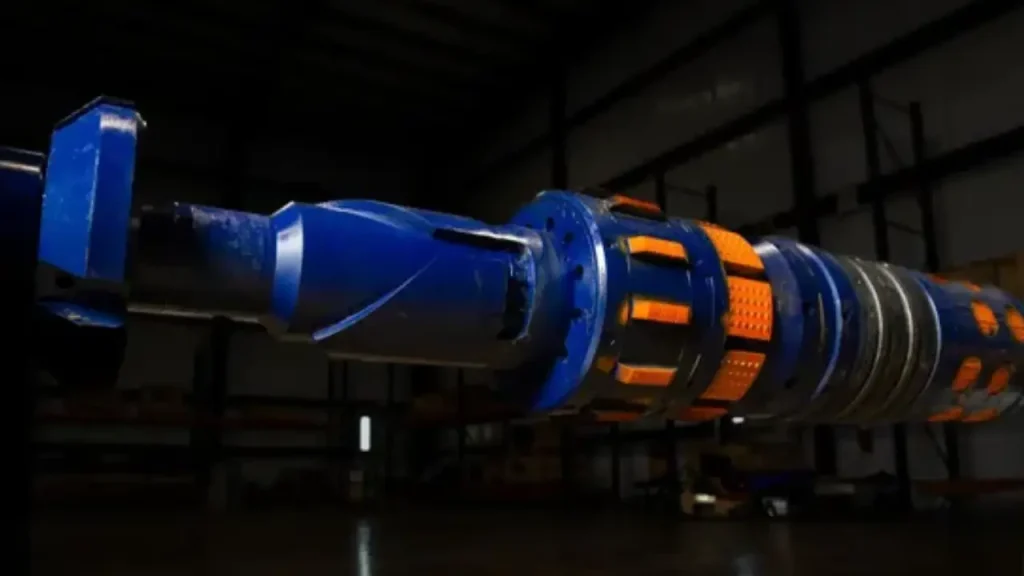
High Pressure High Temperature (HPHT) drilling involves challenging subsurface conditions where both pressure and temperature exceed conventional limits. Successful HPHT operations require careful planning, specialized drilling tools, and precise operational control.
From well design to completion, each step must prioritize safety, equipment durability, and wellbore stability to achieve efficient and reliable drilling results.
Tools Needed
- HPHT drill bits
- High-strength drill rods
- Drill collars
- Stabilizers
- Downhole anchors
- Drilling motors
- HPHT drilling fluids
- Blowout preventers
- Pressure and temperature monitoring equipment
Step 1: Well Planning and Design
Before drilling, engineers conduct thorough well planning to determine the HPHT well trajectory, depth, and expected formation conditions. This includes selecting appropriate drilling tools, designing the bottom hole assembly, and specifying drilling fluids. Accurate planning reduces operational risks, ensures wellbore stability, and prepares for high-pressure, high-temperature challenges.
Step 2: Rig Setup and Safety Preparation
The drilling rig is configured to handle extreme HPHT conditions, including installing blowout preventers, pressure monitoring systems, and reinforced surface equipment. Safety protocols are reviewed, and all tools are tested. Proper rig setup ensures that the crew can safely manage high-pressure situations while maintaining efficient and controlled drilling operations.
Step 3: Drilling and Bottom Hole Assembly Deployment
Drilling begins with the deployment of the bottom hole assembly, including drill bits, drill collars, and stabilizers. Tools are monitored for performance under HPHT conditions. Drillers adjust mud weight and rotational speed as necessary to maintain borehole stability, reduce vibration, and optimize penetration rates throughout the well.
Step 4: Pressure and Temperature Monitoring
Continuous monitoring of downhole pressure and temperature is essential to prevent well control incidents. Specialized sensors and data acquisition systems provide real-time feedback. Adjustments to drilling fluid properties, tool selection, or drilling parameters are made based on monitoring data to ensure safe and efficient HPHT operations.
Step 5: Well Completion and Tool Retrieval
After reaching the target depth, drilling tools are carefully retrieved, and the well is prepared for casing and completion. Specialized HPHT equipment ensures the well remains stable during retrieval. Proper completion safeguards long-term well integrity, prevents formation damage, and ensures that the drilled well can safely produce hydrocarbons.
HPHT Drilling Tools Required
HPHT drilling requires specialized drilling tools designed to withstand extreme pressure, temperature, and mechanical stress encountered in deep wells. Each component in the drilling system must provide strength, stability, and reliability under harsh conditions.
From drill bits to drill rods and anchoring tools, properly selected equipment helps ensure safe operations and efficient drilling performance.
Recommended Drilling Tools for HPHT Drilling
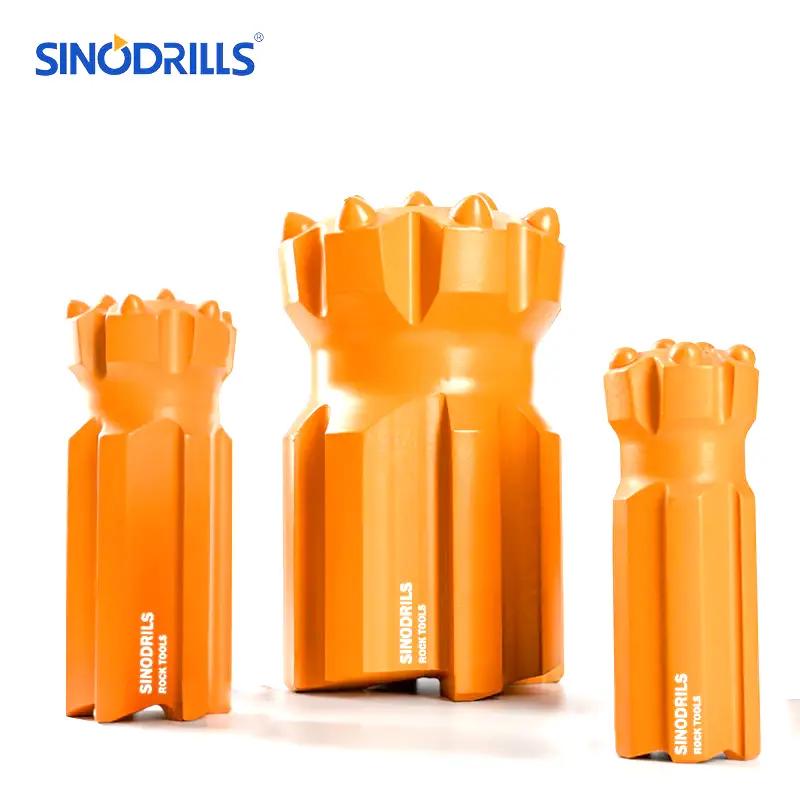
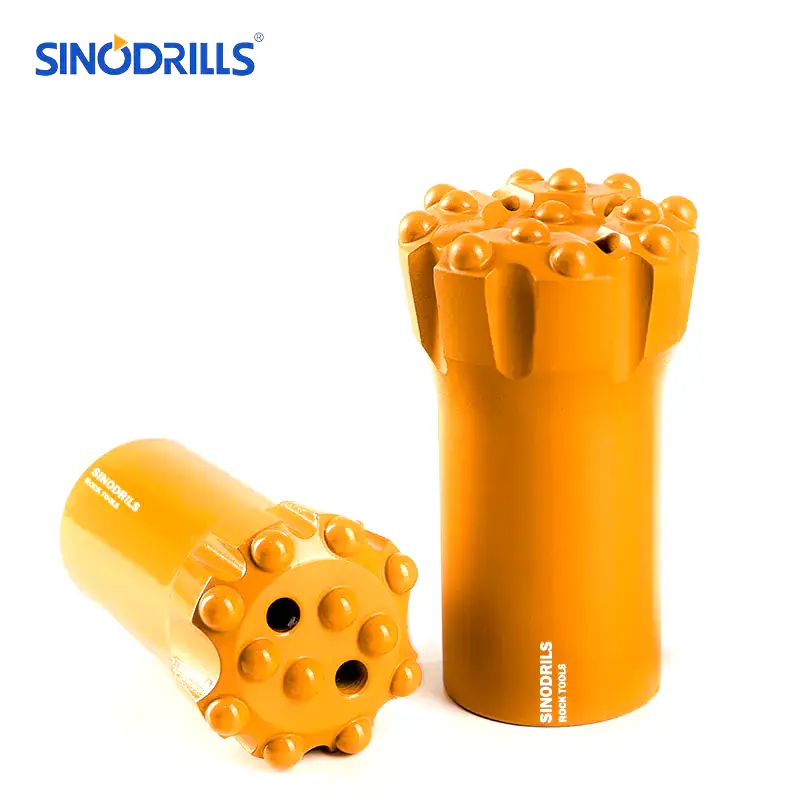
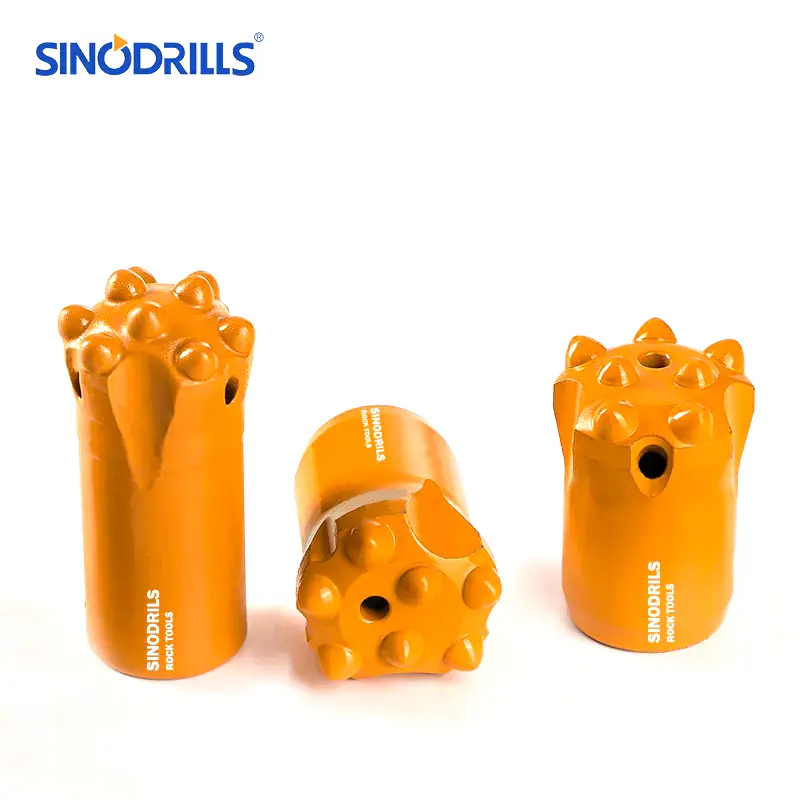
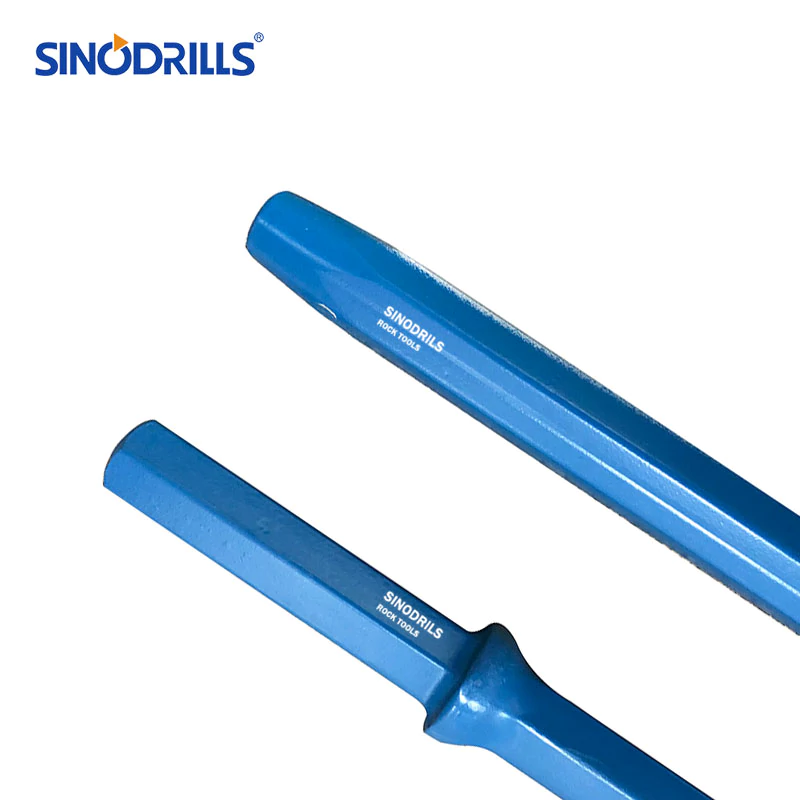
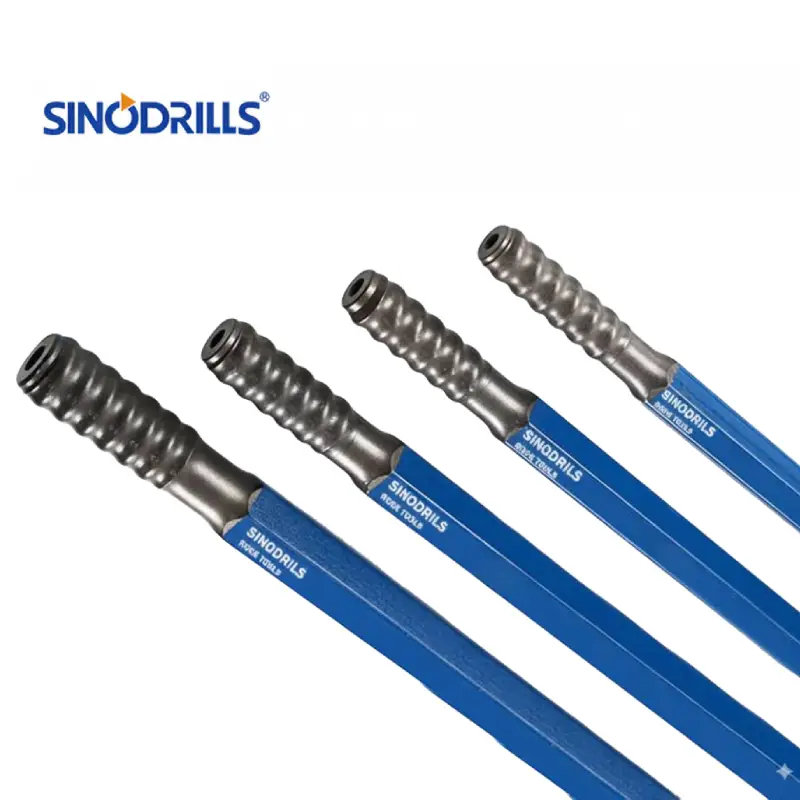
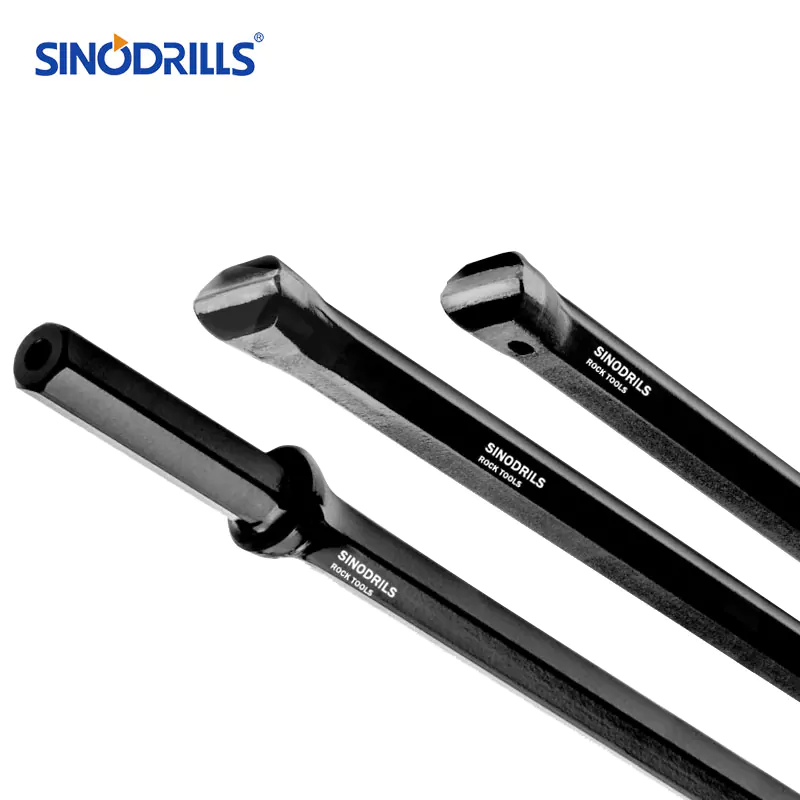
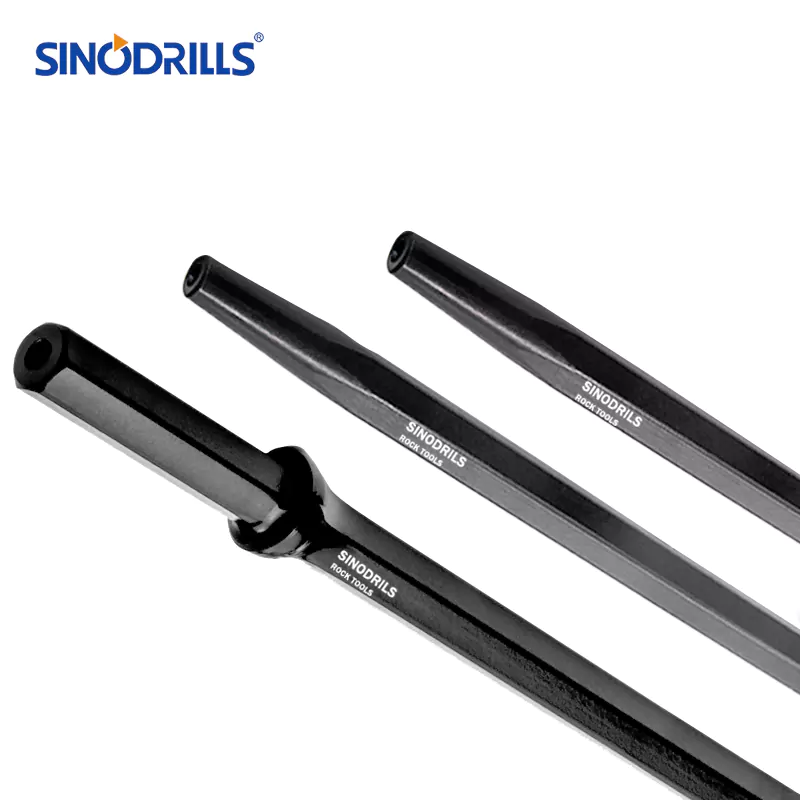
- HPHT Drill Bits — Drill bits used in HPHT environments must resist high temperatures, extreme formation pressure, and abrasive rock formations. Manufacturers often use premium carbide cutters, reinforced steel bodies, and advanced heat-resistant materials. These features help maintain cutting efficiency, reduce bit wear, and ensure stable drilling performance in deep high-pressure wells.
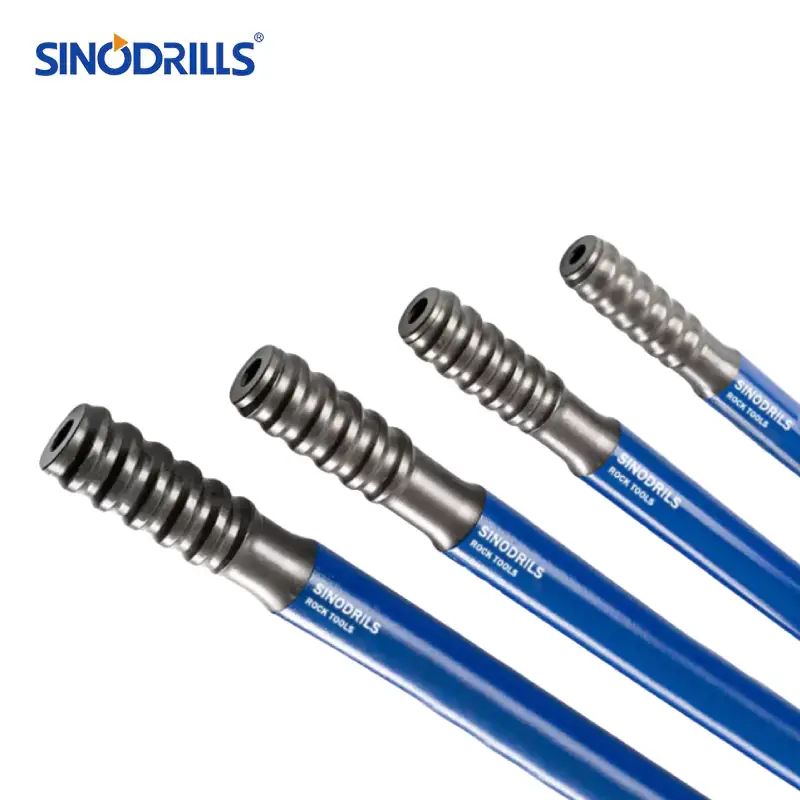
- High-Strength Drill Rods — Drill rods or drill pipes connect the surface drilling equipment with the downhole tools. In HPHT drilling, rods must withstand high torque, pressure, and temperature. Special alloy steel materials and reinforced thread designs improve mechanical strength and reliability during deep and demanding drilling operations.
- Stabilizers — Stabilizers are installed in the bottom hole assembly to maintain proper alignment of the drill string and reduce vibration during drilling. In HPHT wells, stabilizers help maintain borehole stability, protect drilling tools from excessive stress, and ensure the drill bit remains centered in the wellbore.
- Downhole Anchors — Anchors are used to secure certain downhole tools in place during drilling operations. In HPHT environments, anchors must maintain strong gripping force even under high temperature and pressure. They help stabilize drilling equipment, prevent tool movement, and support accurate drilling operations in complex formations.
- Drilling Motors — Downhole drilling motors convert drilling fluid pressure into rotational force to drive the drill bit. HPHT motors are designed with heat-resistant seals, durable bearings, and reinforced components. These features allow the motors to operate reliably in extreme temperature and pressure conditions.
- Drill Collars — Drill collars are heavy tubular components placed above the drill bit to provide weight on bit and maintain drilling stability. In HPHT drilling operations, high-strength drill collars help control the bottom hole assembly, reduce vibration, and ensure efficient penetration in deep and high-pressure formations.
High Pressure High Temperature in Oil and Gas
High pressure high temperature conditions are commonly encountered in deep oil and gas reservoirs where formation pressure and temperature exceed conventional drilling limits. These environments require specialized drilling technologies, advanced materials, and strict operational control.
Understanding HPHT conditions helps operators design safer wells, choose appropriate equipment, and maintain reliable drilling performance.
- Definition of HPHT Conditions — In oil and gas drilling, HPHT typically refers to wells where formation pressure exceeds 10,000 psi and temperatures rise above 300°F. These extreme conditions require specialized drilling equipment, pressure control systems, and well design strategies to ensure safe operations and prevent equipment failure.
- Occurrence in Deep Reservoirs — HPHT environments are often found in deep or ultra-deep reservoirs where geological formations trap hydrocarbons under intense pressure and heat. Drilling into these formations requires careful planning, advanced drilling tools, and accurate pressure management to maintain well integrity.
- Impact on Drilling Equipment — High pressure and temperature can weaken drilling components, damage seals, and accelerate wear on drilling tools. Equipment used in HPHT wells must be manufactured with high-strength materials and tested to withstand harsh downhole conditions for extended drilling operations.
- Well Control and Safety Risks — Managing well control in HPHT environments is more challenging due to rapid pressure changes and high formation energy. Operators must maintain precise mud weight, reliable blowout prevention systems, and continuous monitoring to reduce risks and ensure safe drilling activities.
- Importance of Specialized Technology — HPHT drilling requires advanced technologies including high-temperature drilling fluids, reinforced drill pipes, and specialized bottom hole assemblies. These solutions help maintain drilling efficiency, protect equipment, and allow operators to safely access valuable hydrocarbon resources in extreme environments.
How to Choose Proper Drilling Tools for HPHT Drilling
Choosing the right drilling tools for HPHT wells is critical for safe and efficient operations. Extreme pressure and temperature conditions place heavy stress on drilling equipment, so careful selection ensures tool durability, borehole stability, and consistent drilling performance. Properly matched tools reduce downtime, prevent equipment failure, and improve overall well productivity.
- Assess Formation Conditions — Understand the subsurface pressure, temperature, and rock type before selecting drilling tools. Matching tools to formation characteristics helps prevent excessive wear, tool failure, and drilling inefficiency. Accurate geological data ensures that drill bits, rods, and stabilizers are optimized for the specific HPHT environment.
- Select Heat-Resistant Materials — Drilling tools must be made from materials that withstand high temperatures without losing strength. Heat-resistant alloys, carbide cutters, and reinforced seals help maintain performance in HPHT wells. Choosing the right materials prolongs tool life and ensures consistent drilling efficiency.
- Consider Tool Strength and Durability — HPHT operations demand tools that resist high torque, pressure, and mechanical stress. High-strength drill rods, drill collars, and stabilizers improve bottom hole assembly stability. Durable tools reduce downtime, prevent unexpected failures, and maintain wellbore alignment throughout the drilling process.
- Match Tools to Drilling Objectives — The choice of drill bits, motors, and anchors should align with the desired well trajectory, depth, and penetration rate. Selecting tools based on drilling goals ensures efficiency, reduces operational risks, and maintains control over complex HPHT wells.
- Consult Our Manufacturer Guidelines — Tool manufacturers provide specifications and recommendations for HPHT applications. Following these guidelines helps ensure optimal performance, proper installation, and safe operation. Collaboration with experienced suppliers also helps identify the best combination of tools for challenging drilling environments.
Conclusion
HPHT drilling continues to play an important role in accessing deep and complex oil and gas resources around the world. Operating in these extreme environments requires specialized technology, advanced drilling techniques, and highly durable drilling tools designed to withstand intense pressure and temperature conditions while maintaining drilling efficiency and safety.
Selecting the right drilling tools is critical for maintaining wellbore stability, reducing operational risks, and improving drilling performance in HPHT environments. High-strength drill bits, stabilizers, drilling motors, and other bottom hole assembly components must all be engineered to perform reliably under severe conditions encountered during deep drilling operations.
If you are looking for dependable HPHT drilling tools, our Sinodrills team offers a wide range of solutions designed for challenging drilling environments. We support global drilling projects with durable tools, professional manufacturing, and reliable supply. Contact Sinodrills today to get wholesale HPHT drilling tools for your operations.