
Seismic drilling is a vital method used to explore subsurface formations, providing valuable data for industries such as oil, gas, and environmental research. By using seismic waves, this technique helps map out underground structures, enabling accurate site evaluations and resource discovery.
This method involves sending controlled seismic waves into the ground and analyzing how they reflect off underground layers. Seismic drilling equipment, including specialized drill bits, plays a crucial role in ensuring precise data collection and enhancing exploration accuracy for geophysical studies.
What is Seismic Drilling?
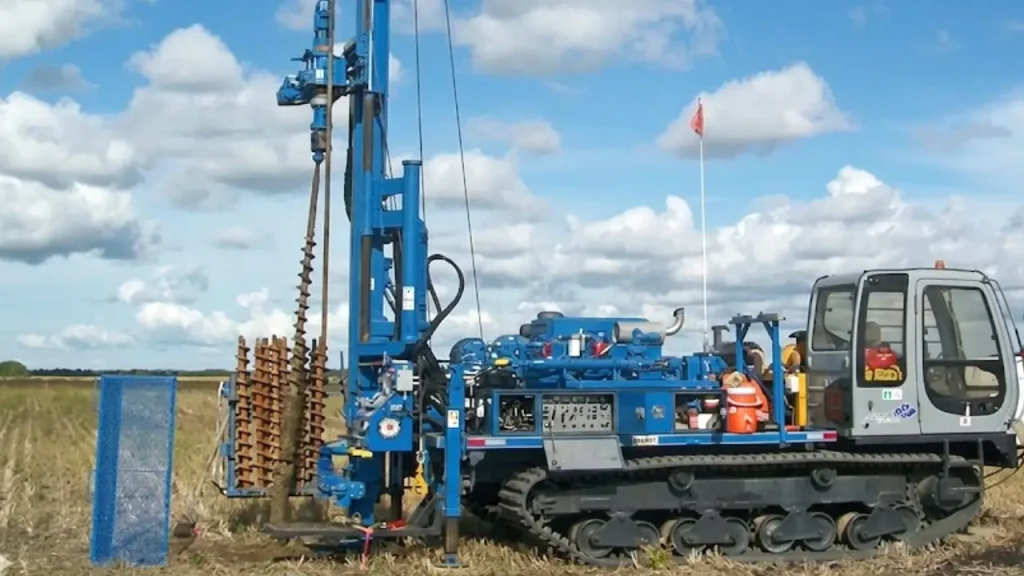
Seismic drilling is a drilling method used to explore subsurface structures by sending seismic waves into the ground. These waves bounce off various geological layers, and the data collected helps map out the underground environment.
The seismic drilling commonly used in resource exploration, environmental assessments, and geotechnical investigations to determine the composition and stability of the Earth’s subsurface.
How Does Seismic Drilling Work?
Seismic drilling uses controlled seismic waves to explore subsurface structures. By analyzing how these waves interact with underground layers, detailed maps of geological formations can be created.
The process involves several key steps to ensure accurate results for exploration projects.
- Seismic Wave Generation: Seismic waves are created using explosives or specialized equipment like vibrators. These waves travel through the Earth and reflect off different subsurface layers. By analyzing the reflected waves, we can gain insight into the underground structure.
- Data Collection: Sensors called geophones are placed on the ground surface to detect the reflected seismic waves. The sensors capture the travel time and amplitude of the waves, which is then used to create detailed images of subsurface layers and identify potential resources.
- Data Analysis: The collected data is analyzed using sophisticated software to interpret the characteristics of the subsurface layers. This helps in identifying the presence of oil, gas, minerals, or determining the suitability of land for construction or environmental studies.
- Equipment Selection: The type of seismic drill bits and tools used in the process depends on the geological conditions. Seismic drilling relies on specialized equipment designed to minimize disruption to the environment and provide accurate readings, ensuring the reliability of the exploration.
Seismic Drilling Process
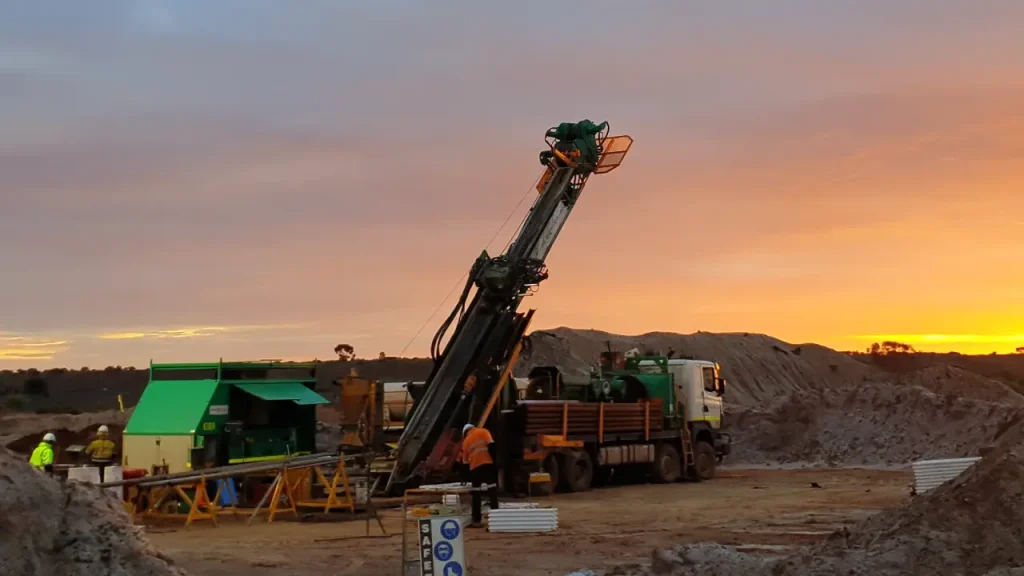
Seismic drilling is a geophysical method used to explore subsurface structures by sending seismic waves into the ground. The process provides valuable data for resource exploration, geotechnical assessments, and environmental studies. By analyzing the reflected seismic waves, scientists can create detailed maps of underground layers, aiding in the identification of valuable minerals, oil, gas, and more.
Tools Needed:
- Seismic vibrators or explosives
- Geophones (sensors)
- Drilling rig
- Seismic drill bits
- Recording equipment
- Data processing software
Step 1: Seismic Wave Generation
In seismic drilling, the first step is generating seismic waves, which are created using either explosives or seismic vibrators. These waves travel through the Earth’s layers, reflecting off various subsurface formations. The type of equipment used depends on the terrain and the depth of the drilling location, ensuring optimal data collection.
Step 2: Data Collection
Once the seismic waves are generated, geophones are placed along the surface to detect the reflected waves. These sensors capture the travel time and amplitude of the waves, which helps form an understanding of subsurface structures. The data gathered allows geologists to map out geological layers and identify potential resources beneath the surface.
Step 3: Data Analysis
After data collection, advanced processing software analyzes the recorded seismic waves to produce detailed images of the underground formations. This analysis provides essential information about the depth, composition, and structure of subsurface layers. Geologists use this data to evaluate potential drilling sites for oil, gas, or mineral exploration.
Step 4: Equipment Selection
Choosing the appropriate equipment is crucial to the success of seismic drilling. The type of drill bits and tools used is determined based on the geological conditions and the depth of the target formations. The correct selection ensures efficient and accurate drilling, minimizing the risk of equipment failure or inaccurate data during the exploration process.
Drill Bits for Seismic Drilling
Recommended Drill Bits for Seismic Drilling
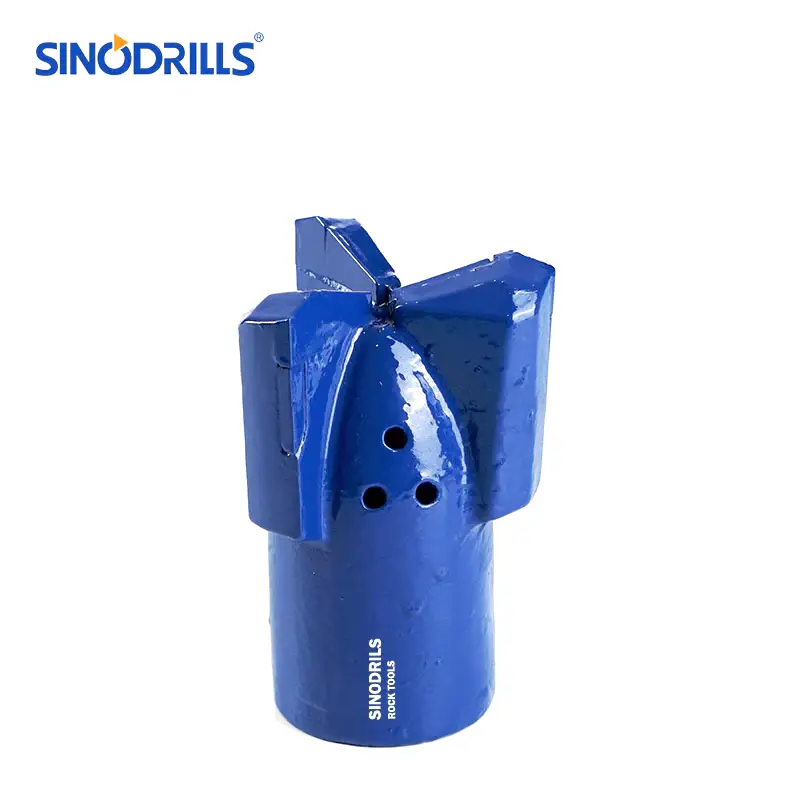
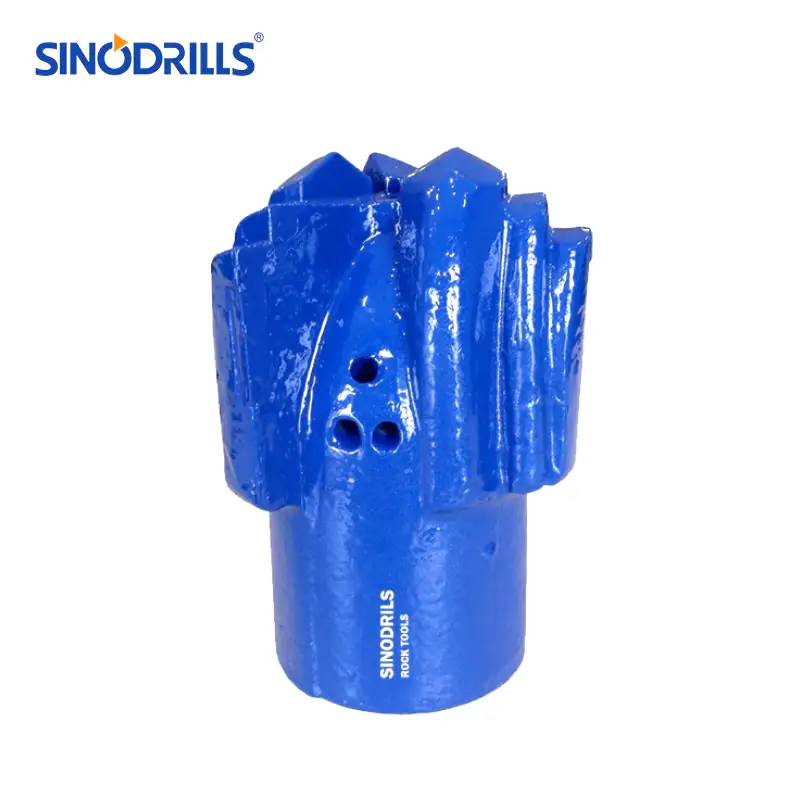
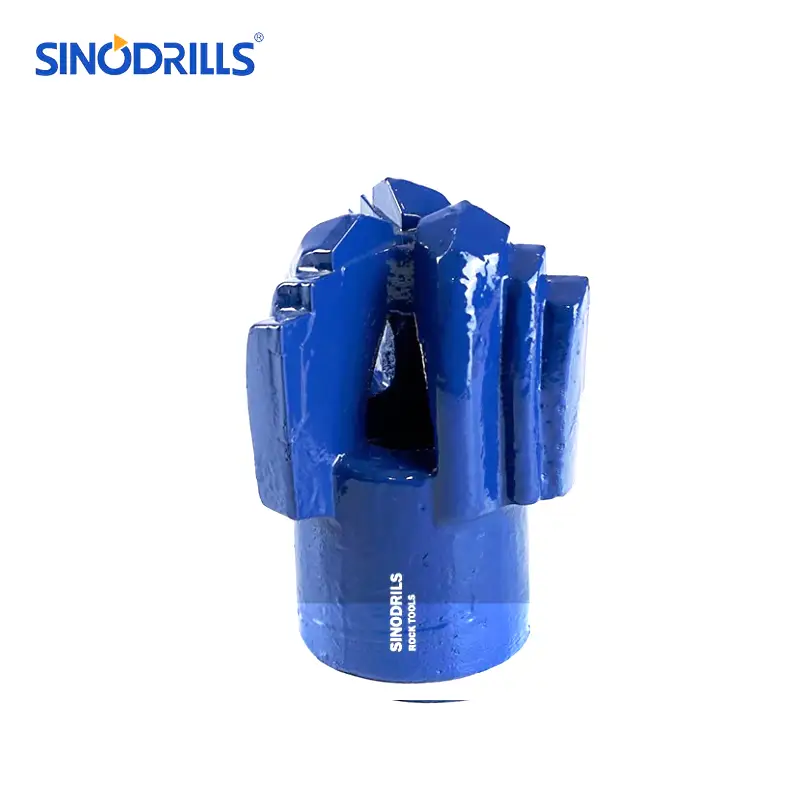
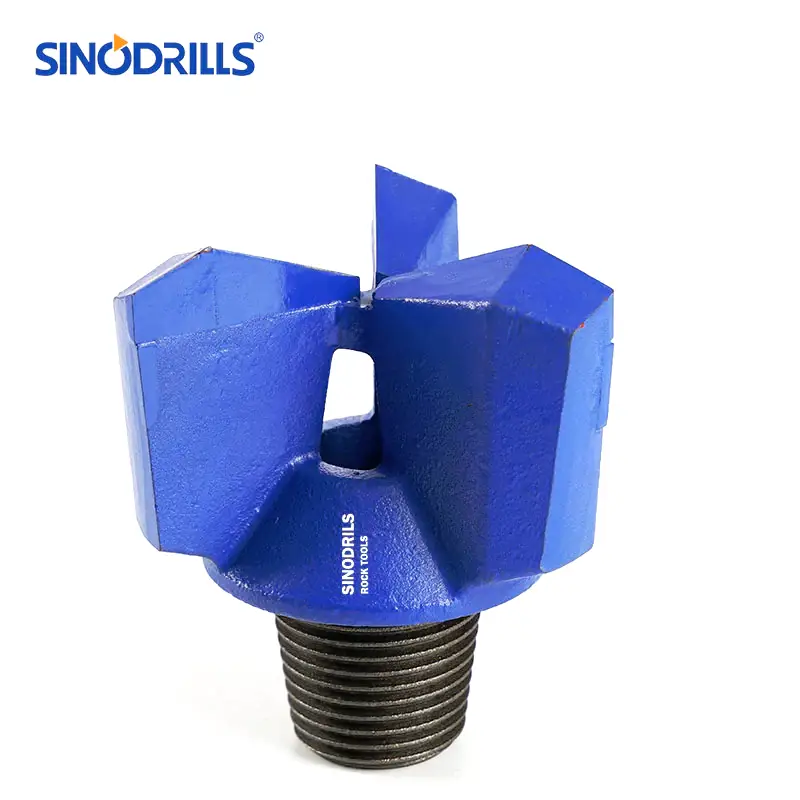
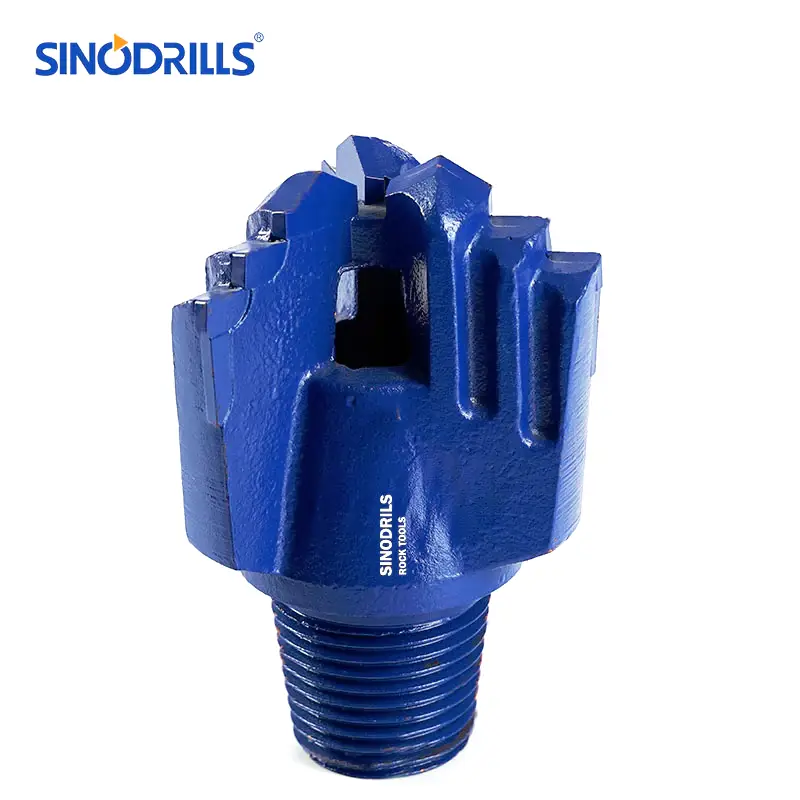
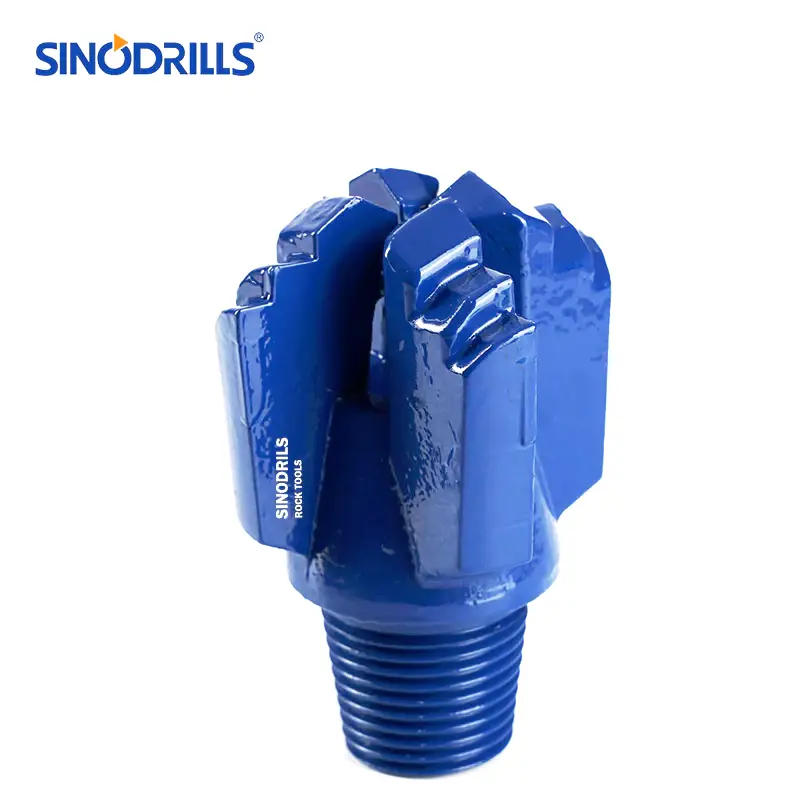
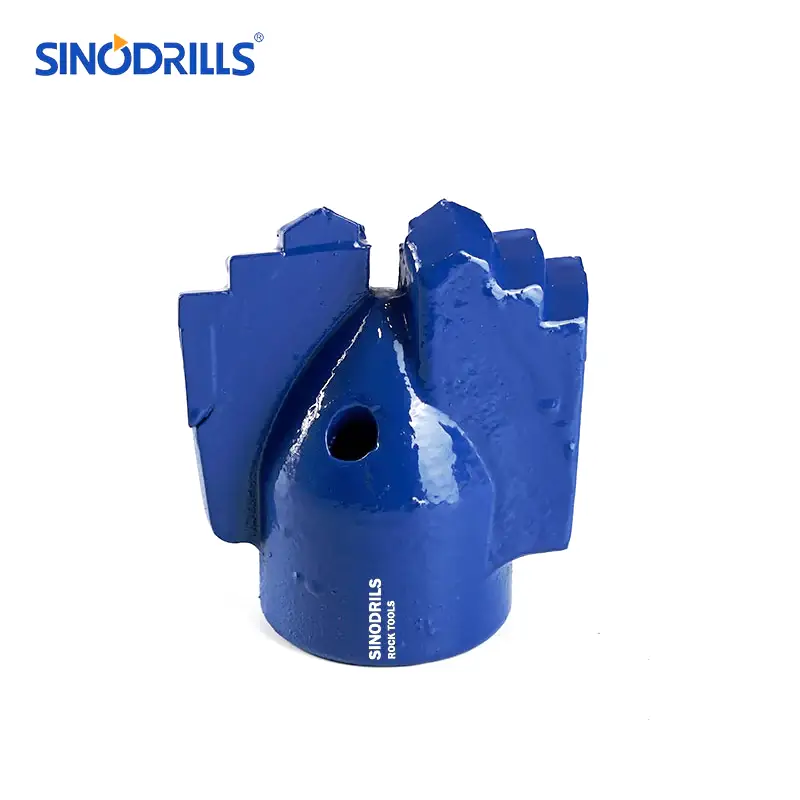
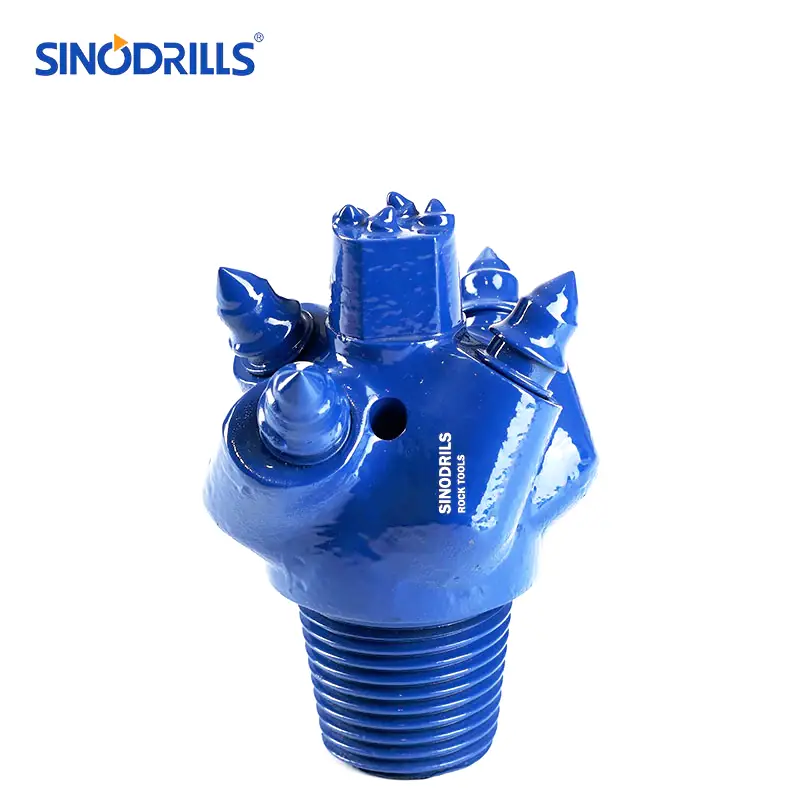
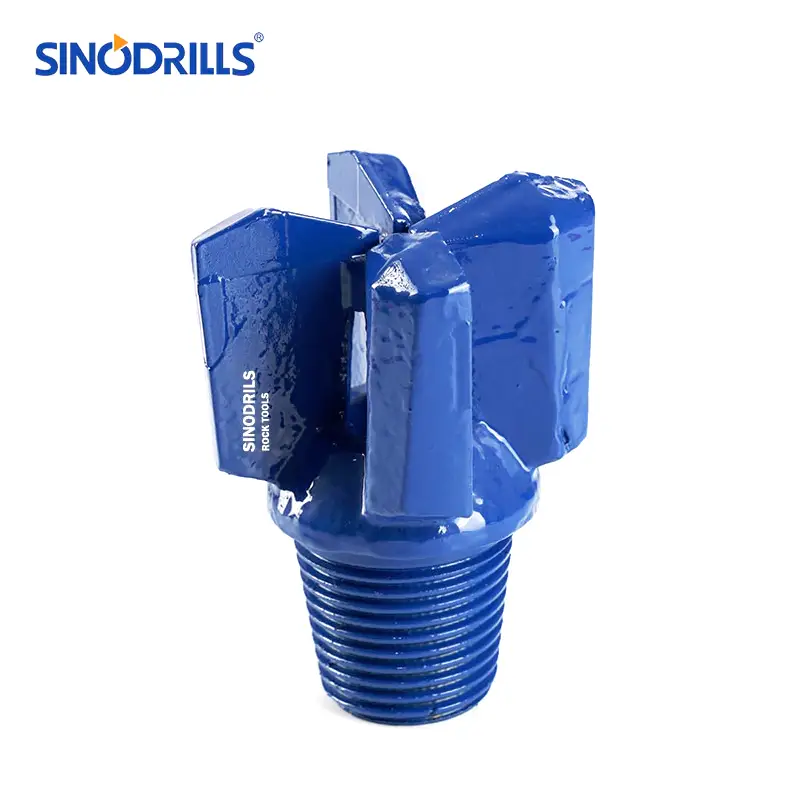
Drill bits for seismic drilling are specially designed to handle the demands of subsurface exploration. These bits are crucial for ensuring smooth, efficient drilling while providing accurate data collection. Various types of drill bits are used in seismic drilling, each offering unique features suited to different geological conditions.
Bullet Points about Drill Bit Types for Seismic Drilling Project:
- Seismic PDC Drill Bits: These bits use polycrystalline diamond compact (PDC) technology, offering high durability and excellent performance in soft to medium-hard rock formations. PDC drill bits are known for their ability to provide precise and efficient drilling, minimizing downtime during seismic exploration.
- Seismic Roller Cone Bits: These bits feature rotating cones and are ideal for drilling through harder rock formations. Roller cone bits can penetrate through abrasive layers with ease and are used in seismic drilling to ensure consistent performance and minimal wear under challenging geological conditions.
- Seismic Tri-cone Drill Bits: Known for their versatility, tri-cone bits are suitable for a range of geological environments. They are designed to cut through rock formations with a combination of rotary motion and the crushing action of three cones, making them ideal for seismic drilling projects in diverse terrain.
- Seismic Blade Drill Bits: Blade drill bits are designed for soft to medium formations and are commonly used for seismic drilling in areas with less challenging ground conditions. They provide stable drilling and effective core recovery, making them an excellent choice for geotechnical investigations and resource exploration.
- Seismic Drag Bits: These bits are designed for non-rotary drilling operations, utilizing drag blades that slide over the formation. Ideal for softer materials, drag bits are effective in seismic drilling when minimal disruption to the surrounding environment is necessary, providing accurate seismic data in specific geological formations.
Conclusion
In conclusion, seismic drilling is an indispensable tool for understanding the subsurface of the Earth, aiding in resource discovery, environmental assessments, and geotechnical investigations. Its ability to deliver accurate, reliable data has made it essential across various industries, driving informed decision-making and successful exploration projects.
For those in need of high-quality seismic drill bits, Sinodrills offers a comprehensive range of wholesale options tailored to meet the demands of seismic drilling. With durable and efficient drill bits, you can trust us to support your exploration needs.
Whether you’re working on oil and gas projects or geotechnical investigations, our seismic drill bits ensure reliable performance and longevity. Contact Sinodrills today for the best wholesale seismic drill bits solutions to elevate your drilling operations.