
Drilling a private well can be a significant investment, offering long-term benefits like reliable water access and independence from municipal systems. However, understanding the associated costs upfront is crucial for proper budgeting and decision-making. The price tag for a new well isn’t fixed; it varies widely based on numerous factors.
This guide will break down the key elements that influence the total cost of drilling a water well, from initial site assessment to the complete installation of your well system. By understanding these variables, you can better estimate the expense and plan your project effectively.
Well Drilling Cost Factors
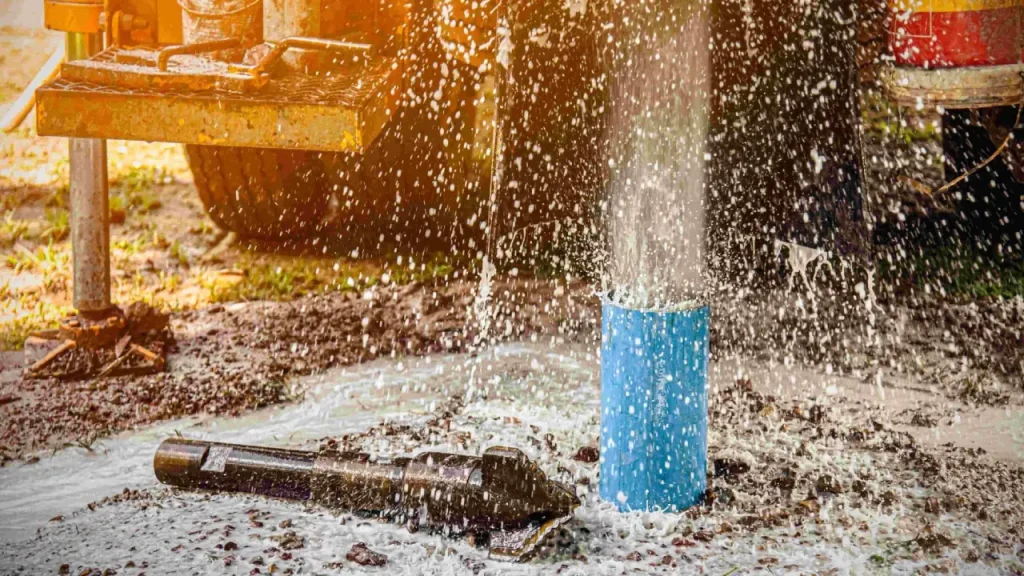
The total cost of drilling a water well is influenced by a complex interplay of various factors, making it challenging to provide a universal estimate. These factors can broadly be categorized into geological conditions, well characteristics, and the components of the well system itself. Understanding these variables is essential for anyone budgeting for a new water well.
Key cost-influencing factors include:
- Geological Conditions: The type of rock or soil encountered (e.g., hard rock, loose sand, clay) significantly impacts drilling time and the type of equipment needed.
- Well Depth and Diameter: Deeper wells require more drilling time and materials, increasing costs. A larger diameter might also be more expensive.
- Location and Accessibility: Remote or difficult-to-access sites can incur higher mobilization fees for equipment and personnel.
- Permits and Regulations: Local and state regulations often require permits, inspections, and adherence to specific construction standards, adding to the overall cost.
- Pump System and Components: The choice of well pump (submersible, jet pump), pressure tank, wiring, and filtration systems can vary widely in price.
- Casing Material: The type of casing (e.g., PVC, steel) and the amount required depend on geological stability and water quality needs.
- Water Quality Testing: Testing the drilled water for potability and contaminants is an essential, often required, cost.
- Well Development and Sealing: Procedures to ensure clean water flow and proper sealing of the well to prevent contamination.
- Labor Costs: The wages for drilling crews, technicians, and other personnel contribute significantly to the total.
What Equipment is Needed to Drill a Water Well?
Recommended Well Drilling Tools
-
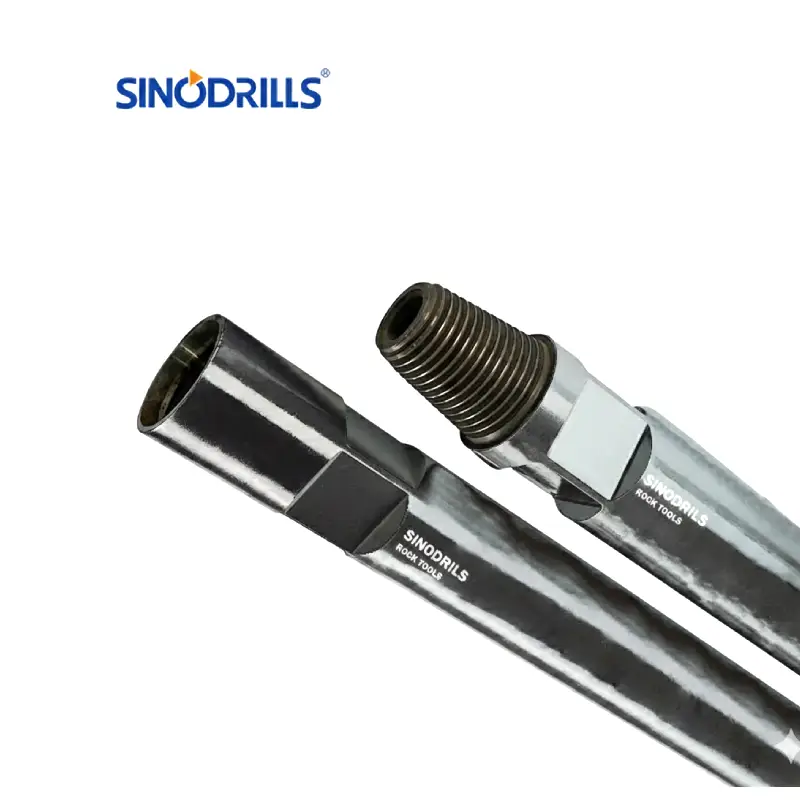
DTH Drill Pipes Standard
-
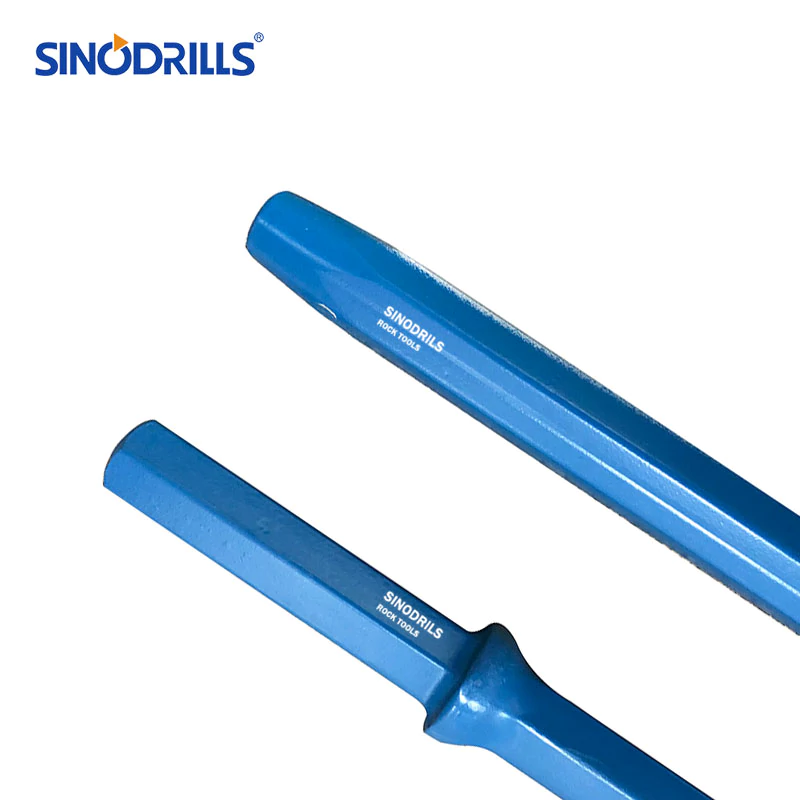
Fully Carburized Taper Drill Rods
-
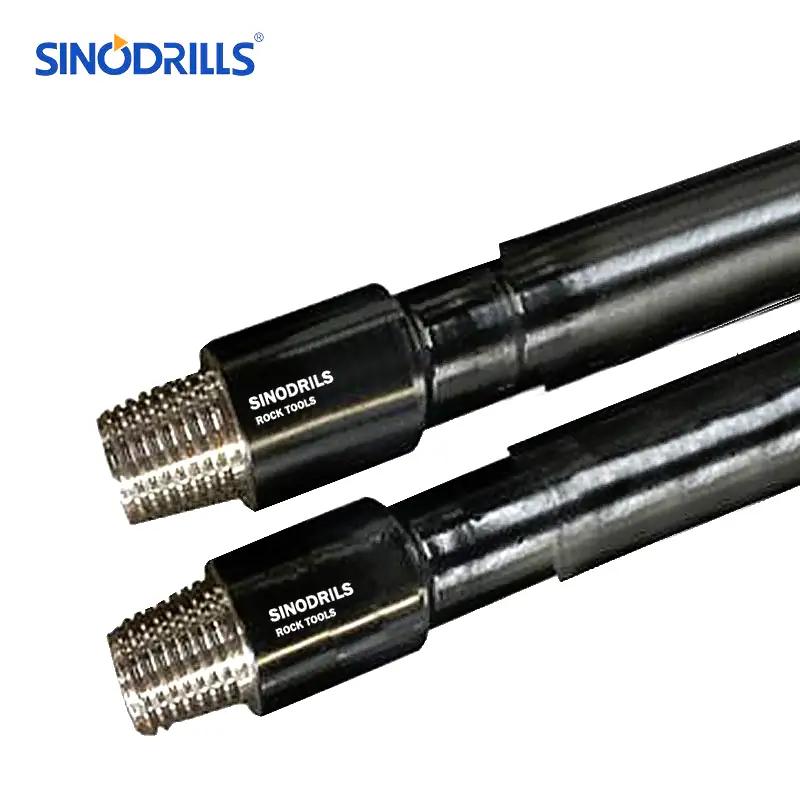
GSE DTH Drill Pipe Atlas Copco-Ingersoll Rand T4 IRT4
-
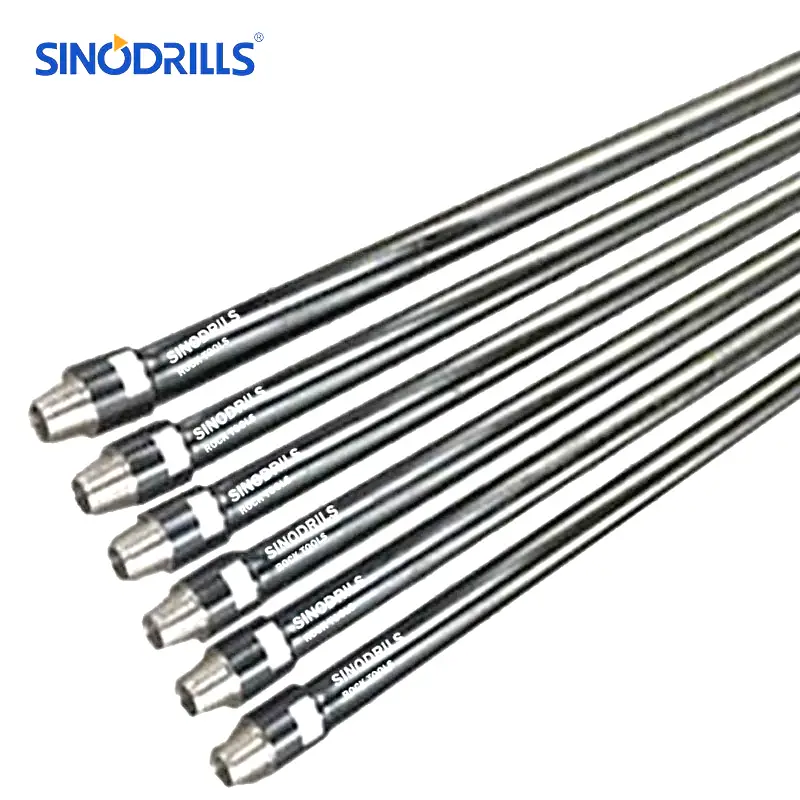
GSE DTH Drill Pipe for SANDVIK/Driltech D25/D40K
-
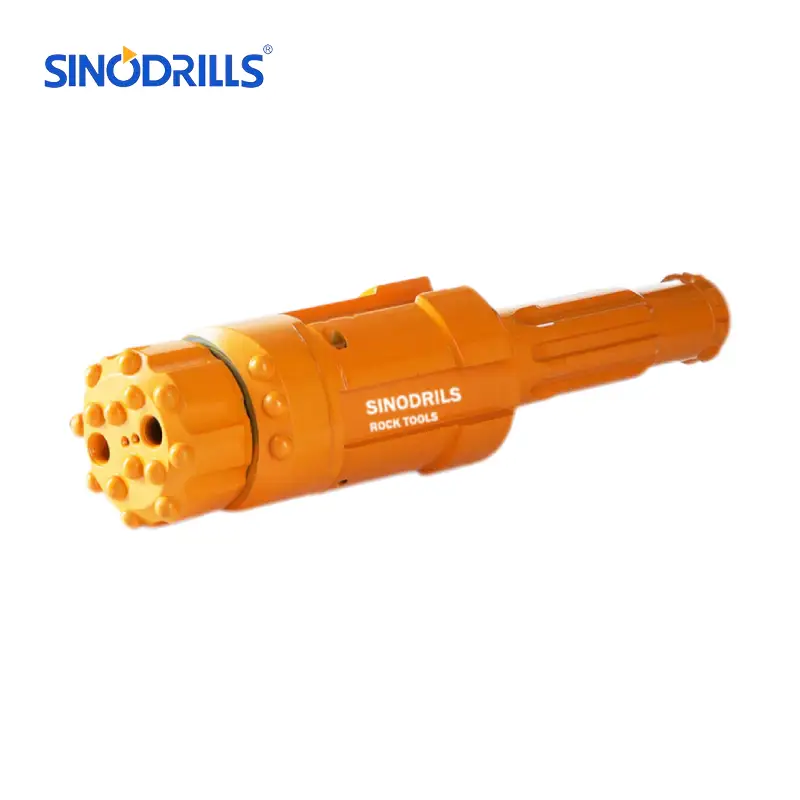
Eccentric Overburden Casing Drilling Systems
-
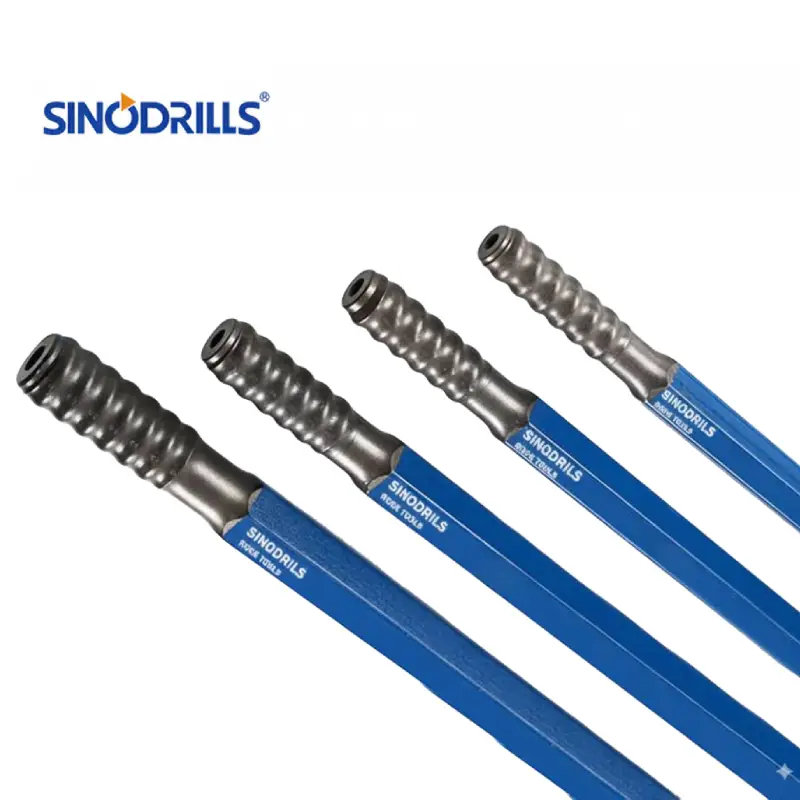
Hexagonal Drill Extension Rods
-
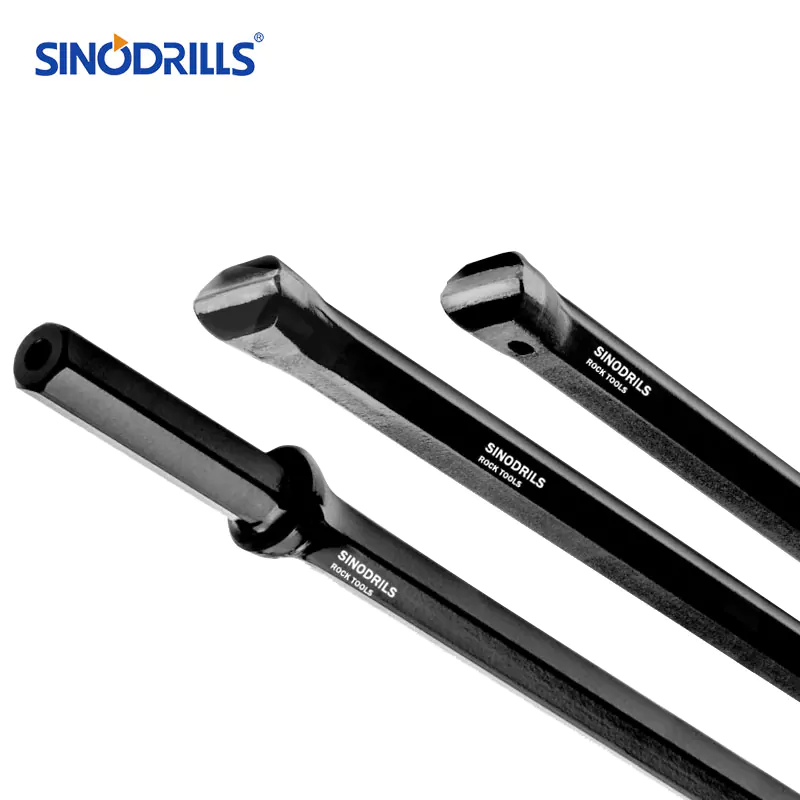
Integral Drill Rods
-
R25 Self-Drilling Anchor Systems
-
R32 Self-Drilling Anchor Systems
Drilling a well requires a specialized array of tools and equipment, far beyond just the drill bit itself. The selection of these tools is critical to the efficiency, safety, and ultimate success of the well drilling project, as each component plays a vital role in penetrating various geological formations and constructing a reliable water source.
The ensemble of tools encompasses heavy machinery for drilling, various types of rods for depth extension and power transmission, specialized bits for different ground types, and essential equipment for well casing, development, and water extraction. The proper functioning and compatibility of these tools ensure the well is drilled to specification and provides a consistent water supply.
Key tools required include:
- Drilling Rig: The primary machinery for rotating the drill string and applying downward pressure.
- Drill Rods/Pipes: Connects the drill bit to the rig, transmitting rotational force and providing a conduit for drilling fluids.
- Drill Bits: Designed with various cutting elements (e.g., roller cone, PDC, hammer bits) suited for different rock and soil types.
- Drill Collars: Heavy, thick-walled pipes placed above the bit to provide weight and stiffness to the drill string.
- Casing: Steel or PVC pipes installed into the borehole to prevent collapse and seal off unwanted water zones.
- Well Screens: Perforated sections of pipe placed in the aquifer to allow water entry while filtering out sediment.
- Drilling Fluids/Mud System: Circulated to cool the bit, carry cuttings to the surface, and stabilize the borehole.
- Well Pumps: Submersible or jet pumps used to draw water from the well to the surface.
- Pressure Tanks: Stores water and maintains pressure in the well system for consistent supply.
- Logging Tools: Used to assess geological formations and identify water-bearing zones.
- Safety Equipment: Personal protective equipment (PPE), emergency shut-off systems, and fall protection.
How Much Does It Cost to Drill a Well?
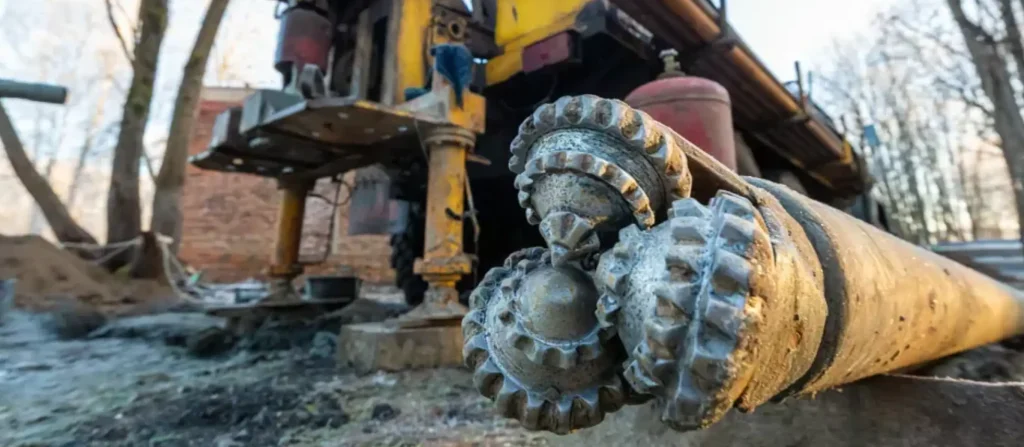
The cost of drilling a water well can vary significantly, typically ranging from a few thousand to tens of thousands of dollars, depending on a multitude of factors. There isn’t a single fixed price, as each well project is unique to its location, geological conditions, and the specific requirements of the property owner.
Understanding the components that contribute to the overall expenditure is key to anticipating and budgeting for your well-being.
The primary cost drivers include the depth of the well, the type of geological formations encountered (e.g., soft soil versus hard rock), the chosen drilling method, and the specific components of the well system itself, such as the casing, pump, and filtration.
Additionally, regional labor rates, permitting fees, and site accessibility can also influence the final price tag.
- Drilling Footage: This is often the largest component, charged per foot, varying significantly with ground type.
- Casing Material & Installation: Cost depends on the material (PVC, steel) and the length needed to line the well.
- Pump System: Includes the pump (submersible, jet), pressure tank, and all necessary plumbing and electrical work.
- Well Development & Testing: Processes to clean the well and ensure water quality and yield.
- Permits & Fees: Required by local and state regulations.
- Mobilization Fees: Cost for bringing equipment to the site, especially for remote locations.
Here’s an estimated cost about drilling well:
| Cost Factor | Estimated Range (USD) | Notes |
| Drilling (per foot) | $15 – $60+ | Varies by ground type (e.g., soil vs. hard rock), depth, and diameter. |
| Casing (per foot) | $5 – $20+ | Depends on material (PVC vs. Steel) and diameter. |
| Well Pump & Installation | $1,500 – $5,000+ | Submersible pumps generally cost more than jet pumps. |
| Pressure Tank | $300 – $1,000 | Essential for well system operation. |
| Well Cap & Seal | $50 – $200 | Basic components for well protection. |
| Well Development & Cleaning | $500 – $1,500 | Ensures optimal water flow and quality. |
| Water Quality Testing | $100 – $500+ | Essential for potability and contaminant analysis. |
| Permits & Inspections | $100 – $1,000+ | Varies significantly by local regulations. |
| Mobilization/Setup Fee | $500 – $2,000 | For transporting equipment to the site. |
| Total Estimated Cost | $3,000 – $25,000+ | Highly variable based on all factors, can exceed this for complex wells. |
Well Drilling Cost Calculator
A well drilling cost calculator is a valuable online tool designed to provide an estimated cost for drilling a new water well. By inputting key project specifics such as desired depth, location, and ground conditions, the calculator leverages pre-programmed data and common industry rates to generate a preliminary budget. This helps property owners prepare financially.
These well drilling cost calculators simplify complex cost estimations, offering a quick overview of potential expenses without requiring direct consultation with a driller initially. While providing a useful starting point, it’s crucial to remember that these are estimates; actual costs can vary based on unforeseen geological challenges or specific contractor pricing.
Well Drilling Cost Calculator
How to Drill a Well?
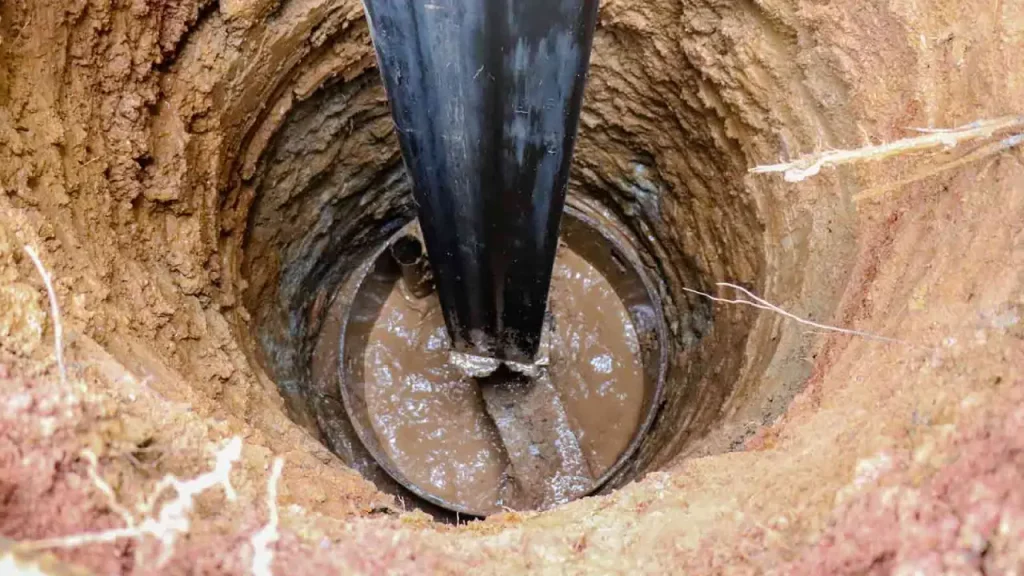
Drilling a well is a complex process requiring specialized equipment and expertise to safely access groundwater. It involves several distinct stages, from initial site assessment to final well completion, all designed to ensure a reliable and potable water source for your property.
Step 1: Site Selection and Permitting
The first crucial step involves carefully selecting the well’s location, considering factors like geological surveys, proximity to contamination sources, and access for drilling equipment. This often requires a professional hydrological assessment to identify suitable aquifers and avoid environmental hazards.
Concurrently, obtaining necessary permits from local and state authorities is mandatory. This ensures compliance with regulations regarding well construction, water rights, and environmental protection, often requiring detailed plans and adherence to specific drilling standards before work can commence.
Step 2: Drilling the Borehole
Once permits are secured and the site prepared, the actual drilling of the borehole begins. Specialized drilling rigs use various drilling methods, such as rotary, percussion, or auger drilling—depending on the ground conditions and desired depth. The drill bit penetrates the earth, removing soil and rock cuttings to create the well shaft.
Throughout this process, drilling fluid (like water or drilling mud) is often circulated to lubricate the bit, stabilize the borehole walls, and carry cuttings to the surface. The drilling continues until the desired depth and a sufficient water-bearing aquifer are reached, indicated by geological signs and water flow.
Step 3: Casing and Well Screen Installation
After the borehole is drilled, well casing is installed. This involves inserting a durable pipe, typically made of PVC or steel, into the hole to prevent the well walls from collapsing and to seal off undesirable shallow groundwater or contaminants. The casing extends from the surface down to the water-bearing zone.
A well screen is then positioned at the bottom of the casing, within the aquifer. This specialized pipe section has slots or perforations that allow water to flow into the well while preventing sand, gravel, and other sediment from entering, ensuring a clean and continuous water supply.
Step 4: Well Development and Pump Installation
Well development is performed to remove fine sediments from the aquifer around the well screen, improving the flow of water into the well and increasing its efficiency. This can involve surging, bailing, or pumping techniques to clear the area and optimize water yield and quality.
Finally, the well pump system is installed. This typically includes a submersible pump (placed deep within the well), a pressure tank, and necessary plumbing and electrical connections to deliver water to the desired location. Water quality testing is then conducted to ensure the water is safe for consumption.
Well Drilling Methods
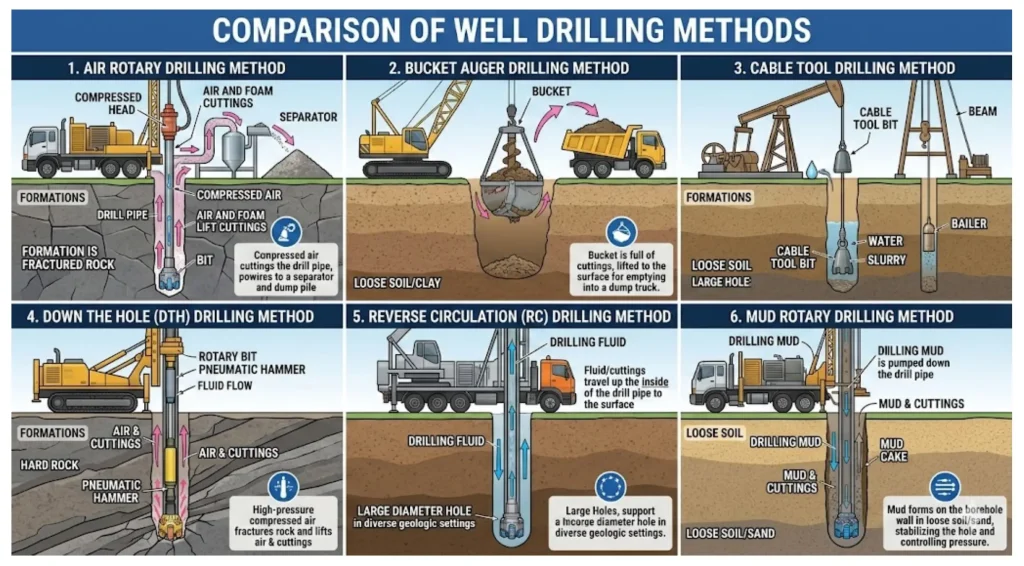
Different drilling methods are selected based on geology, well diameter, depth, and project goals. Each technique uses distinct equipment and circulation systems to penetrate soil or rock efficiently while protecting groundwater quality and maintaining borehole stability during construction.
Air Rotary Drilling Method – A truck-mounted rotary system uses compressed air (sometimes with water/foam) to break rock and lift cuttings up the borehole. It works well in consolidated formations and helps remove cuttings quickly for sampling.
Bucket Auger Drilling Method – This uses a large rotating bucket to excavate big-diameter holes in unconsolidated soils. Cuttings fill the bucket and are removed at the surface, producing clean geological samples without flushing fluid.
Cable Tool Drilling Method – One of the oldest percussion systems, it repeatedly lifts and drops a heavy bit to crush material. It’s simple, rugged, uses basic equipment, and is suited for shallow wells in softer formations.
Down the Hole Drilling Method – Combines percussion and rotary cutting with a hammer on the bit that breaks hard rock efficiently. Compressed air flushes cuttings out, offering faster penetration in consolidated formations.
Reverse Circulation Drilling Method – A large rig pumps fluid down around the drill string, and cuttings are brought up inside the drill pipe to the surface. This is ideal for large-diameter wells and removes cuttings more efficiently.
Mud Rotary Drilling Method – Drill fluid (“mud”) is circulated down the pipe and back up outside of it to carry cuttings away. The fluid stabilizes the borehole and allows drilling in unstable unconsolidated materials.
Well Drilling Tools
Recommended Well Drilling Tools
-
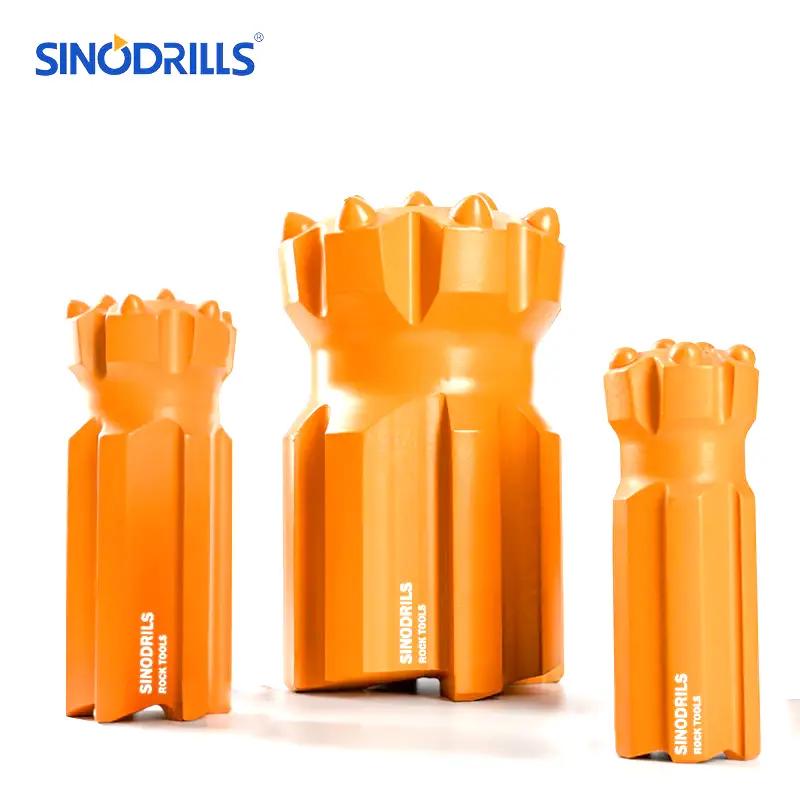
Retract Drill Bits
-
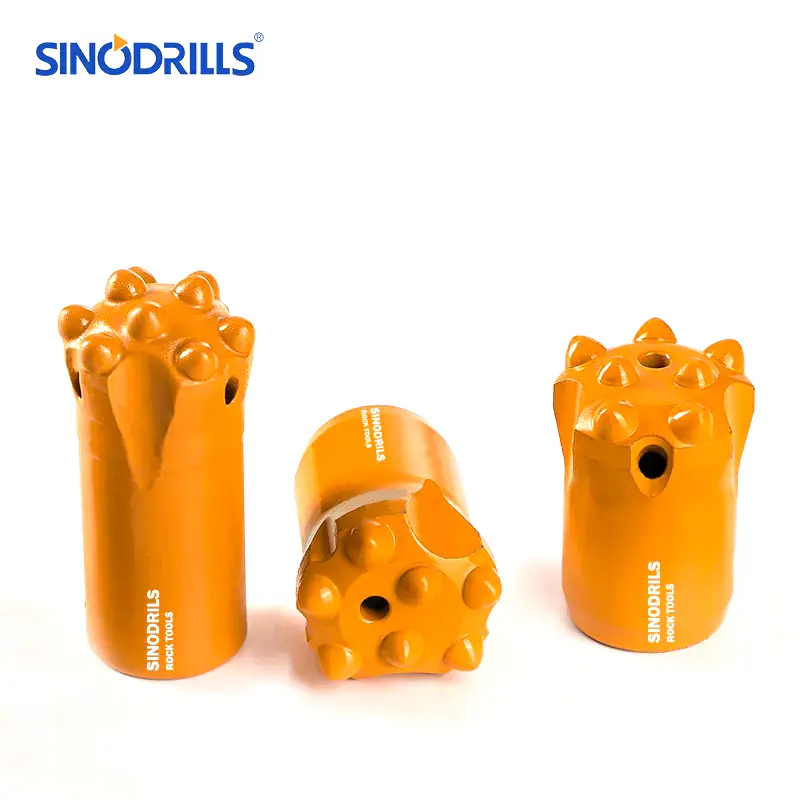
Taper Drill Bits
-
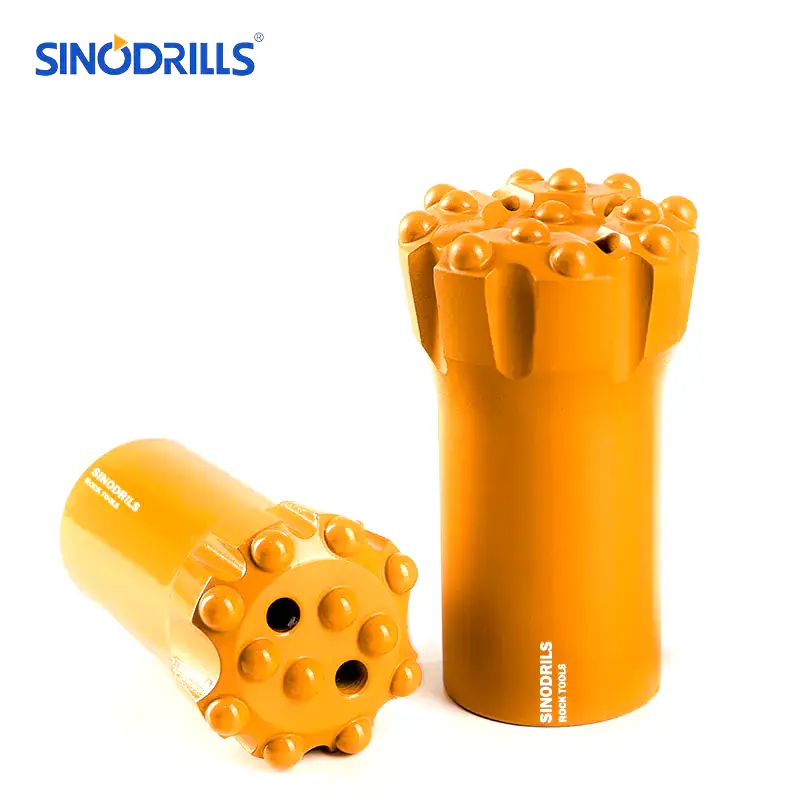
Threaded Drill Bit
-
Eccentric Overburden Casing Drilling Systems
-
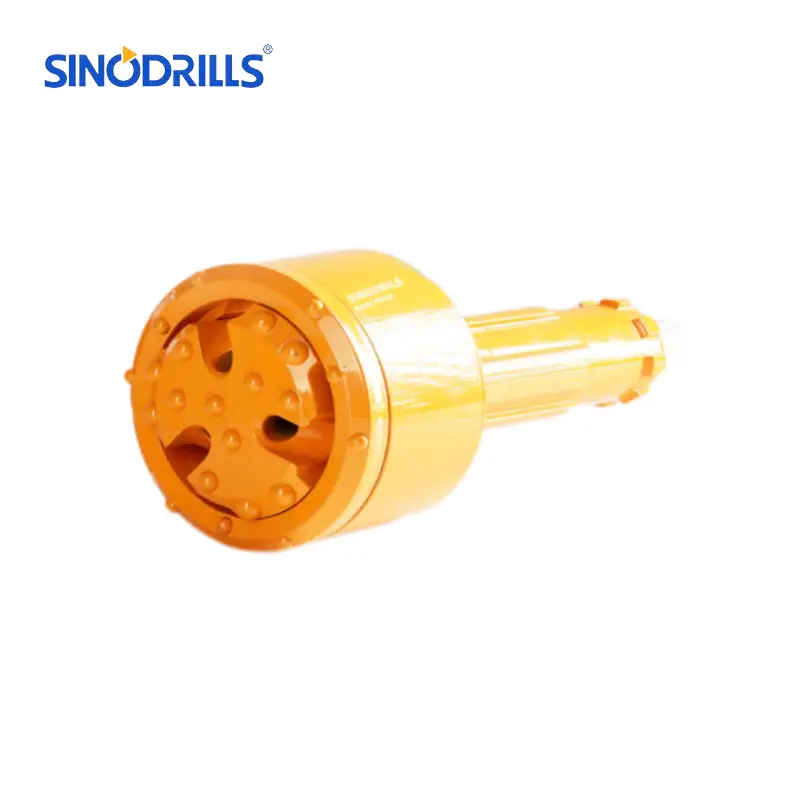
Symmetric Overburden Casing Drilling Systems
-
DTH Drill Pipes Standard
-
GSE DTH Drill Pipe Atlas Copco-Ingersoll Rand T4 IRT4
-
GSE DTH Drill Pipe for SANDVIK/Driltech D25/D40K
-
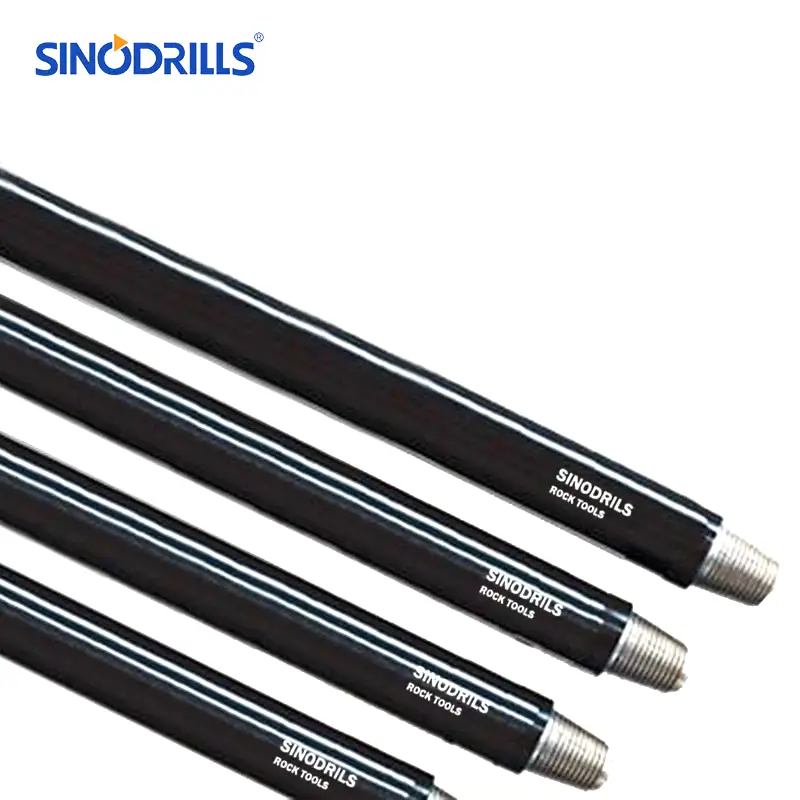
GSE DTH Pipe Atlas Copco Roc F6/L6/L8
Well drilling requires specialized tools to ensure accuracy, efficiency, and safety. The right tools make the process smoother and help achieve the desired well depth and water flow. Here are some essential well drilling tools used during the process:
- Drill Bit: The drill bit is the primary tool for cutting through soil and rock during the well drilling process. We offer various types, including diamond and carbide-tipped bits, which are designed for durability and efficient drilling through tough materials like rock and clay.
- Drilling Rig: A drilling rig is essential for powering the entire well drilling process. It provides the mechanical force required to rotate the drill bit and penetrate the earth. Rigs come in different sizes, depending on the scale of the operation and the type of well being drilled, from shallow residential to deep industrial wells.
- Casing: Casing is used to line the well after drilling to prevent it from collapsing and to keep out contaminants. Steel or PVC casings are commonly used to ensure structural integrity and long-term stability. They also protect the well from shifting soil and groundwater.
- Drilling Fluid (Mud): Drilling fluid, often called drilling mud, is essential for cooling the drill bit, removing debris, and stabilizing the wellbore. The mud helps maintain pressure within the well, preventing collapse while ensuring smooth drilling. Proper fluid management is crucial to a successful well drilling operation.
- Well Screen: A well screen is placed at the bottom of the well to filter out sand and other debris while allowing water to flow freely. Screens are designed to provide high flow rates and are typically made from stainless steel or plastic, ensuring long-lasting durability.
- Pump: After the well is drilled, a pump is used to bring water to the surface. Submersible pumps or jet pumps are commonly installed, depending on the depth of the well. The pump is a critical component for ensuring efficient water extraction and distribution to your property or system.
How to Choose Suitable Well Drilling Tools?
Choosing the right well drilling tools is essential to ensure a smooth and efficient drilling process. The tools you select depend on factors like soil type, well depth, and the specific needs of your project. Here are some key factors to consider when selecting the most suitable tools:
- Soil and Rock Type: The type of soil and rock you’ll be drilling through is a critical factor in selecting tools. Hard rock formations require more durable drill bits, such as diamond or carbide-tipped bits, while softer soils may only need standard steel bits for efficient cutting and penetration.
- Well Depth: The depth of the well determines the size and power of the drilling rig and pump you’ll need. For shallow wells, a compact, portable rig is sufficient, while deeper wells require more powerful rigs capable of reaching greater depths. Consider the well’s depth to choose the appropriate equipment.
- Water Flow Requirements: If your well needs to produce high water volumes, choosing the right pump and screen is crucial. A larger well screen with a higher flow rate and a submersible pump can provide better water output, while smaller systems may require less complex tools for optimal performance.
- Budget and Project Scope: Your project’s budget and scope should also influence tool selection. For smaller projects, renting drilling equipment or opting for more basic tools may suffice. Larger, commercial projects may require specialized tools that are more expensive but offer long-term performance and durability for extensive drilling tasks.
- Environmental Conditions: Environmental factors, like weather conditions and location, also play a role in choosing suitable drilling tools. For example, high water tables or unstable soil conditions might require additional support, like casing or specific mud types, to ensure stability and prevent collapses during drilling.
- Tool Maintenance and Durability: Selecting tools with low maintenance requirements and high durability is essential for long-term performance. High-quality materials and easy-to-replace parts can help reduce downtime and increase the lifespan of your well drilling equipment, making it more cost-effective in the long run.
Conclusion
Understanding the various factors influencing well drilling costs is crucial for accurate budgeting and project planning. From geological conditions and well depth to pump systems and permits, each element plays a significant role in the final expenditure.
While initial costs can seem substantial, a private well often provides long-term savings and reliable access to water, making it a valuable investment for many homeowners and businesses. Careful planning and professional consultation are key to a successful project.
For all your well drilling needs, including wholesale well drilling tools, consider Sinodrills. We provide durable and efficient equipment to support your drilling projects, ensuring cost-effectiveness and performance.