
Borehole drilling is the key to unlocking the secrets of the Earth’s subsurface. This process involves creating a narrow shaft in the ground for various purposes, from accessing water to exploring for minerals. Our guide will demystify this essential technique.
This ultimate guide will take you on a journey through the world of borehole drilling. We’ll cover everything from the basic principles and types of boreholes to the advanced equipment and methods used by professionals. Whether you’re a student, a homeowner, or an industry expert, this guide has something for you.
What is Borehole Drilling?
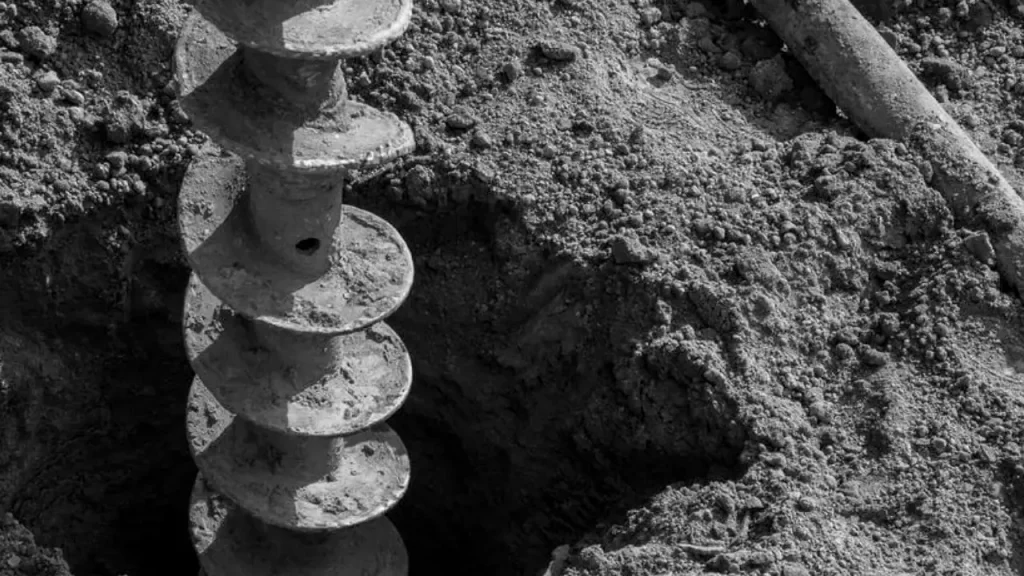
Borehole drilling is the process of creating a narrow, deep hole in the ground using specialized equipment. These boreholes, or wells, are constructed for a wide range of applications, from accessing underground resources like water, natural gas, and oil, to conducting geotechnical investigations and environmental assessments.
The drilling methods and machinery used vary significantly depending on the geological conditions and the purpose of the borehole, but they all serve the fundamental goal of reaching and extracting or studying what lies beneath the Earth’s surface.
What is Double Casing in Borehole Drilling?
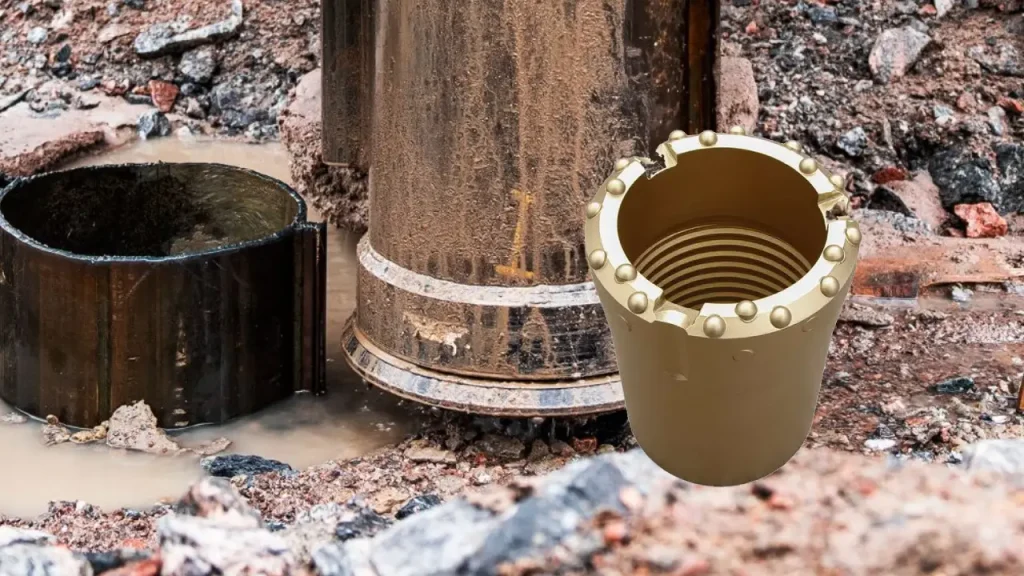
Double casing is a specialized borehole drilling technique that involves installing a smaller inner casing pipe within a larger outer casing pipe. This dual-layered system is crucial for providing enhanced structural integrity and stability to the borehole, especially when drilling through challenging or unstable geological formations like loose sand, gravel, or fractured rock.
The outer casing serves as a protective barrier, preventing the borehole walls from caving in, while the inner casing can be used to protect the drill string, circulate fluids, or ensure the final borehole remains secure and free from contamination. This method significantly reduces the risk of borehole collapse, which can lead to project delays and increased costs.
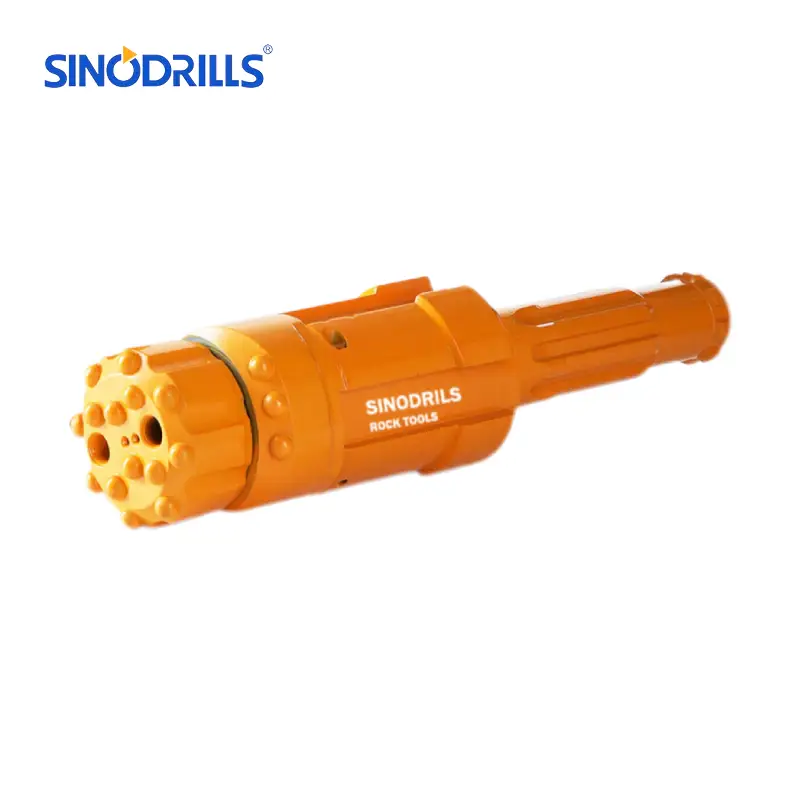
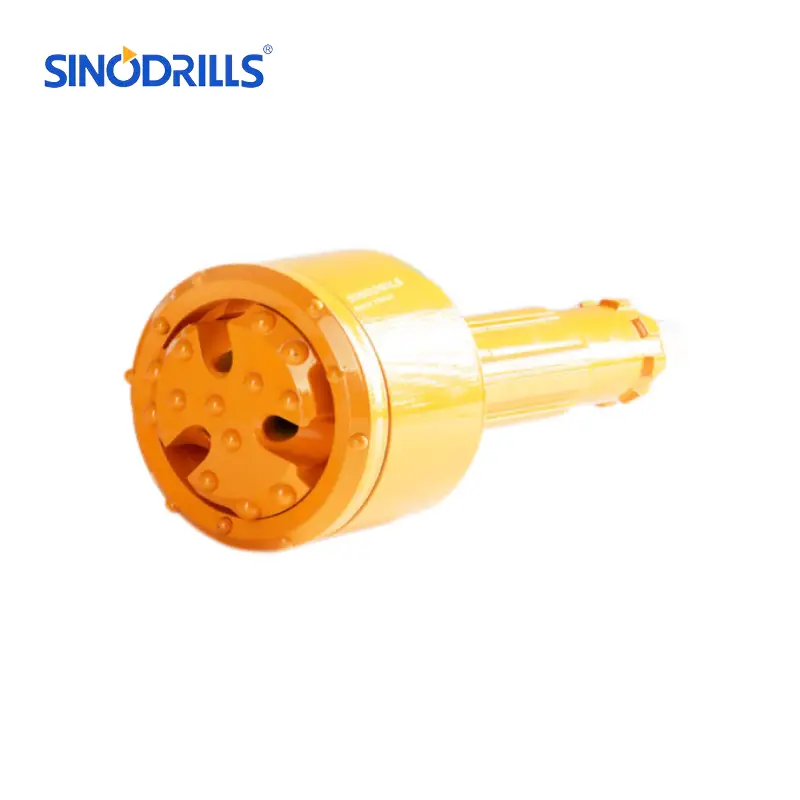
Recommended Casing Drilling Systems
Borehole Drilling Benefits
Borehole drilling offers a multitude of benefits, making it a valuable investment for both individuals and industries. One of the most significant advantages is the establishment of an independent and reliable water supply, reducing or eliminating reliance on municipal services and protecting against water restrictions and price increases.
This self-sufficiency also contributes to a property’s value and can lead to long-term cost savings. Boreholes provide access to naturally filtered, chemical-free groundwater, which can be healthier for consumption and daily use. Beyond water access, borehole drilling is crucial for a variety of other applications, including:
- Geotechnical surveys: Assessing ground conditions for construction projects to ensure structural stability.
- Geothermal heating and cooling: Tapping into the earth’s stable temperature for sustainable energy.
- Mineral and oil exploration: Locating and accessing valuable underground resources.
- Environmental monitoring: Collecting soil and water samples to test for contaminants.
Drilling Tools for Borehole Drilling
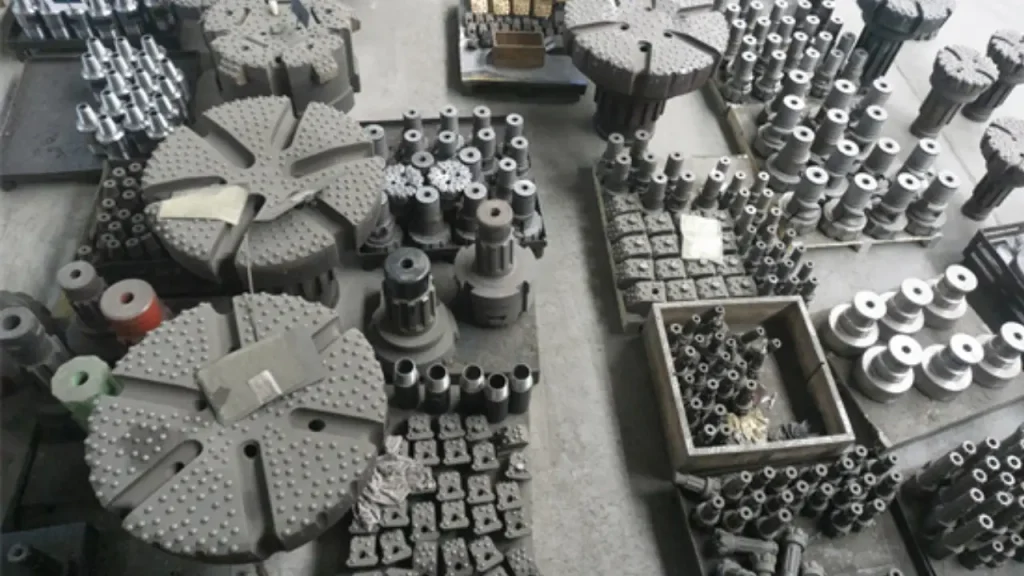
Borehole drilling relies on a specialized suite of tools and equipment to effectively penetrate the earth’s surface and create a well or shaft. This process requires a combination of heavy machinery, such as drilling rigs, and a variety of downhole tools like drill bits, pipes, and hammers.
The specific tools used depend heavily on the drilling method and the geological conditions of the site. For instance, drilling through solid rock requires different tools than drilling through soft soil.
Major Components and Tools
Drilling Rigs: The most prominent piece of equipment, the drilling rig, provides the power and control necessary to drive the drilling tools. There are various types of rigs, including truck-mounted rigs for mobility and larger, stationary rigs for deep-well operations. The rig’s main components include a derrick or mast for hoisting and a power system, which can be hydraulic, electric, or pneumatic.
Drill Bits: The drill bit is at the very end of the drill string and is responsible for cutting into the ground. The type of bit used is determined by the hardness of the rock or soil.
Recommended Drilling Bits
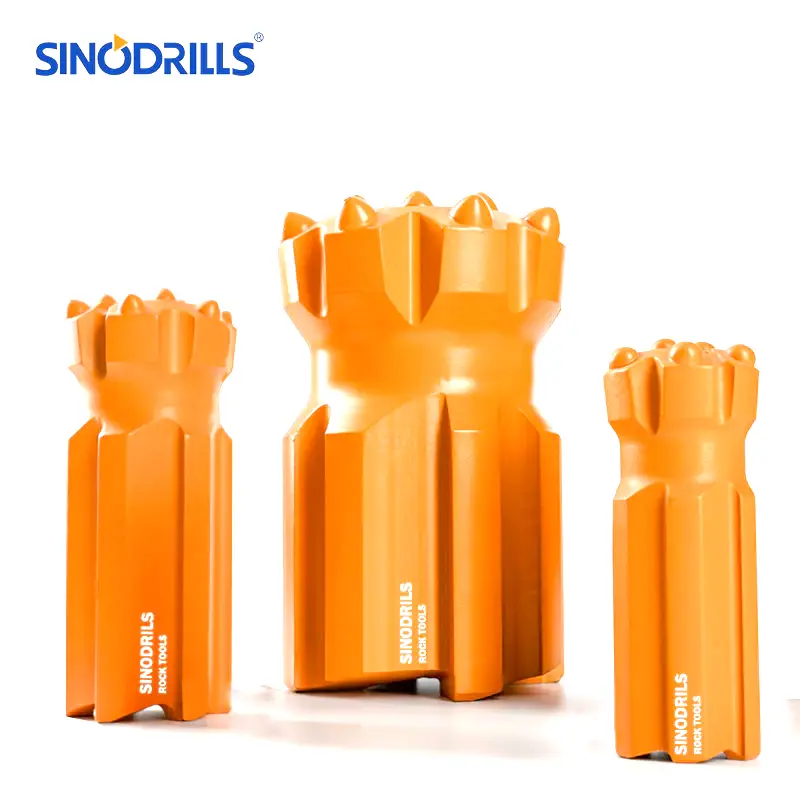
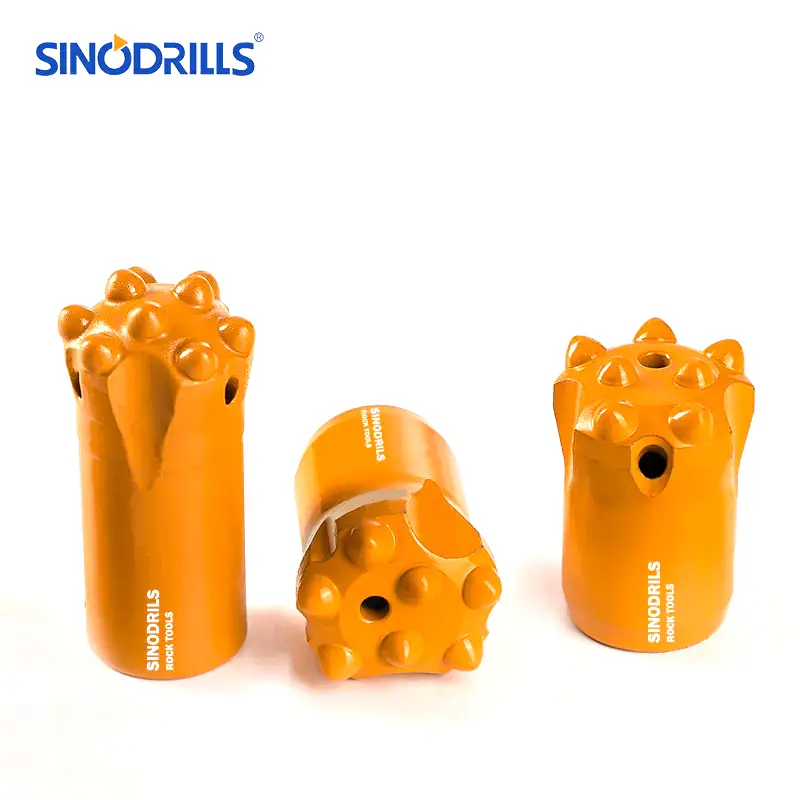
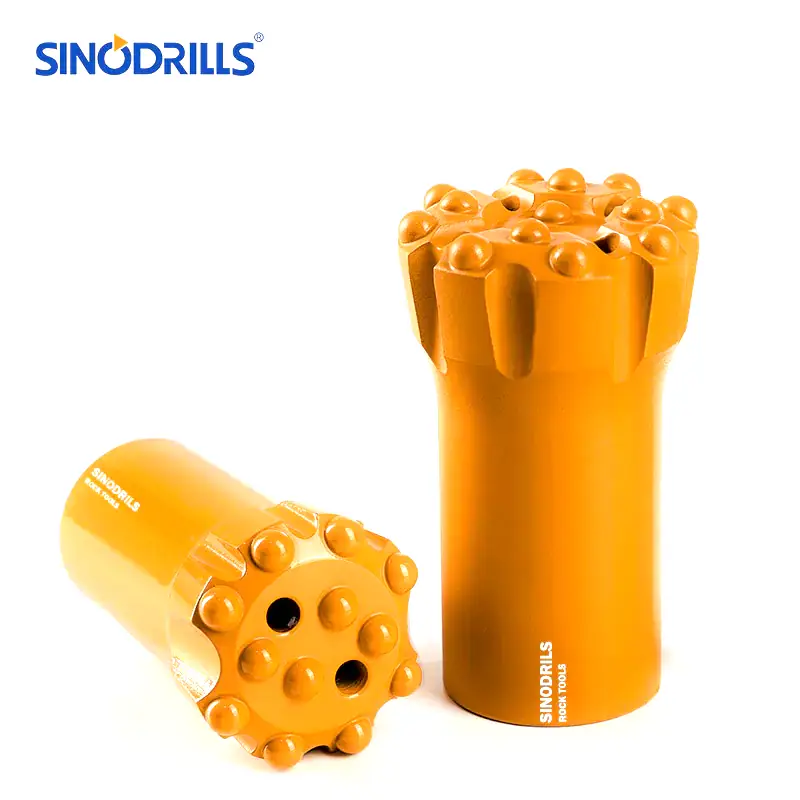
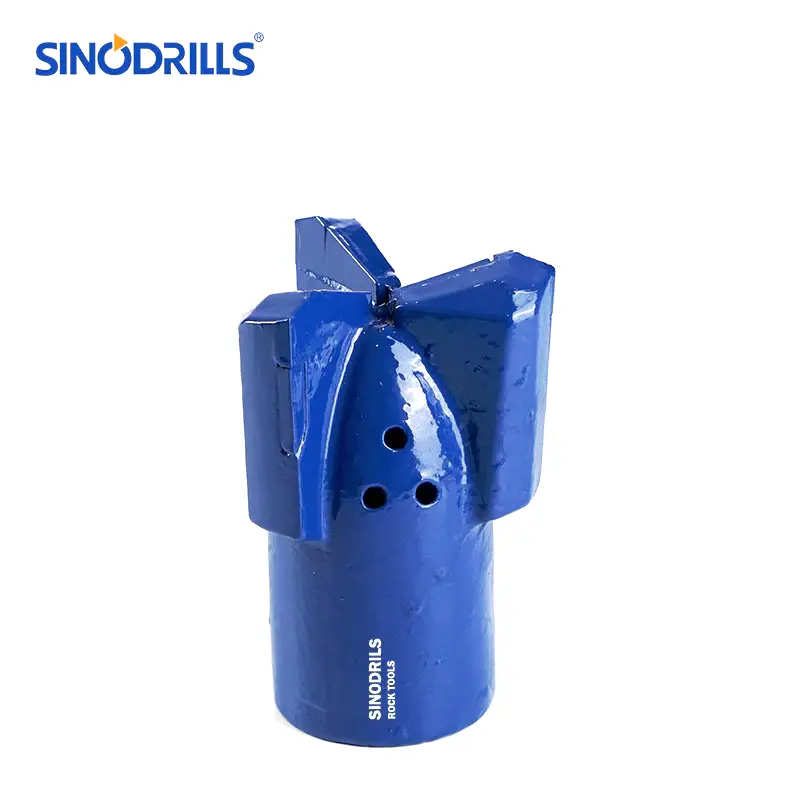
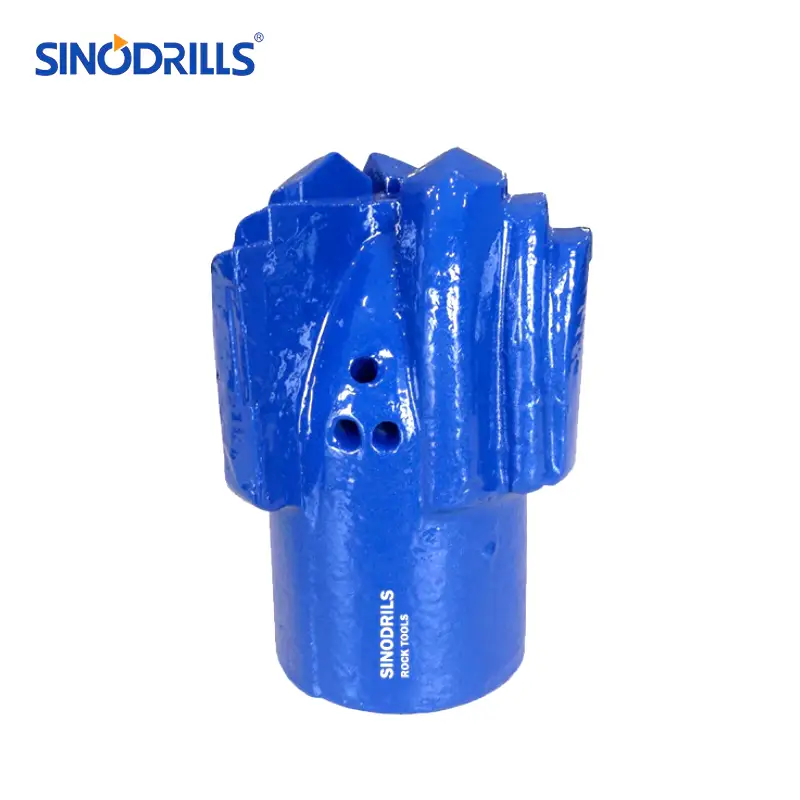
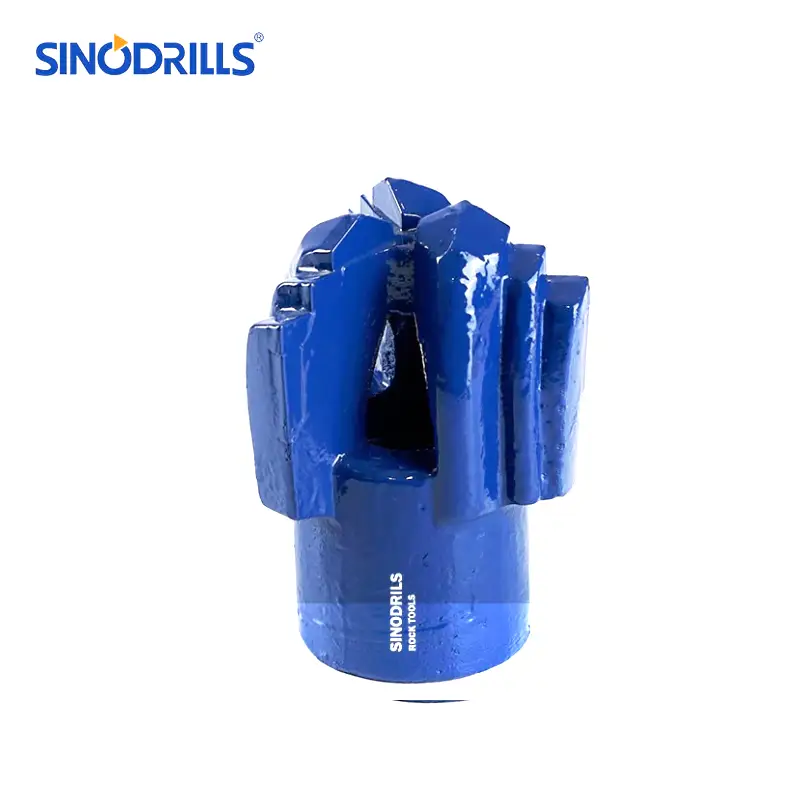
- Auger Bits: Used in soft, unconsolidated formations like sand or clay. Their spiral shape lifts the cuttings to the surface.
- Drag Bits: Ideal for soft to medium-hard formations. They have fixed blades that scrape and shear the rock.
- Roller Cone Bits: Feature rotating cones with steel teeth or tungsten carbide inserts that crush the rock. They are highly effective for hard, abrasive rock formations.
- PDC (Polycrystalline Diamond Compact) Bits: These bits have diamond cutters that shear the rock, making them exceptionally durable and fast for drilling in medium to very hard rock.
- Down-the-Hole (DTH) Hammer Bits: Used with a DTH hammer to deliver powerful, high-frequency blows, making them perfect for very hard rock formations like granite.
Auxiliary Tools and Systems
- Drill Pipe and Collars: Drill pipes are hollow, steel tubes that connect the drill bit to the surface rig. They transmit rotational power and drilling fluids. Drill collars are thicker, heavier pipes that are placed just above the bit to provide weight and stabilize the drilling.
- Drilling Fluids (Mud): A fluid, often a mix of water, clay, and chemicals, is circulated down the drill pipe and back up the borehole. The drilling fluid cools and lubricates the bit, carries cuttings to the surface, and stabilizes the borehole walls to prevent collapse.
- Casing and Screens: Once the borehole is drilled, a steel or PVC casing is installed to prevent the walls from collapsing. A well screen is placed at the bottom of the casing, allowing water to enter while filtering out sand and sediment.
Borehole Drilling Process
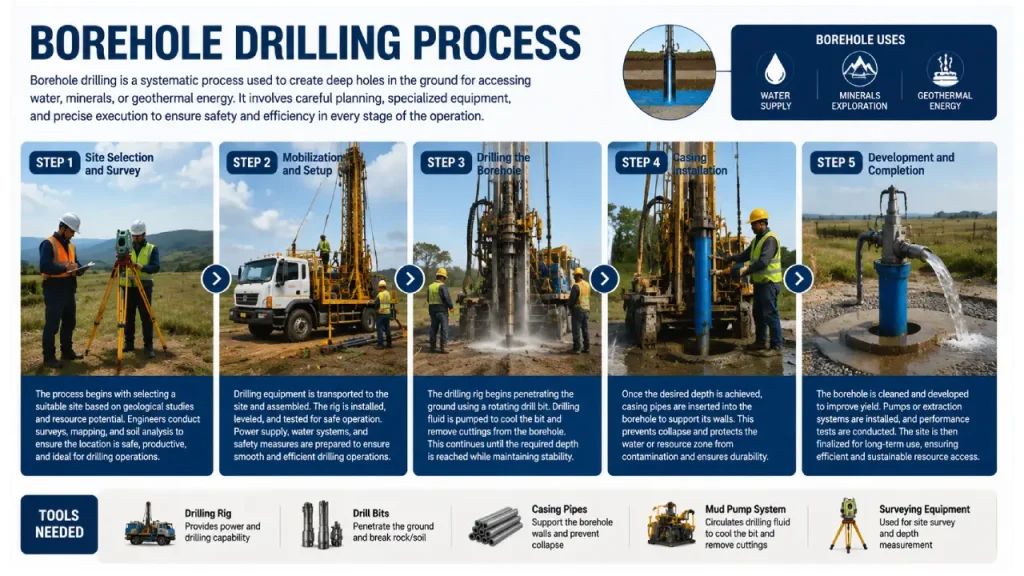
Borehole drilling is a systematic process used to create deep holes in the ground for accessing water, minerals, or geothermal energy. It involves careful planning, specialized equipment, and precise execution to ensure safety and efficiency. The process is widely used in water supply projects, exploration drilling, and environmental investigations across different terrains.
Tools Needed:
- Drilling rig
- Drill bits
- Casing pipes
- Mud pump system
- Surveying equipment
Step 1: Site Selection and Survey
The borehole drilling process begins with selecting a suitable site based on geological studies and water or mineral potential. Engineers conduct surveys using mapping tools and soil analysis. This ensures the location is safe, productive, and suitable for drilling operations before any physical work begins on site preparation.
Step 2: Mobilization and Setup
In this step, drilling equipment is transported to the selected site and assembled carefully. The rig is installed, leveled, and tested for safe operation. Power supply, water systems, and safety measures are prepared. Proper setup ensures smooth drilling operations and reduces risks during the entire borehole construction process ahead.
Step 3: Drilling the Borehole
The drilling rig begins penetrating the ground using a rotating drill bit. Drilling fluid is pumped to cool the bit and remove cuttings from the borehole. This process continues until the required depth is reached, while maintaining stability and preventing collapse of surrounding soil and rock formations underground.
Step 4: Casing Installation
Once the desired depth is achieved, casing pipes are inserted into the borehole to support its walls. This prevents collapse and protects the water or resource zone from contamination. The casing is carefully placed and secured, ensuring long-term structural integrity and safe extraction from the drilled borehole system.
Step 5: Development and Completion
In the final step, the borehole is cleaned and developed to improve water or resource flow. Pumps or extraction systems are installed, and performance tests are conducted. The site is then finalized for long-term use, ensuring efficient operation and sustainable resource access from the completed borehole structure.
Borehole Drilling Applications
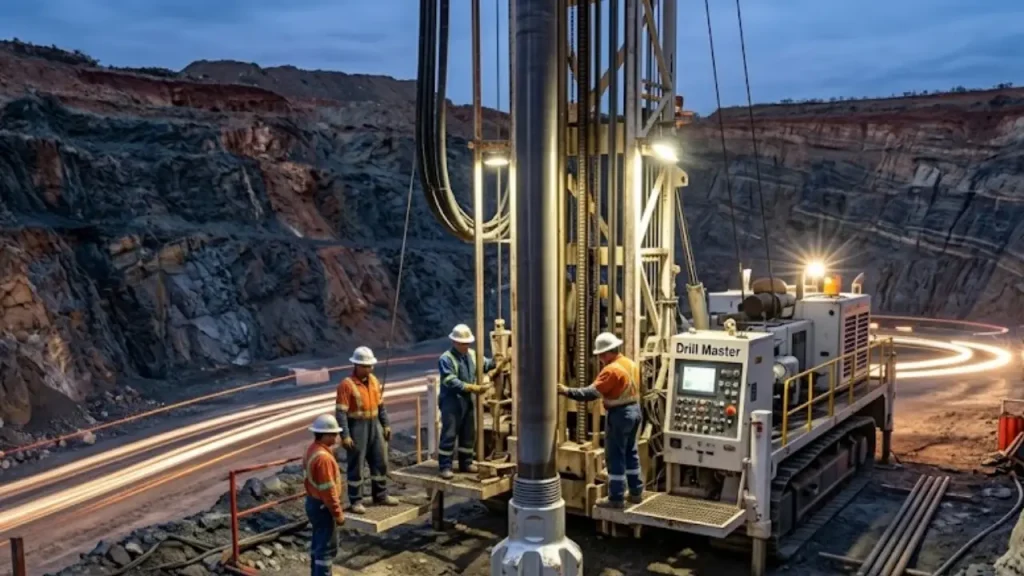
Borehole drilling is a fundamental process with a wide range of applications across various industries. It is a critical method for accessing what lies beneath the Earth’s surface for both resource extraction and data collection.
The uses of borehole drilling mean it can be tailored to different geological conditions and project goals, making it an indispensable tool for engineers, geologists, and environmental professionals. Key applications include:
- Water wells: Creating a reliable and clean source of water for residential, agricultural, and industrial use, which is particularly vital in arid regions.
- Geotechnical investigations: Drilling boreholes to collect soil and rock samples to assess ground stability, a crucial step for the design and construction of foundations for buildings, bridges, and other infrastructure.
- Mineral and oil exploration: Used extensively in the mining and energy sectors to locate, evaluate, and extract valuable resources such as minerals, natural gas, and petroleum.
- Geothermal energy: Installing boreholes to access the Earth’s stable temperature for sustainable heating and cooling systems in both homes and commercial buildings.
- Environmental monitoring: Drilling to collect groundwater and soil samples to monitor for contaminants, helping to assess environmental health and plan for remediation efforts.
Types of Borehole Drilling
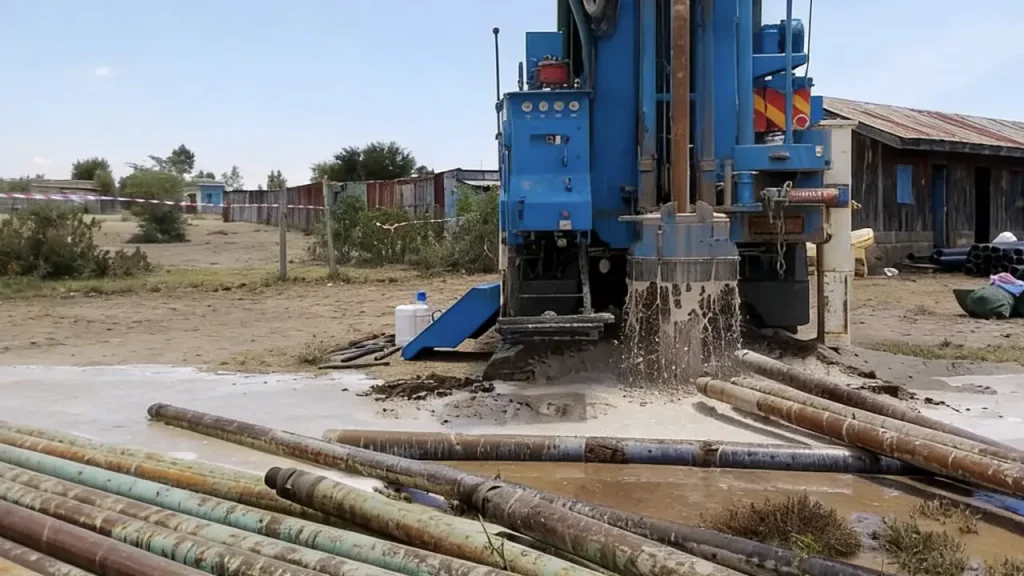
Borehole drilling encompasses several distinct methods, each suited to specific geological conditions and project requirements. The choice of drilling technique depends on factors such as the type of soil or rock, the desired depth, and the purpose of the borehole.
Modern technology has led to the development of highly efficient drilling methods that can penetrate various rock formations, from soft sediment to hard rock, while older, more traditional methods remain valuable in certain contexts. The most common types of borehole drilling include:
- Rotary Drilling: This is one of the most common methods, using a rotating drill bit to cut through the ground. It is effective in a wide range of formations and is often used for deep water wells and oil and gas exploration.
- Cable Tool Drilling (Percussion Drilling): An older, but still relevant method that uses a heavy, chisel-like bit repeatedly dropped to crush rock. It is reliable for drilling through hard rock and is often used for smaller-scale projects.
- Auger Drilling: This technique uses a helical screw (auger) to bore into the ground. It is best suited for drilling in soft, cohesive soils and is a fast and simple method for shallow boreholes.
- Down-the-Hole (DTH) Drilling: This method uses a powerful, percussive hammer located at the bottom of the drill string to break up hard rock. It is highly efficient for drilling through difficult rock formations and achieving fast penetration rates.
- Reverse Circulation (RC) Drilling: A variation of rotary drilling that uses a dual-tube system to bring cuttings to the surface within the drill pipe, allowing for continuous and accurate sampling. It is commonly used for mineral exploration.
Different Borehole Casing Pipe Lengths
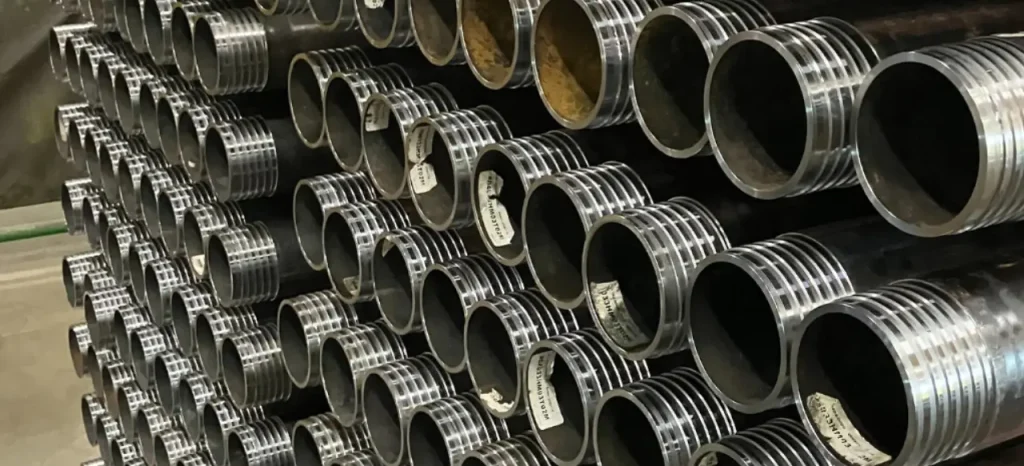
We manufacture and supply a wide array of borehole casing pipe lengths tailored for diverse geological and drilling specifications. Our manufacturing process ensures that each segment meets strict industry standards for strength and durability in downhole environments.
Choosing the correct drill bit length is crucial for effective well construction and minimizing the number of connections required.
- Range 1 (R1) Lengths: These pipes typically range from 18 to 22 feet (5.5 to 6.7 meters) in length. We provide these shorter, manageable sections, often used for shallow wells and surface casing. Their lighter weight and ease of handling make them the preferred choice for rigs with lower height clearances or in operations requiring swift pipe manipulation and installation processes.
- Range 2 (R2) Lengths: This is the most common size, generally between 27 to 30 feet (8.2 to 9.1 meters). We offer R2 casing for the majority of intermediate and production casing strings. This optimal length provides a good balance between reducing the number of costly joints needed and maintaining convenient handling capabilities at the drilling site during regular operations.
- Range 3 (R3) Lengths: These are the longest segments, extending from 38 to 45 feet (11.6 to 13.7 meters). We supply R3 pipes primarily for deeper well sections where minimizing the total number of threaded couplings is critical for structural integrity and to reduce running time. These longer joints necessitate taller rig structures for efficient vertical hoisting and lowering procedures.
Factors Influencing Drilling Method Selection
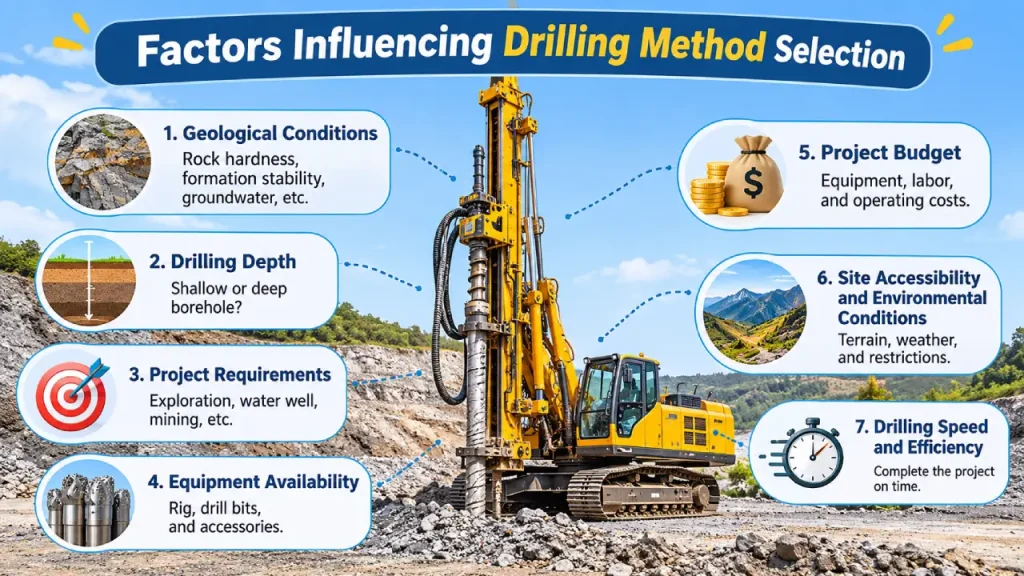
Choosing the right drilling method is essential for completing a drilling project efficiently, safely, and cost-effectively. Different geological conditions, project requirements, and site environments can affect drilling performance.
Before starting a project, we need to evaluate several important factors to determine which drilling method best meets the specific application and operating conditions.
1. Geological Conditions: Soil and rock formations are among the most important factors when selecting a drilling method. We need to consider rock hardness, formation stability, fractures, and groundwater conditions. For example, rotary drilling is suitable for various formations, while percussive drilling works effectively in hard rock environments.
2. Drilling Depth: The required drilling depth directly influences equipment selection and drilling techniques. We need to evaluate the total borehole depth, drilling diameter, and expected penetration rate. Some drilling methods are more suitable for shallow holes, while others offer better performance in deep drilling projects.
3. Project Requirements: Every drilling project has different objectives, including exploration, water well construction, mining, and foundation installation. We need to select a drilling method that meets the required hole diameter, accuracy, depth, and final application. Matching the technique to project requirements helps avoid unnecessary costs and delays.
4. Drilling Equipment and Availability: Equipment availability is another important consideration. We need to evaluate the drilling rig, drill bits, drill rods, and supporting accessories required for each method. Selecting equipment that is readily available and compatible with the project helps improve operational efficiency and reduces equipment transportation and maintenance costs.
5. Project Budget: Budget limitations can influence the choice of drilling method, including equipment investment, labor expenses, fuel consumption, and maintenance costs. We should compare the total operating costs rather than focusing only on initial equipment prices. A cost-effective drilling method should balance performance, productivity, and long-term expenses.
6. Site Accessibility and Environmental Conditions: The working environment can determine which drilling methods are practical. We need to consider available working space, terrain, transportation access, weather, and environmental restrictions. For remote or confined locations, compact drilling equipment may be more suitable, while challenging terrain may require specialized rigs and additional support systems.
7. Drilling Speed and Efficiency
Project schedules often determine how quickly drilling operations need to be completed. We should consider the penetration rate, formation characteristics, equipment performance, and potential downtime. Selecting an efficient drilling method helps reduce project duration, improve equipment utilization, and ensure that drilling operations stay on schedule.
Conclusion
Borehole drilling is a versatile and indispensable practice with applications ranging from providing clean drinking water to supporting major construction projects. Understanding the different types of drilling methods and the tools required is crucial for ensuring safety and success in any project. This guide has provided you with a comprehensive overview to help you navigate this complex field with confidence.
The right tools are essential for achieving a successful drilling outcome. From drill bits and rods to casings and pumps, each component plays a vital role. The quality and reliability of your equipment directly impact efficiency and safety. Therefore, investing in high-quality, durable tools is a decision that pays off in the long run.
For all your borehole drilling needs, look no further. We offer a full selection of wholesale borehole drill tools designed for maximum performance and durability. Get all your borehole drill tools from Sinodrills to ensure your next project is a complete success. Our products are engineered to meet the highest standards of quality and efficiency.