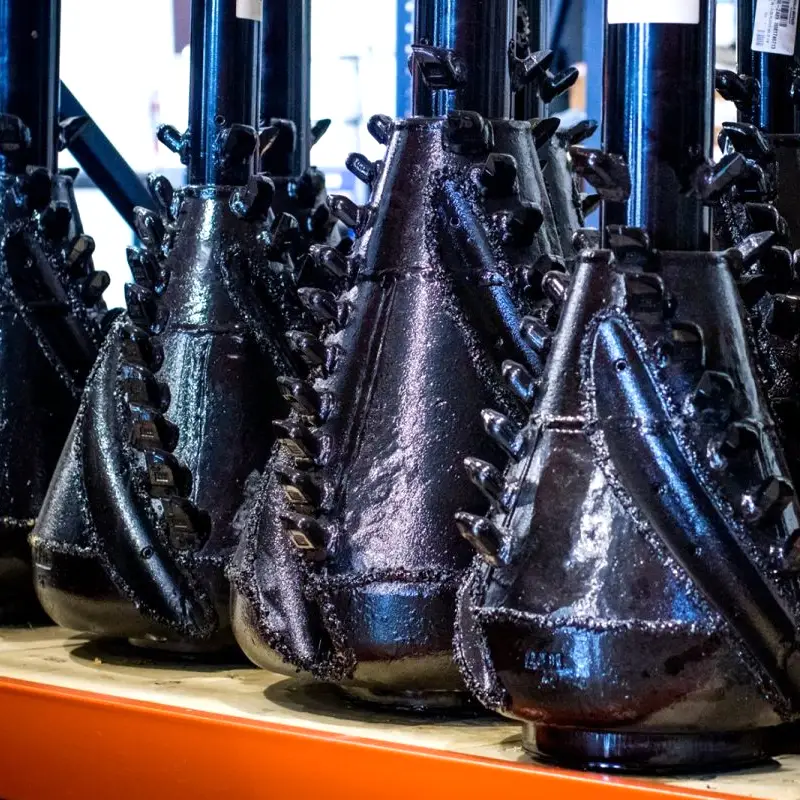
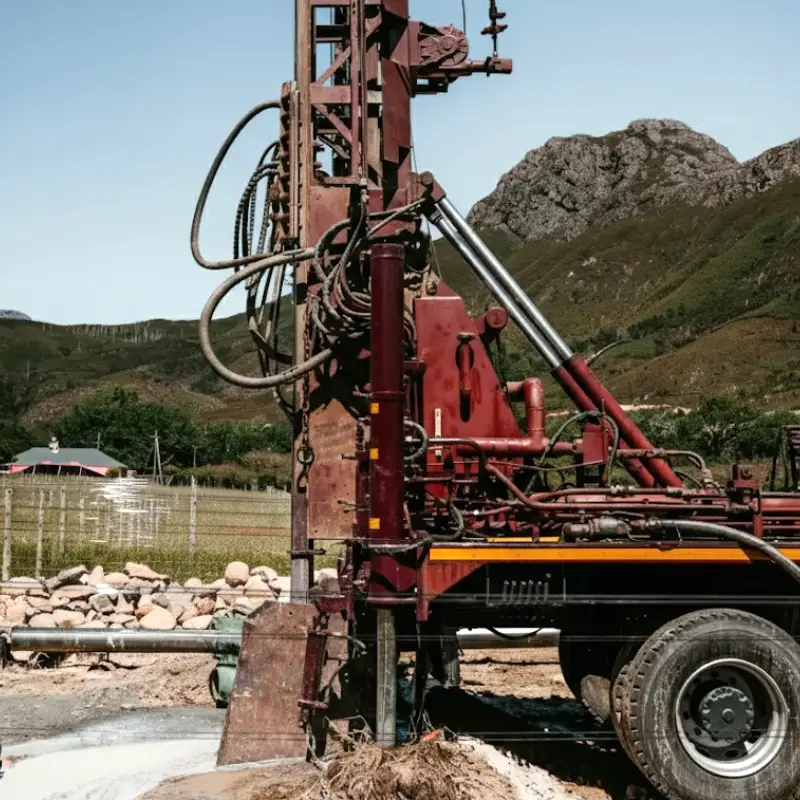
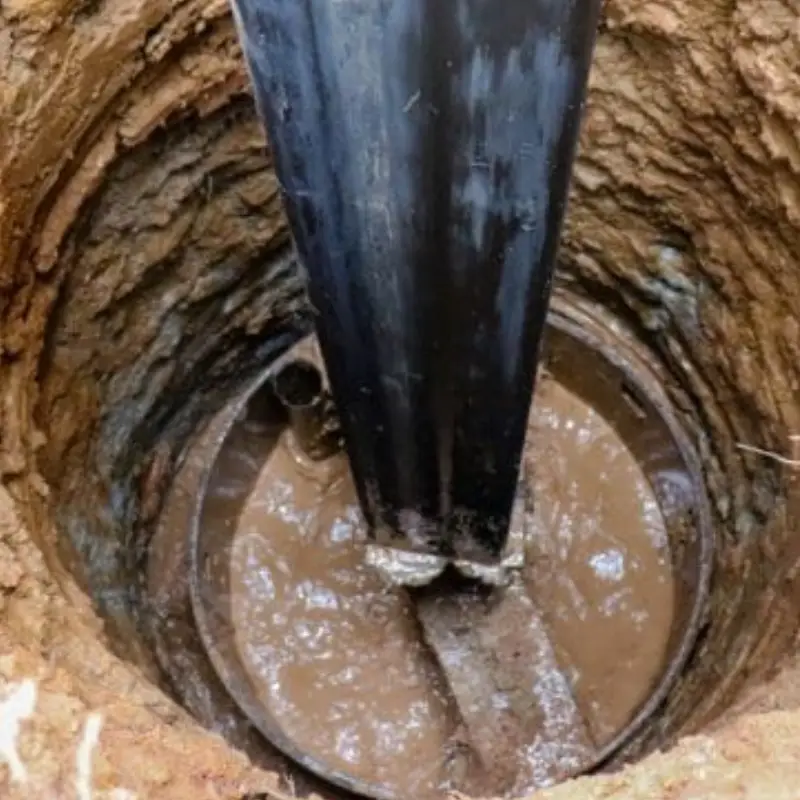
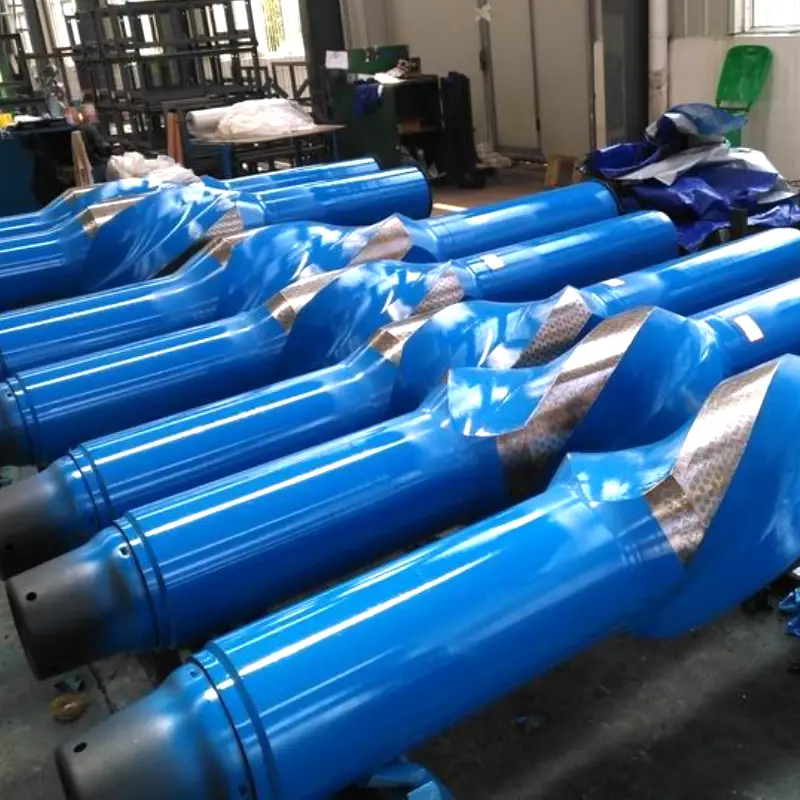
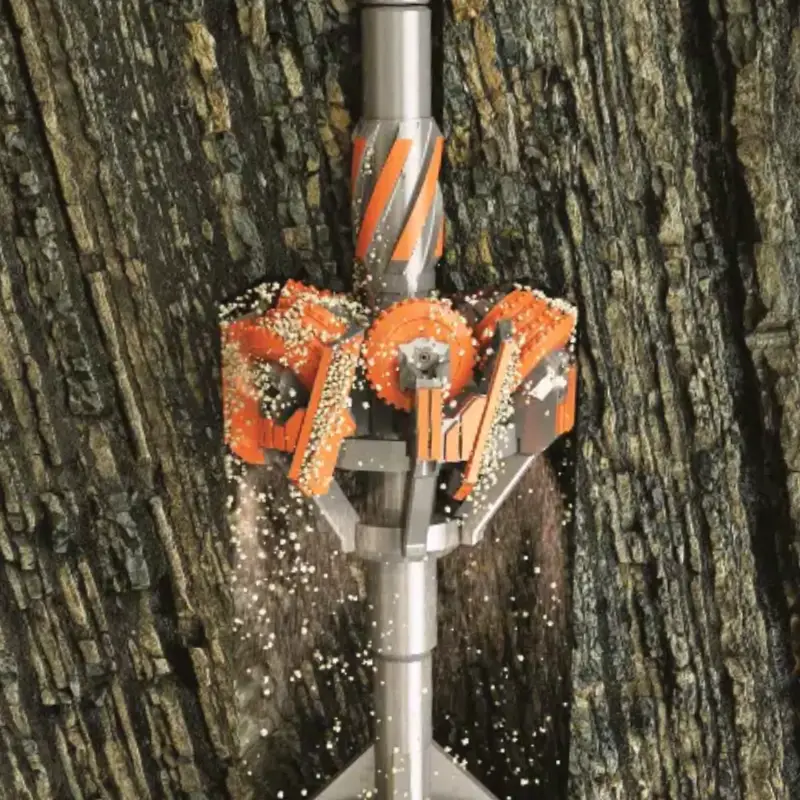
Learn everything about back reamers in our ultimate guide. Discover their purpose, features, applications, and benefits for mining, construction, water well, and horizontal directional drilling projects. Understand how back reamers improve borehole stability, hole quality, and drilling efficiency, helping you choose the right tool for your specific drilling needs.
Learn about borehole drilling costs, from average prices to influencing factors like depth, geology, and equipment. Get a clear breakdown of what impacts your borehole investment.
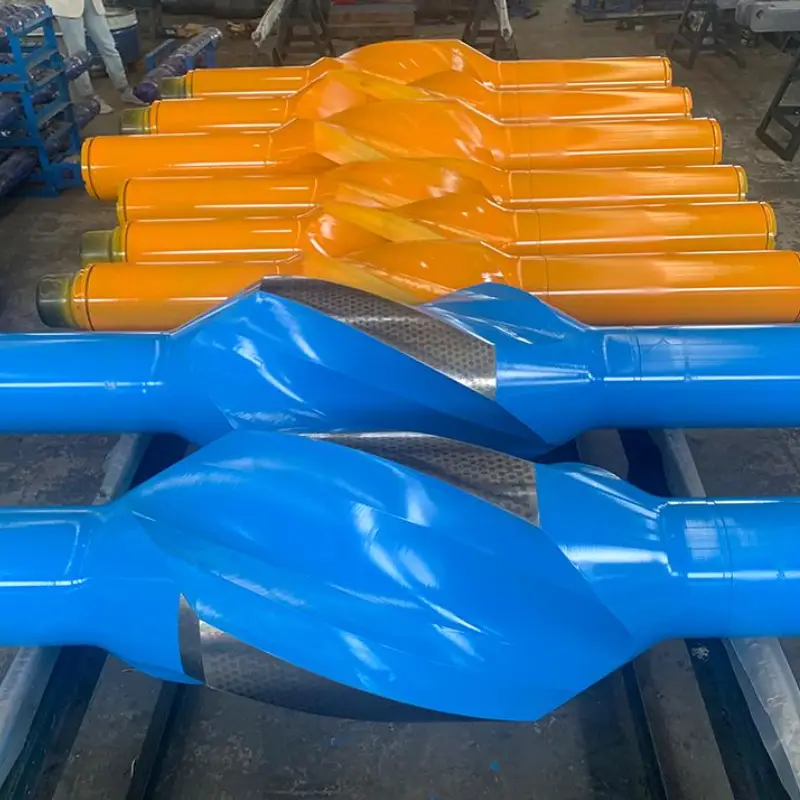
Learn the key differences between straight blade and spiral stabilizers in our detailed guide. Discover their designs, applications, benefits, and how to choose the best stabilizer for efficient drilling operations.
Discover the different types of drilling stabilizers and learn how to choose the best one for your project. Enhance wellbore stability, reduce vibration, and improve drilling efficiency with expert insights and practical tips.
Selecting the correct Rock Reamer is vital for successful Horizontal Directional Drilling (HDD) in hard formations. This guide explores different Rock Reamer types, including roller cone and PDC reamers, detailing how to match the reamer's cutter technology and size to the specific rock hardness, rig capability, and borehole diameter to maximize efficiency and prevent costly tool failure.
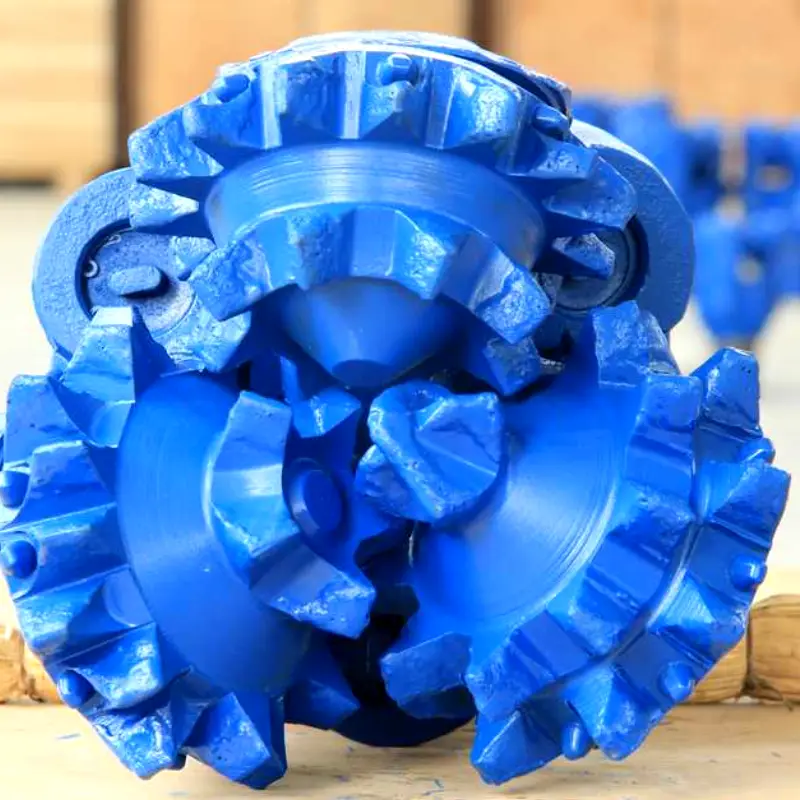
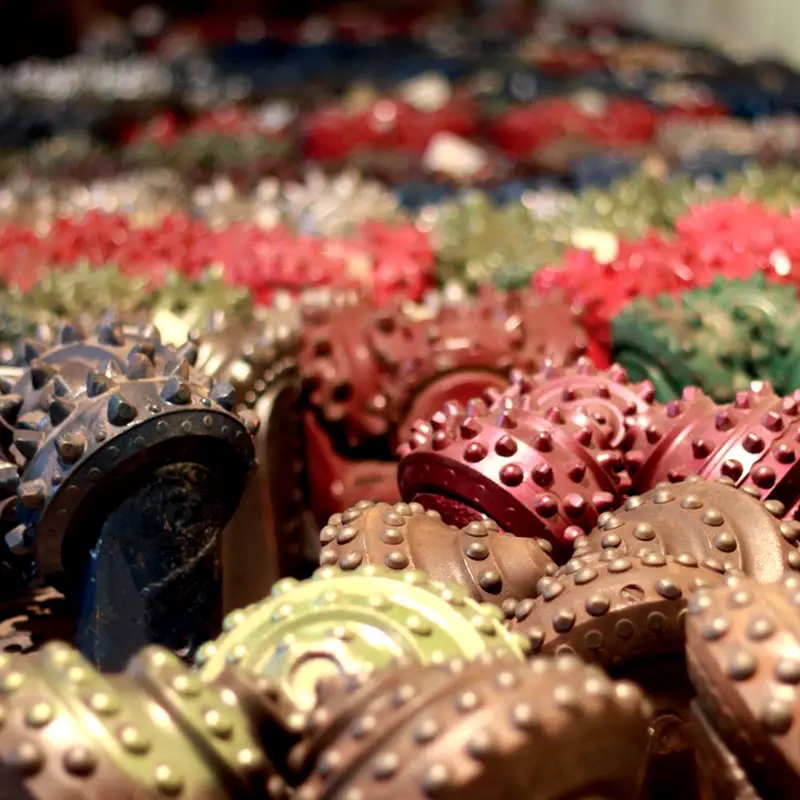
Discover what a drill bit cone is and how it works in rock drilling. Learn about types, functions, and applications in our ultimate guide for efficient drilling solutions.
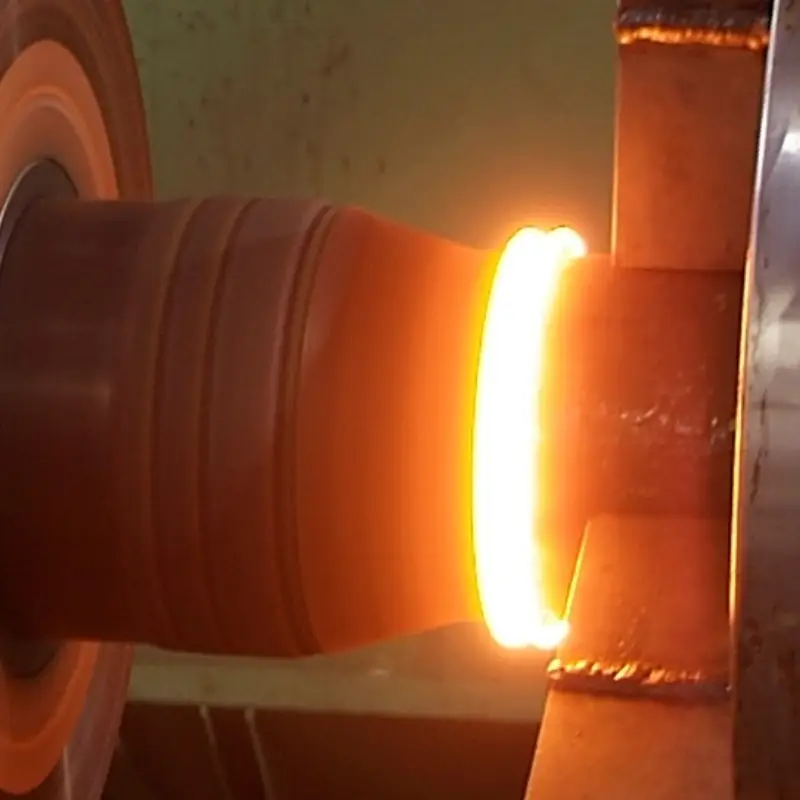
Optimize your drilling operation by understanding the Drill Pipe Friction Welding Process. Learn how this robust manufacturing technique joins tool joints and pipe bodies using rotational heat and pressure for unparalleled strength, coaxial alignment, and durability in demanding downhole environments.
Discover the ingenious mechanics of Tricone Drill Bits! Learn how their three independently rotating cones, fitted with steel teeth or tungsten carbide inserts, crush and chip away at rock. Understand the principles of weight-on-bit and rotation that make them the most versatile tool for drilling in diverse soft, medium, and hard formations across oil, gas, and mining applications.
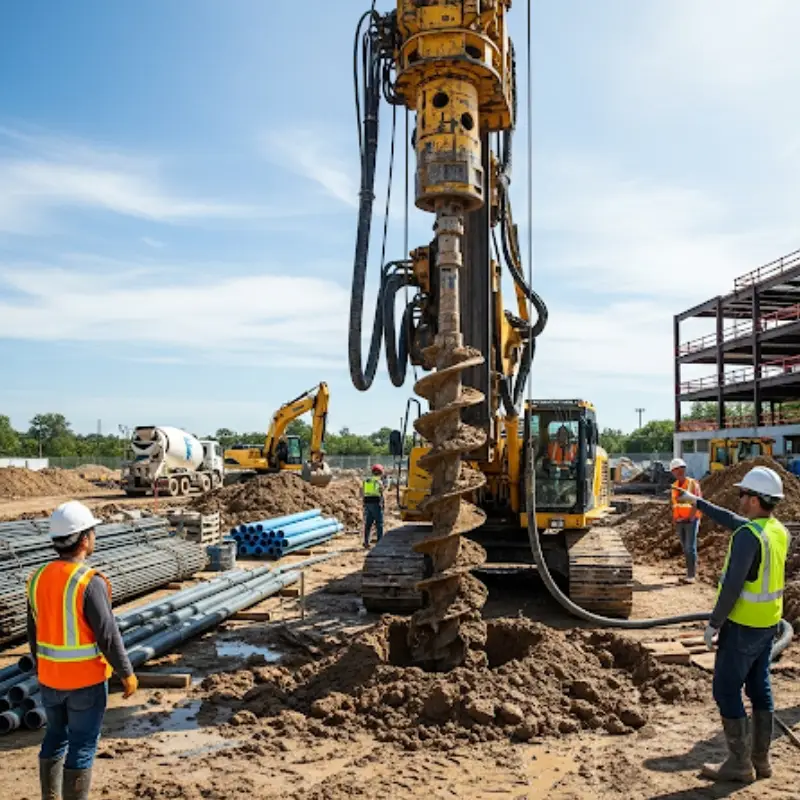
Foundation drilling is the specialized process of creating deep, large-diameter holes in the ground to install support structures for a building's foundation. It's essential for heavy structures like skyscrapers, bridges, and dams that require a deep foundation to transfer their load to stable, load-bearing soil or bedrock far below the surface. This process ensures the structure's stability and prevents settling or shifting over time.