
Selecting the right drilling stabilizer is essential for efficient and safe drilling operations. Different types of stabilizers are designed to meet specific wellbore conditions, reduce vibration, and maintain precise directional control. Understanding the available options helps drillers optimize performance and extend the lifespan of drilling tools.
Choosing the appropriate stabilizer depends on factors such as borehole size, formation hardness, and drilling objectives. By evaluating these conditions, drillers can select a stabilizer that minimizes tool wear, enhances stability, and ensures consistent drilling efficiency. Knowledge of stabilizer types allows for better project planning and cost-effective drilling solutions.
What are Drilling Stabilizers?
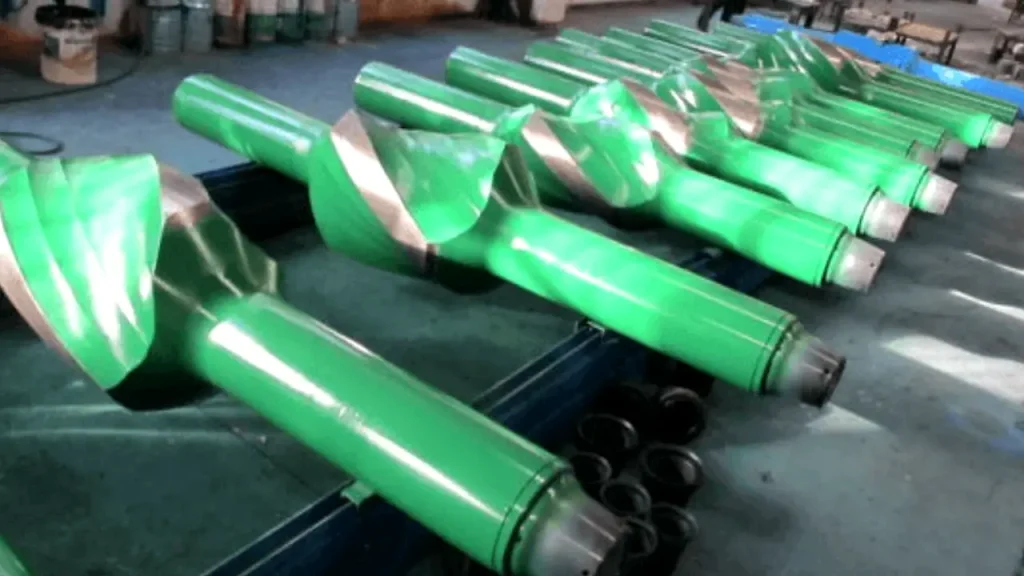
Drilling stabilizers are essential downhole tools used in oil, gas, mining, and geothermal drilling to maintain wellbore stability and control the drill string’s trajectory.
They reduce vibration, prevent deviation, and minimize wear on drill bits, ensuring smoother, safer, and more efficient drilling operations while extending the lifespan of drilling equipment.
Drilling Stabilizer Types
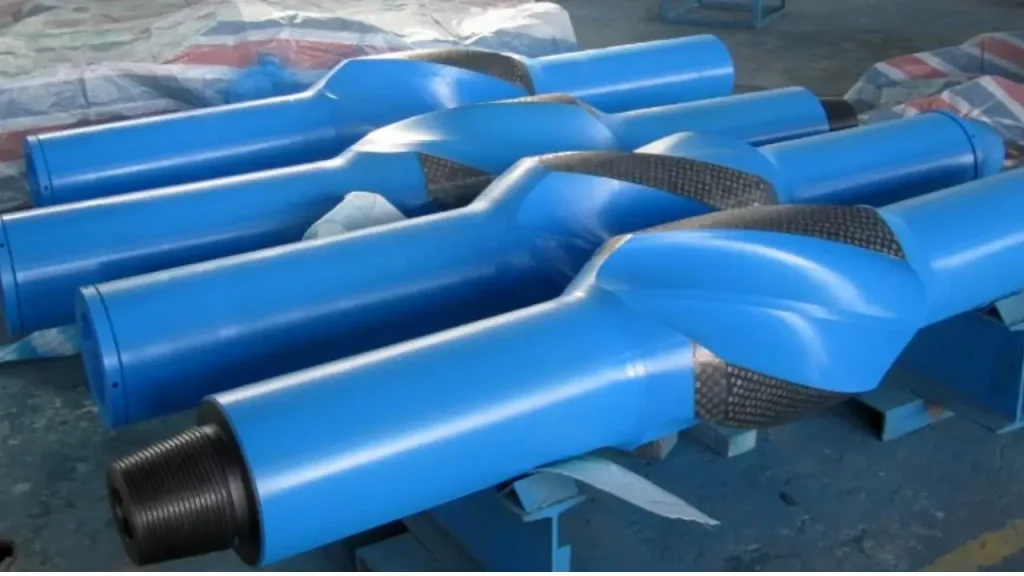
Drilling stabilizers come in various types, each designed to meet specific wellbore conditions and drilling requirements. Choosing the right stabilizer ensures optimal wellbore stability, reduces vibration, and extends tool life. Understanding the differences between welded blade, integral, and other stabilizers helps drillers enhance performance, improve efficiency, and achieve precise drilling results.
Welded Blade Stabilizers
Welded blade stabilizers feature blades securely welded to the body of the tool. They provide reliable contact with the borehole, reducing lateral movement and vibration. Their design ensures consistent performance in a wide range of drilling environments, including oil, gas, and mining applications.
These stabilizers are highly durable and can be customized with different blade configurations to suit specific drilling conditions. Their robustness allows for extended tool life, minimizing downtime and maintenance costs while maintaining precise wellbore alignment throughout drilling operations.
Straight Blade Stabilizer
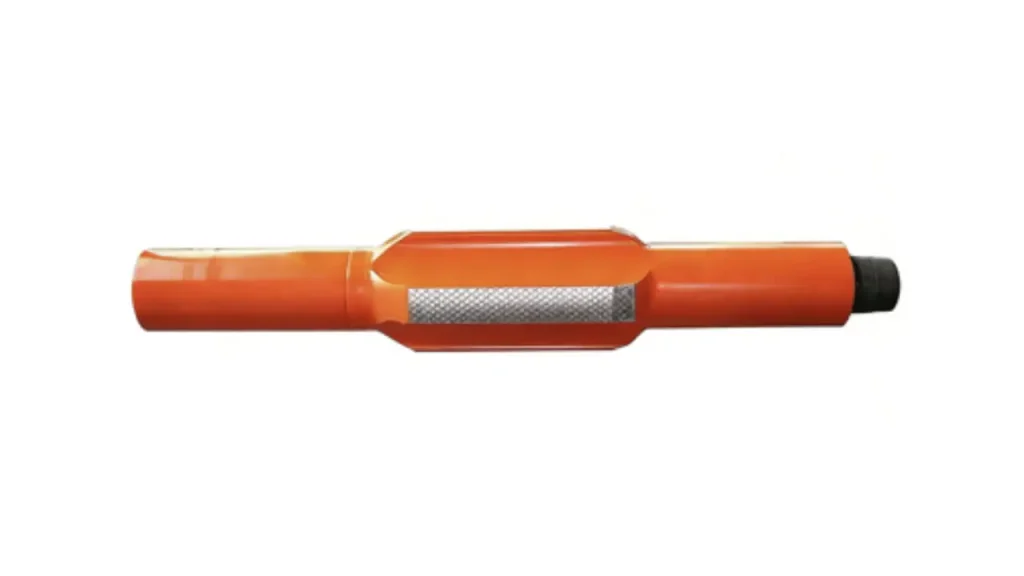
Straight blade stabilizers feature parallel, uniform blades attached to the stabilizer body. This simple yet reliable design provides consistent contact with the borehole wall, enhancing wellbore stability and reducing lateral deviation. They are commonly used in vertical or slightly deviated wells where predictable performance is essential.
These stabilizers are cost-effective, easy to manufacture, and require minimal maintenance. Straight blades offer moderate vibration reduction and basic directional control, making them suitable for oil, gas, mining, and geothermal drilling projects where formations are relatively stable and operations are straightforward.
Spiral Blade Stabilizer
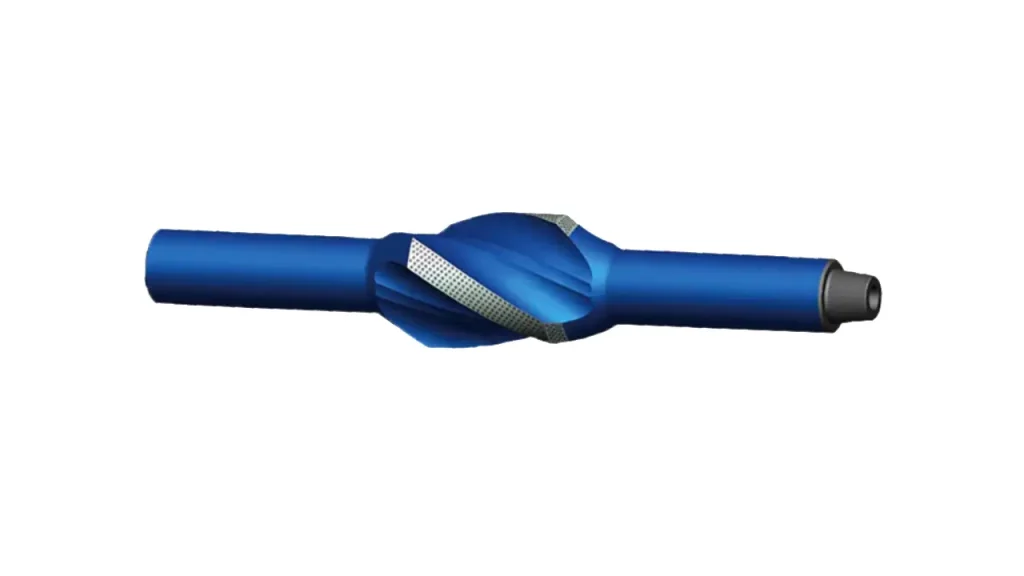
Spiral blade stabilizers have twisted, helical blades that wrap around the stabilizer body. This design improves directional control, reduces torsional vibration, and enhances hole cleaning by promoting consistent drilling fluid flow along the borehole. Spiral stabilizers are ideal for complex, highly deviated, or horizontal wells.
The helical blade configuration helps maintain precise wellbore trajectories, minimizes tool wear, and extends drill string life. Spiral stabilizers are widely used in challenging formations, deep wells, and long-reach drilling projects where enhanced stability, reduced vibration, and improved drilling efficiency are critical to operational success.
Blade Stabilizers
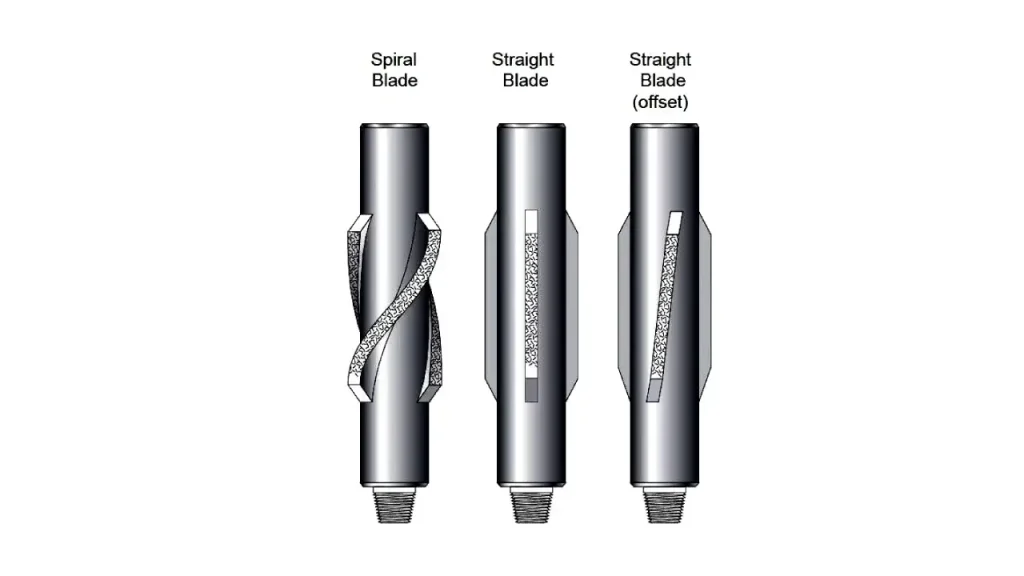
We use blade stabilizers to provide essential radial support to the drill string during the drilling process. These tools feature either flat or curved blades that are attached directly to the drill collar, acting as a guide to keep the assembly centered within the wellbore. By maintaining this central position, we can effectively minimize vibrations that might otherwise damage the equipment or slow down the rate of penetration.
You will find these stabilizers particularly useful when your goal is to control hole deviation in standard environments. The design allows for a steady drilling path, ensuring that the trajectory remains as planned without drifting off-course. Because they are straightforward in construction, they offer a reliable way for us to ensure smooth operations while protecting the integrity of the drill bit and surrounding string.
Integral Blade Stabilizers
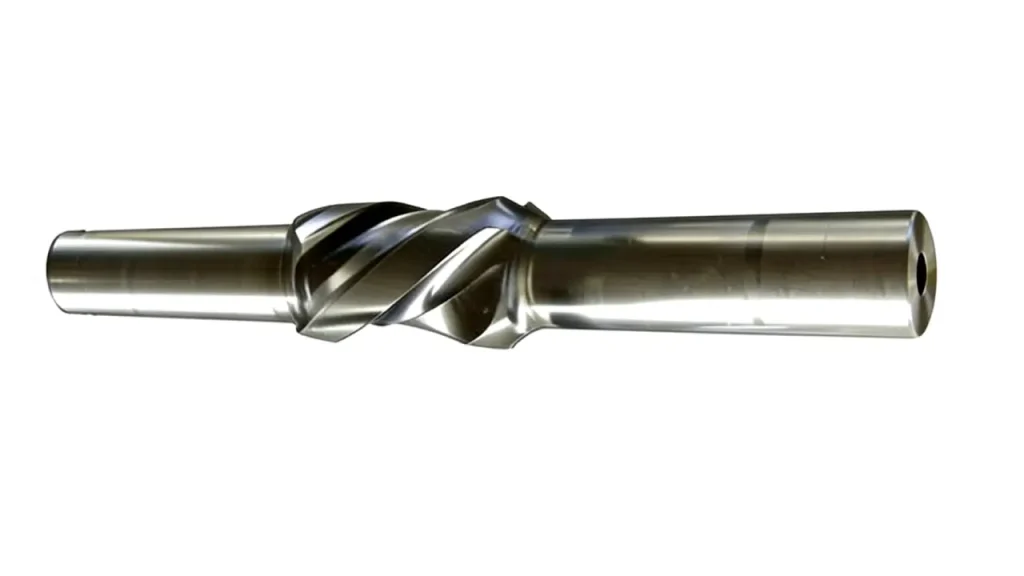
Integral blade stabilizers, or IBS, are machined from a single piece of high-strength alloy steel to ensure maximum durability. Unlike models with welded components, these do not have weak points at the joints, making them much stronger under the intense pressure of deep-well operations. We prefer this design when the job requires efficient weight distribution and a tool that can withstand heavy mechanical stress without failing.
When you use an IBS, you benefit from a tool that is built for longevity and enhanced stabilization. Since the blades are part of the main body, there is no risk of them breaking off during rotation. This one-piece construction provides a more rigid support system, which helps us maintain a consistent hole diameter and prevents the drill string from wobbling in challenging geological formations.
Sleeve Stabilizers
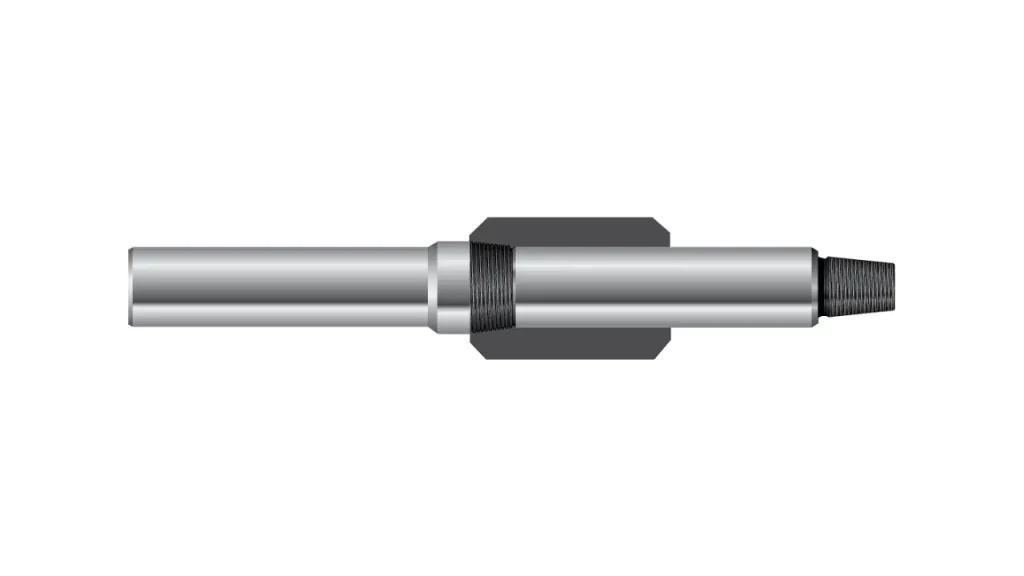
Sleeve stabilizers consist of a series of cylindrical sleeves that encircle the drill collar, offering a unique level of versatility. The primary advantage of this design is that we can rotate or change the sleeves to adjust the overall diameter of the stabilizer. This allows you to adapt the tool to various wellbore sizes without needing to replace the entire drill string assembly on the rig floor.
We find these tools highly effective in shifting drilling conditions where the hole size might change or require different levels of support. By swapping or adjusting the sleeves, we provide you with a customized fit for the specific wellbore geometry you are facing. This flexibility makes them a practical choice for complex projects where multiple hole sections must be drilled with the same basic setup.
Non Rotating Stabilizers
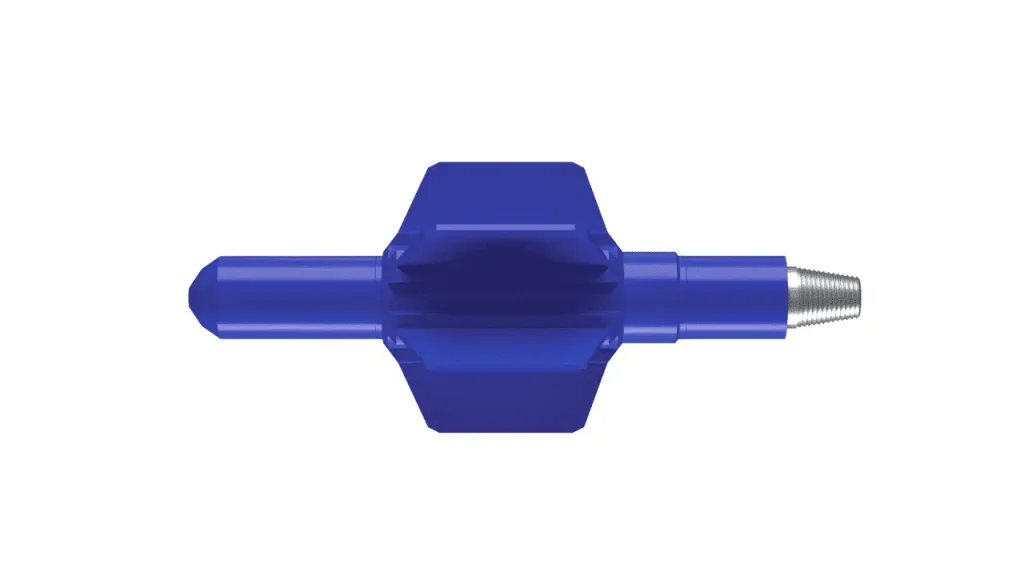
A non rotating stabilizer is designed with a specialized sleeve that stays stationary while the drill string inside it continues to turn. We use a spiral groove on the sleeve that matches the pitch of the drill string to ensure the stabilizer remains fixed against the borehole wall. This reduces the torque required to turn the bit and prevents the tool from wearing down the sides of the wellbore through constant friction.
You will notice that these are especially beneficial in sensitive formations where excessive rotation against the wall could cause cave-ins or washouts. By keeping the outer part of the tool still, we protect the wellbore’s structural integrity while still providing the necessary stabilization for the bit. This helps us achieve a cleaner, more stable hole with less mechanical wear on the external components.
Replaceable Blade Stabilizers
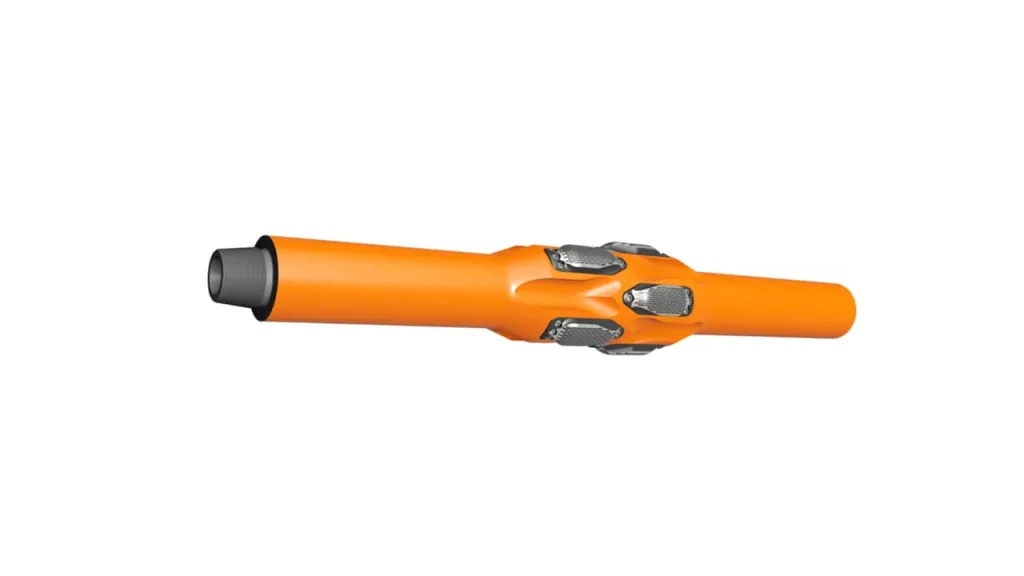
We utilize replaceable blade stabilizers to offer a balance between performance and maintenance costs. The design features a heavy-duty body equipped with blades that can be detached and replaced once they become worn or damaged. This means that instead of discarding an entire expensive tool, you only need to swap out the specific blades that have reached the end of their service life.
This modular approach allows us to reduce downtime significantly, as blade changes can often be performed quickly on-site. It also gives you the freedom to choose different blade materials or shapes depending on the hardness of the rock you are currently drilling. By managing the tool in this way, we help keep your project moving forward while keeping equipment expenses under control.
Adjustable Stabilizers
Adjustable stabilizers represent some of the most advanced technology we use in modern drilling. These tools feature blades that we can retract or extend mechanically or hydraulically while the tool is still in the hole. This capability allows you to change the stabilization diameter on the fly to respond to real-time data or changing geological layers without pulling the entire string to the surface.
When you work with adjustable models, you gain a level of adaptability that fixed stabilizers cannot match. We can fine-tune the tool to optimize drilling performance, correct steering issues, or navigate through tight spots in the wellbore. This on-site flexibility ensures that we can maintain peak efficiency and accuracy even when the underground conditions are unpredictable.
How to Choose the Best Drilling Stabilizers
Selecting the right drilling stabilizer is key to efficient, safe, and cost-effective drilling. Various factors such as wellbore conditions, formation hardness, and drilling objectives must be considered to ensure optimal performance, reduce vibration, and extend tool life. The right choice improves overall drilling stability and operational efficiency.
- Consider Borehole Conditions: Evaluate the size, trajectory, and stability of the borehole. Choosing a stabilizer that matches these conditions reduces deviation, prevents tool wear, and ensures smooth drilling operations while maintaining precise control over the drill string. Proper matching enhances performance and safety.
- Material and Durability: Select a stabilizer made from high-quality materials such as alloy steel or specialized coatings. Durable materials withstand harsh drilling environments, resist corrosion, and provide longer service life, reducing downtime and maintenance while ensuring consistent performance in challenging conditions.
- Blade Design and Configuration: Assess blade type, spacing, and shape based on formation hardness and drilling objectives. A well-designed blade improves borehole contact, reduces vibration, enhances directional control, and increases drilling efficiency. Customizable blade designs optimize stability and tool life for specific projects.
- Connection Type: Ensure the stabilizer’s threads and connections are compatible with your drill string. Proper connection selection prevents operational failures, allows easy installation or replacement, and ensures safe, reliable drilling while minimizing downtime and maintaining consistent performance across different drilling projects.
Conclusion
Understanding drilling stabilizer types empowers you to select the most effective solution for your project. The right stabilizer enhances wellbore stability, reduces vibration, and ensures precise directional drilling, improving overall efficiency and safety. Investing in quality stabilizers prevents costly downtime and extends tool life.
Choosing a stabilizer that fits your specific drilling conditions is critical. By considering blade design, material, and connection types, you can achieve optimal performance in oil, gas, mining, or geothermal projects. Proper selection also reduces maintenance needs and ensures smoother, more reliable operations.
For wholesale drilling stabilizers, turn to Sinodrills. We offer durable, performance-optimized stabilizers designed for diverse drilling applications. With customizable options and strict quality control, our products deliver reliable results, longer tool life, and cost-effective solutions for all your drilling needs.