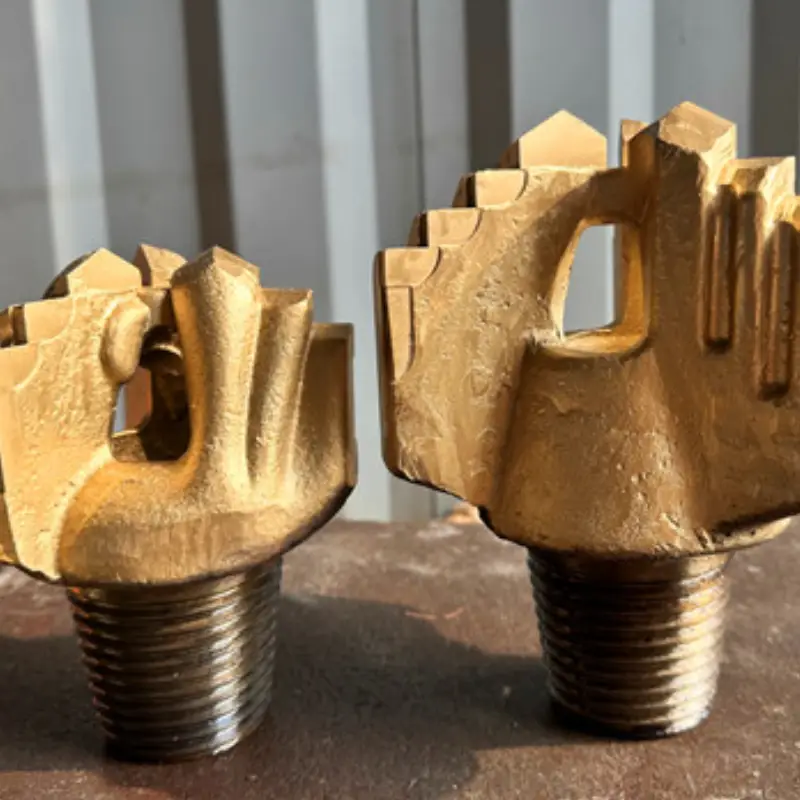
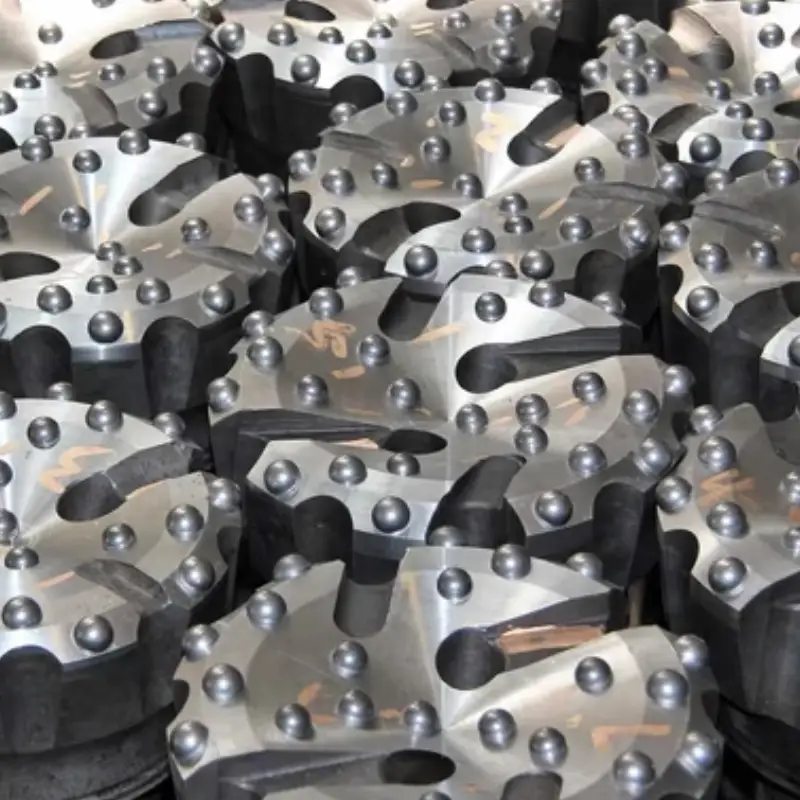
Discover the best rock drill bit manufacturers globally. This guide highlights top companies renowned for quality, innovation, and durability in drilling tools, helping you choose reliable suppliers for any geological challenge.
Discover the world's top rock drilling tools manufacturers, including Sinodrills. Explore company profiles, product ranges, and the latest innovations driving efficiency and safety in mining, construction, and exploration. Learn about specialized tools from DTH hammers to diamond bits.
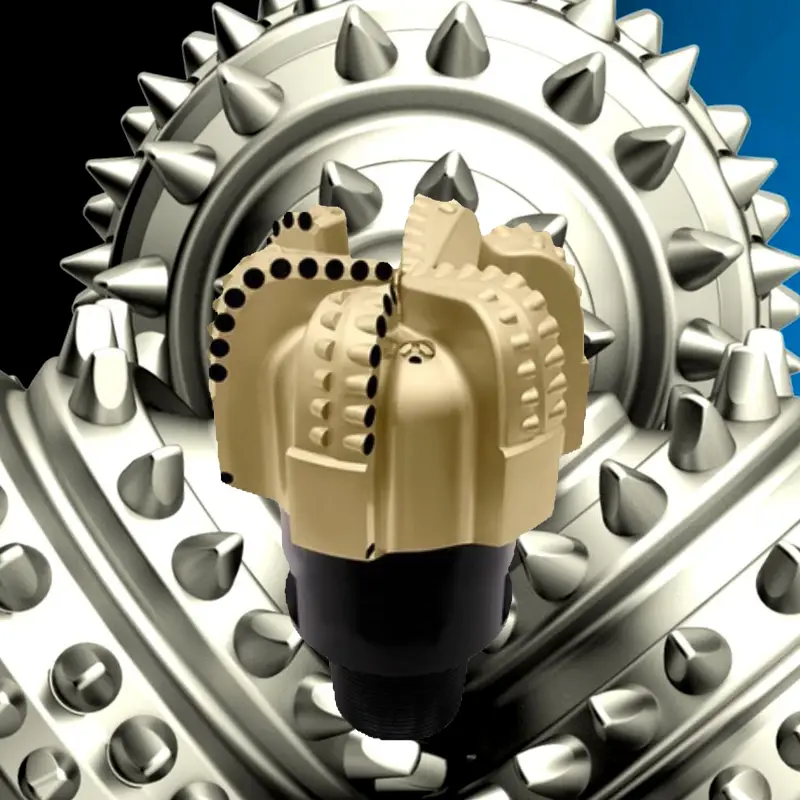
Explore the key differences between PDC (Polycrystalline Diamond Compact) and Tricone drill bits. This blog analyzes their distinct designs, cutting mechanisms, performance in various rock formations, typical applications, and cost-effectiveness, helping you choose the optimal bit for your drilling project.
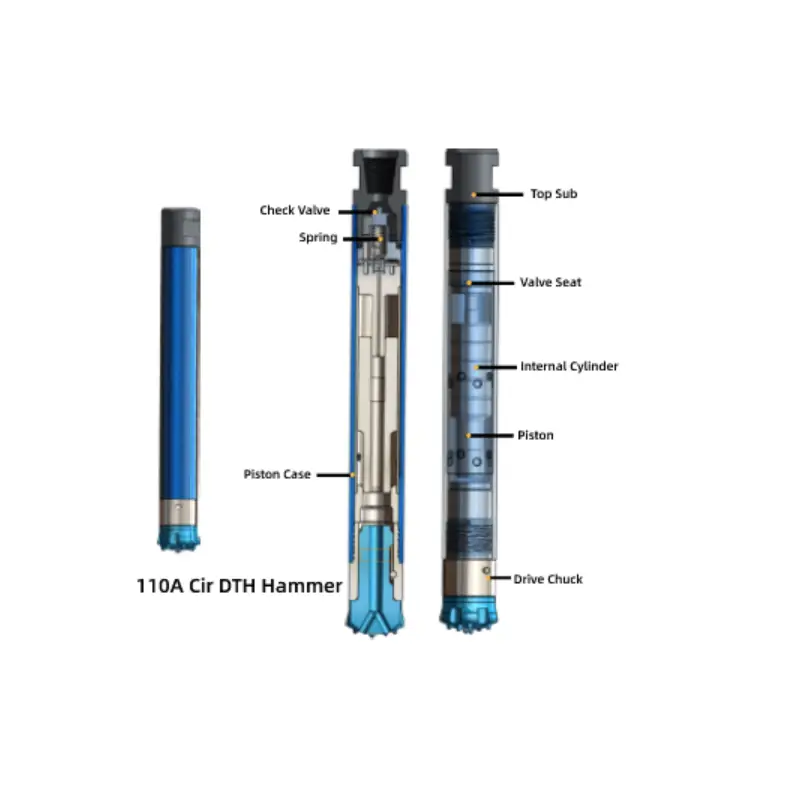
Curious about DTH drilling? Learn how a Down-The-Hole hammer works, its key components, and how compressed air powers this efficient tool to break rock and create precise boreholes.
Explore air core drilling, a method using compressed air to extract samples, ideal for shallow exploration in unconsolidated ground like sand and soft rock. Learn how it works, its speed and cost-effectiveness for preliminary investigations and environmental studies. Discover its advantages in sample representativeness and limitations in hard rock or deep drilling, providing a concise overview of this valuable technique.
Explore the key differences between RC (Reverse Circulation) and Diamond Drilling in mineral exploration. Learn about sample quality, speed, cost, depth capabilities, and when to choose each method for your drilling projects.
Confused about RC drilling vs. AC drilling? This blog clearly explains the key differences between Reverse Circulation (RC) and Air Core (AC) drilling methods, helping you understand their applications and choose the right technique.
What is a Self Drilling? Self-drilling screws, or TEK screws, revolutionize fastening by combining drilling and screwing into one step. Their unique drill point and thread designs allow for efficient penetration and secure fastening across various materials like steel, aluminum, and wood. This innovation significantly saves time and costs, boosts productivity, and ensures accurate, reliable connections, making them essential in construction, manufacturing, and more.
How to Remove Self-Drilling Anchors? First, identify the anchor type. For self-drilling drywall anchors, use a screwdriver or drill with the appropriate bit. Insert the tool into the anchor head and turn counterclockwise to loosen. If stuck, use pliers to assist. After removal, fill the hole with spackle, smooth with a putty knife, sand when dry, and paint to match the wall.