
Stainless steel self-drilling anchor bolts and carbon steel anchor bolts are widely used in tunneling, mining, slope stabilization, and geotechnical engineering projects. Both provide reliable ground support, but they differ significantly in terms of corrosion resistance, mechanical performance, service life, and overall cost, making the right selection important for project success.
Understanding the differences between these anchor bolt materials helps engineers and contractors choose the most suitable solution for specific site conditions. Factors such as environmental exposure, load requirements, maintenance expectations, and budget constraints all influence whether stainless steel or carbon steel anchor bolts deliver the best long-term value and performance.
What are Stainless Steel Self-Drilling Anchor Bolts?
Recommended Stainless Steel Self-drilling Anchor Bars
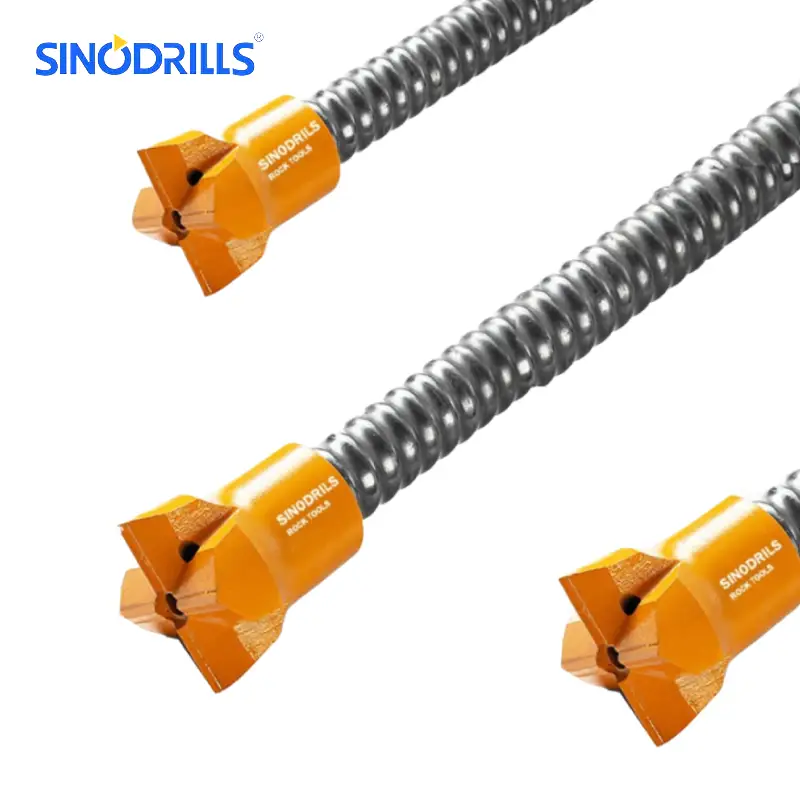
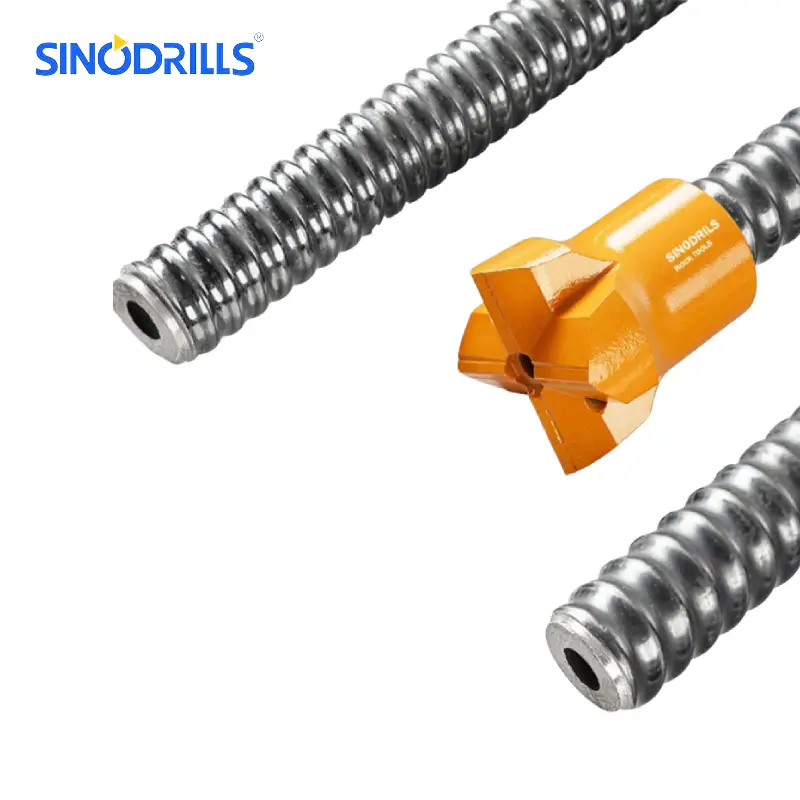
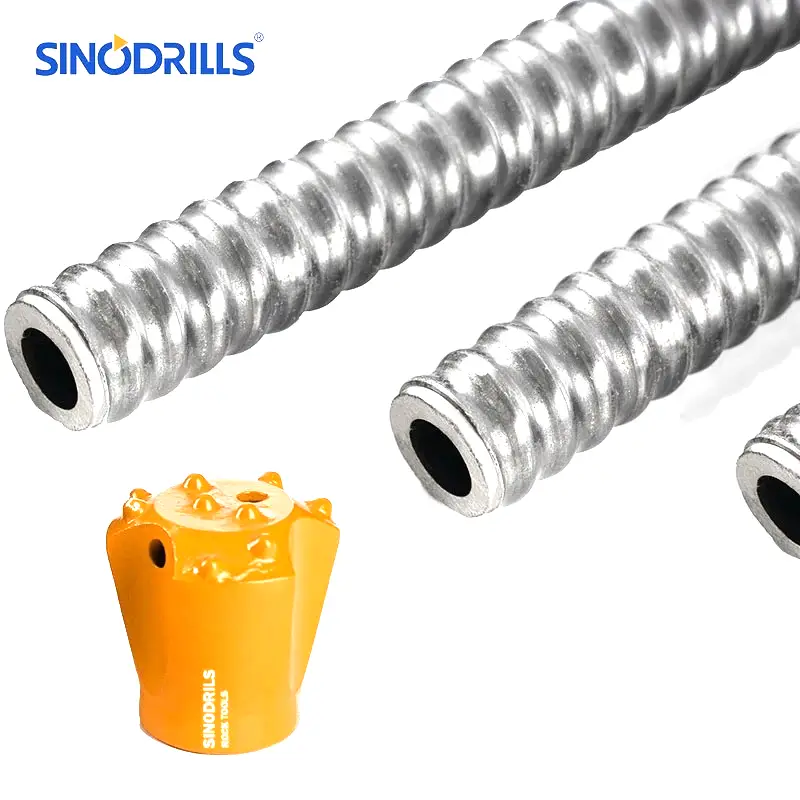

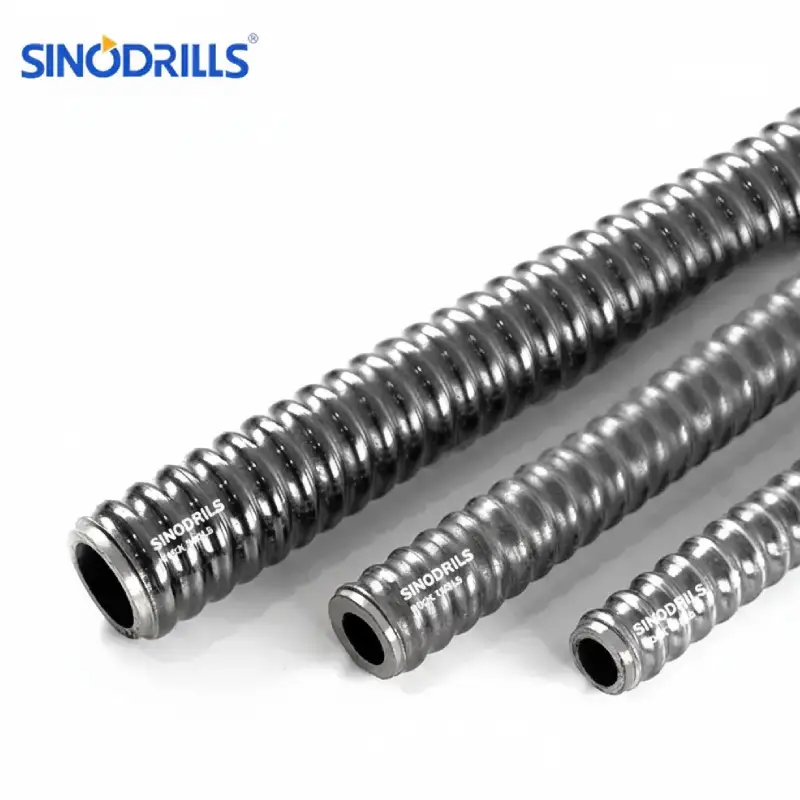
Stainless steel self-drilling anchor bolts are advanced ground support elements that combine drilling, grouting, and anchoring functions into a single system. Manufactured from corrosion-resistant stainless steel, they are designed for use in challenging environments where moisture, chemicals, or aggressive soils may cause conventional steel anchors to deteriorate.
These anchor bolts provide reliable load-bearing capacity, long service life, and reduced maintenance requirements in geotechnical, mining, tunneling, and slope stabilization projects.
What are Carbon Steel Anchor Bolts?
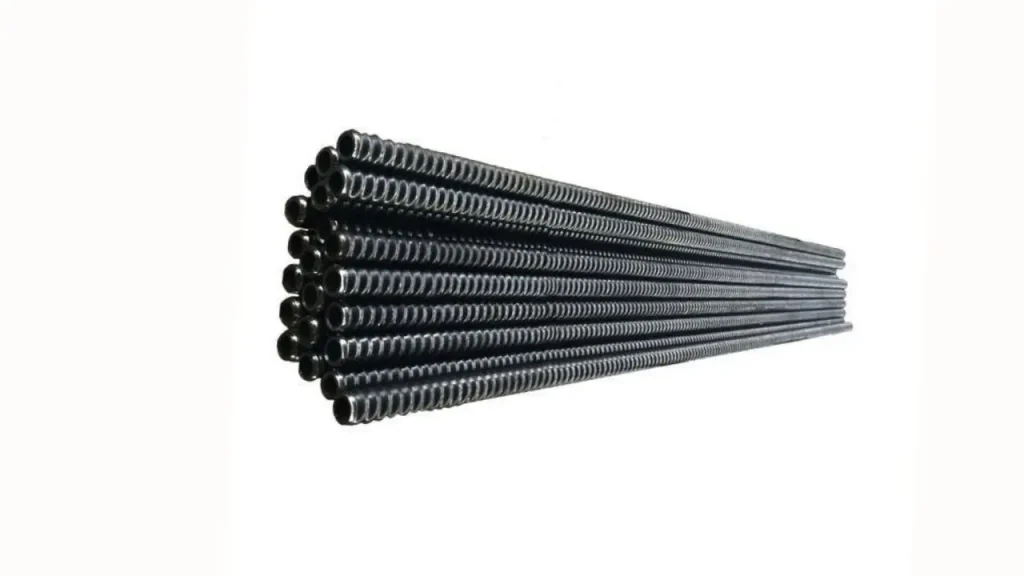
Carbon steel anchor bolts are structural anchoring components manufactured from carbon steel and widely used to secure structures, equipment, and ground support systems.
Known for their high strength, durability, and cost-effectiveness, they are commonly applied in construction, mining, tunneling, and infrastructure projects. Carbon steel anchor bolts can be galvanized or coated to improve corrosion resistance and extend their service life in demanding environments.
Stainless Steel Self-Drilling Anchor Bolts vs Carbon Steel Anchor Bolts
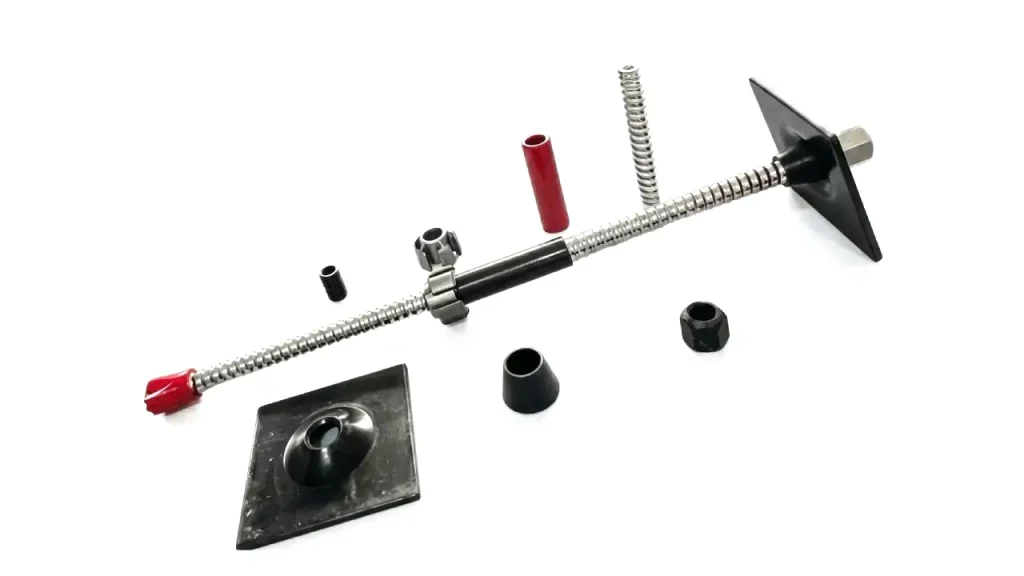
Selecting the right anchor bolt material is critical for ensuring long-term structural stability, safety, and cost efficiency in geotechnical and construction projects. Stainless steel self-drilling anchor bolts and carbon steel anchor bolts are both widely used, but they differ significantly in corrosion resistance, installation performance, strength, maintenance requirements, and lifecycle costs.
Understanding these differences helps engineers and contractors choose the most suitable anchoring solution for specific project conditions.
Material and Durability Comparison
Stainless Steel Self-Drilling Anchor Bolts
Stainless steel self-drilling anchor bolts are typically manufactured from 304 or 316 stainless steel grades. These materials contain chromium and nickel, which create a self-healing passive oxide layer on the surface. This protective barrier significantly reduces the risk of rust and corrosion even when exposed to moisture, chemicals, and saltwater environments.
Because of their exceptional corrosion resistance, stainless steel anchor bolts are commonly selected for coastal infrastructure, marine engineering, chemical facilities, and underground structures with aggressive groundwater conditions. Their service life can often exceed 50 to 100 years with minimal maintenance, making them a reliable long-term investment.
Carbon Steel Anchor Bolts
Carbon steel anchor bolts are generally produced from medium-carbon or low-alloy steel. To improve corrosion resistance, manufacturers often apply galvanization, epoxy coatings, or other protective treatments. These coatings provide temporary protection but can gradually deteriorate when exposed to harsh environmental conditions.
Once the protective coating becomes damaged or wears away, corrosion can begin to affect the steel substrate. In wet, saline, or chemically aggressive environments, carbon steel anchor bolts may require regular inspections, repairs, or replacement. Their typical service life ranges from 20 to 30 years depending on exposure conditions and maintenance practices.
Key Difference
Stainless steel self-drilling anchor bolts provide superior durability and corrosion resistance, making them ideal for long-term applications in harsh environments. Carbon steel anchor bolts offer acceptable performance in dry and low-corrosion conditions but generally require more maintenance throughout their service life.
Installation Efficiency and Performance Comparison
Stainless Steel Self-Drilling Anchor Bolts
Stainless steel self-drilling anchor bolts integrate drilling, grouting, and anchoring into a single installation process. The hollow anchor bar functions as both the drill rod and permanent reinforcement element, allowing grout to be injected directly through the center of the bolt after drilling.
This integrated system reduces installation steps and minimizes the need for separate drilling equipment. In unstable ground, fractured rock formations, or water-bearing strata, self-drilling anchors can significantly improve installation speed while ensuring strong grout bonding. Typical R32 stainless steel self-drilling anchors can achieve tensile strengths exceeding 360 kN.
Carbon Steel Anchor Bolts
Traditional carbon steel anchor bolts often require a multi-step installation process involving drilling, hole cleaning, anchor insertion, and grouting. These additional procedures increase labor requirements and installation time, particularly in difficult ground conditions where borehole collapse is a concern.
Although self-drilling carbon steel anchor bolts are also available, they generally offer lower corrosion resistance and reduced long-term performance compared to stainless steel versions. Depending on the grade and design, R32 carbon steel anchors commonly provide tensile strengths ranging between 210 and 280 kN.
Key Difference
Stainless steel self-drilling anchor bolts offer faster installation, higher load capacity, and greater reliability in challenging geological conditions. Carbon steel anchor bolts may require additional installation steps and can experience performance degradation due to corrosion over time.
Corrosion Resistance and Maintenance Comparison
Stainless Steel Self-Drilling Anchor Bolts
One of the greatest advantages of stainless steel anchor bolts is their exceptional resistance to oxidation and chemical attack. The passive chromium oxide layer continuously regenerates when damaged, providing ongoing protection without requiring additional coatings or treatments.
As a result, maintenance requirements remain extremely low throughout the anchor’s operational life. This is particularly valuable in inaccessible underground structures, tunnels, retaining walls, and marine facilities where maintenance activities can be costly and disruptive.
Carbon Steel Anchor Bolts
Carbon steel anchor bolts rely heavily on external protective coatings to resist corrosion. While these coatings can provide effective short-term protection, scratches, abrasions, and environmental exposure gradually reduce their effectiveness.
Regular inspections are often necessary to monitor coating integrity and detect early signs of corrosion. In severe environments, maintenance programs may include recoating, repair work, or complete anchor replacement to preserve structural performance.
Key Difference between Stainless Steel Self-Drilling and Carbon Steel
Stainless steel anchor bolts require minimal maintenance due to their inherent corrosion resistance, while carbon steel anchor bolts depend on protective coatings and ongoing maintenance to prevent deterioration.
Strength and Structural Reliability Comparison
Stainless Steel Self-Drilling Anchor Bolts
Modern stainless steel anchor systems deliver excellent mechanical properties while maintaining their corrosion-resistant characteristics. Their ability to retain structural integrity over decades makes them highly reliable for permanent support applications where long-term performance is critical.
In addition, stainless steel’s resistance to corrosion-related cross-sectional loss helps preserve load-bearing capacity throughout the anchor’s lifespan. This contributes to greater structural safety and reduced risk of unexpected failures.
Carbon Steel Anchor Bolts
Carbon steel anchor bolts are widely recognized for their high initial strength and toughness. They perform well in many construction and mining applications where environmental conditions remain relatively stable and corrosion risks are limited.
However, corrosion can gradually reduce the effective cross-section of the steel, leading to a decline in load capacity over time. This reduction in structural reliability may necessitate more frequent inspections and maintenance interventions.
Key Difference
While both materials provide strong initial performance, stainless steel anchor bolts maintain their structural reliability for much longer periods due to superior corrosion resistance and reduced material degradation.
Applications and Cost-Effectiveness Comparison
Stainless Steel Self-Drilling Anchor Bolts
Stainless steel self-drilling anchor bolts are widely used in tunnels, underground mines, slope stabilization systems, coastal infrastructure, retaining walls, dams, and chemical processing facilities. Their corrosion resistance makes them particularly suitable for projects requiring long-term durability and minimal maintenance.
Although the initial purchase cost is higher, reduced maintenance expenses and longer service life often result in lower total ownership costs. This makes stainless steel anchor bolts an economical choice for permanent support structures.
Carbon Steel Anchor Bolts
Carbon steel anchor bolts remain popular in general construction, temporary support systems, foundation anchoring, and projects with limited budgets. Their lower upfront cost makes them attractive for short-term applications or environments where corrosion exposure is minimal.
However, maintenance costs, inspection requirements, and potential replacement expenses can significantly increase total lifecycle costs when used in aggressive environments. These factors should be carefully evaluated during project planning.
Key Difference
Stainless steel anchor bolts provide superior long-term value in corrosive and permanent applications, while carbon steel anchor bolts offer a lower initial investment for short-term or low-corrosion projects.
Here are some differences between stainless steel self-drilling anchor bolts and carbon steel anchor bolts:
| Aspect | Stainless Steel Self-Drilling Anchor Bolts | Carbon Steel Anchor Bolts |
|---|---|---|
| Material | 304 or 316 stainless steel | Carbon steel or low-alloy steel |
| Corrosion Resistance | Excellent | Moderate with coatings |
| Service Life | 50–100 years | 20–30 years |
| Installation Speed | Fast integrated drilling and grouting | Slower for traditional systems |
| Tensile Strength (R32) | Over 360 kN | Approximately 210–280 kN |
| Maintenance Requirement | Very low | Regular inspections required |
| Performance in Harsh Environments | Excellent | Limited |
| Initial Cost | Higher | Lower |
| Lifecycle Cost | Lower over time | Higher in corrosive environments |
| Typical Applications | Marine, tunnels, mines, slopes, chemical plants | Foundations, temporary supports, dry environments |
Conclusion
Choosing between stainless steel self-drilling anchor bolts and carbon steel anchor bolts depends largely on project requirements and environmental conditions. Carbon steel anchor bolts offer excellent strength and cost efficiency for many applications, while stainless steel alternatives provide superior corrosion resistance and extended service life in challenging environments exposed to moisture, chemicals, or aggressive soils.
When evaluating anchor bolt options, it is essential to consider not only the initial purchase price but also long-term maintenance, replacement frequency, and structural reliability. Stainless steel anchor bolts often deliver lower lifecycle costs in corrosive conditions, whereas carbon steel anchor bolts remain a practical and economical choice for standard ground support projects.
For self-drilling anchor systems and accessories, partnering with a trusted supplier is critical. At Sinodrills, we provide wholesale self-drilling tools, anchor bolts, drill rods, drill bits, and complete ground support solutions designed to meet demanding construction, mining, and geotechnical engineering requirements worldwide. Contact our team to find the right solution for your project.