
Clay drilling requires specialized tools to ensure efficient, precise, and reliable results. Using the right drill bits minimizes clogging, reduces wear, and improves drilling speed, making construction and geotechnical projects more effective. Selecting the appropriate bit for soil conditions is essential for smooth operation and long-lasting performance.
High-quality drill bits designed for clay provide stability, accuracy, and durability. They are engineered to handle soft ground while maintaining consistent hole sizes. From step bits to fly cutter reamers, choosing the correct tool enhances project safety, reduces downtime, and ensures the best results for foundation work, soil sampling, and other drilling applications.
What is Clay Drilling?
Clay drilling is the process of creating precise holes in clay or soft soil using specialized drill bits and reamers.
It requires tools designed to minimize clogging, reduce wear, and ensure smooth, accurate hole finishing, supporting construction, foundation, and geotechnical projects with reliable and efficient performance.
Why Clay Drilling?
Clay drilling is essential in construction, foundation, and geotechnical projects where accurate, stable holes in soft soil are required. Using specialized drill bits ensures efficiency, durability, and precise results, reducing project delays and improving overall soil management during drilling operations.
- Foundation Support: Clay drilling allows for secure installation of piles, anchors, and other structural elements. Properly drilled holes provide stability, prevent uneven settlement, and ensure the long-term safety and integrity of buildings and infrastructure projects.
- Soil Sampling and Testing: Drilling in clay enables geotechnical engineers to collect accurate soil samples. This is critical for analyzing soil composition, moisture content, and strength, helping design safe and efficient foundations and earthworks.
- Efficient Project Execution: Specialized clay drill bits reduce clogging and wear, improving drilling speed and operational efficiency. They minimize downtime, ensure consistent hole size, and provide reliable performance across various soil conditions.
- Reduced Tool Wear: Using the right drill bits for clay prevents excessive friction, heat, and material wear. This extends the life of drilling tools, lowers maintenance costs, and ensures stable performance throughout the project.
Drill Bits for Clay Drilling
Recommended Clay Drill Bits
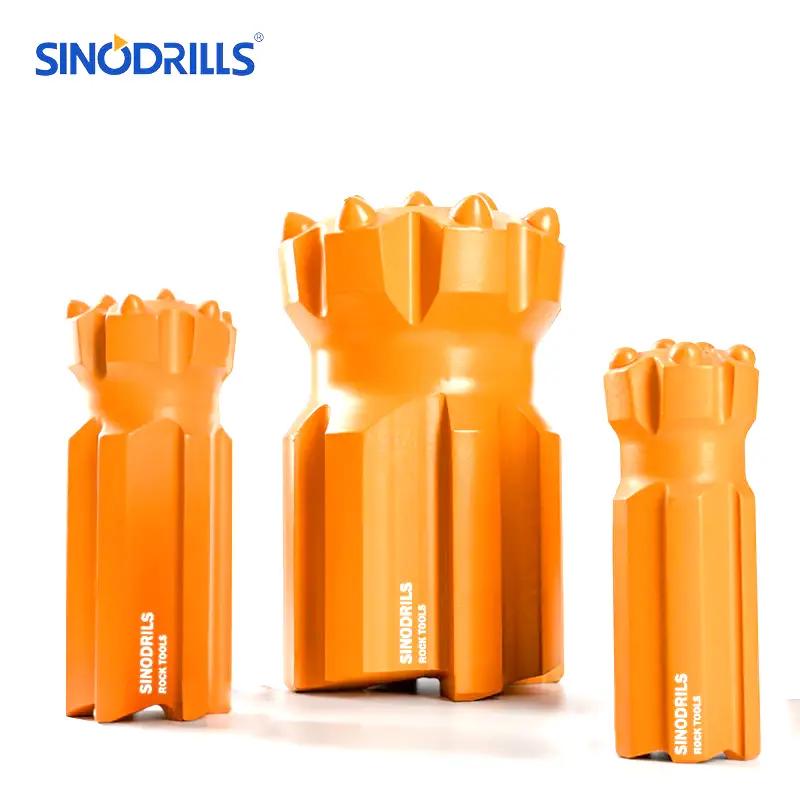
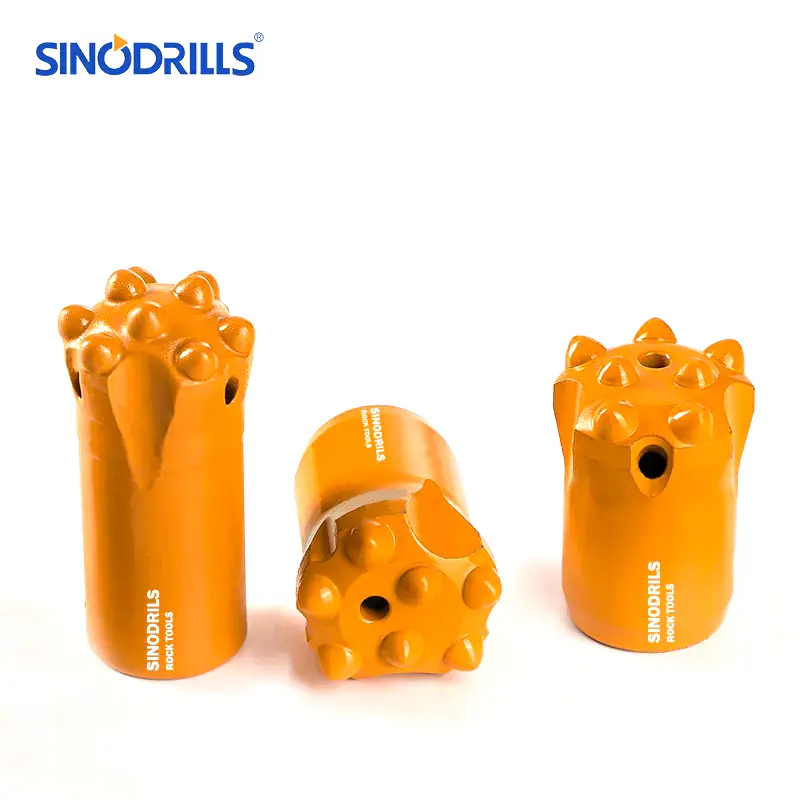
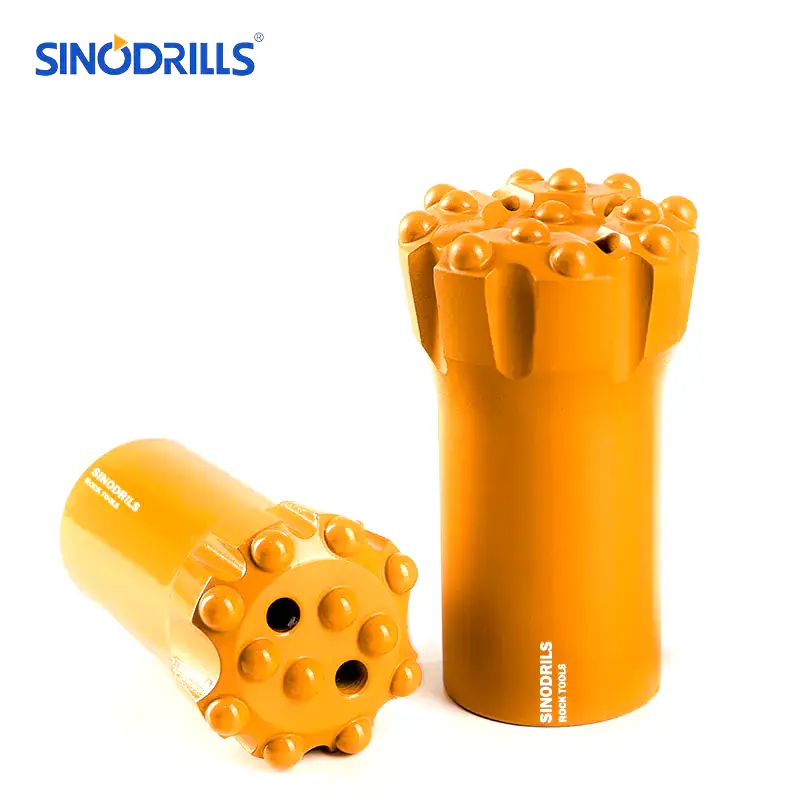

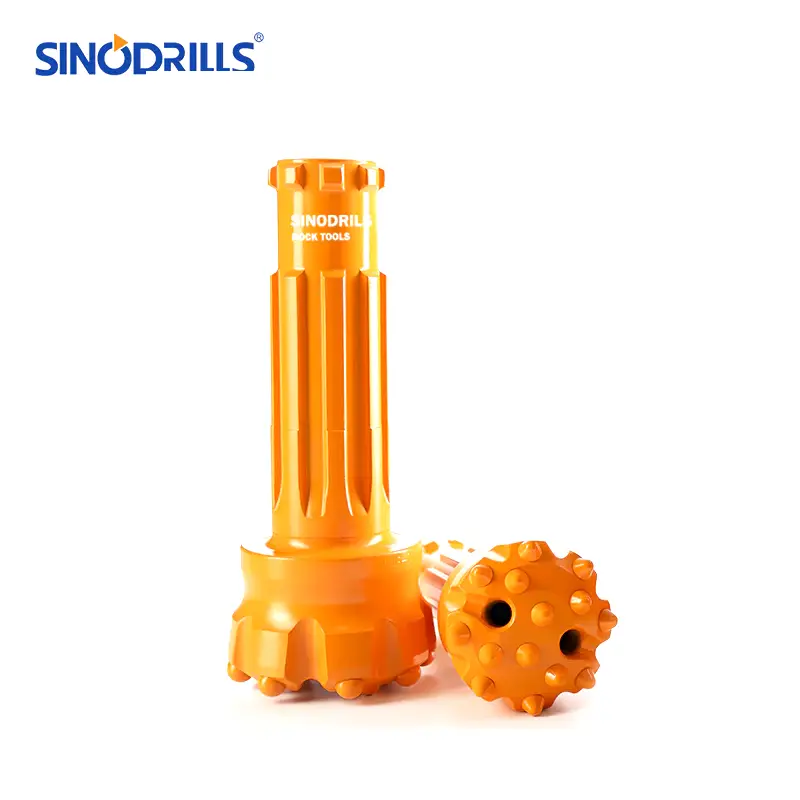
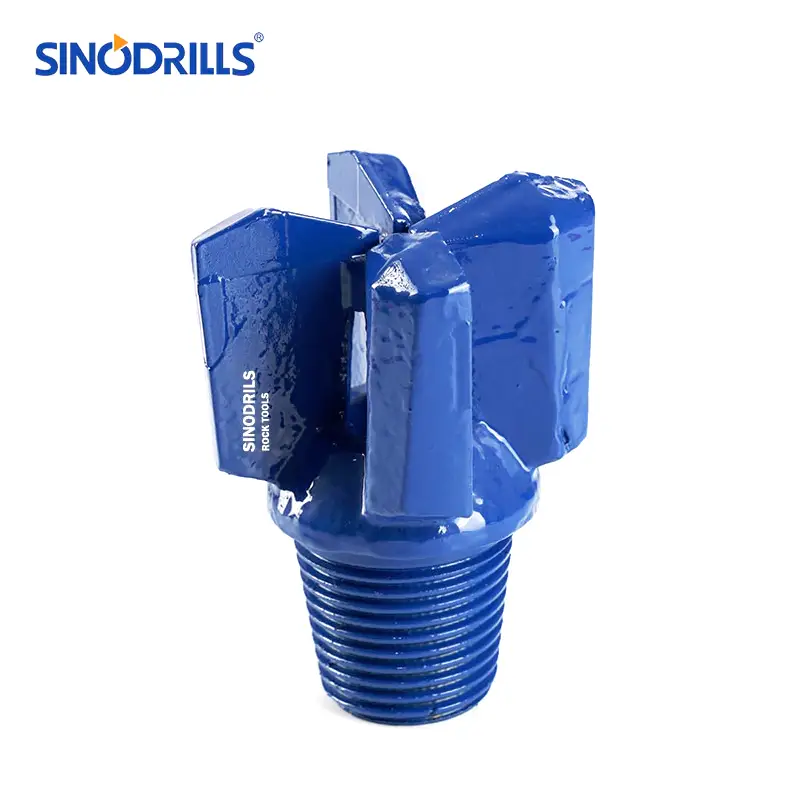
Selecting the right drill bits is crucial for effective clay drilling. Specialized bits ensure precise hole sizing, smooth finishing, and efficient soil removal. They improve drilling stability, reduce wear, and provide consistent performance, making construction, foundation, and geotechnical projects more reliable and time-efficient.
- Step Drill Bits: Step drill bits are ideal for enlarging holes in clay and soft soil. Their stepped design allows gradual cutting, reduces clogging, and ensures smooth, uniform hole sizes, improving operational efficiency and reducing stress on drilling equipment.
- Fly Cutter Reamers: Fly cutter reamers provide precise hole finishing and stable performance. Designed with durable materials and optimized edges, they reduce vibration, enhance soil removal, and deliver consistent results for construction, foundation, and geotechnical applications.
- Heavy-Duty Drill Bits: Heavy-duty bits are built for tough clay and soft soil conditions. Reinforced edges and robust construction resist wear, provide stable drilling, and ensure long-lasting performance even in demanding construction or geotechnical projects.
- Coated Drill Bits: Coated bits offer improved corrosion and wear resistance. Surface treatments reduce friction, enhance tool lifespan, and maintain reliable performance, ensuring smooth drilling operations and minimal maintenance requirements in clay and soft soil applications.
How to Do Clay Drilling?
Clay drilling is essential for construction, foundation, and geotechnical projects, requiring precision and efficiency in soft soil and clay conditions. Using the right techniques and tools ensures smooth hole creation, stable drilling, and reliable project outcomes. Proper preparation, accurate bit selection, and careful execution are key to achieving consistent results in any clay drilling operation.
Tools Needed:
- Fly cutter reamer
- Step drill bits
- Heavy-duty drill bits
- Drill machine or rig
- Measuring tape and markers
- Safety gloves and goggles
Step 1: Prepare the Site
Before drilling, mark the drilling location accurately and clear the area of debris. Ensure safety measures are in place, including protective gear for operators. Proper site preparation helps maintain drilling accuracy, prevents equipment damage, and ensures smooth operations throughout the clay drilling process.
Step 2: Select the Right Drill Bit
Choose a drill bit suitable for clay, such as step bits or fly cutter reamers. Consider soil type, hole size, and project requirements. Using the correct bit reduces clogging, improves soil removal, and ensures precise hole sizing, enhancing efficiency and minimizing wear on drilling equipment.
Step 3: Begin Drilling
Start drilling at a slow, steady speed to prevent bit jamming or soil displacement. Maintain proper alignment and apply consistent pressure. Gradually increase speed as the hole deepens, ensuring smooth penetration, accurate sizing, and stable drilling performance in clay and soft ground conditions.
Step 4: Clean and Inspect the Hole
After drilling, remove loose soil and debris from the hole. Inspect the hole for smoothness, proper depth, and correct diameter. Cleaning ensures accurate installation of foundations or anchors, prevents structural issues, and allows for safe, reliable continuation of construction or geotechnical projects.
Clay Drilling vs Rock Drilling
Clay drilling and rock drilling involve different techniques, tools, and challenges due to the distinct properties of soil and rock. Understanding their differences is essential for selecting the right drill bits, optimizing drilling efficiency, and ensuring accurate, safe, and reliable project outcomes.
- Material Hardness: Clay is soft and easy to penetrate, requiring less force and lighter drill bits. Rock is hard and dense, demanding heavy-duty bits, higher torque, and specialized drilling techniques to prevent wear, maintain stability, and achieve precise hole sizes.
- Drilling Speed: Drilling in clay is generally faster because the material offers less resistance. Rock drilling is slower due to hardness, requiring careful control, powerful equipment, and advanced bits to avoid overheating and tool damage while maintaining accurate drilling.
- Tool Selection: Clay drilling uses step bits, fly cutter reamers, or coated bits to remove soil efficiently. Rock drilling requires robust, tungsten carbide-tipped bits, rotary hammer drills, and impact techniques to penetrate hard rock while minimizing wear and maximizing performance.
- Maintenance and Wear: Tools used for clay drilling experience lower wear and require minimal maintenance. Rock drilling tools endure high stress, heat, and friction, needing frequent inspection, sharpening, or replacement to maintain drilling efficiency and avoid project delays.
Here is the chart telling you the differences between clay drilling and rock drilling:
| Feature | Clay Drilling | Rock Drilling |
|---|---|---|
| Material Hardness | Soft, easy to penetrate | Hard, dense, resistant |
| Drill Speed | Faster, less resistance | Slower, requires controlled power |
| Tool Type | Step bits, fly cutter reamers, coated | Tungsten carbide bits, rotary hammers |
| Maintenance & Wear | Low wear, minimal maintenance | High wear, frequent inspection |
Conclusion
Choosing the right drill bits for clay drilling is vital for successful construction and geotechnical projects. At Sinodrills, we provide a wide range of high-performance bits designed for precision, durability, and efficiency. Our tools help reduce wear, improve soil removal, and deliver consistent, reliable results every time.
We offer wholesale drill bits and fly cutter reamers suitable for various clay conditions. Our products are built with durable materials and optimized designs to meet diverse project needs. By selecting Sinodrills, you ensure stable drilling performance, smooth hole finishing, and long-lasting tool life for your construction and geotechnical work.
Partner with Sinodrills for all your clay drilling needs. We provide tailored solutions, from standard drill bits to heavy-duty reamers, supporting efficiency and reliability in every project. Get the right tools, maintain consistent performance, and achieve optimal results with our expert-designed drilling solutions.