
Slimhole drilling is a specialized drilling method that uses smaller diameter boreholes compared to conventional techniques. It is widely applied in mineral exploration, geothermal projects, and oil and gas evaluation. By reducing hole size, operators can lower costs, improve drilling efficiency, and gather reliable geological data.
This guide explores what slimhole drilling is, how it works, and why it has become a preferred option in modern drilling operations. From equipment selection to operational advantages, we break down the essential concepts to help contractors and project owners make informed decisions.
What is Slimhole Drilling?
Slimhole drilling is a drilling method that uses smaller-diameter boreholes than traditional drilling techniques. Typically ranging from 3 to 6 inches, these boreholes reduce material costs, minimize environmental impact, and allow faster penetration in suitable formations. It is widely used in mineral exploration, geothermal projects, and oil and gas evaluation.
The technique focuses on efficiency and precision, providing reliable geological and core samples while limiting operational expenses. Despite the smaller hole size, modern slimhole drilling can achieve high-quality data collection and maintain borehole stability, making it an effective choice for exploration and preliminary assessment projects where cost and accuracy are critical.
How Does Slimhole Drilling Work?
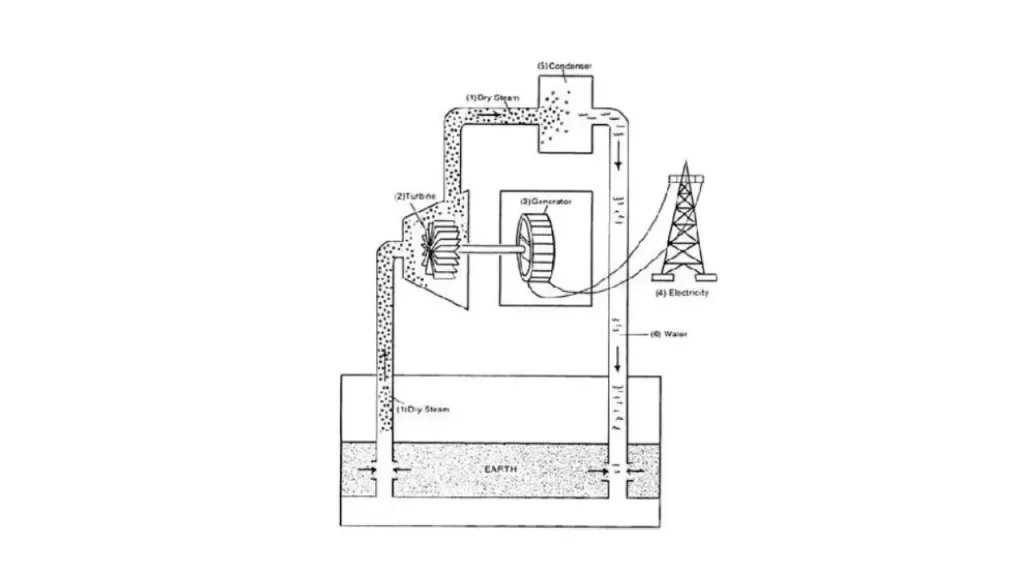
Slimhole drilling works by creating narrow-diameter boreholes that efficiently reach target depths while minimizing material use and operational costs. The process relies on specialized slimhole drill bits, drill pipes, and circulation systems to maintain borehole stability, optimize core recovery, and provide accurate geological data for exploration or evaluation projects.
- Drill Bit Selection – Choosing the right slimhole drill bit is essential for penetration efficiency. We provide bits designed for different rock types, ensuring smooth drilling, reducing wear, and maintaining consistent core recovery. Proper selection minimizes downtime and improves operational accuracy.
- Drill Pipe and Rods – Slimhole drill pipes and rods must balance strength and flexibility. Our pipes are engineered for durability under high pressure while allowing precise maneuvering, ensuring stable boreholes and efficient material transport during drilling operations.
- Circulation System – The circulation system removes cuttings from the borehole and stabilizes the hole walls. By controlling fluid flow through the slimhole, operators maintain clean samples, prevent clogging, and optimize drilling speed, enhancing overall project efficiency.
- Core and Sample Recovery – Slimhole drilling prioritizes accurate geological sampling. Using specialized core barrels and retrieval tools, we ensure high-quality, undisturbed samples that provide reliable data for resource evaluation and exploration planning.
- Operational Monitoring – Continuous monitoring of drilling parameters like torque, pressure, and penetration rate is critical. Our systems allow real-time adjustments, maintaining optimal drilling conditions, reducing risks, and improving the efficiency and accuracy of slimhole drilling projects.
Slimhole Drilling Advantages
Slimhole drilling offers multiple advantages for exploration and resource evaluation projects. By using smaller-diameter boreholes, it reduces costs, minimizes environmental impact, and improves drilling efficiency. This method allows precise geological sampling, faster project completion, and safer operations, making it an attractive choice for contractors and project owners seeking both performance and value.
- Cost Efficiency – Slimhole drilling requires less material, fuel, and labor compared to conventional methods. This reduces operational expenses while maintaining project accuracy, allowing companies to allocate resources more effectively and achieve exploration goals without overspending on equipment or site preparation.
- Faster Drilling – Smaller boreholes enable quicker penetration through formations, improving overall project timelines. Our slimhole solutions enhance drilling speed while maintaining stability, allowing operators to complete more boreholes in less time and accelerate exploration programs.
- Minimal Environmental Impact – Slimhole drilling disturbs less land and generates less waste. The smaller footprint reduces soil disruption, lowers water usage, and minimizes surface impact, making it an environmentally responsible choice for sensitive sites and regulatory compliance.
- Accurate Sampling – The controlled borehole environment ensures high-quality, undisturbed core and geological samples. This accuracy supports better resource evaluation, planning, and decision-making, providing reliable data for exploration, mining, and geotechnical assessments.
- Safer Operations – Slimhole drilling reduces risks associated with large equipment and extensive site disruption. Operators benefit from easier handling, lower mechanical stress, and improved borehole stability, contributing to safer working conditions and smoother project execution.
Where to Use Slimhole Drilling?
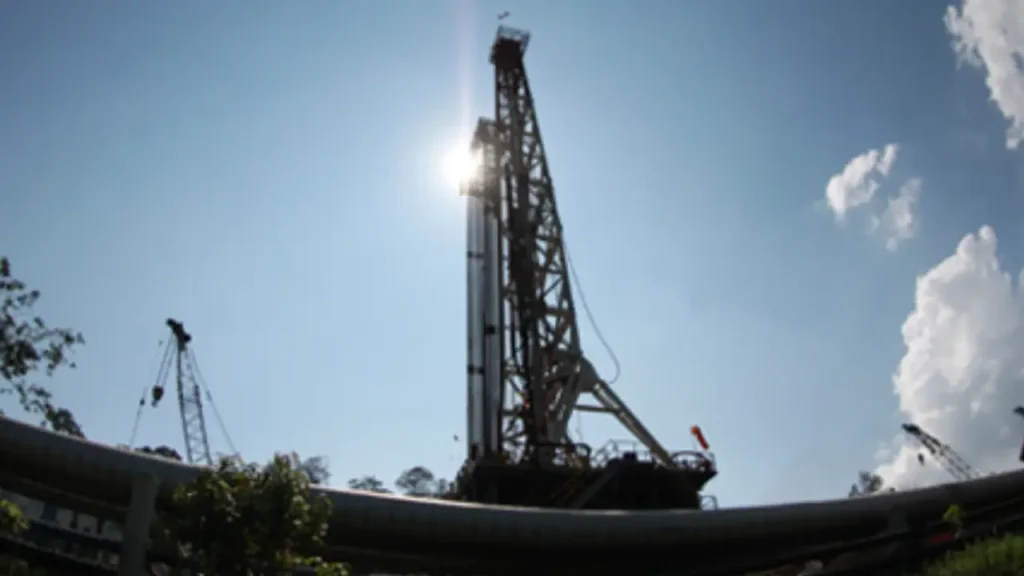
Slimhole drilling is versatile and ideal for projects where efficiency, precision, and minimal environmental impact are priorities. Its smaller-diameter boreholes make it suitable for exploration, resource evaluation, and preliminary site investigations.
The slimhole drilling technique is widely applied across mining, geothermal, oil and gas, and environmental monitoring projects to achieve reliable data with lower costs.
- Mineral Exploration – Slimhole drilling is widely used in mineral exploration to obtain core samples and evaluate ore bodies. Its efficiency allows access to difficult terrains, provides accurate data for resource estimation, and reduces overall exploration costs while maintaining sample integrity.
- Geothermal Projects – In geothermal energy projects, slimhole drilling helps identify heat sources and subsurface conditions. The smaller boreholes minimize environmental impact, allow faster drilling, and provide reliable data for system design and feasibility studies.
- Oil and Gas Evaluation – Slimhole drilling is used for exploratory wells in oil and gas projects. It allows operators to gather subsurface data, test formations, and evaluate reservoir potential while reducing drilling costs and limiting site disturbance.
- Environmental Monitoring – Slimhole techniques are applied in environmental and groundwater monitoring projects. They enable precise sampling of soil and water, prevent cross-contamination, and minimize disruption to sensitive sites, making them ideal for regulatory compliance and remediation planning.
- Geotechnical Investigations – Slimhole drilling supports construction and infrastructure projects by providing accurate subsurface data. Engineers use it to assess soil and rock conditions, design foundations, and plan safe, cost-effective construction strategies with minimal site impact.
Conclusion
Slimhole drilling offers a practical balance between performance and cost control. Its smaller boreholes reduce material consumption, minimize site disturbance, and allow faster penetration rates in suitable formations. These benefits make it especially attractive for exploration and preliminary assessment projects where efficiency and data accuracy are critical.
Understanding proper tool selection, drilling parameters, and circulation methods is key to maximizing slimhole drilling results. With the right approach, operators can enhance borehole stability, improve core recovery, and reduce downtime. Careful planning ensures the technique delivers consistent and measurable project value.
For reliable performance and competitive pricing, get wholesale slimhole drilling tools from our Sinodrills. We provide durable drill pipes, bits, and accessories designed for demanding conditions. Partner with us to secure dependable supply, technical support, and solutions tailored to your slimhole drilling projects.