
Drill pipe wall thickness plays a critical role in determining the overall performance and reliability of drilling operations. A thicker wall can handle higher pressures and reduce the risk of failures, while a thinner wall offers greater flexibility and lighter drill pipe weight. Understanding these differences is essential for selecting the right pipe.
Choosing the proper wall thickness also affects operational efficiency and safety. Pipes that are too thin may wear out quickly or deform under stress, while overly thick pipes can increase costs and reduce maneuverability. Evaluating the drilling environment, depth, and fluid type ensures optimal performance and longevity for your equipment.
What is Drill Pipe Wall Thickness?
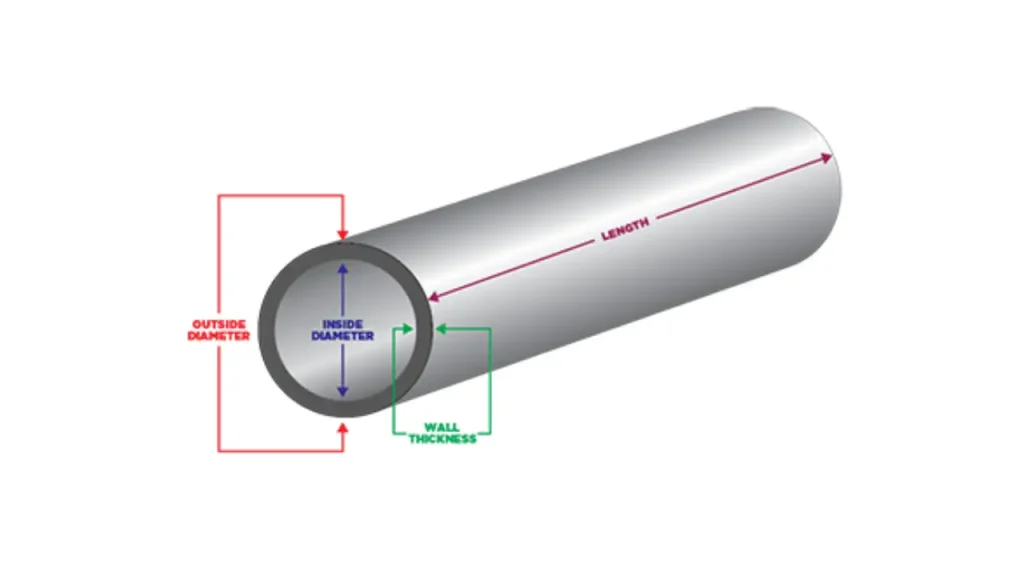
Drill pipe wall thickness refers to the measurement of the pipe’s cylindrical wall, which is the material separating the inner bore from the outer surface. It is a crucial specification because it determines the pipe’s strength, durability, and ability to withstand the high pressures and stresses encountered during drilling operations.
Thicker walls provide greater resistance to bending, collapse, and fatigue, making them suitable for demanding drilling environments.
What Determines Drill Pipe Wall Thickness?
Recommended Drill Pipes
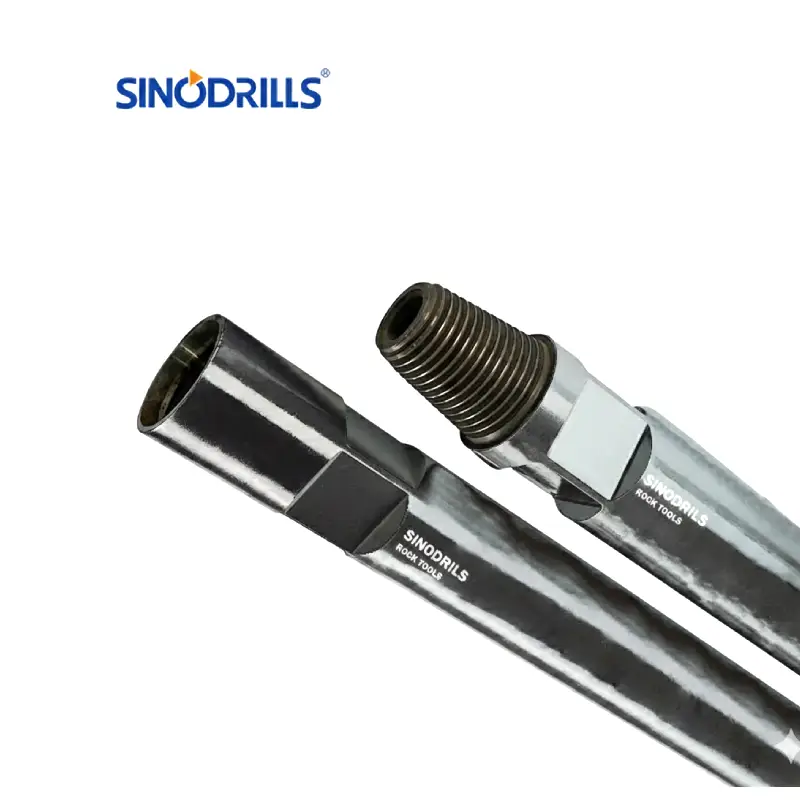
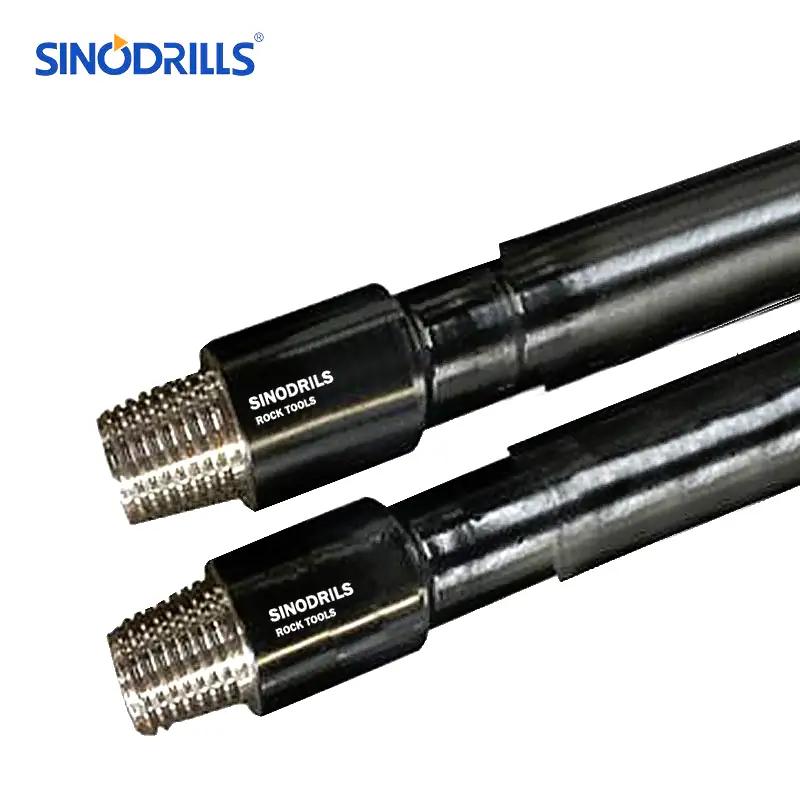
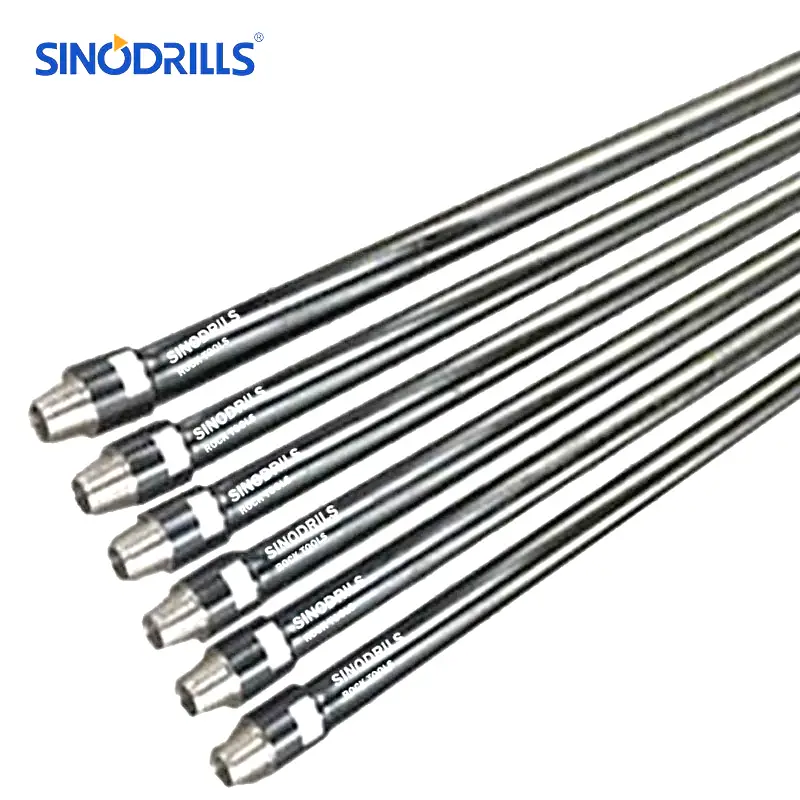
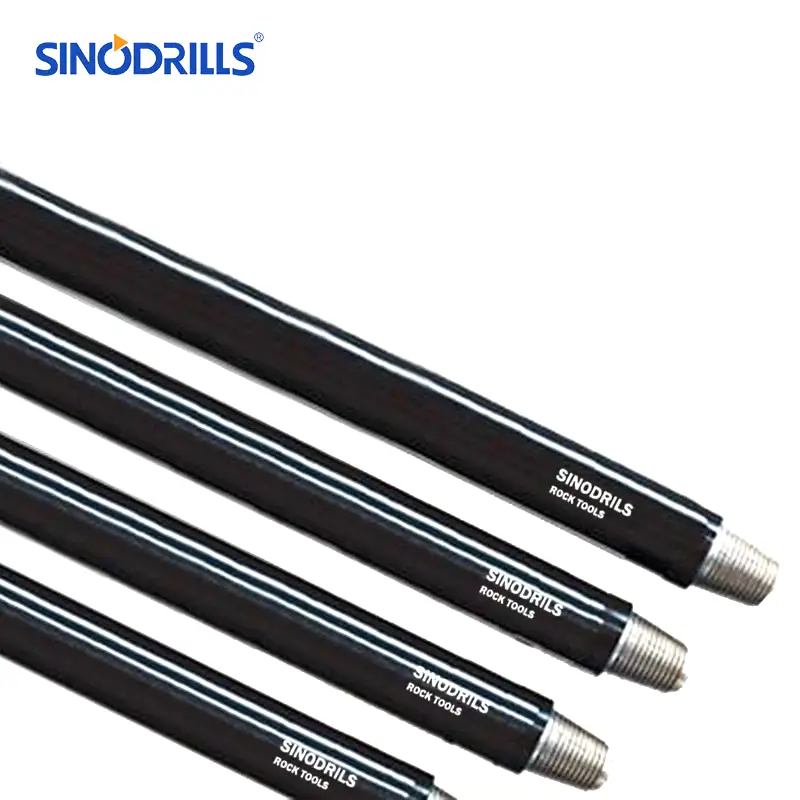
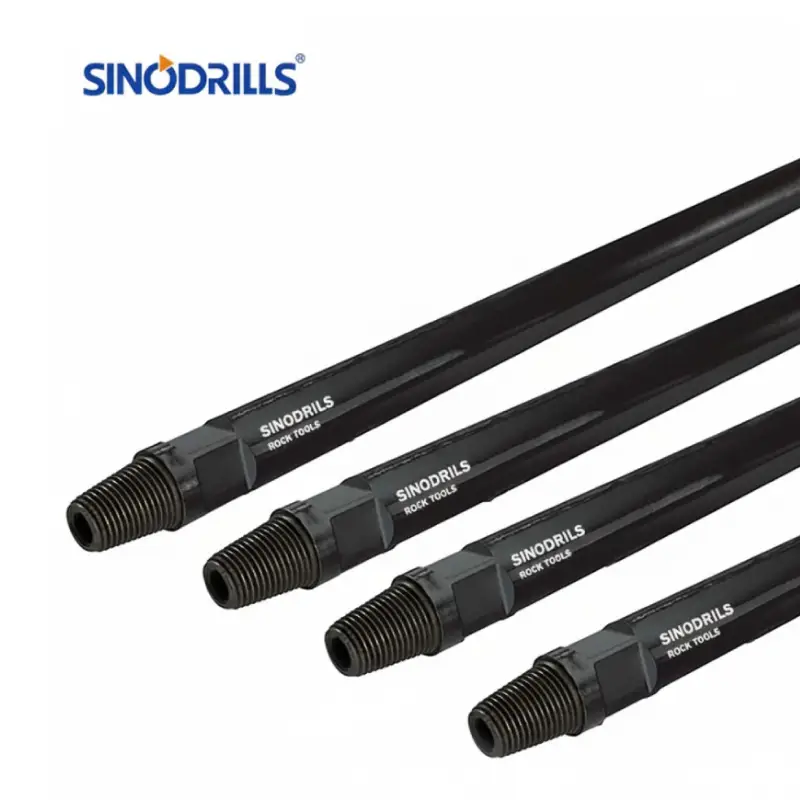
Drill pipe wall thickness is influenced by several key factors that ensure safety, durability, and operational efficiency. Choosing the correct thickness depends on the drilling environment, expected loads, and fluid pressures. Understanding these factors helps optimize performance and reduces the risk of pipe failure during operations.
- Drilling Depth: Deeper wells require thicker walls to withstand higher pressures and axial loads. Using insufficient wall thickness can lead to collapse or fatigue, compromising safety. Proper evaluation ensures the pipe can handle both vertical and lateral stresses throughout the drilling process.
- Internal Pressure: The pressure of drilling fluids inside the pipe affects wall thickness requirements. Higher fluid pressures demand stronger walls to prevent bursting or deformation. Accurate calculations based on fluid type and flow rate help maintain operational integrity.
- External Forces: Pipes experience external loads from formation pressure, bending, and tension. Wall thickness must be sufficient to resist these forces, reducing the risk of fractures, wear, or collapse during high-stress operations.
- Material Strength: The steel grade and heat treatment of the pipe also determine the necessary wall thickness. Stronger materials may allow thinner walls without sacrificing safety, while lower-strength materials require thicker walls to achieve the same performance.
How to Measure Drill Pipe Wall Thickness?
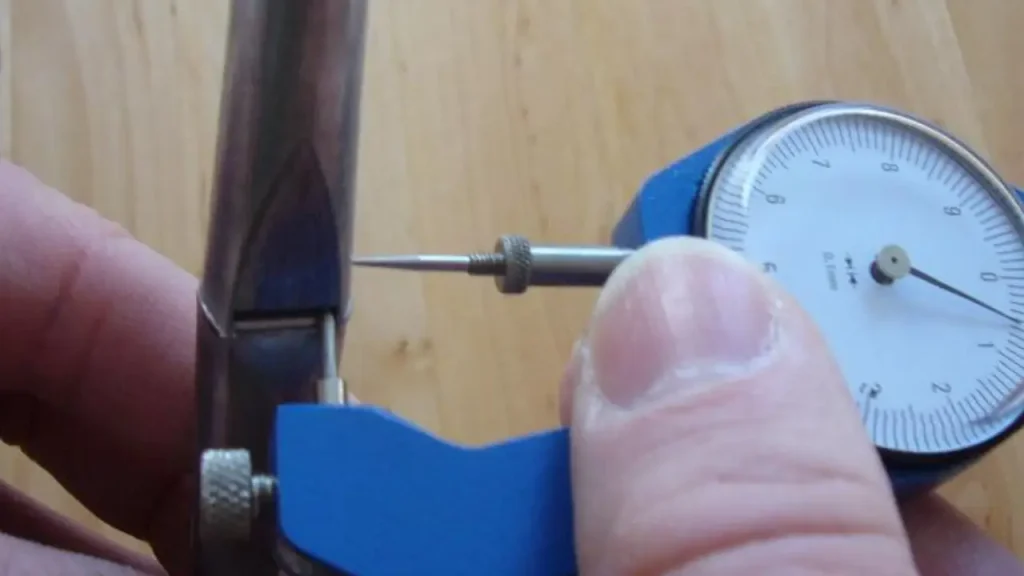
Measuring drill pipe wall thickness accurately is essential for ensuring safe and efficient drilling operations. The process involves careful inspection and precise measurement at multiple points along the pipe.
Following standardized steps helps prevent failures, maintain performance, and extend the pipe’s service life.
Tools Needed
- Caliper or micrometer
- Ultrasonic thickness gauge
- Pipe inspection gauge
- Measuring tape
- Safety gloves and protective equipment
Step 1: Inspect the Pipe Surface
Before taking measurements, visually inspect the pipe for corrosion, dents, or wear. Any damage can affect accuracy, so clean the surface and remove debris. This step ensures reliable readings and identifies areas where wall thickness may have diminished due to operational stress or environmental exposure.
Step 2: Use a Caliper or Micrometer
Place the caliper or micrometer on the pipe wall at multiple points along its length. Measure the thickness at consistent intervals to detect variations. Record all readings carefully to compare them against manufacturer specifications, helping identify sections that may require replacement or reinforcement.
Step 3: Apply Ultrasonic Measurement
For thicker or hard-to-reach pipes, use an ultrasonic thickness gauge. This tool sends sound waves through the pipe wall to determine thickness accurately. It is especially useful for detecting internal corrosion or wear that cannot be seen externally, ensuring a comprehensive assessment of the pipe’s condition.
Step 4: Analyze and Record Data
After measuring, analyze all collected data to ensure the wall thickness meets operational requirements. Compare measurements with design specifications to identify weak points. Documenting results helps plan maintenance, prevent failures, and make informed decisions about whether to continue using or replace the drill pipe.
Drill Pipe Weight and Wall Thickness
Drill pipe weight is directly influenced by wall thickness, impacting handling, transportation, and operational efficiency. Heavier pipes with thicker walls can withstand greater pressures but require more energy and equipment to manage.
Understanding this relationship helps drilling teams balance durability with practicality on the job site.
- Impact on Handling: Heavier drill pipes require more effort to move, lift, and connect during drilling operations. Proper equipment and team coordination are essential to manage thicker, heavier pipes safely, reducing the risk of injury or operational delays.
- Effect on Drilling Efficiency: Thicker-walled, heavier pipes can resist collapse and fatigue better, allowing for deeper and more demanding drilling projects. However, their increased weight may slow handling and rotation, so planning is essential to maintain optimal drilling speed and performance.
- Transportation Considerations: Wall thickness affects overall pipe weight, which influences shipping and storage logistics. Heavier pipes may increase transportation costs and require specialized equipment, so calculating total weight helps optimize delivery and handling efficiency.
- Operational Cost Implications: Thicker, heavier pipes provide durability but can increase fuel and energy consumption during drilling. Balancing wall thickness with weight ensures cost-effective operations while maintaining pipe integrity and safety, reducing long-term expenses.
- Longevity and Maintenance: Pipes with adequate wall thickness and weight endure wear and environmental stress better, extending service life. Properly balancing weight and thickness reduces maintenance needs and downtime, improving overall operational efficiency and reliability.
How to Choose the Proper Drill Pipe Wall Thickness?
Selecting the right drill pipe wall thickness is crucial for operational safety, efficiency, and longevity. The proper thickness ensures the pipe can withstand internal pressures, external loads, and environmental stresses without failure. Evaluating project requirements and drilling conditions helps determine the optimal specifications for each application.
- Consider Drilling Depth: Deeper wells generate higher axial and collapse pressures. Choosing a thicker wall helps the pipe resist bending and fatigue, ensuring safe and uninterrupted operations. Accurate depth assessment allows engineers to match wall thickness to expected loads, preventing premature wear or failure.
- Assess Fluid Type and Pressure: Drilling fluids exert internal pressure on the pipe. High-pressure fluids require thicker walls to prevent bursting or deformation. Understanding the fluid’s viscosity, density, and flow rate helps select a pipe that maintains safety and operational efficiency under all conditions.
- Evaluate External Loads: Pipes are subjected to bending, tension, and formation pressures. Wall thickness must be sufficient to handle these stresses without cracking or collapsing. Considering the operational environment, including deviation angles and torque, ensures long-term durability and reduces the risk of costly downtime.
- Check Material Strength and Standards: The steel grade, heat treatment, and manufacturing standards influence the required wall thickness. Higher-strength materials may allow slightly thinner walls without compromising safety, while lower-grade pipes need additional thickness. Compliance with industry standards guarantees reliability and performance.
- Plan for Maintenance and Longevity: Choosing an appropriate wall thickness extends service life and reduces maintenance frequency. Pipes with adequate thickness resist wear, corrosion, and fatigue, lowering operational costs. Planning for longevity ensures consistent performance and fewer interruptions in drilling operations.
Conclusion
Selecting the correct drill pipe wall thickness ensures smooth and safe drilling operations. Properly chosen pipes minimize downtime, resist wear, and handle the pressures of challenging drilling environments. At Sinodrills, we provide a wide range of drill pipes that meet rigorous industry standards, delivering both reliability and performance.
Optimizing wall thickness also improves cost-effectiveness. Using pipes with the right specifications reduces maintenance and replacement needs, saving time and money in the long run. Sinodrills offers wholesale drill pipes tailored to different drilling requirements, helping you maintain operational efficiency without compromising quality or safety.
Whether you are working on shallow wells or deep drilling projects, wall thickness impacts every stage of your operation. With Sinodrills’ selection of durable, high-performance drill pipes, you can achieve better results while ensuring safety and reliability. Explore our wholesale options to meet your drilling needs efficiently.