
Self-drilling and self-tapping screws are widely used for fastening materials in construction, manufacturing, and industrial projects. Although both can create threads during installation, they work differently and suit different applications. Understanding how these screws differ can help you select the right fastener for better installation efficiency, strength, and overall performance.
The main difference is how each screw prepares the material for installation. Self-drilling screws have a drill-like point that can penetrate materials without a separate pilot hole, while self-tapping screws generally require a pre-drilled hole. In this guide, we will compare their designs, installation methods, applications, and key advantages.
What is Self-Drilling?
Recommended Self Drilling Tools
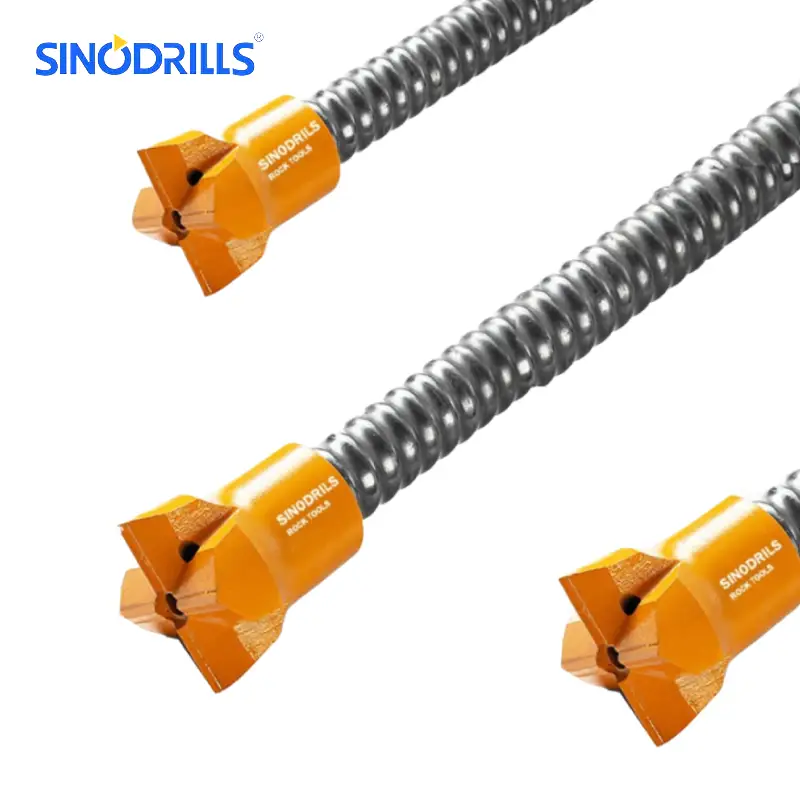
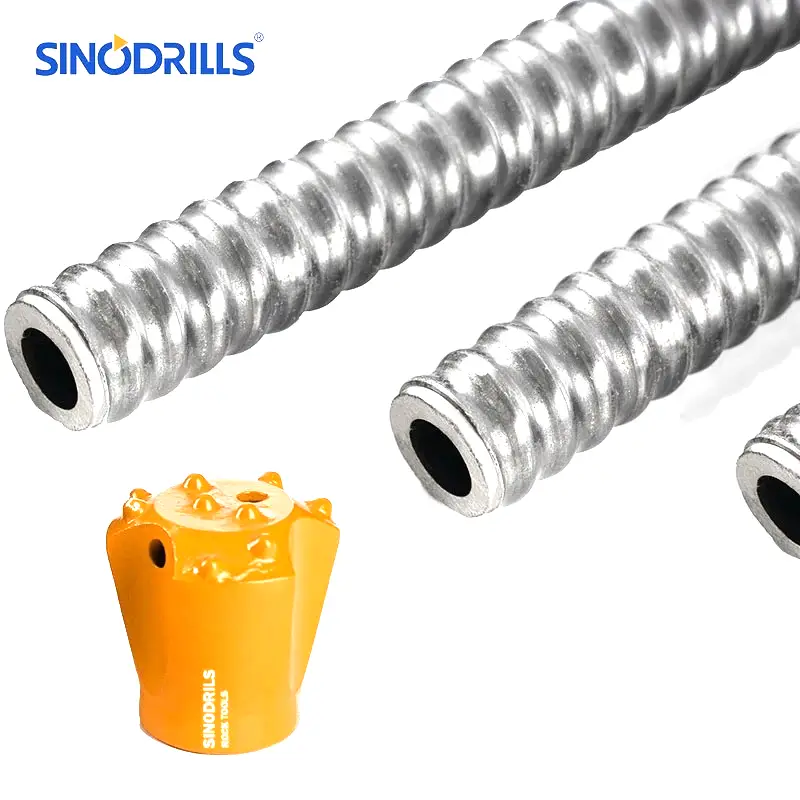
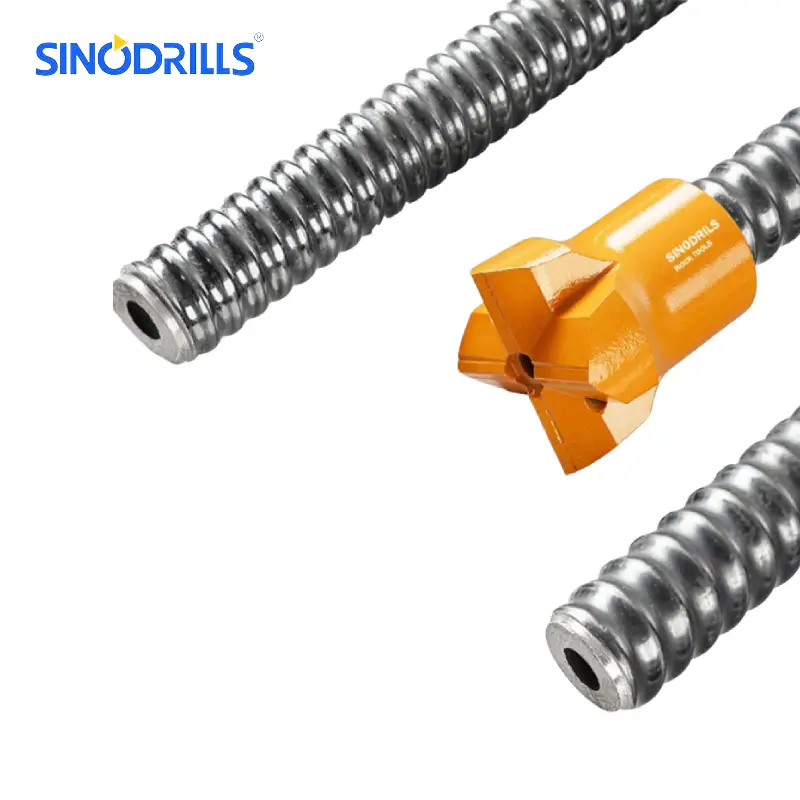

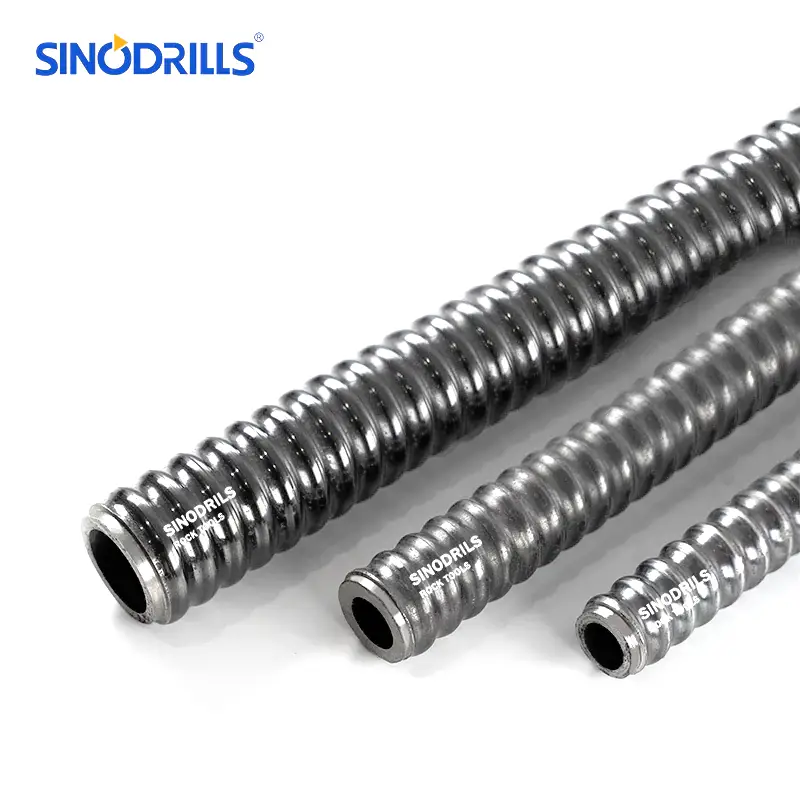
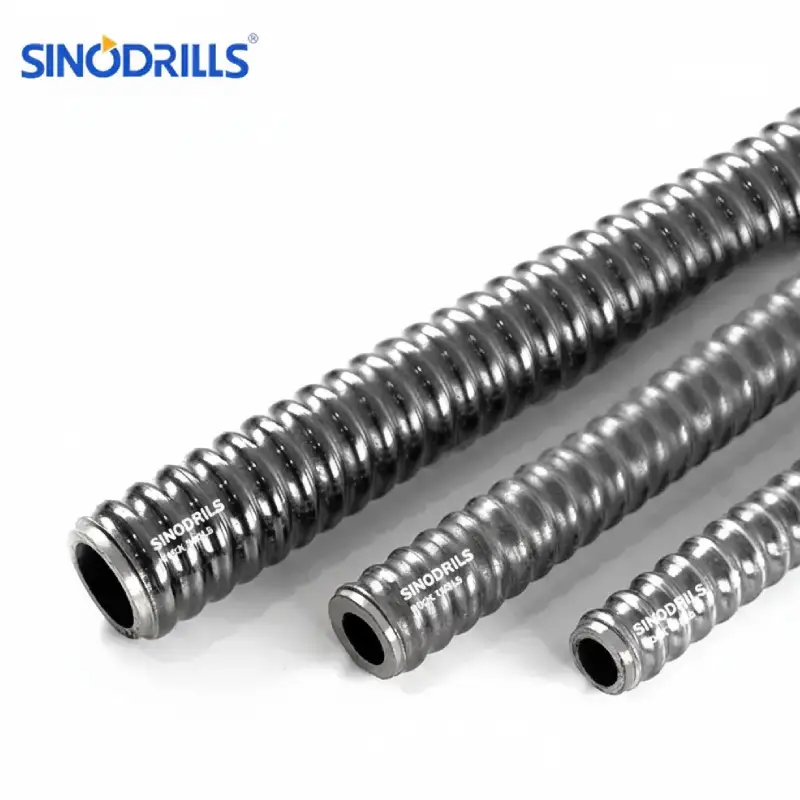
Self-drilling refers to a fastening or drilling method where the tool or screw can penetrate the material without requiring a separate pilot hole. Its drill-shaped tip cuts through the surface during installation, making the process faster and more efficient. Self-drilling solutions are commonly used in construction, metalworking, mining, and other industrial applications.
- Drill-Like Tip: Self-drilling screws or tools feature a pointed cutting tip designed to penetrate materials directly. This design allows drilling and fastening to happen in one operation, reducing preparation steps and improving installation efficiency.
- No Pilot Hole Required: A key feature of self-drilling is that it can create its own starting hole. This eliminates separate drilling in many applications, saving time, labor, and equipment during installation.
- Faster Installation: Self-drilling products combine multiple installation steps into one process. Operators can work more quickly because there is usually no need to switch between drilling and fastening tools.
- Suitable for Different Materials: Depending on their design and specifications, self-drilling products can work with materials such as metal, wood, and certain construction materials. Choosing the correct type is important for reliable penetration.
- Reduced Installation Effort: Self-drilling designs simplify the installation process and reduce manual preparation. This can make them especially useful for large-scale projects where many fastening or drilling operations must be completed efficiently.
What is Self-Tapping?
Self-tapping refers to a fastening method where a screw creates its own threads as it is driven into a pre-drilled hole or suitable material. Unlike self-drilling screws, self-tapping screws generally do not drill their own starting holes. They are widely used in construction, machinery, automotive, and manufacturing applications.
- Thread-Cutting Design: Self-tapping screws have specially designed threads that cut, form, or displace material as the screw enters the hole. This creates matching internal threads for a secure connection.
- Pre-Drilled Hole Required: Most self-tapping screws need a correctly sized pilot hole before installation. Preparing the hole helps the screw engage properly and reduces the risk of material damage.
- Efficient Installation: Self-tapping screws simplify fastening because they create threads during installation. This reduces the need for separately tapping internal threads before inserting the screw.
- Versatile Applications: Self-tapping screws are available in different sizes, thread patterns, materials, and head styles. They can be selected for applications involving metal, plastic, wood, and other suitable materials.
- Secure Fastening: The threads formed inside the material provide strong engagement between the screw and workpiece. Proper screw selection and hole sizing are important for achieving reliable holding strength.
Self-Drilling vs Self-Tapping
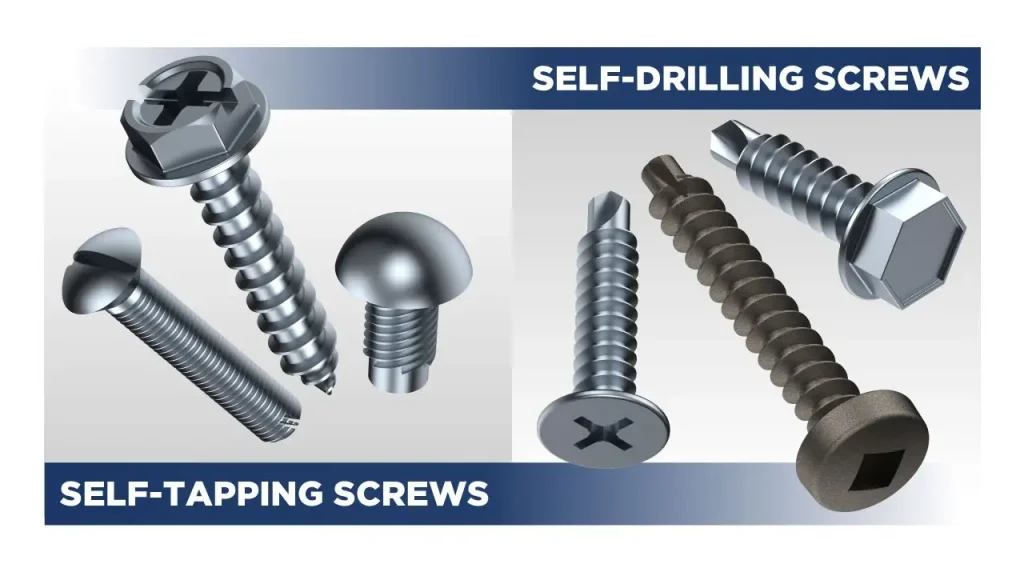
Self-drilling and self-tapping are two common fastening methods used across construction, machinery, metalworking, and industrial applications. Although both can simplify fastening, they differ in their tip design, installation process, material compatibility, and applications. Understanding these differences helps buyers and contractors select the right tools for efficient drilling, secure fastening, and consistent performance.
1. Drilling Method
Self-drilling tools or screws are designed to penetrate the material directly. Their drill-shaped points cut through the workpiece while the fastener advances, so a separate pilot hole is usually unnecessary. This makes self-drilling useful when installation speed is an important consideration.
Self-tapping products work differently because they generally require a pre-drilled hole. Once inserted, their specially designed threads cut or form threads inside the hole. The correct pilot-hole size is important because it affects installation torque, thread engagement, and fastening strength.
2. Tool and Tip Design
Self-drilling products feature a cutting point that performs a drilling function during installation. In the self-drilling industry, different point designs and tool specifications can be selected according to material thickness, hardness, and drilling requirements.
Self-tapping screws typically have sharper or specially formed threads rather than a dedicated drill point. Their design focuses on creating or forming threads as they enter the prepared hole. Different thread profiles are available for metal, plastic, wood, and other materials.
3. Installation Efficiency
Self-drilling offers a relatively streamlined installation process because drilling and fastening can be completed in one operation. This can reduce the number of tools required and save preparation time, particularly when many fastening points are involved.
Self-tapping requires an additional drilling step when the material does not already have a suitable hole. However, once the hole is prepared, the screw can create its own mating thread. This method can provide controlled and consistent fastening in many industrial applications.
4. Material Compatibility
Self-drilling products are commonly selected for applications involving sheet metal, steel structures, construction materials, and other materials that match the tool’s drilling capacity. The product must be matched to material thickness and hardness to prevent excessive wear or poor penetration.
Self-tapping screws can be used with various materials, including metals, plastics, and wood, depending on their design. Selecting the correct screw type, thread profile, diameter, and pilot-hole size helps achieve reliable thread formation without unnecessarily damaging the workpiece.
5. Applications
Self-drilling is widely used where operators need efficient penetration and fastening, such as steel construction, metal roofing, HVAC installation, machinery assembly, and other industrial projects. It is particularly useful when eliminating a separate pilot-drilling operation can improve productivity.
Self-tapping is suitable for applications where a prepared hole is acceptable or preferred. It is commonly used in machinery, automotive components, electrical equipment, sheet-metal fabrication, and general manufacturing. The method can be useful when controlled thread engagement is more important than one-step drilling.
6. Choosing the Right Option
Choose self-drilling when you need to penetrate suitable materials and complete drilling and fastening with fewer installation steps. Consider material thickness, drilling capacity, point design, tool quality, and operating conditions before selecting a self-drilling solution.
Choose self-tapping when the application already includes pilot holes or requires a controlled hole diameter and thread-forming process. Comparing material type, screw specifications, installation torque, and required thread engagement will help you achieve a more reliable connection.
| Aspect | Self-Drilling | Self-Tapping |
|---|---|---|
| Main function | Drills and fastens in one operation | Creates or forms threads during fastening |
| Pilot hole | Usually not required | Generally required |
| Tip design | Drill-like cutting point | Thread-forming or thread-cutting point |
| Installation | Faster, fewer steps | Requires an additional drilling step in many cases |
| Common materials | Metal, steel, construction materials | Metal, plastic, wood, and other suitable materials |
| Main advantage | Saves drilling and preparation time | Provides controlled thread engagement |
| Typical applications | Steel construction, roofing, HVAC, machinery | Manufacturing, automotive, sheet metal, machinery |
| Selection factors | Material thickness, hardness, drilling capacity | Hole size, thread design, material, torque |
How to Choose Self Drilling and Self-Tapping Tools?
Choosing between self-drilling and self-tapping tools depends on the material, hole requirements, installation method, and project conditions. Although both solutions are designed to improve fastening efficiency, they perform different functions. Considering these factors before purchasing helps ensure proper penetration, reliable thread engagement, longer tool life, and better overall performance in industrial applications.
- Material Type: Identify the material you need to drill or fasten before selecting a tool. Metal, steel, plastic, and wood have different hardness and structural characteristics, so the tool should be designed for the specific material to achieve clean penetration and reliable fastening.
- Material Thickness: Check the thickness of the workpiece carefully. Self-drilling tools should have sufficient drilling capacity to penetrate the material, while self-tapping applications require an appropriately sized pilot hole. Matching the tool to material thickness helps prevent excessive pressure, tool damage, and incomplete fastening.
- Drilling or Tapping Requirements: Choose self-drilling when you want to combine hole creation and fastening in one operation. Self-tapping is more suitable when a pilot hole is already available or when you need controlled thread formation inside a prepared hole.
- Tool Size and Specifications: Consider diameter, length, thread design, tip geometry, and other specifications when selecting your tools. Correct sizing improves contact between the tool and workpiece while reducing the possibility of slipping, breakage, poor thread engagement, or insufficient holding strength.
- Installation Equipment: Make sure the selected tool is compatible with your drilling or fastening equipment. Factors such as chuck compatibility, operating speed, torque, and power requirements can affect performance. Using suitable equipment helps maintain consistent installation results and reduces unnecessary tool wear.
- Working Conditions: Consider the environment where the tools will be used. High temperatures, moisture, dust, vibration, and heavy-duty operation may require tools with appropriate materials, coatings, or construction. Selecting tools for actual working conditions can improve durability and reliability.
- Project Efficiency: For large-scale projects, installation speed and labor requirements should also influence your choice. Self-drilling tools can reduce preparation steps, while self-tapping tools can provide efficient fastening when pilot holes are already part of the production process.
Conclusion
Self-drilling and self-tapping screws may look similar, but their designs and installation methods suit different jobs. Self-drilling screws combine drilling and fastening in one step, while self-tapping screws form threads inside an existing hole. Knowing these differences helps contractors and manufacturers choose suitable fasteners for specific materials and project requirements.
For projects that require faster installation, self-drilling screws can reduce preparation work because they can penetrate the material directly. Self-tapping screws remain a practical choice when accurate pre-drilled holes are preferred. Consider material thickness, hardness, thread design, screw size, and installation conditions before choosing the right option.
If you need reliable self-drilling tools for construction, mining, or industrial applications, we can provide suitable solutions for your requirements. Get wholesale self-drilling tools from Sinodrills and choose products designed for dependable performance, efficient installation, and demanding working conditions. Contact us to discuss your project and sourcing needs.