
Choosing the right drill bit is crucial for efficient and cost-effective drilling operations. Two common types, TCI (Tungsten Carbide Insert) bits and milled tooth bits, serve distinct purposes in the drilling industry. Understanding their differences is key to optimizing performance.
This blog post will delve into the fundamental distinctions between TCI bits and milled tooth bits. We’ll explore their construction, ideal applications, advantages, and limitations to help you make informed decisions for your drilling projects.
What is TCI Bit?
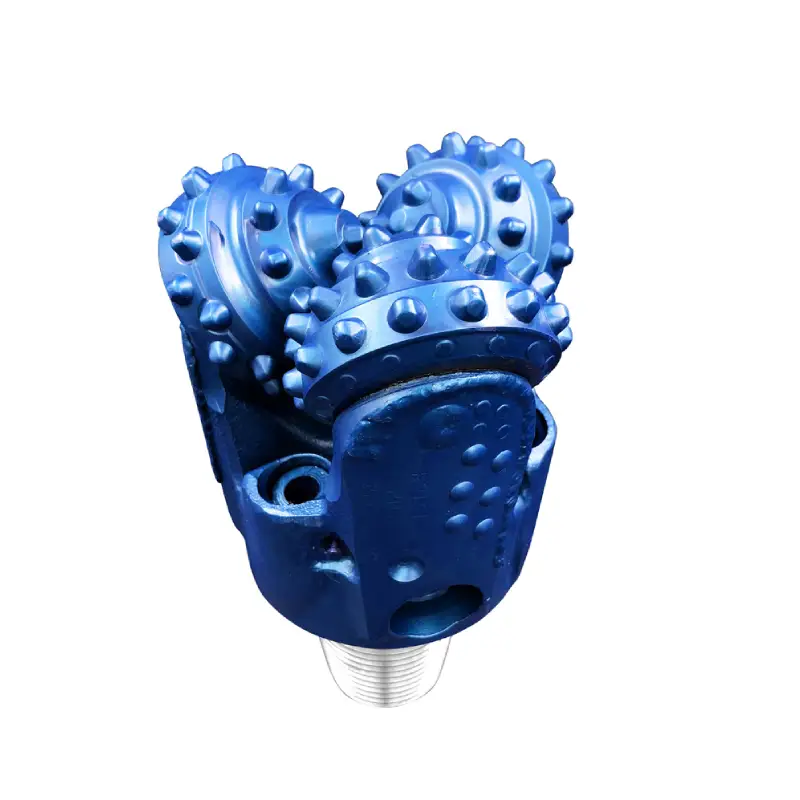

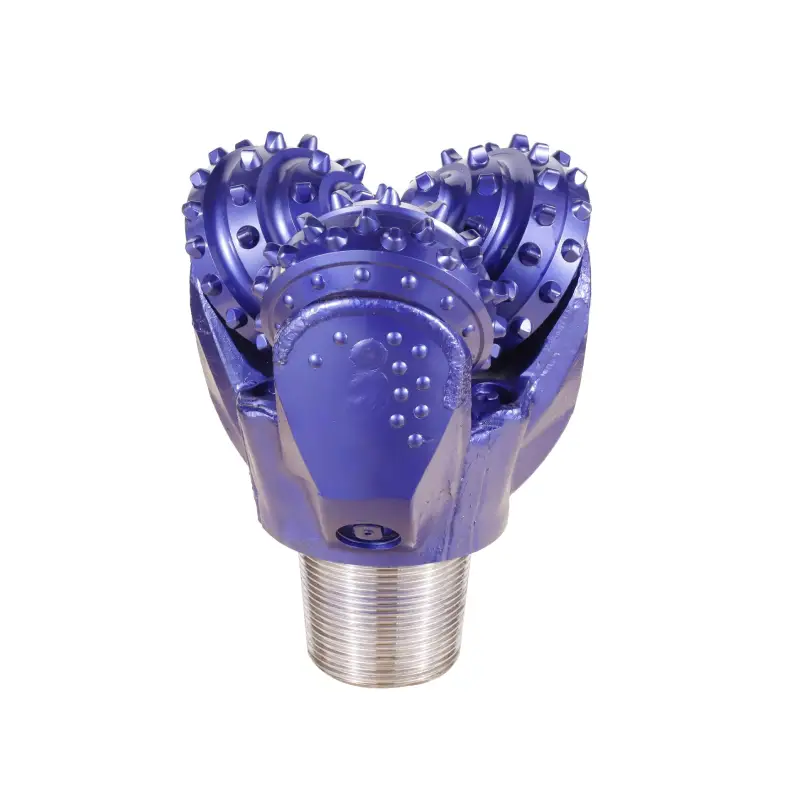
A TCI (Tungsten Carbide Insert) bit is a type of roller cone drill bit specifically designed for drilling through various rock formations, particularly harder and more abrasive ones. Its distinguishing feature is the presence of tungsten carbide inserts, which are extremely hard and wear-resistant buttons or shaped teeth embedded into the rotating cones of the bit.
These tungsten carbide inserts, made from a composite of tungsten and carbon, provide superior durability and cutting efficiency compared to traditional milled steel teeth.
As the bit rotates, the cones independently crush, chip, and shear the rock, making TCI bits highly effective for achieving high penetration rates and extended bit life in challenging drilling environments.
What is a Milled Tooth Bit?
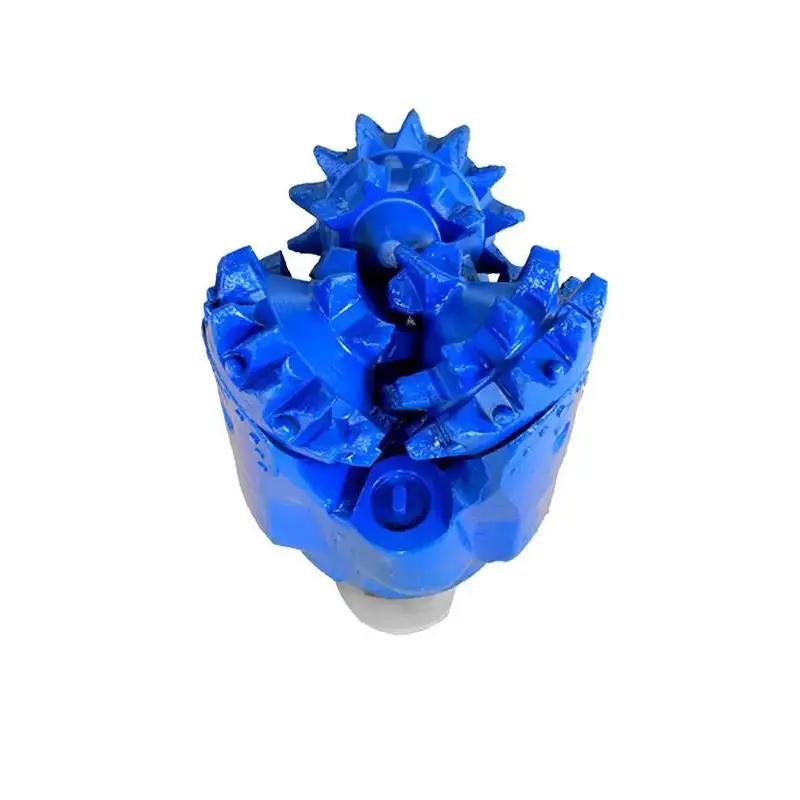
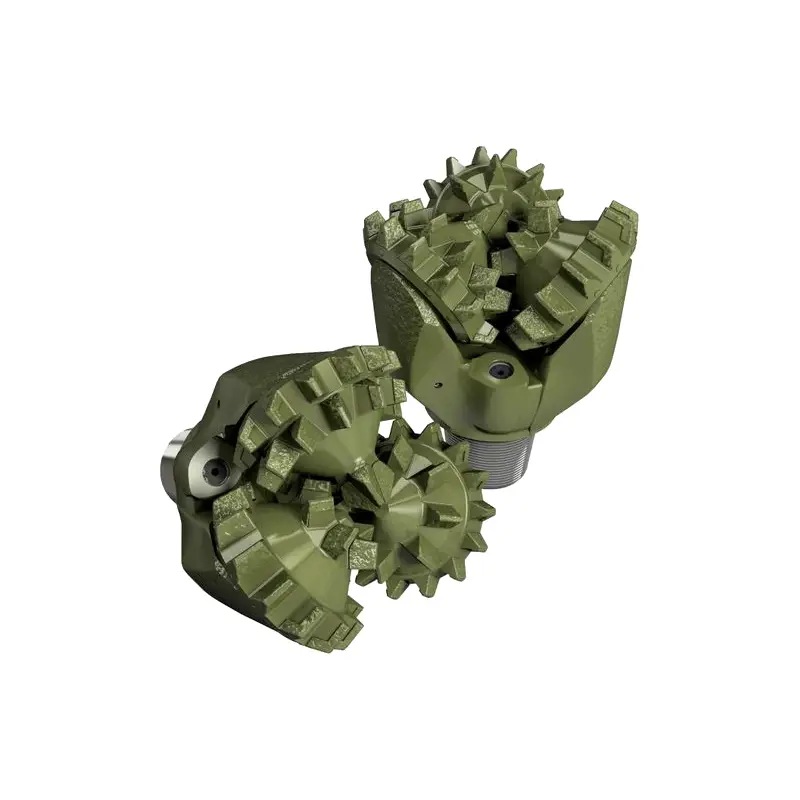
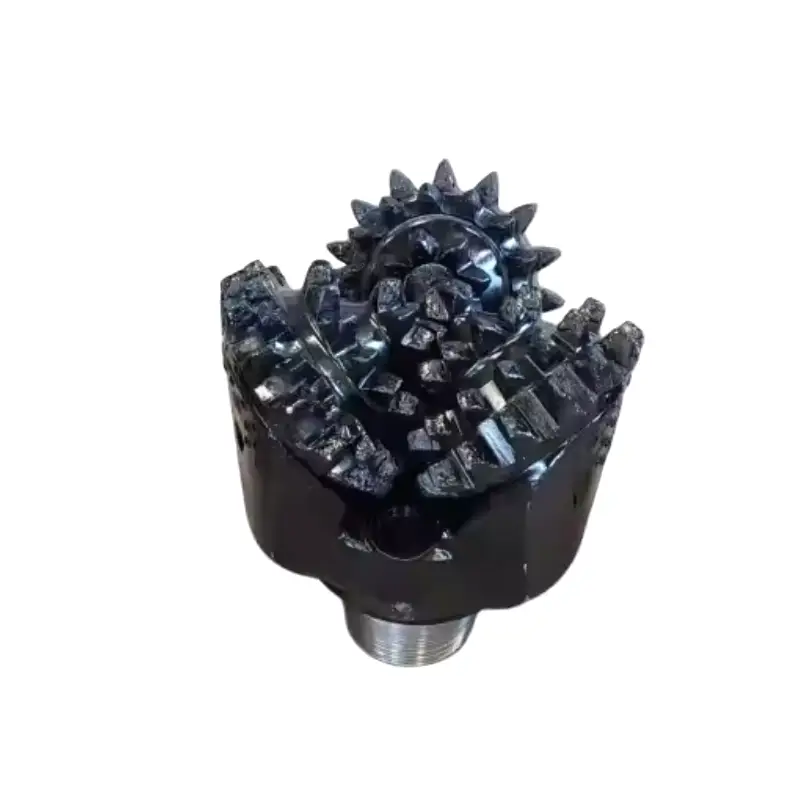
A Milled Tooth bit, also known as a Steel Tooth bit, is a type of roller cone drill bit characterized by its cutting elements being integral steel teeth that are milled or machined directly from the bit’s cones.
Unlike TCI bits which have inserts, the teeth of a milled tooth bit are made from the same steel as the rest of the cone and are often hard-faced with wear-resistant carbide composite for improved durability.
These mill tooth bits are generally favored for drilling in softer, less abrasive rock formations like clays, shales, and soft limestones, where their gouging and scraping action is most effective at breaking and removing the rock. While they can be very efficient in such formations, they tend to wear out faster in harder, more abrasive environments compared to TCI bits.
TCI Bit vs Milled Tooth Bit
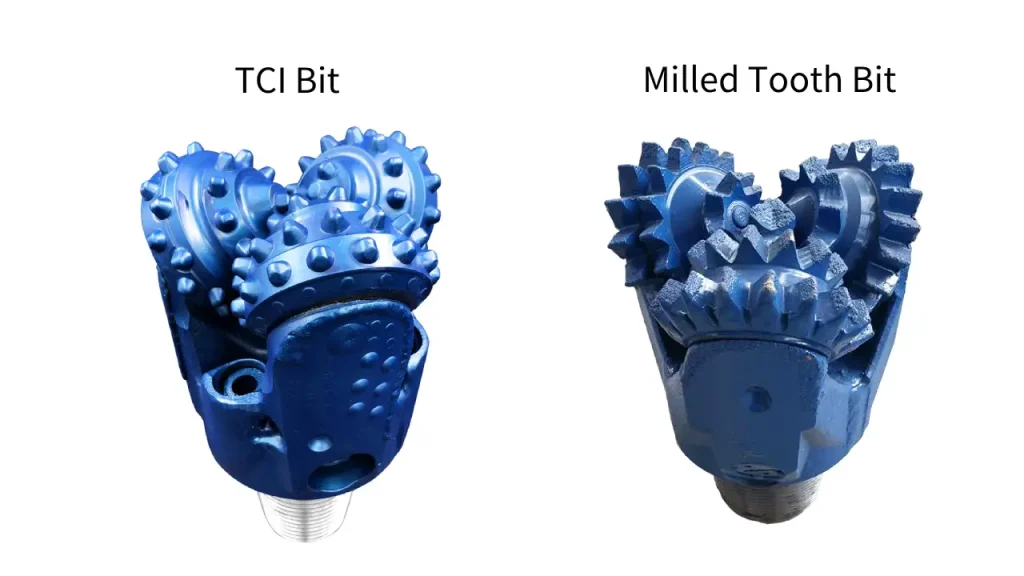
Choosing the right drill bit is crucial for efficient drilling operations. This detailed guide explores the fundamental differences between TCI (Tungsten Carbide Insert) bits and Milled Tooth bits, helping you understand their unique features and optimal applications for various geological formations.
Construction and Cutting Elements
TCI bits are characterized by their cutting elements, which are individual inserts made from tungsten carbide. These extremely hard and wear-resistant carbide inserts are pressed into pre-drilled holes on the drill bit’s three rotating cones. The shape and projection of these inserts can vary, from chisel-shaped for softer formations to hemispherical buttons for the hardest and most abrasive rocks, allowing for tailored performance.
In contrast, milled tooth bits feature cutting teeth that are an integral part of the steel cone itself. These teeth are machined or milled directly from the steel body of the cones. While the steel can be hard-faced with tungsten carbide composite for improved wear resistance, the fundamental difference lies in the monolithic construction of the teeth with the cone.
Formation Suitability
TCI bits are highly versatile and excel in a broad spectrum of rock formations, ranging from soft to extremely hard and abrasive conditions. Their robust tungsten carbide inserts allow them to effectively penetrate dense, fractured, and abrasive rock types like granite, quartzite, and hard limestone by crushing and chipping the formation.
Milled tooth bits are primarily designed for drilling in softer to medium-hard rock formations. Their steel teeth are more effective in formations that respond well to a gouging, scraping, and tearing action, such as clays, shales, and soft sandstones. In very hard or abrasive formations, the steel teeth of milled tooth bits would quickly wear down, leading to reduced efficiency and premature bit failure.
Durability and Lifespan
Due to the inherent hardness and wear resistance of tungsten carbide, TCI bits generally offer a significantly longer lifespan, particularly when drilling in challenging, abrasive formations. This enhanced durability translates to fewer bit changes during a drilling project, reducing downtime and overall operational costs in the long run.
Milled tooth bits, while durable for their intended soft-to-medium formation applications, have a shorter lifespan compared to TCI bits, especially if encountered with harder or more abrasive interbeds. Their steel teeth are prone to faster wear and dulling, which can necessitate more frequent trips out of the hole for bit replacement.
Drilling Mechanism
TCI bits primarily break rock through a combination of crushing, chipping, and shearing actions. As the bit rotates and weight is applied, the tungsten carbide inserts impact and fracture the rock, creating a crushing effect. The design and spacing of the inserts also enable a shearing action that helps to dislodge rock fragments.
Milled tooth bits utilize a more aggressive gouging and scraping mechanism to break rock. The relatively longer and sharper steel teeth penetrate the softer formations, scooping and tearing away the rock. While they also incorporate a crushing action, their primary mode of rock destruction relies on the physical removal of material by the sharp steel teeth.
Cost
Typically, TCI bits have a higher upfront purchase cost compared to Milled Tooth bits. This is due to the more expensive raw materials (tungsten carbide) and the more complex manufacturing processes involved in embedding the inserts precisely into the cones.
Milled tooth bits are generally more cost-effective in terms of initial purchase price. Their simpler construction with integral steel teeth makes them a more economical option, especially for projects involving shallower depths or predominantly soft formations where their shorter lifespan is less of a financial concern.
Here is the table showing you the differences between TCI drill bits and milled tooth drill bits:
| Feature | TCI Bit (Tungsten Carbide Insert) | Milled Tooth Bit (Steel Tooth) |
| Cutting Elements | Individual tungsten carbide inserts | Steel teeth milled directly from the cone |
| Formation Suitability | Soft to extremely hard and abrasive rocks | Soft to medium-hard formations |
| Durability/Lifespan | High wear resistance, generally longer lifespan | Lower wear resistance, generally shorter lifespan |
| Drilling Mechanism | Crushing, chipping, and shearing | Gouging, scraping, and crushing |
| Cost | Higher initial cost | Lower initial cost |
| Primary Advantage | Excellent performance and longevity in hard formations | Cost-effective and efficient in soft formations |
Steel Tooth vs Tungsten Carbide Insert (TCI) Tricone Bit
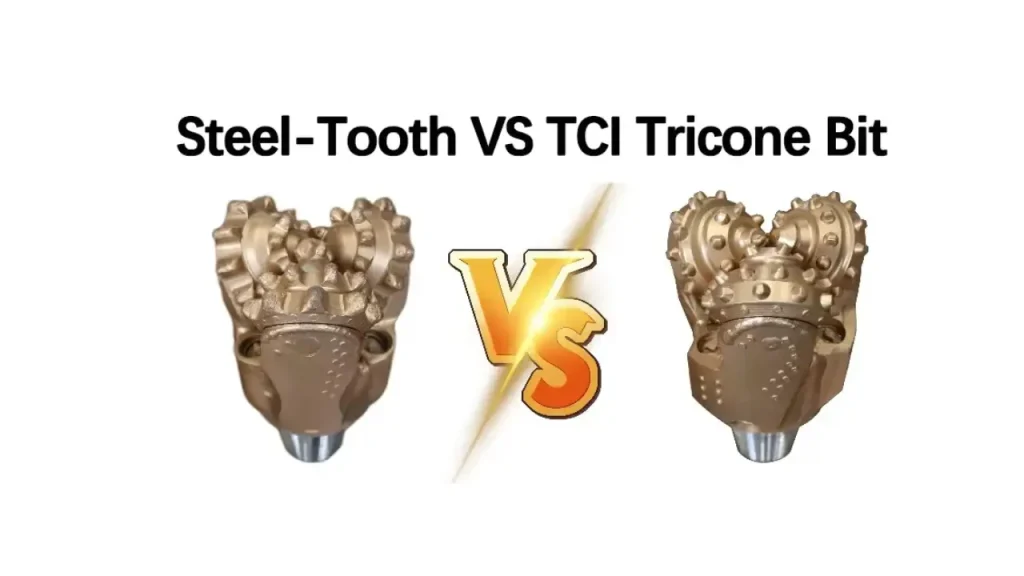
Steel tooth and tungsten carbide insert (TCI) tricone bits are both essential tools in drilling, each offering unique advantages depending on the geological conditions. Understanding their differences in design, performance, and durability is key to selecting the right bit for your drilling operations.
- Steel Tooth Bits: Steel tooth tricone bits feature rotating steel teeth designed to scrape and crush rock formations. These bits are best suited for soft to medium-hard rock formations, offering efficient cutting action. However, they wear faster in harder formations and may require more frequent maintenance.
- Tungsten Carbide Insert (TCI) Bits: TCI bits use tungsten carbide inserts that are pressed into the teeth, providing superior durability and resistance to wear. These bits are ideal for hard rock formations, as they can withstand higher temperatures and pressures, ensuring a longer service life in challenging conditions.
- Cost Comparison: Steel tooth bits are generally more affordable upfront, making them a cost-effective option for softer formations. However, their shorter lifespan may lead to higher maintenance costs. In contrast, TCI bits, while more expensive initially, offer better performance and longer durability, reducing the overall cost per well.
- Performance in Different Formations: Steel tooth bits excel in softer formations like shale, sandstone, and limestone, where they can provide fast penetration. TCI bits, on the other hand, are better suited for harder rock formations like granite and basalt, where their toughness allows for extended drilling without premature wear.
How to Choose TCI Bit and Milled Tooth Bit?
Choosing between a TCI bit and a milled tooth bit depends on the specific drilling conditions and geological formations. Each bit type offers distinct advantages, and selecting the right one ensures efficient drilling and longer bit life.
Consider factors like rock hardness, drilling environment, and budget when making your decision.
- Rock Hardness: If drilling in hard rock formations such as granite or basalt, TCI bits are ideal due to their superior wear resistance and ability to withstand higher pressures. Milled tooth bits are better for softer formations, where they can provide faster penetration at a lower cost.
- Drilling Depth: For deeper wells or those with high temperatures and pressures, TCI bits are preferred for their durability. Milled tooth bits may struggle to maintain performance in such challenging conditions, as the teeth can wear out quickly under heavy use.
- Cost Considerations: Milled tooth bits generally have a lower initial cost, making them a more economical choice for shallower, less demanding applications. However, TCI bits offer longer service life, which can ultimately reduce overall drilling costs over the long term, especially in more demanding environments.
- Penetration Rate: Milled tooth bits are designed for faster penetration in softer formations, as their cutting teeth are able to grind away at the rock. TCI bits, with their harder inserts, are slower but more efficient in harder formations, providing better durability and consistent performance throughout drilling.
Conclusion
Choosing between TCI bits and milled tooth bits depends on your drilling needs and the type of rock you encounter. TCI bits excel in hard, abrasive formations, while milled tooth bits perform best in softer, more fractured rock. Understanding these distinctions can enhance productivity and reduce operational costs.
For drill operators seeking reliable performance, sourcing the right bits is essential. At Sinodrills, we provide TCI drill bits and milled tooth drill bits, tailored to your project requirements. Our products ensure durability, efficiency, and consistent results, making your drilling operations smoother and more cost-effective.
Get wholesale TCI drill bits and milled tooth drill bits directly from Sinodrills. With our competitive pricing, fast delivery, and expert support, you can equip your team with the right tools for every drilling scenario. Trust us for solutions that keep your operations running at peak performance.