
Drill bit aging is a common issue that affects drilling efficiency and tool lifespan. Over time, wear and tear can reduce cutting performance, increase drilling time, and even damage your equipment. Recognizing the early signs of drill bit aging is essential for maintaining smooth operations and cost efficiency.
Monitoring drill bit condition helps prevent unexpected downtime and ensures precision in drilling tasks. Factors such as heat, abrasion, and repeated use contribute to wear patterns. By understanding how drill bits age, you can plan timely replacements, maintain safety standards, and optimize your drilling projects effectively.
What is Drill Bit Aging?
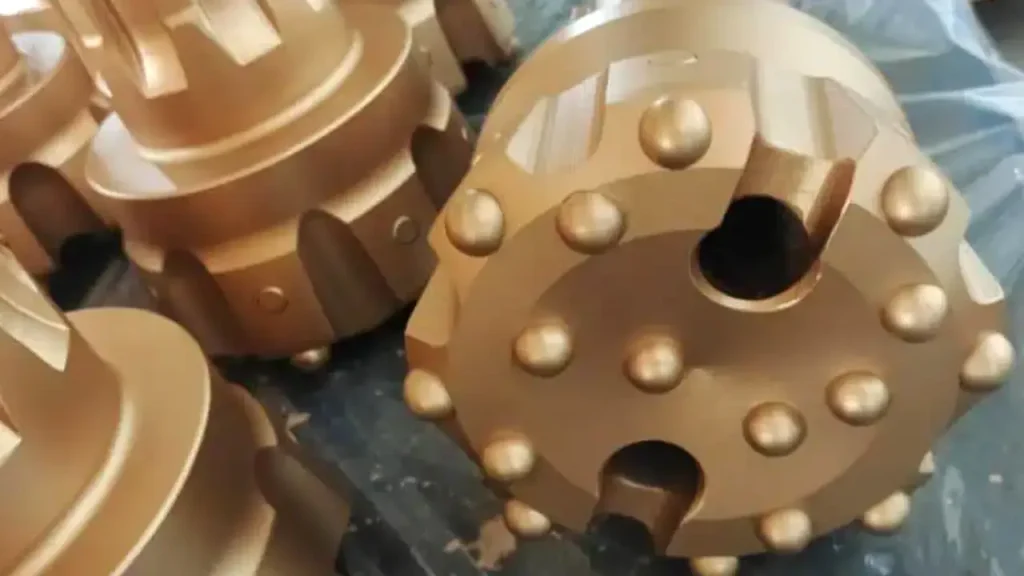
Drill bit aging refers to the gradual wear and deterioration of a drill bit over time due to repeated use, heat, and friction. As bits age, their cutting edges lose sharpness, efficiency drops, and drilling accuracy declines. Recognizing drill bit aging early helps prevent equipment damage and ensures consistent, high-quality drilling performance.
What Causes Drill Bit Aging?
Drill bit aging occurs due to several factors that gradually reduce performance and efficiency. Understanding these causes helps in preventing premature wear and maintaining drilling quality. Common contributors include:
- Friction and Heat: Continuous drilling generates friction, producing heat that softens the bit material. Over time, this reduces sharpness, causes edge chipping, and accelerates wear, affecting overall drilling efficiency and tool lifespan.
- Abrasive Materials: Drilling through hard or abrasive rock and soil gradually erodes the cutting edges. This constant abrasion wears down the bit surface, slowing penetration, increasing energy consumption, and necessitating more frequent replacements to maintain precision.
- Improper Usage: Using the wrong speed, pressure, or drilling technique puts extra stress on the bit. Misalignment, excessive force, or inadequate cooling can lead to premature wear, cracks, or breakage, significantly shortening the drill bit’s service life.
- Corrosion and Material Fatigue: Exposure to moisture, chemicals, or repeated stress cycles weakens the bit’s structure. Corrosion and microfractures reduce strength and sharpness, making aging more pronounced and limiting the overall effectiveness of the drill bit.
Why Do Rock Drill Button Bits Wear Out Quickly?
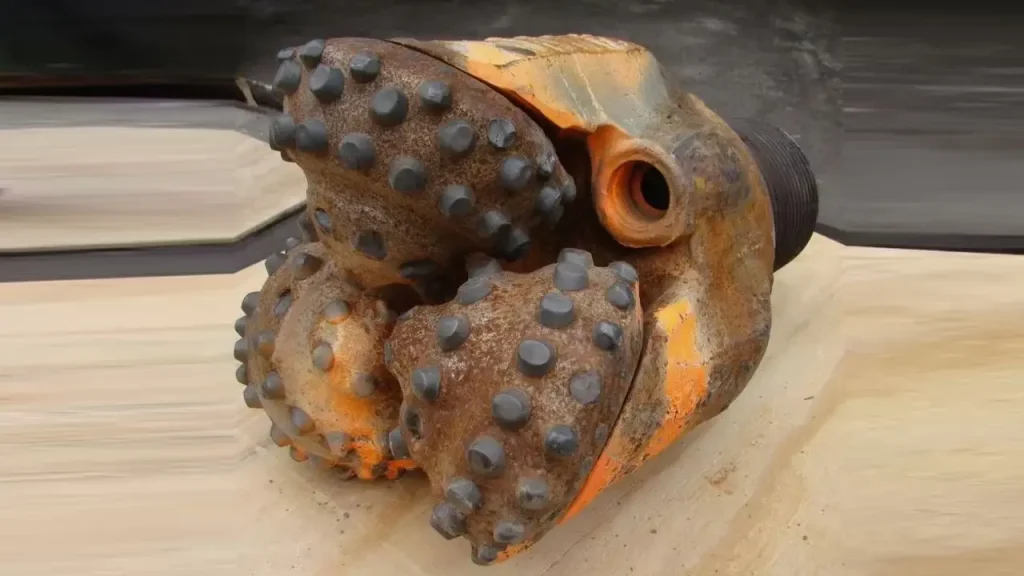
Rock drill button bits are essential for efficient drilling, but they can wear out faster than expected. Understanding the causes of rapid wear helps improve tool life and reduce downtime.
Common reasons why your rock drill bits aging include:
- Hard Rock and Abrasive Materials: Drilling in extremely hard or abrasive rock causes high friction and rapid erosion of the buttons. Over time, this diminishes cutting efficiency, increases energy use, and necessitates more frequent replacements, affecting overall project productivity.
- Excessive Speed or Pressure: Operating the drill at too high a speed or applying excessive pressure accelerates wear. The extra force generates heat and stress on the bit, leading to cracks, chipping, and a shorter lifespan if not properly managed.
- Poor Bit Maintenance: Lack of proper cleaning, sharpening, or rotation shortens the life of button bits. Accumulated debris, uneven wear, and neglected inspection can reduce performance and cause premature failure, requiring costly replacements.
- Inadequate Lubrication and Cooling: Insufficient lubrication or cooling during drilling increases friction and heat buildup. This weakens the bit material, promotes edge deterioration, and accelerates wear, reducing both efficiency and operational safety.
How to Extend Drill Bit Lifespan?
Recommended Drill Bits
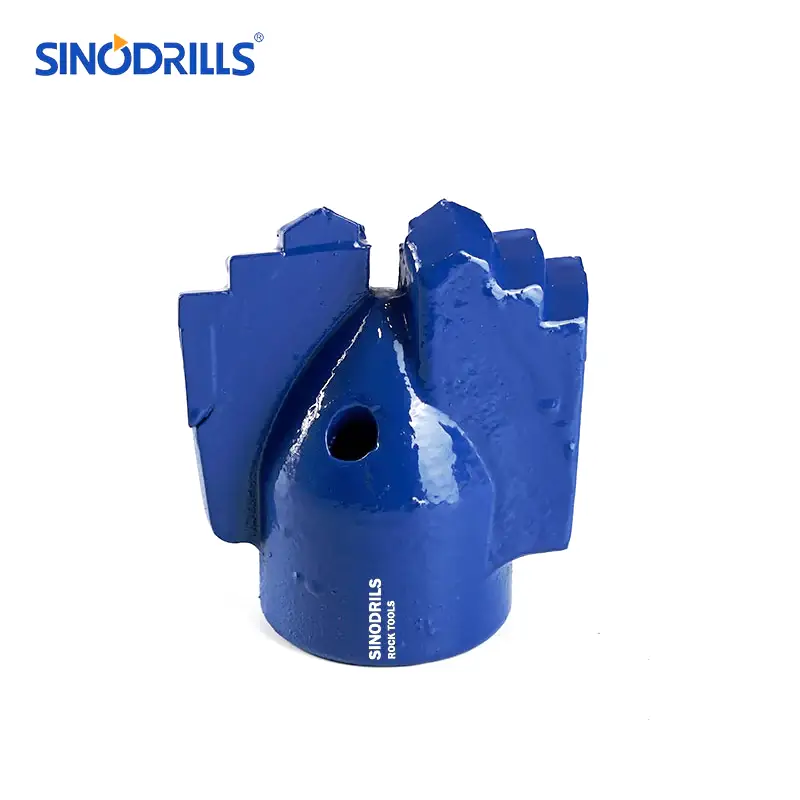
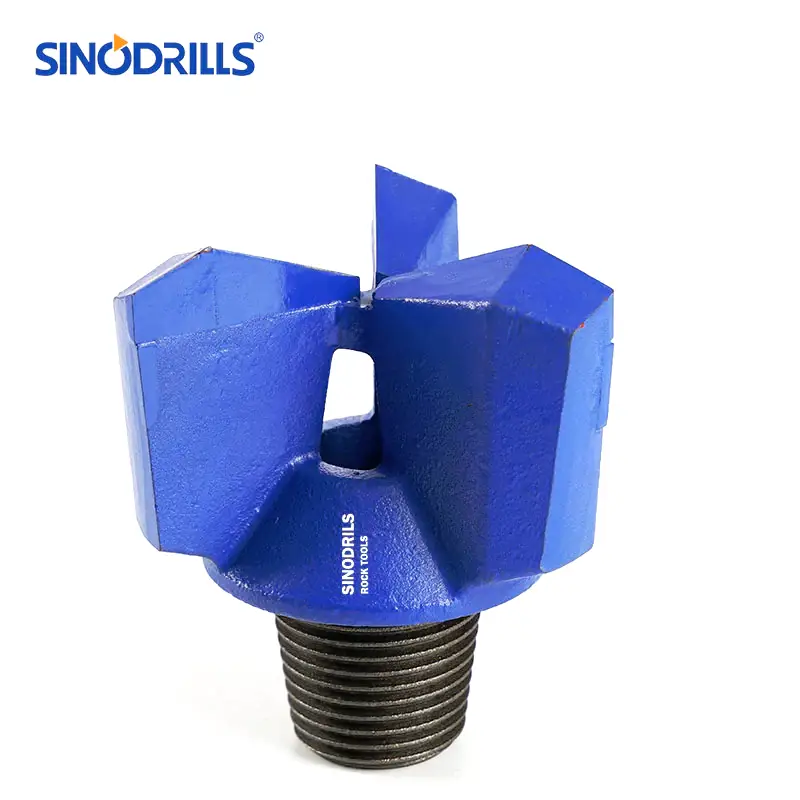

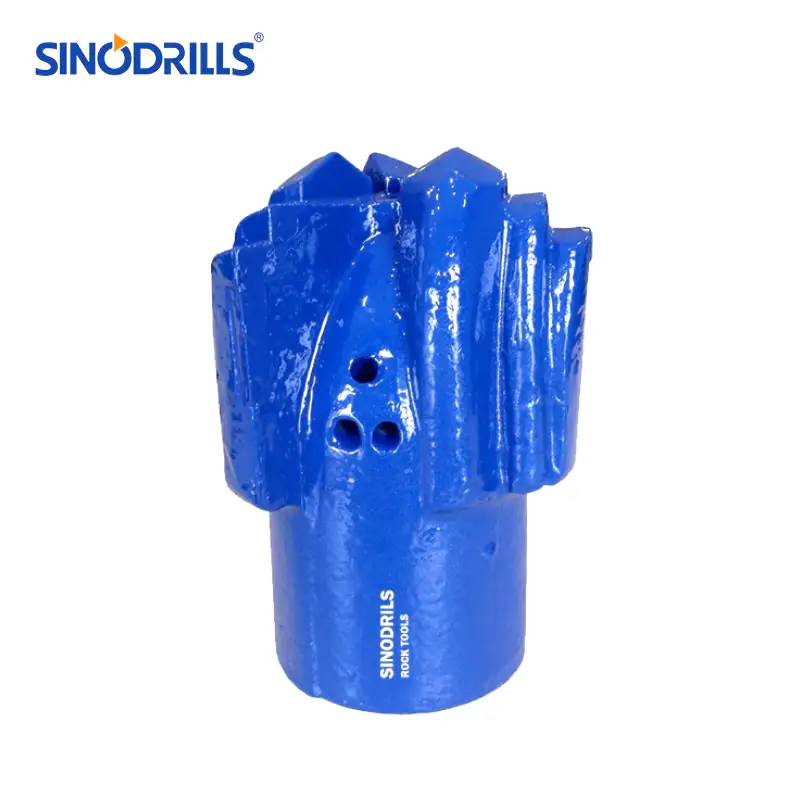
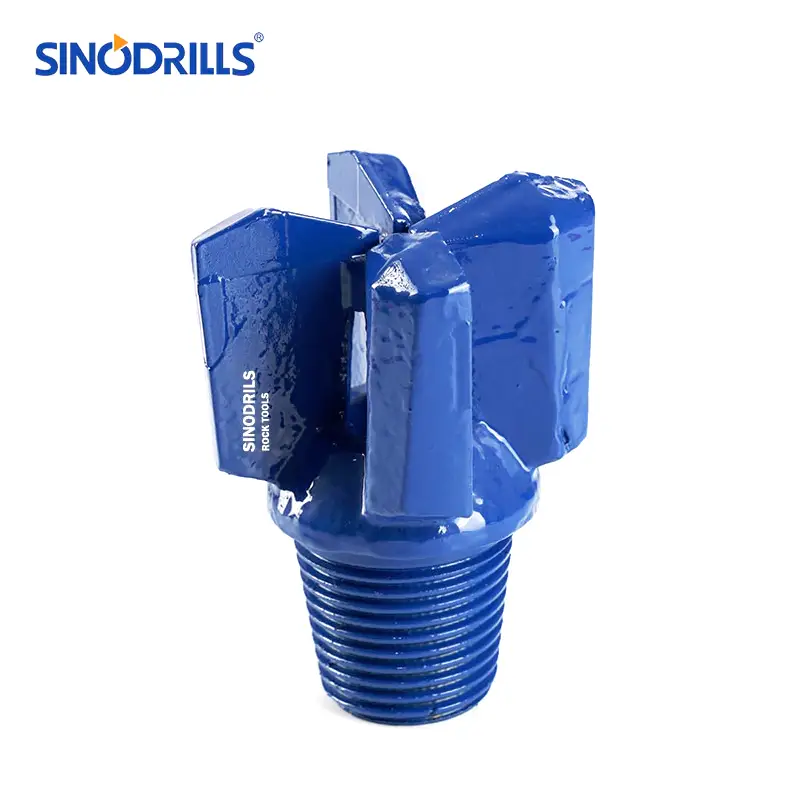
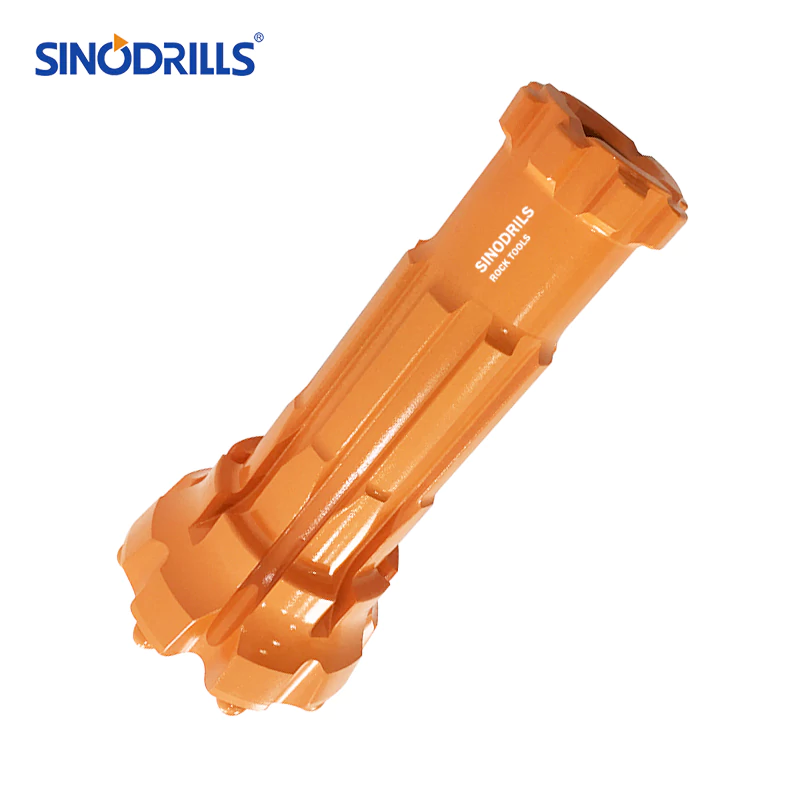
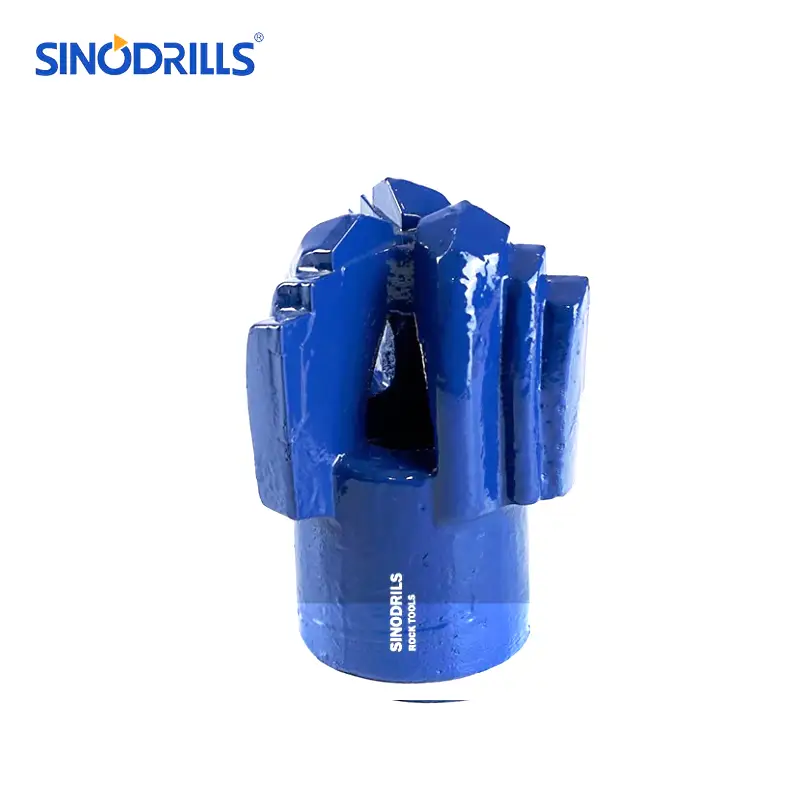
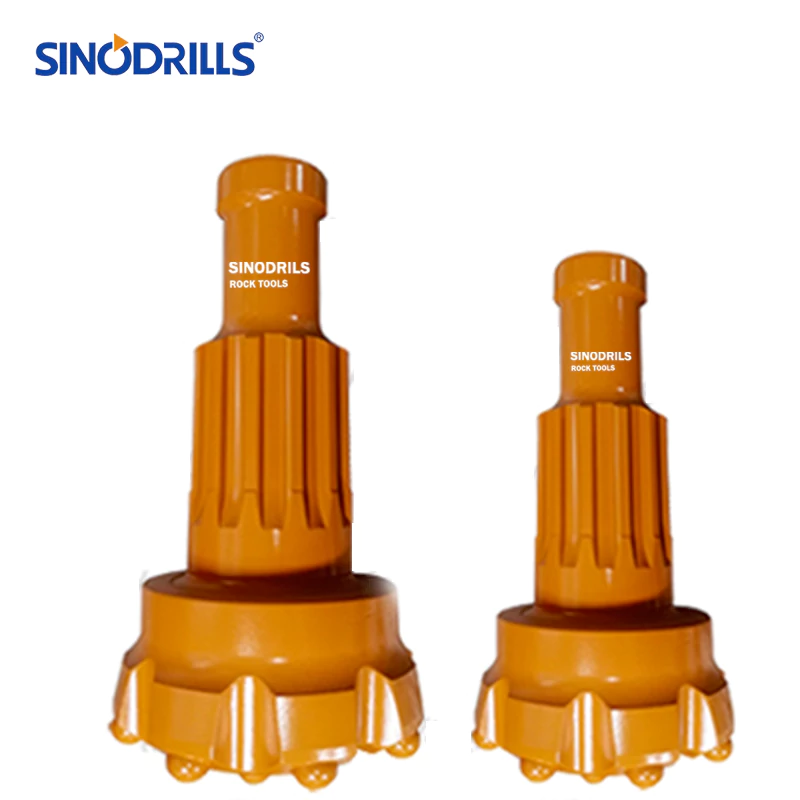
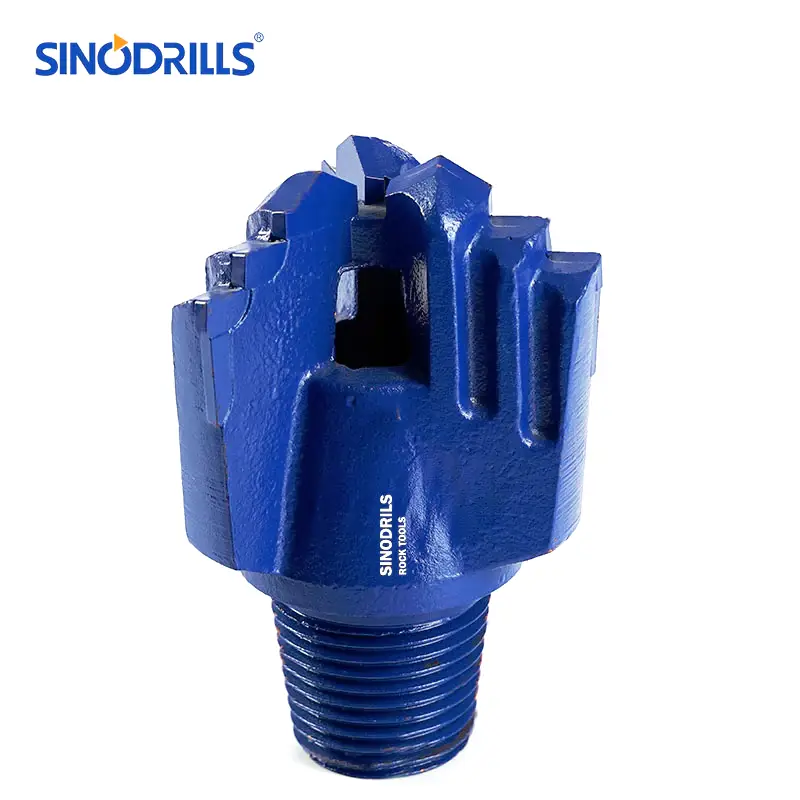
Extending the lifespan of drill bits saves time, reduces costs, and ensures consistent drilling performance. Proper maintenance, correct usage, and careful monitoring can significantly slow wear and improve efficiency.
- Use the Right Bit for the Material: Selecting a drill bit suited to the rock type or material prevents excessive wear. Using incorrect bits increases friction, reduces cutting efficiency, and accelerates damage, shortening the tool’s service life.
- Control Speed and Pressure: Operating at optimal speed and applying proper pressure reduces heat and stress on the drill bit. Overloading the bit or drilling too fast causes edge chipping, cracks, and rapid wear, which can lead to premature replacement.
- Regular Inspection and Maintenance: Frequent cleaning, sharpening, and rotation of bits help maintain cutting efficiency. Identifying wear patterns early prevents failures, improves performance, and extends overall lifespan by ensuring each bit is used under ideal conditions.
- Proper Cooling and Lubrication: Using adequate cooling fluids or air reduces heat buildup during drilling. Effective lubrication lowers friction, minimizes material fatigue, and prevents premature wear, helping maintain sharp cutting edges and consistent drilling performance over time.
How to Maintain Rock Drill Bits?
Proper maintenance of rock drill bits ensures optimal performance, reduces downtime, and extends tool life. Regular care and monitoring help prevent premature wear and costly replacements. Key maintenance practices include:
- Regular Cleaning: Remove debris, dust, and rock particles after each use. Accumulated material can cause uneven wear, reduce cutting efficiency, and lead to overheating. Cleaning ensures smooth operation and prolongs the drill bit’s lifespan.
- Inspect for Wear and Damage: Frequently check for cracks, chipped buttons, or uneven wear patterns. Early detection allows timely repairs or replacements, preventing further damage and maintaining consistent drilling performance across projects.
- Proper Storage: Store bits in a dry, organized environment to prevent corrosion and accidental damage. Proper storage protects the bit material, maintains sharpness, and ensures readiness for the next drilling task.
- Sharpening and Rotation: Sharpen dull buttons and rotate bits when necessary to distribute wear evenly. This practice restores cutting efficiency, extends service life, and reduces the risk of drill bit failure during heavy-duty operations.
Conclusion
Regular inspection and awareness of drill bit aging can save time and reduce operational costs. Signs like uneven wear, decreased cutting efficiency, or unusual vibrations indicate that it’s time for replacement. Keeping your drill bits in top condition ensures consistent results and prevents damage to your machinery.
Proper maintenance and timely replacement of drill bits extend tool life and improve drilling accuracy. Investing in high-quality drill bits and monitoring their wear patterns allows for better project planning. Avoiding excessive wear helps maintain performance, reduce costs, and enhance safety in all drilling operations.
For reliable wholesale drill bits for rock drilling, turn to Sinodrills. We offer durable, high-performance drill bits designed to withstand heavy use and maximize efficiency. Get the right tools for your projects and ensure long-lasting performance with our trusted products.