
Replacing rock drill bits is a crucial part of maintaining drilling efficiency and safety. Worn or damaged bits can slow down projects, increase the risk of breakage, and compromise drilling precision. Knowing the correct replacement techniques ensures smooth operation, reduces downtime, and protects both your tools and work materials.
Proper preparation and the right tools make bit replacement easier and safer. Understanding the type of bit, its attachment method, and compatible drill models allows for a faster process. Following step-by-step procedures ensures secure installation, prevents accidents, and helps you maintain consistent drilling performance across all rock types.
When to Replace Drill Bits?
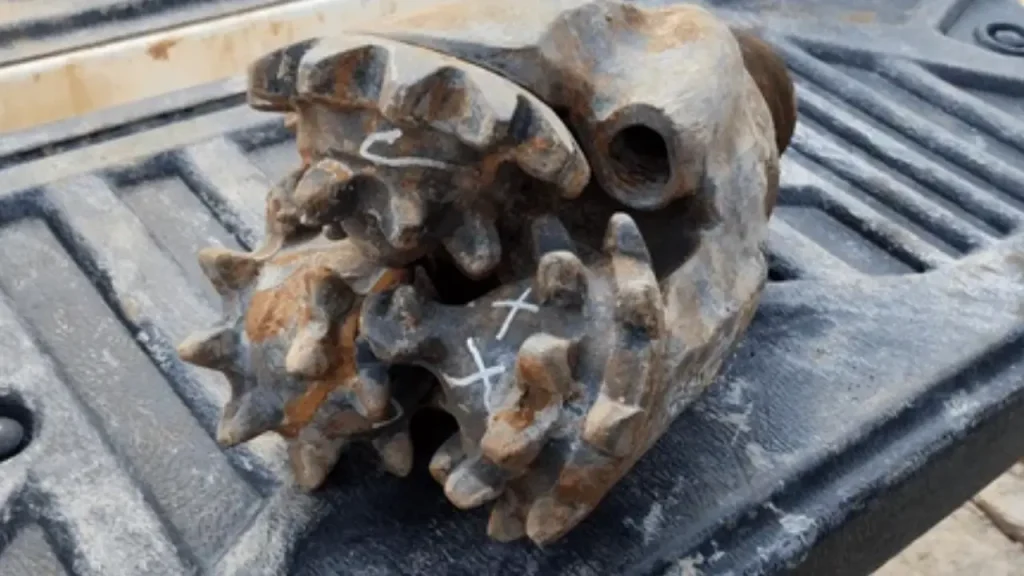
Knowing when to replace drill bits is essential for maintaining efficient drilling, safety, and precision. Worn, damaged, or dull bits increase the risk of jamming, breakage, and poor-quality holes. Regular inspection and timely replacement ensure smoother operation, prolong tool life, and improve overall project performance.
- Dull or Blunt Bits: Drill bits lose sharpness over time, reducing cutting efficiency. Dull bits require more pressure, generate excess heat, and can damage both the material and the drill. Replacing them restores cutting performance, prevents jamming, and ensures clean, precise holes.
- Chipped or Broken Tips: Bits with damaged tips cannot penetrate materials properly and may cause uneven drilling. Using damaged bits increases the risk of tool breakage and material damage. Replacing them promptly ensures safe, accurate, and consistent drilling results.
- Excessive Wear: Over time, repeated use wears down the bit’s edges, reducing efficiency and precision. Excessive wear can lead to increased friction, slower drilling, and potential bit binding. Regular replacement keeps performance optimal and prevents project delays.
- Frequent Jamming: If a drill bit jams repeatedly, it may indicate damage, dullness, or incompatibility with the material. Replacing the bit eliminates repeated interruptions, reduces stress on the drill motor, and ensures smoother operation for future drilling tasks.
- Material-Specific Requirements: Some materials require bits designed for specific hardness or density. Using the wrong bit accelerates wear and increases the chance of jamming. Replacing bits with the correct type ensures efficient cutting, longer tool life, and consistent results.
How to Replace Drill Bits?
Replacing rock drill bits properly ensures safety, efficiency, and prolonged tool life. Worn or damaged bits can reduce drilling performance, cause jamming, or even damage equipment.
Following correct steps and using the right tools helps you replace bits quickly, securely, and accurately, keeping your drilling operations smooth and productive.
Step 1: Prepare Your Tools and Workspace
Tools Needed:
- Wrench or socket set
- Safety gloves and goggles
- Replacement drill bit
- Lubricant (if needed)
- Cleaning brush
Before starting, ensure your workspace is clean and safe. Gather all necessary tools and replacement bits. Wearing safety gloves and goggles protects you from debris. Preparing the drill and workspace minimizes mistakes, prevents accidents, and makes the replacement process smoother and more efficient.
Check the drill and old bit for damage or wear. Clean the chuck and surrounding area to remove dust or debris. Ensuring the drill is powered off and disconnected from power prevents accidents. Proper preparation helps maintain drill performance and ensures the new bit can be installed correctly.
Step 2: Remove the Old Drill Bit
Secure the drill to prevent movement while removing the old bit. Use a wrench or the appropriate tool to loosen the chuck or locking mechanism holding the bit. Carefully slide the worn or damaged bit out, taking care to avoid sharp edges.
Inspect the removed bit for wear patterns, damage, or breakage. This inspection helps you understand why it failed and guides future bit selection. Removing the old bit properly ensures a clean installation and reduces the risk of jamming or improper alignment with the new bit.
Step 3: Install the New Drill Bit
Insert the replacement bit into the drill chuck, aligning it according to the manufacturer’s instructions. Tighten the chuck securely using a wrench or hand tool, ensuring the bit is centered and stable for accurate drilling.
Double-check the alignment and tightness before powering on the drill. Applying a small amount of lubricant can reduce friction and prevent early wear. Proper installation ensures efficient drilling, reduces the risk of jams, and extends the life of both the drill and the new bit.
Step 4: Test the Drill Bit
Power on the drill at a low speed to test the new bit. Ensure it rotates smoothly without wobbling, binding, or unusual noise. Observing performance at low speed prevents accidents and allows minor adjustments before full operation.
Test drilling on a scrap piece of material helps confirm proper installation and cutting efficiency. This step ensures the bit functions correctly, delivers precise results, and reduces wear on both the drill and the new bit during actual project work.
Drill Bit Damage Reasons
Drill bits can become damaged for several reasons, affecting performance, efficiency, and safety. Understanding the causes of bit damage helps prevent breakage, jamming, and poor-quality drilling.
Proper maintenance, correct usage, and timely replacement ensure smoother operation, longer tool life, and consistent results across all drilling projects.
- Excessive Pressure: Applying too much force while drilling increases friction and heat, causing bits to wear quickly, warp, or break. Excessive pressure also strains the drill motor, reducing efficiency and increasing the risk of accidents. Controlled pressure ensures safer, smoother drilling and longer bit lifespan.
- High Speed: Using an inappropriate drilling speed can overheat bits and damage their cutting edges. Too fast or too slow rotations reduce efficiency and create friction, leading to dulling or breakage. Adjusting speed to match material hardness ensures optimal performance and prevents unnecessary wear.
- Improper Bit Selection: Using a drill bit unsuitable for the material increases resistance and can chip or break the tip. Each material requires specific bit types for proper cutting. Selecting the correct bit ensures efficient drilling, minimizes damage, and improves precision across all workpieces.
- Poor Lubrication: Lack of lubrication generates excessive heat and friction, especially when drilling metals or dense materials. This accelerates wear and can warp or damage the bit. Applying cutting oil or suitable lubricant prevents overheating and maintains smooth drilling performance.
- Workpiece Movement: Drilling into an unstable or unsecured material can cause the bit to bind, twist, or break. Securing the workpiece properly reduces strain on the bit, ensures straight, precise holes, and prevents accidents caused by sudden slips or jams.
Why Choose Our Drill Bits?
Recommended Drill Bits
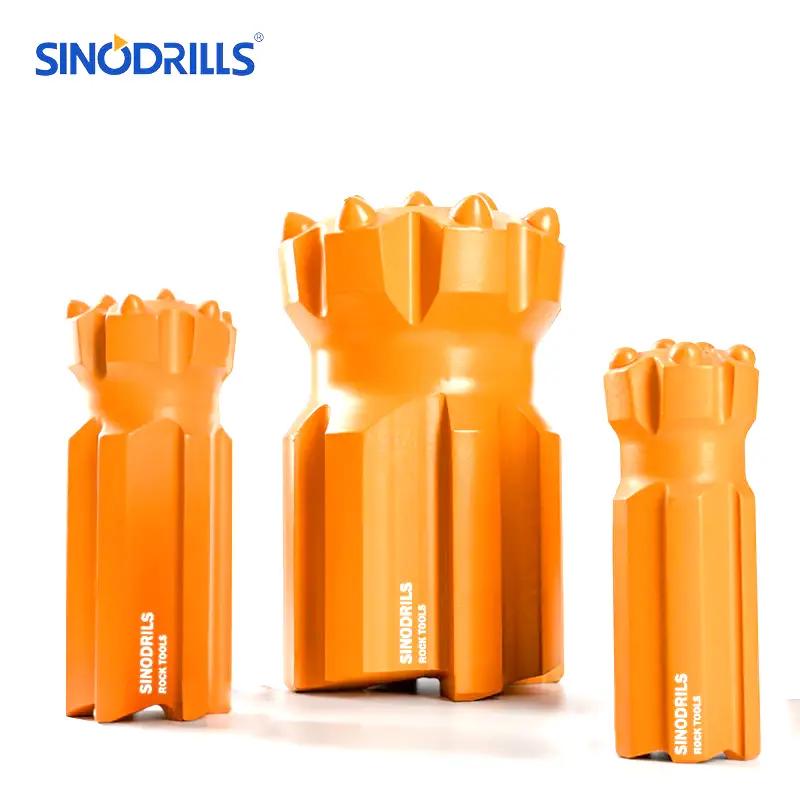
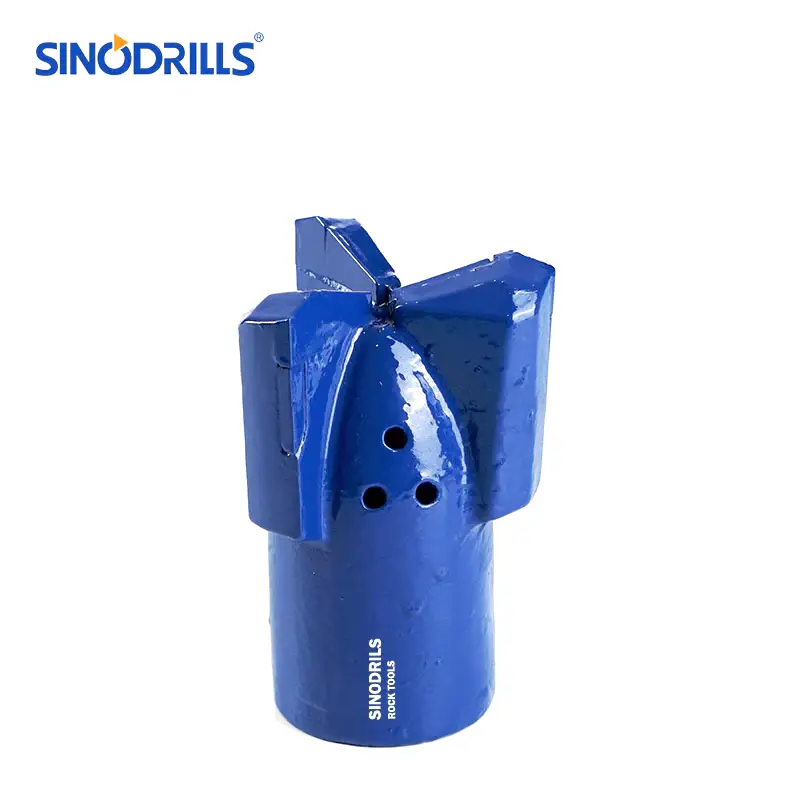
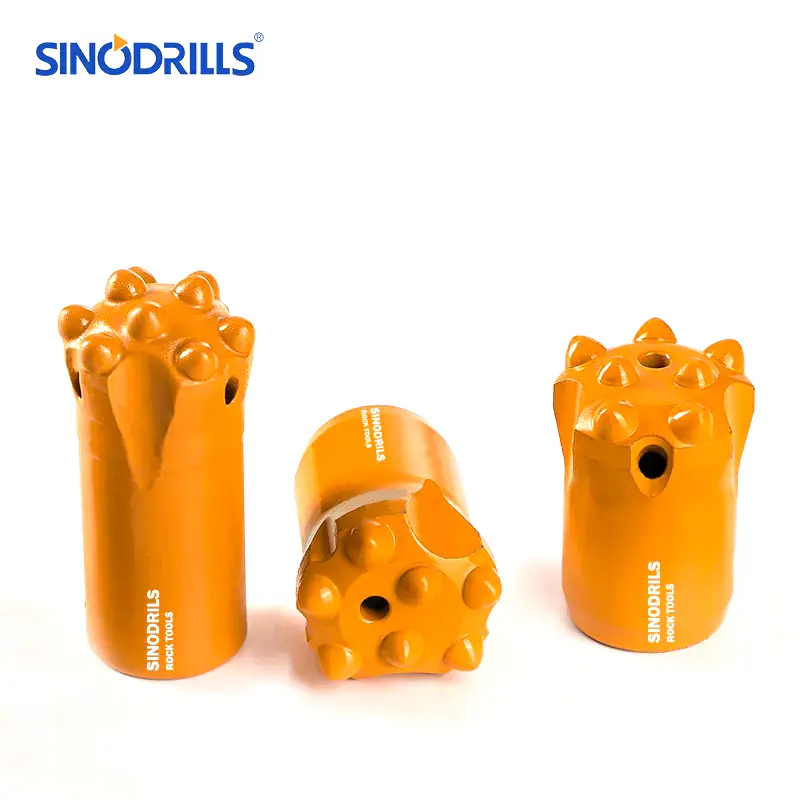
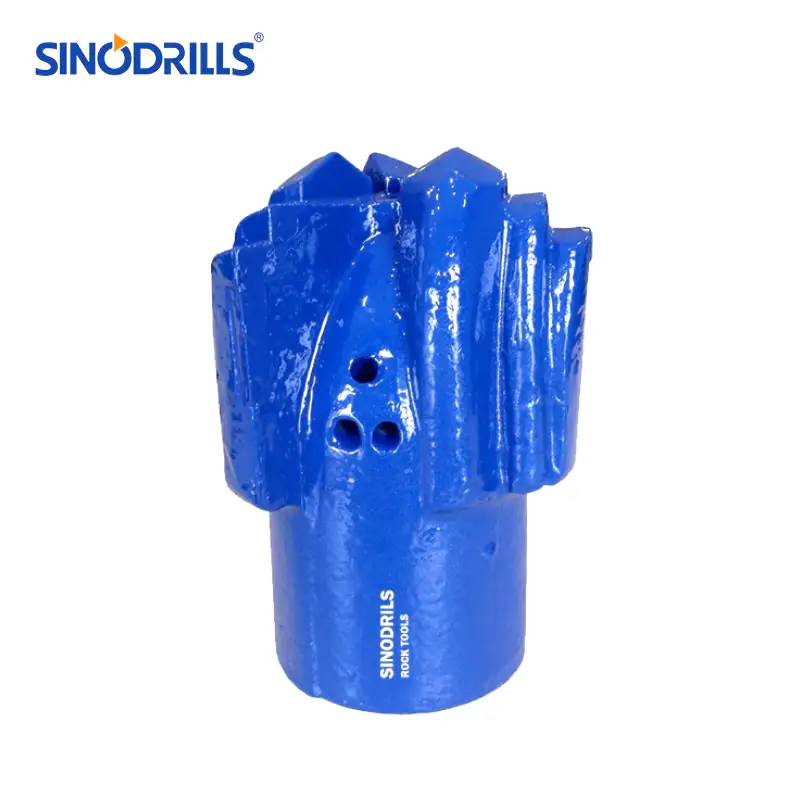
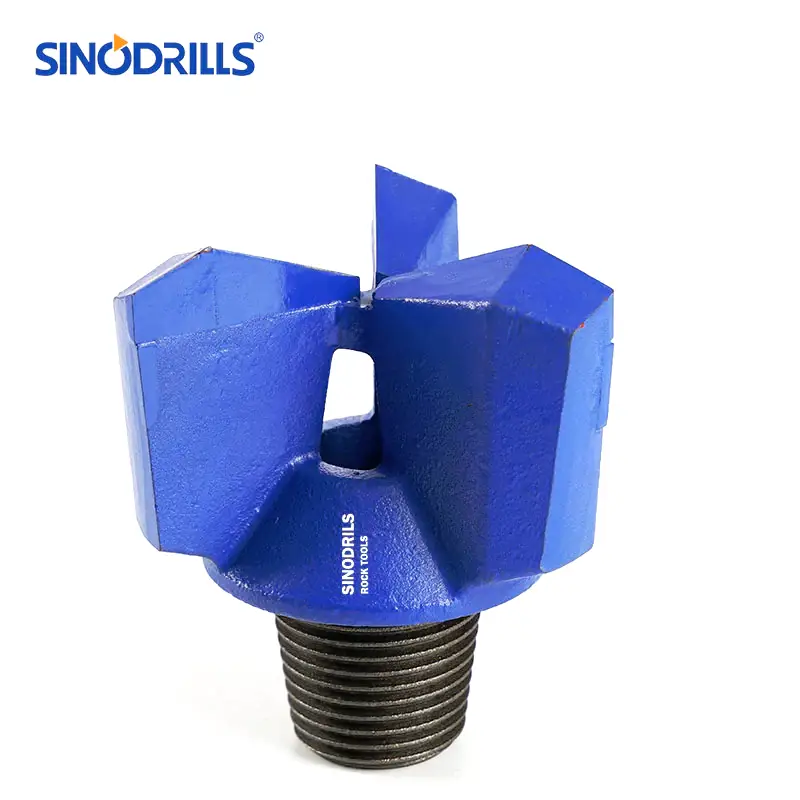
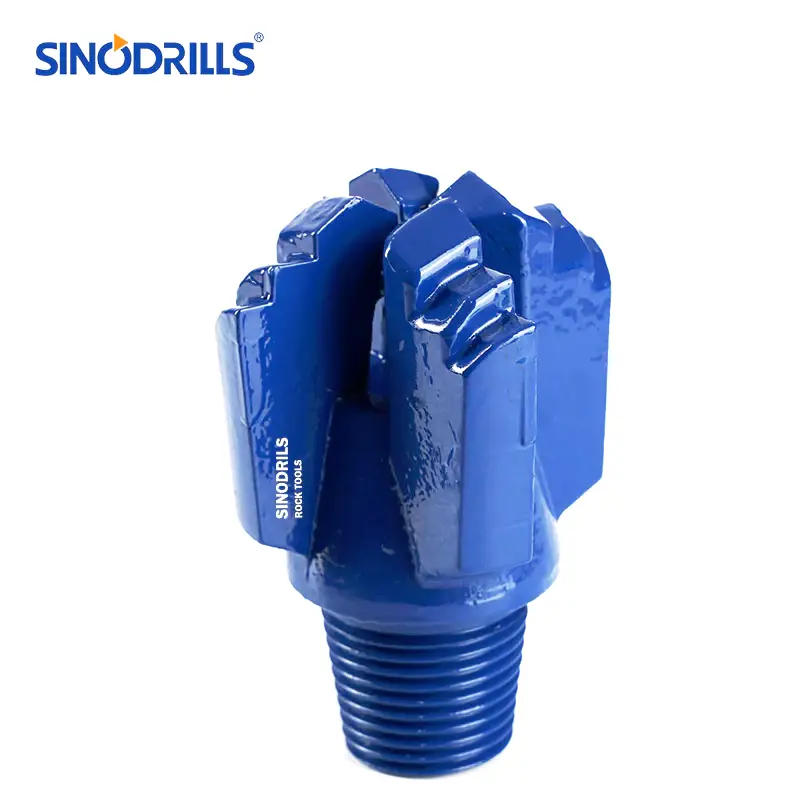
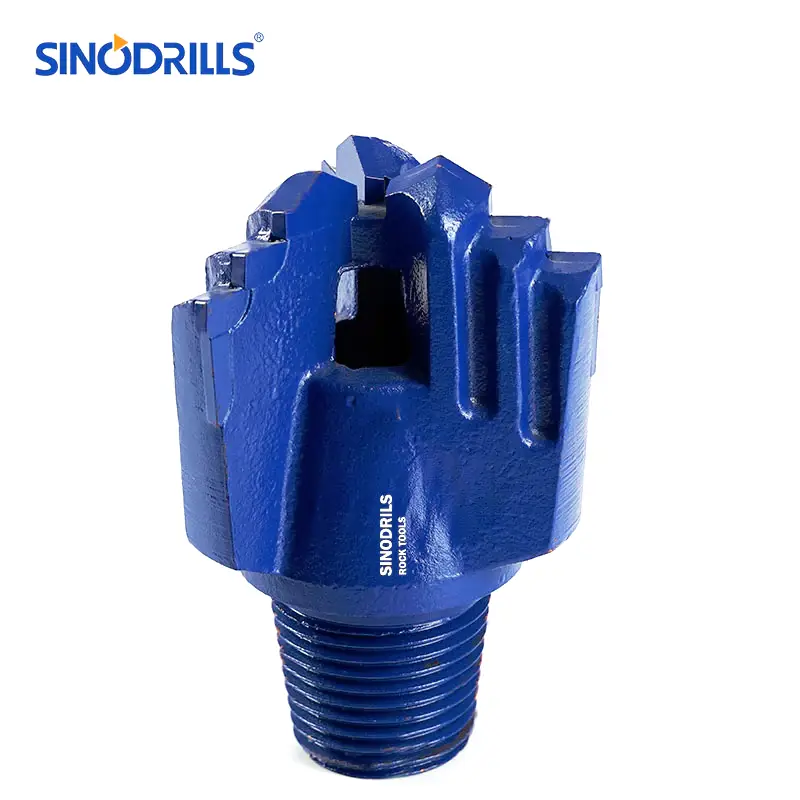
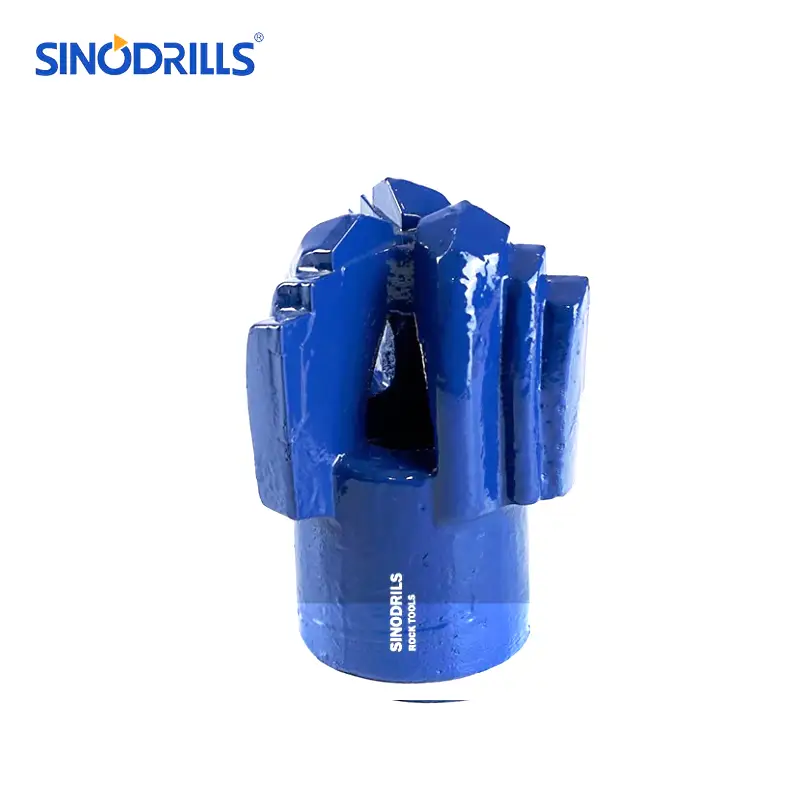
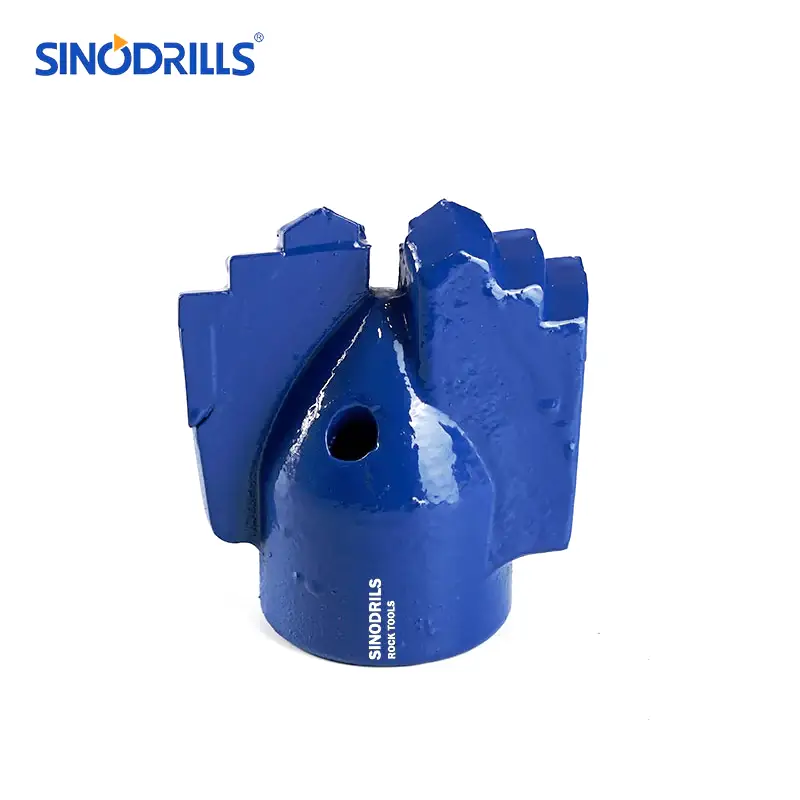
Choosing the right drill bits is essential for efficiency, durability, and precise results. Our drill bits are engineered for high performance, providing reliable cutting, reduced wear, and long-lasting durability. Designed to handle various materials and applications, they help improve productivity while minimizing downtime and tool replacement costs.
- Durable Construction: Made from premium alloys, our drill bits withstand heavy use and tough materials. Their strength reduces breakage and wear, ensuring longer service life. Durable construction provides consistent performance even in demanding conditions, saving time and money on frequent replacements.
- Precision Engineering: Each bit is crafted for accurate cutting, efficient chip removal, and minimal vibration. Precision engineering ensures smooth operation, clean holes, and consistent results, reducing material damage and improving overall project quality.
- Versatility: Our drill bits are suitable for a wide range of materials, including metal, wood, and stone. This versatility allows users to complete different projects with the same tools, improving efficiency and reducing the need for multiple bit types.
- Enhanced Performance: Optimized design minimizes friction, heat buildup, and jamming. High-performance bits deliver faster drilling with less effort, ensuring smoother operation and reducing stress on both the drill and the user during intensive tasks.
- Trusted Support: Sinodrills provides technical guidance and expert advice for selecting and using drill bits. Access to professional support ensures proper usage, optimal performance, and safer drilling, helping you achieve reliable results across all projects.
Conclusion
Replacing rock drill bits correctly prolongs tool life and improves drilling efficiency. Ensuring proper fit, alignment, and secure attachment reduces the risk of accidents and tool damage. Following recommended procedures maintains consistent performance, allowing you to complete projects faster and with higher precision.
Regular inspection and timely replacement of drill bits prevent downtime and costly repairs. Checking for wear, cracks, or dull edges ensures smooth operation and avoids potential jamming or breakage. Proper maintenance keeps your drilling equipment in top condition, enhancing both safety and productivity.
For reliable wholesale rock drill bits, turn to Sinodrills. We offer durable, high-performance bits designed for various rock types and drilling applications. Sourcing from us ensures consistent quality, extended tool life, and smoother drilling, making your projects more efficient and cost-effective.