
In the world of drilling and well construction, selecting the right type of pipe is crucial for project success. Casing pipes and drill pipes serve different purposes, each offering unique advantages. Understanding their characteristics ensures you make informed decisions, optimize efficiency, and maintain safety throughout drilling operations.
Casing pipes are primarily used to line and support the walls of a borehole, preventing collapse and contamination. Drill pipes, on the other hand, are designed to transmit torque and drilling fluids to the drill bit. Knowing their differences helps engineers and project managers choose the right pipe for specific tasks.
What is a Casing Pipe?
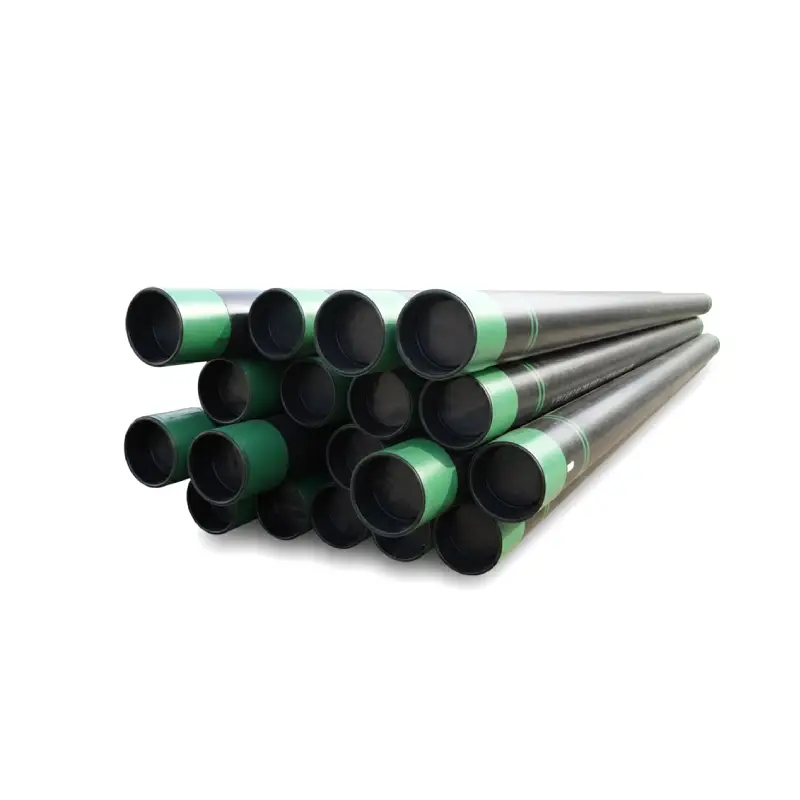
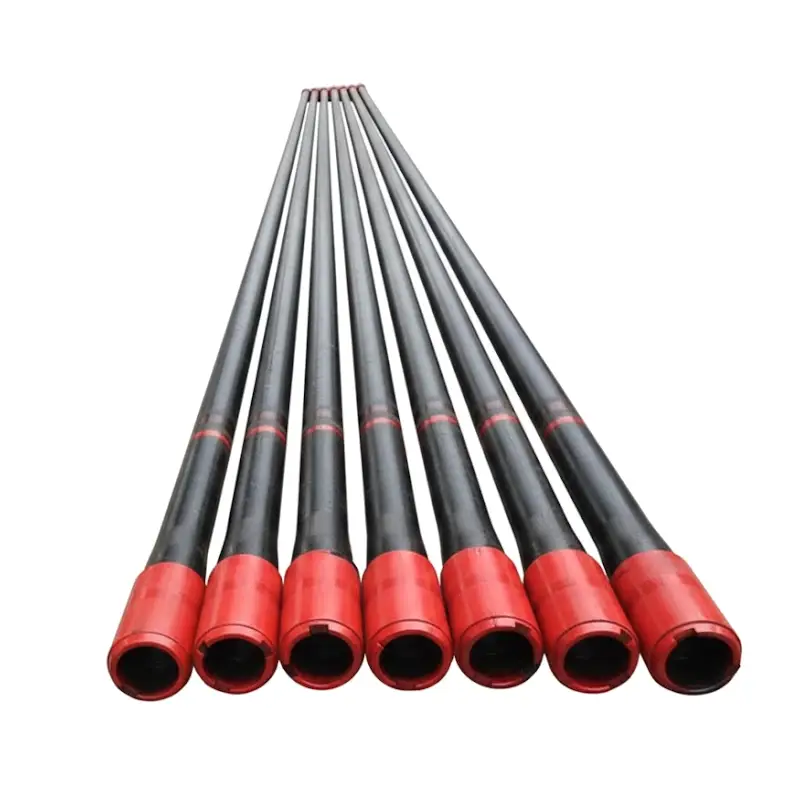
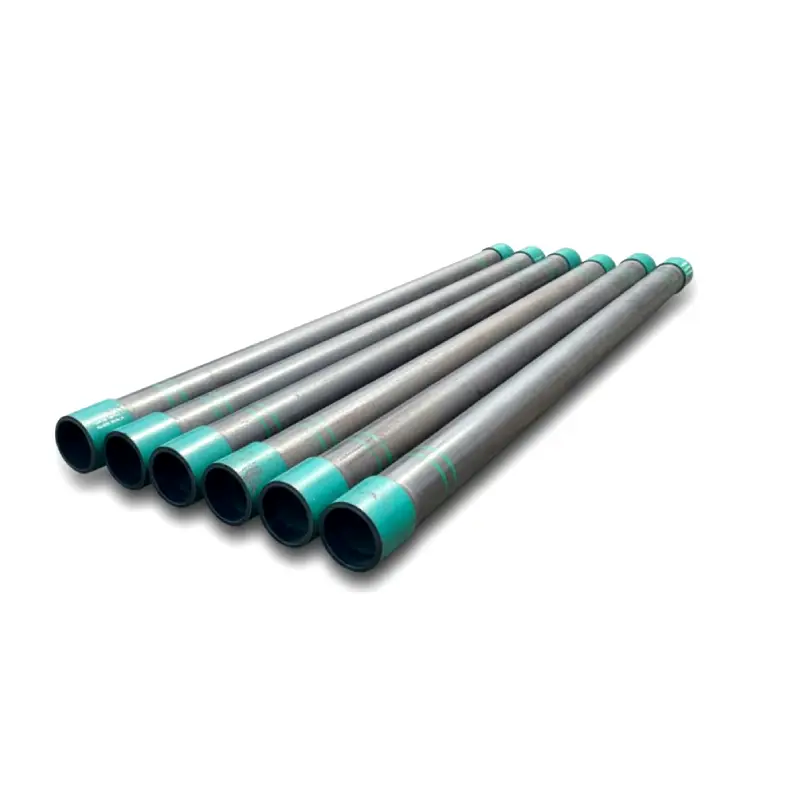
A casing pipe is a crucial component in drilling and well construction, used to line the walls of a borehole. It provides structural support, prevents collapse, and protects the well from contamination. By maintaining borehole integrity, casing pipes ensure safe and efficient extraction of water, oil, or gas, making them essential in various industrial applications.
Benefits of Casing Pipes:
- Structural Support: Casing pipes reinforce borehole walls, preventing collapse and maintaining stability during drilling operations. By providing this support, we ensure the safety of equipment, workers, and the well structure throughout the project’s lifecycle.
- Contamination Prevention: We use casing pipes to protect groundwater and other resources from contaminants. By sealing off unstable layers and controlling fluid flow, these pipes maintain clean extraction channels and reduce environmental risks effectively.
- Corrosion Resistance: Our casing pipes are designed to resist rust and chemical damage. This durability extends the service life of wells, minimizes maintenance costs, and ensures consistent performance even in harsh environmental conditions.
- Enhanced Drilling Efficiency: Using casing pipes helps streamline drilling operations by maintaining borehole integrity. We enable smoother drilling processes, reduce delays caused by collapses or blockages, and optimize overall project timelines for greater efficiency.
- Versatile Applications: Casing pipes are suitable for water wells, oil and gas wells, and mining projects. We provide tailored solutions to meet different depths, pressures, and environmental conditions, ensuring reliable performance across industries.
What is a Drill Pipe?
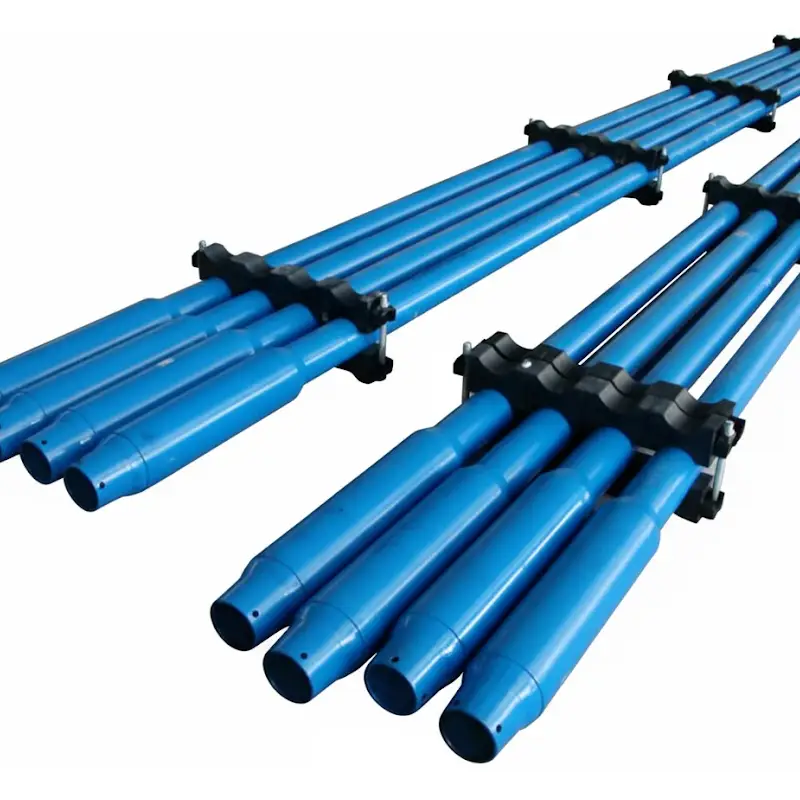
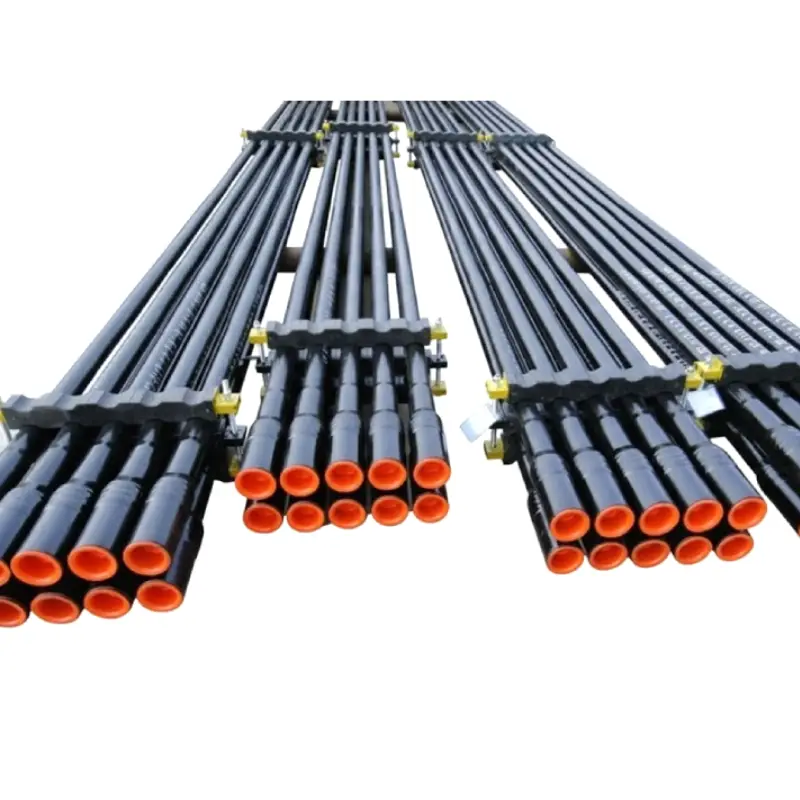
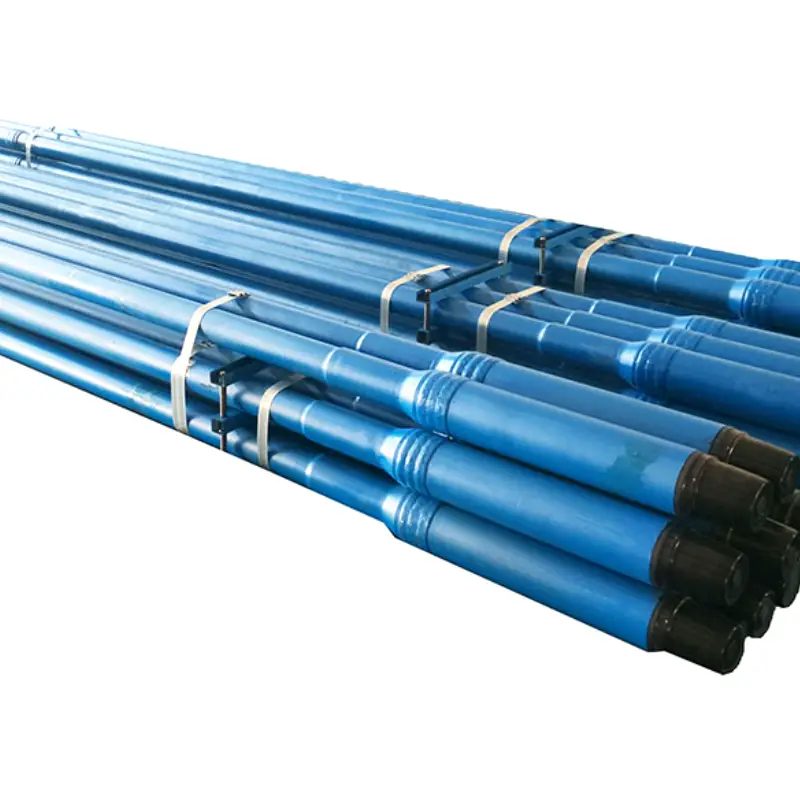
A drill pipe is a heavy, seamless tubular pipe used in drilling operations to transmit torque from the drilling rig to the drill bit while circulating drilling fluid. It plays a critical role in deep well drilling, oil and gas extraction, and mining, ensuring efficiency, safety, and precise borehole advancement.
Benefits of Drill Pipes:
- High Strength and Durability: Drill pipes are designed to withstand extreme stress, pressure, and torsion during drilling operations. We ensure each pipe meets strict quality standards, providing reliable performance and reducing the risk of failure in demanding environments.
- Efficient Torque Transmission: Drill pipes effectively transfer rotational force from the rig to the drill bit. This ensures smooth drilling operations, accurate borehole direction, and optimal penetration rates, enhancing overall drilling efficiency and project productivity.
- Corrosion and Wear Resistance: Drill pipes are manufactured with materials and coatings that resist corrosion and wear. We prioritize longevity, allowing pipes to maintain structural integrity and performance even in harsh, abrasive, or high-pressure drilling conditions.
- Fluid Circulation Capability: Drill pipes facilitate the circulation of drilling fluids, cooling the drill bit and removing cuttings. We ensure pipes are compatible with various fluid types, maintaining smooth operations and minimizing downtime.
- Customizable Specifications: Drill pipes come in various lengths, diameters, and threading options. We provide tailored solutions to meet specific project requirements, ensuring compatibility with different rigs and borehole conditions for maximum operational efficiency.
Casing Pipe vs Drill Pipe
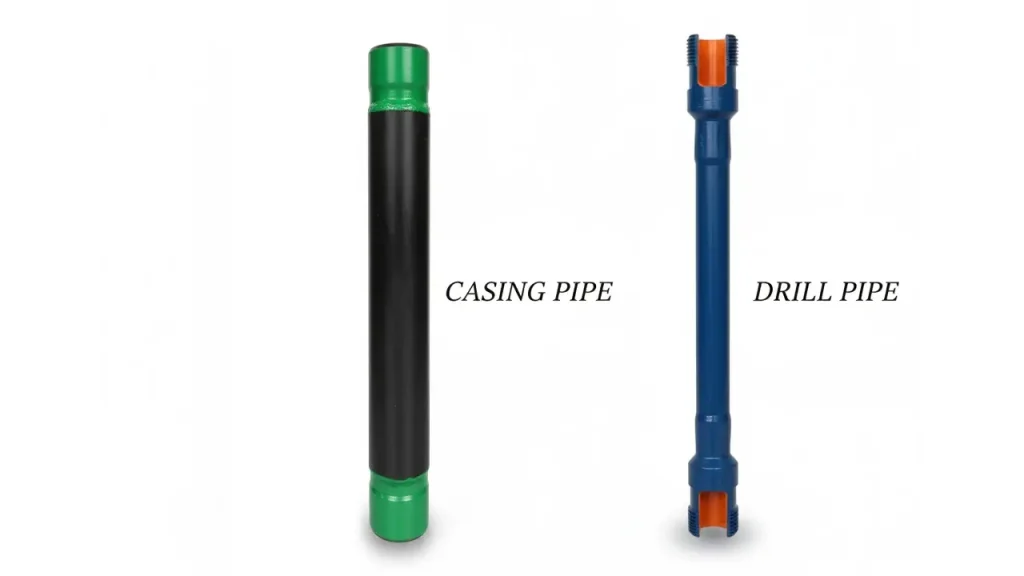
Casing pipes and drill pipes are essential components in drilling and well construction, but they serve distinct purposes. Understanding their differences helps optimize efficiency, safety, and project outcomes.
Each type of pipe has unique features, applications, and benefits, making it important to select the right one for specific drilling or extraction tasks.
Function and Purpose
Casing pipes are primarily used to line the walls of a borehole, providing structural support and preventing collapse. They also protect groundwater from contamination and isolate different geological layers, ensuring well stability throughout the drilling and production process.
Drill pipes are designed to transmit torque from the rig to the drill bit while circulating drilling fluids. They enable precise borehole advancement and efficient cutting removal, making them indispensable for effective drilling operations in oil, gas, and mining industries.
Material and Construction
Casing pipes are usually made from carbon or alloy steel, selected for strength and corrosion resistance. Their construction prioritizes durability under static conditions and long-term exposure to drilling fluids and geological pressures.
Drill pipes are constructed to endure high tensile, torsional, and bending stresses during drilling. They are often seamless and heat-treated to resist fatigue, ensuring they can withstand repeated use in demanding drilling environments.
Installation and Usage
Casing pipes are installed progressively as the borehole deepens, cemented into place to secure the well. Proper casing pipe installation is critical to prevent structural failure, fluid leakage, and contamination of surrounding formations.
Drill pipes are connected in a drill string and rotated to advance the drill bit. They are frequently assembled, disassembled, and reused, requiring robust threading and precision to maintain efficient and safe drilling operations.
Diameter and Dimensions
Casing pipes come in larger diameters to fit boreholes and allow cement placement. Their wall thickness varies based on pressure requirements and well depth, ensuring stability and long-term performance.
Drill pipes are narrower than casing pipes but longer in length to reach deep formations efficiently. Their dimensions are designed for torque transmission, fluid flow, and ease of handling during drilling operations.
Cost and Maintenance
Casing pipes typically have higher initial costs due to material strength and protective coatings. Maintenance is minimal once installed, but inspection for corrosion and integrity remains important to ensure well longevity.
Drill pipes are subjected to wear and fatigue, requiring regular inspection and occasional replacement. Although initial costs may be lower than casing pipes, their operational maintenance and lifecycle management are critical for safe and effective drilling.
Here are some differences between casing pipe and drill pipe:
| Aspect | Casing Pipe | Drill Pipe |
|---|---|---|
| Function | Borehole support and protection | Torque transmission and fluid circulation |
| Material | Carbon or alloy steel | High-strength steel, often seamless |
| Installation | Cemented in place progressively | Assembled into drill string, rotated |
| Diameter & Dimensions | Larger diameter, variable thickness | Narrower, longer lengths |
| Cost & Maintenance | Higher cost, minimal maintenance | Lower cost, requires regular inspection |
How to Choose Casing Pipe and Drill Pipe?
Choosing the right casing pipe and drill pipe is crucial for the success, safety, and efficiency of any drilling or well construction project. Proper selection ensures structural integrity, optimal drilling performance, and long-term reliability. Understanding project requirements, material specifications, and operational conditions helps you make informed decisions that minimize risks and costs.
Factors to Consider When Choosing Casing Pipes:
- Well Depth and Diameter: Select casing pipes based on the depth and diameter of your borehole. We ensure the pipes provide adequate structural support and fit perfectly, preventing collapse and ensuring smooth fluid flow for long-term well stability.
- Material and Corrosion Resistance: Choose steel grades and coatings that withstand environmental and chemical conditions. We provide corrosion-resistant options to extend the pipe’s service life and reduce maintenance requirements under demanding operational conditions.
- Pressure and Load Requirements: Consider the pressure and load the casing must endure. We ensure pipes are engineered to handle geological pressures, cementing loads, and fluid dynamics, maintaining well integrity and safe operations.
- Installation Method: Select pipes compatible with your installation techniques, whether threaded, welded, or cemented. We guide you in choosing options that simplify installation, reduce labor, and enhance operational efficiency.
Factors to Consider When Choosing Drill Pipes:
- Drilling Depth and Torque Needs: Drill pipes should match the depth of the borehole and the torque requirements of the drill rig. We offer pipes designed to transmit rotational force efficiently while supporting precise drilling operations.
- Material Strength and Fatigue Resistance: Opt for pipes constructed to withstand torsional, tensile, and bending stresses. We provide high-strength, fatigue-resistant drill pipes to ensure durability and safety during repeated drilling cycles.
- Fluid Circulation Compatibility: Ensure drill pipes can handle the type and volume of drilling fluids. We supply pipes that optimize fluid flow, cooling, and cuttings removal, maintaining efficient and uninterrupted drilling operations.
- Threading and Connection Type: Choose pipes with suitable threading for seamless assembly and disassembly of the drill string. We offer customized connections that reduce wear, enhance sealing, and improve overall drilling efficiency.
- Maintenance and Inspection Needs: Consider pipes that are easy to inspect, maintain, and replace if necessary. We provide solutions that simplify lifecycle management, minimizing downtime while ensuring safety and operational reliability.
Conclusion
Choosing between casing pipes and drill pipes depends on your project’s requirements, including borehole stability, fluid management, and drilling depth. Casing pipes provide structural support, while drill pipes ensure effective drilling performance. At Sinodrills, we offer a wide range of both pipes, meeting diverse industrial needs efficiently.
Investing in drill pipes ensures long-term reliability and cost-effective operations. Our steel casing and drill pipes are manufactured to strict standards, providing durability, corrosion resistance, and seamless performance. With Sinodrills, you gain access to expert guidance and products tailored to your drilling and well construction projects.
For wholesale drill pipes and casing pipes, trust Sinodrills as your reliable supplier. We deliver customizable solutions, various sizes, and superior materials to meet your industrial and construction requirements. Partner with us to ensure your projects run smoothly, safely, and efficiently from start to finish.