
Micropile drilling is a specialized foundation technique used to provide deep, strong support in challenging soil conditions. It is ideal for projects with limited access, weak soil, or seismic considerations. Understanding the methods, equipment, and design principles of micropile drilling ensures safe, efficient, and durable structural foundations for any construction project.
This guide explores the essentials of micropile drilling, including installation processes, material selection, and load-bearing considerations. Whether you are a contractor, engineer, or construction professional, learning about micropile techniques helps optimize foundation performance, minimize risks, and ensure long-term stability in both commercial and residential projects.
What is Micropile Drilling?
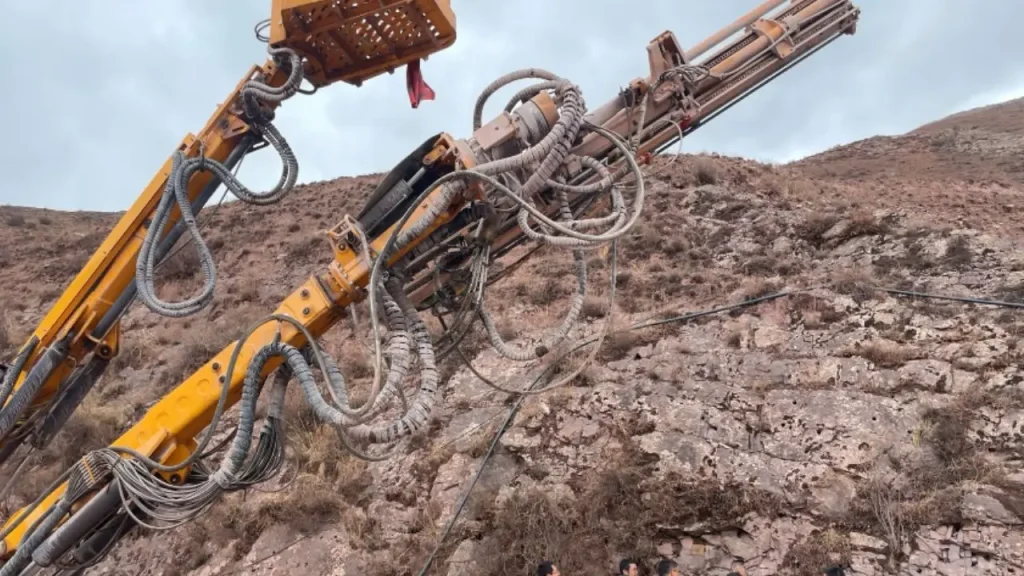
Micropile drilling is a foundation technique that installs small-diameter, high-strength piles into soil or rock to provide deep structural support.
Ideal for challenging ground conditions, limited-access sites, or seismic areas, it ensures stability and load-bearing capacity. Micropiles reinforce existing foundations or support new construction efficiently and safely.
How Micropile Foundations Work?
Micropile foundations work by transferring structural loads from buildings or infrastructure into deeper, stronger soil or rock layers. A small-diameter hole is drilled into the ground, and a steel reinforcement element is inserted before cement grout is injected around it. Once the grout hardens, the micropile creates a strong composite structure that provides excellent load-bearing capacity through skin friction and end-bearing resistance.
Unlike traditional piles, micropiles can be installed in areas with limited access, low headroom, or challenging ground conditions. They are commonly used for foundation reinforcement, slope stabilization, and construction projects where vibration and environmental impact must be minimized. Multiple micropiles can also be connected with a pile cap to evenly distribute heavy loads and improve overall foundation stability.
Applications of Micropile Foundations
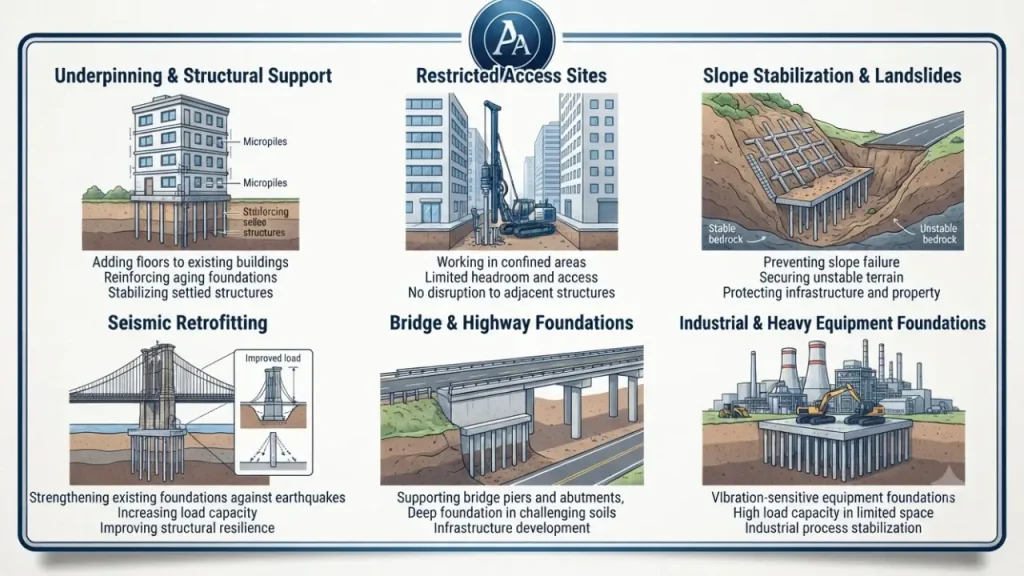
Micropile foundations are widely used in construction projects where traditional foundation systems are unsuitable due to limited space, weak soil conditions, or difficult access. Their high load capacity, flexible installation methods, and minimal environmental impact make them a reliable choice for various residential, commercial, and infrastructure applications.
- Building Foundation Reinforcement: Micropiles are commonly used to strengthen existing buildings with weak or damaged foundations. They transfer structural loads to deeper, more stable soil layers, reducing settlement risks and improving the safety and durability of residential, commercial, and industrial structures.
- Urban Construction Projects: Micropile foundations are ideal for crowded urban areas where access is restricted and large drilling equipment cannot operate. Their compact installation process minimizes disruption to surrounding buildings, roads, and public areas while providing strong foundation support.
- Bridge and Infrastructure Support: Micropiles are frequently applied in bridges, highways, and transportation projects. They provide reliable foundation solutions in areas with poor ground conditions, limited working space, or environmental restrictions, ensuring long-term stability for essential infrastructure systems.
- Slope Stabilization and Retaining Structures: Micropiles help stabilize slopes and retaining walls by reinforcing unstable ground conditions. They provide resistance against lateral forces, helping prevent soil movement, erosion, and landslides in hillside areas, excavation sites, and challenging geological environments.
- Seismic Retrofit Applications: Micropiles are used to improve the earthquake resistance of existing structures. Their deep foundation installation and flexible design enhance structural stability, helping buildings better withstand seismic forces and reducing potential foundation damage during earthquakes.
- Industrial Equipment Foundations: Micropiles can support heavy machinery, storage tanks, and industrial equipment requiring stable foundations. They provide accurate load transfer, reduce vibration problems, and are suitable for factories, power plants, and manufacturing facilities with demanding foundation requirements.
- Limited Access Construction Sites: Micropiles are especially useful in basements, narrow spaces, and areas with restricted construction access. Their lightweight drilling equipment allows contractors to install strong foundations in locations where conventional piling machines cannot be used effectively.
- Marine and Coastal Construction: Micropile foundations are applied in docks, piers, seawalls, and coastal structures exposed to challenging soil and water conditions. Their deep load transfer capability provides durable support against soft ground, moisture, and changing environmental conditions.
Drilling Tools for Micropile Drilling
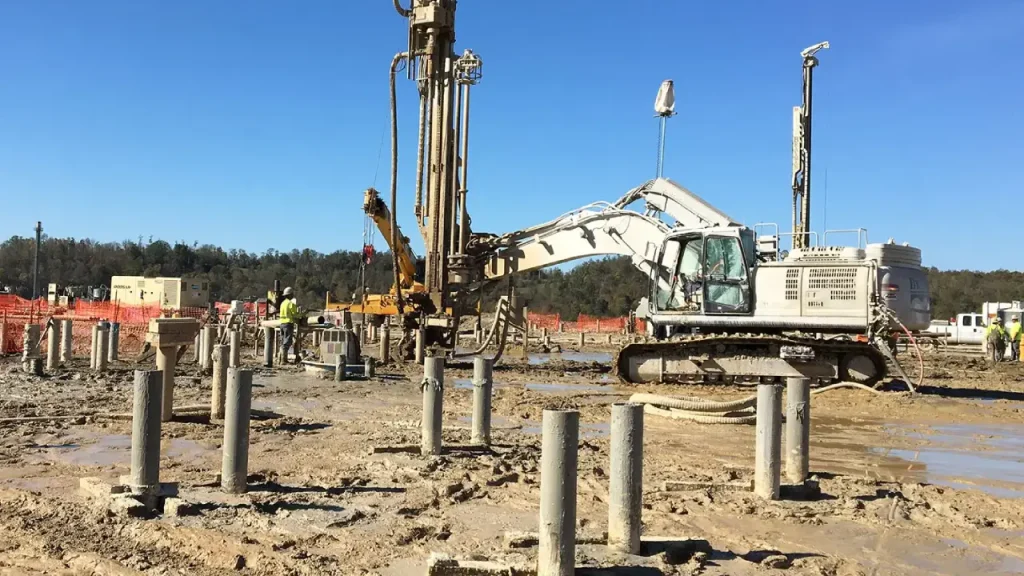
Micropile drilling requires specialized tools and equipment to ensure precise, efficient, and safe installation. From drilling rigs and bits to grouting systems and anchoring solutions, each component plays a critical role in achieving stable, durable foundations.
Using the right tools not only improves performance but also minimizes risks, reduces project time, and ensures long-lasting structural integrity.
Drill Rigs
Drill rigs are essential for micropile drilling, providing the power and precision needed to install piles in various soil and rock conditions. They ensure accurate depth and alignment, improving the efficiency and safety of the drilling process. Choosing the right rig is critical for successful micropile installation.
Modern drill rigs come in various sizes and configurations to match project requirements. We consider factors like site accessibility, soil type, and pile diameter to select rigs that optimize performance, reduce downtime, and maintain consistent quality throughout the micropile drilling project.
Drill Bits
Recommended Drill Bits
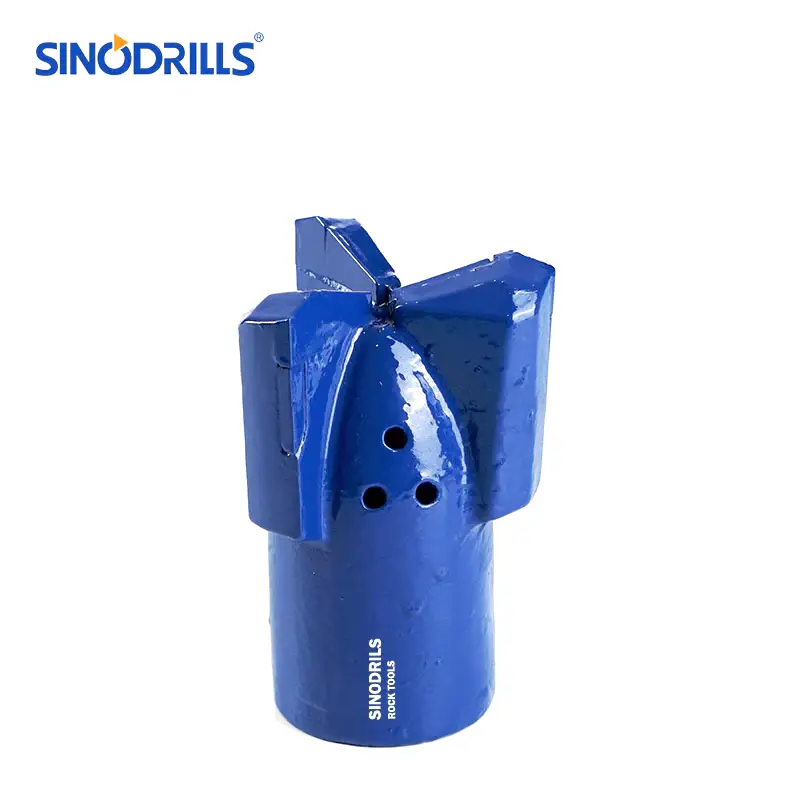
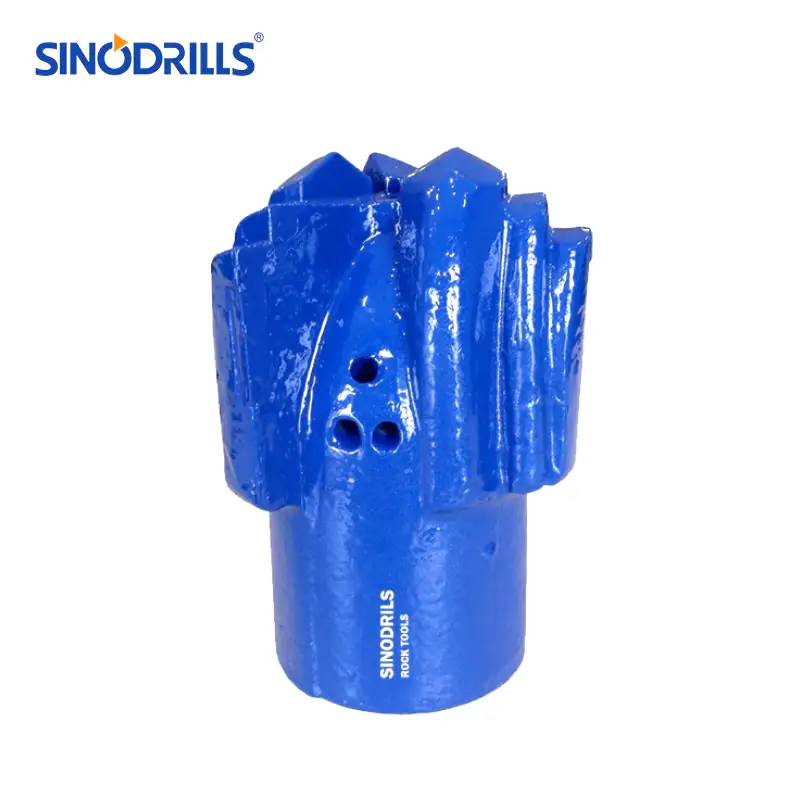
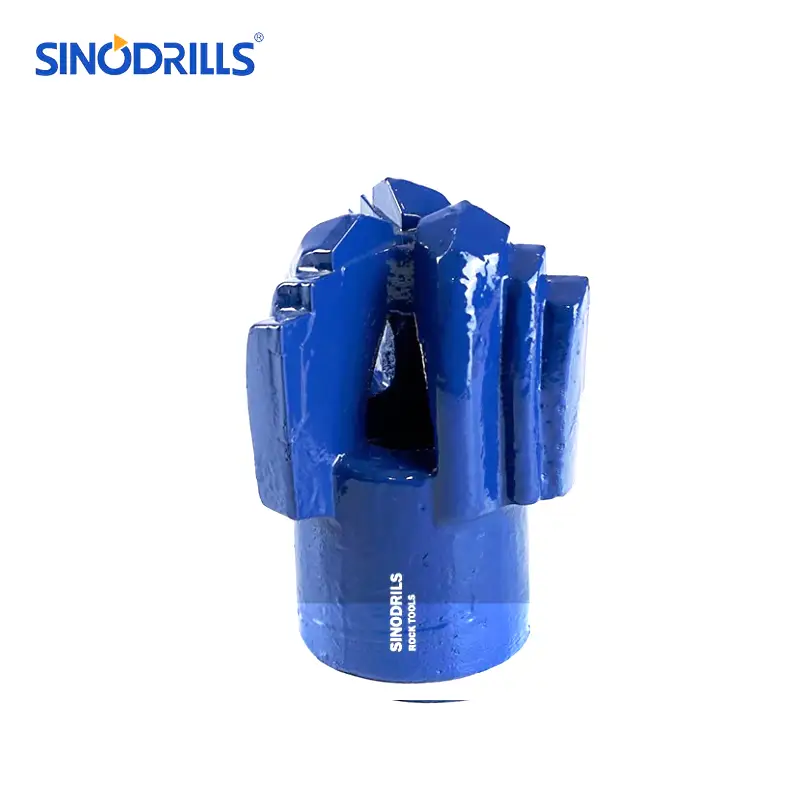
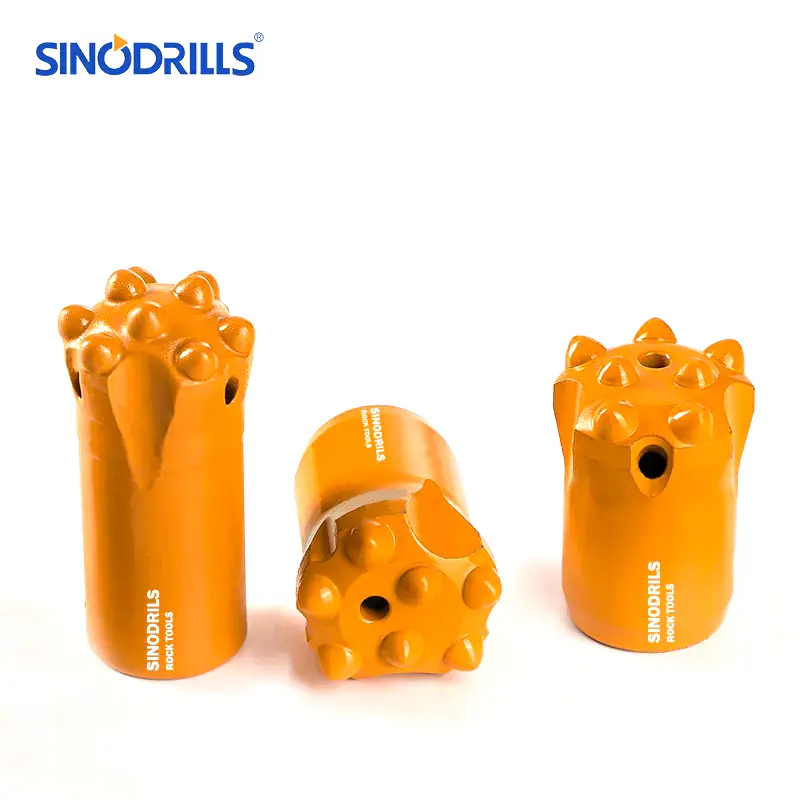
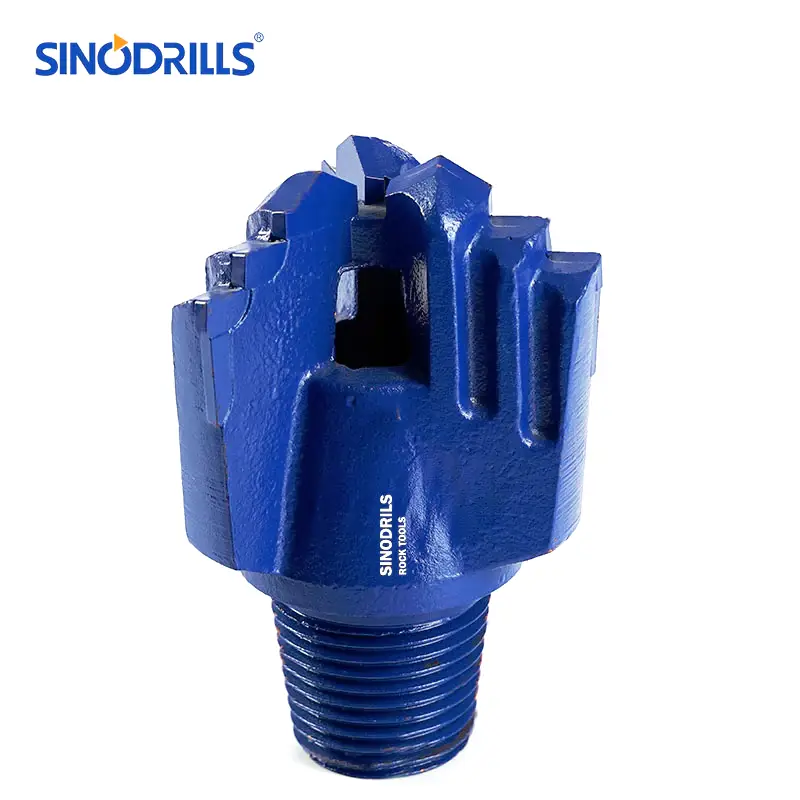
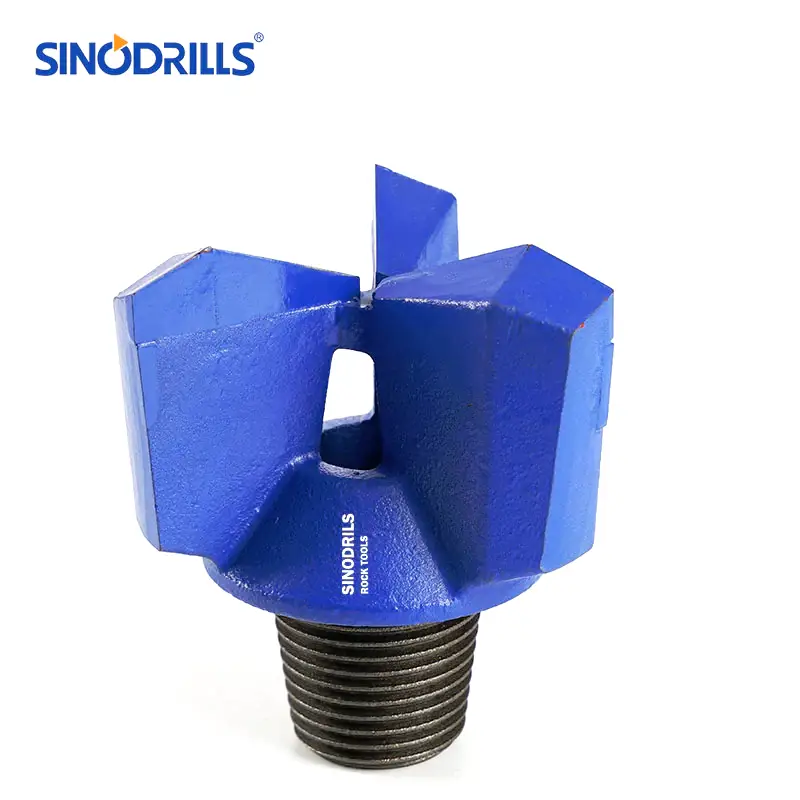
Drill bits are crucial for cutting through soil, rock, or mixed materials during micropile installation. The choice of bit affects penetration rate, precision, and overall drilling efficiency. Selecting the appropriate bit ensures stable boreholes and consistent pile quality.
We provide drill bits designed for durability and high performance, including tungsten carbide and specialized rock-cutting types. Proper drill bit selection minimizes wear, reduces drilling time, and enhances load-bearing capacity, ensuring reliable and long-lasting micropile foundations for challenging construction conditions.
Grouting Equipment
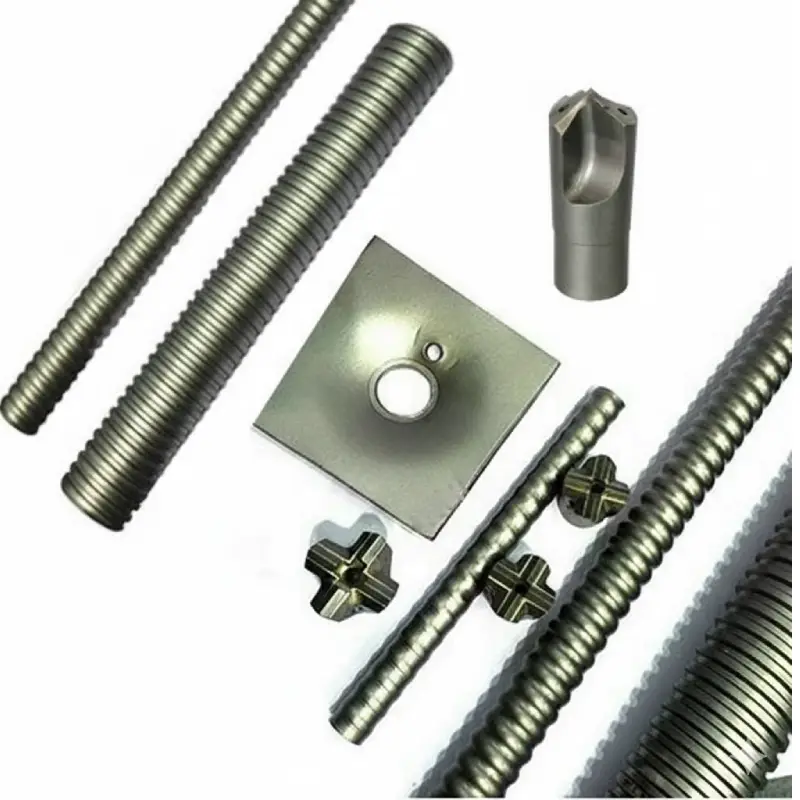
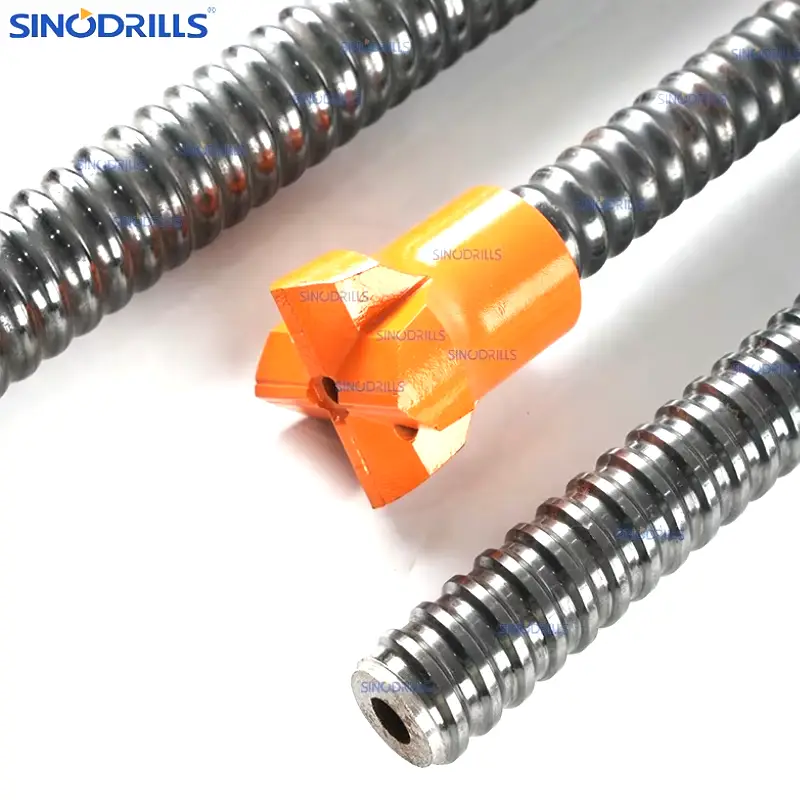
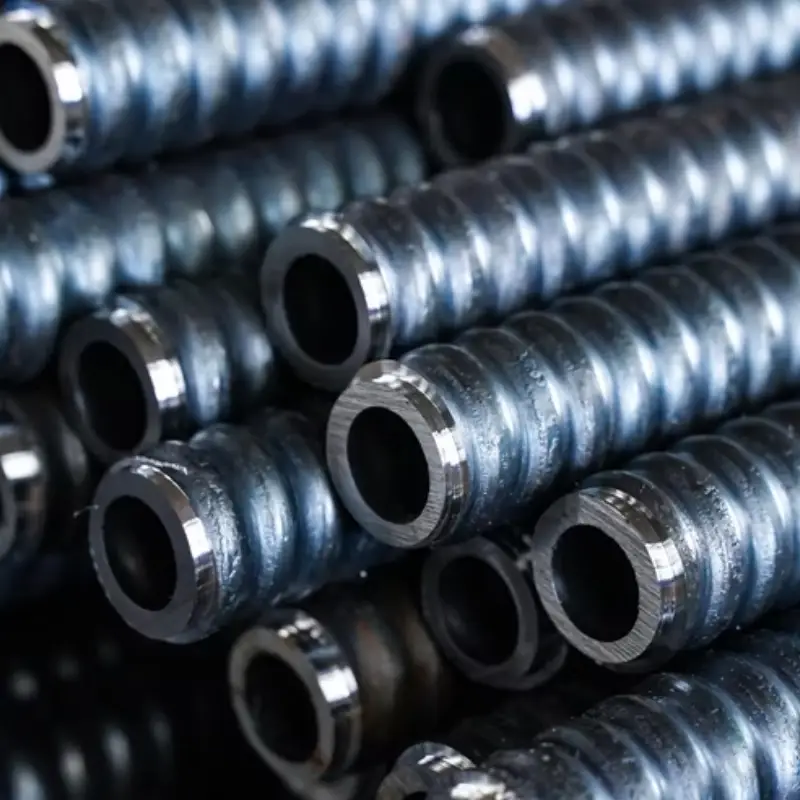
Grouting equipment is used to fill micropiles with cement or grout, securing the pile and transferring loads to surrounding soil. Efficient grouting ensures structural stability and strengthens the foundation. The right equipment is vital for uniform and complete pile filling.
We offer grouting pumps and mixers designed for precision and reliability, enabling controlled grout placement. Proper use of grouting equipment reduces voids, enhances bond strength, and supports consistent micropile performance, ensuring safety and durability in construction projects.
Anchoring Systems
Recommended Self Drilling Anchor Systems
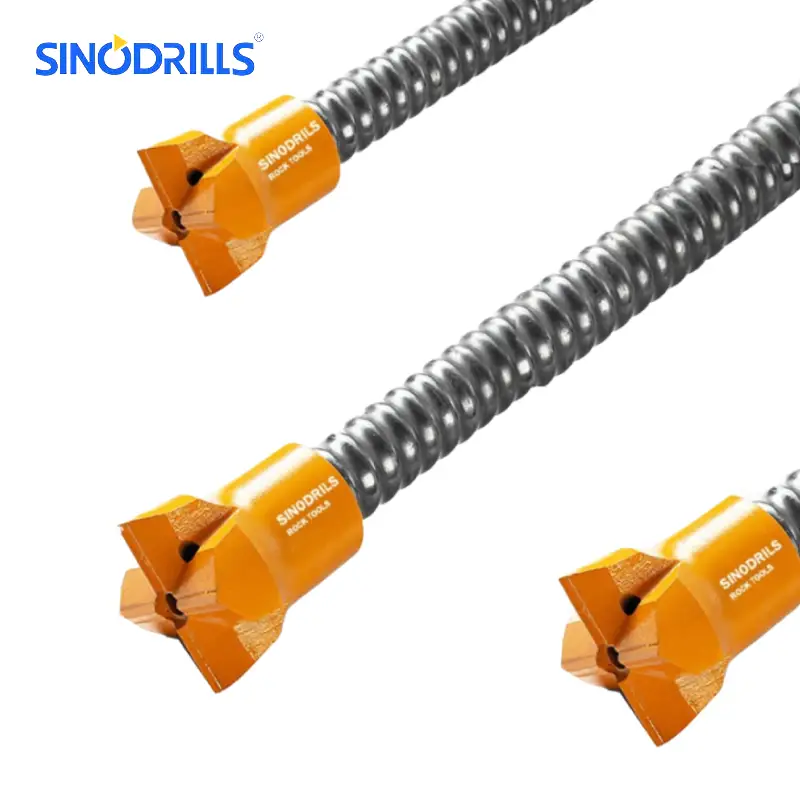
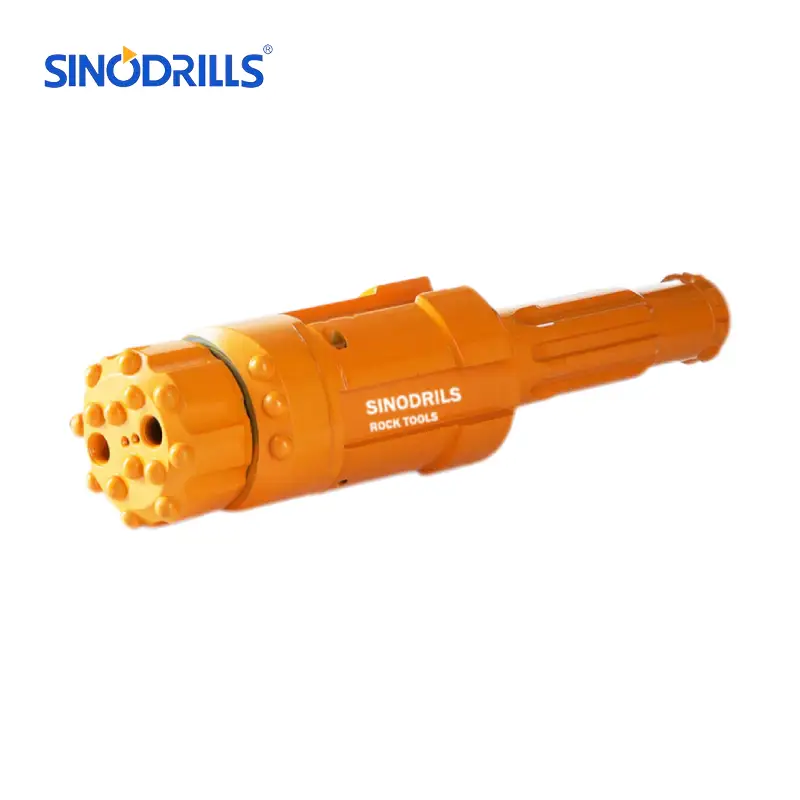
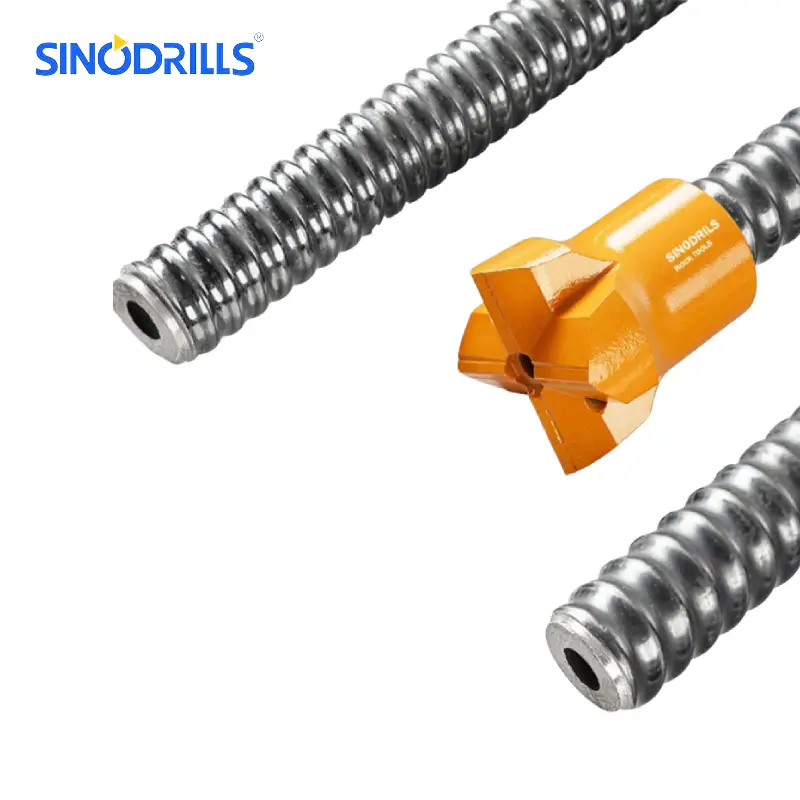
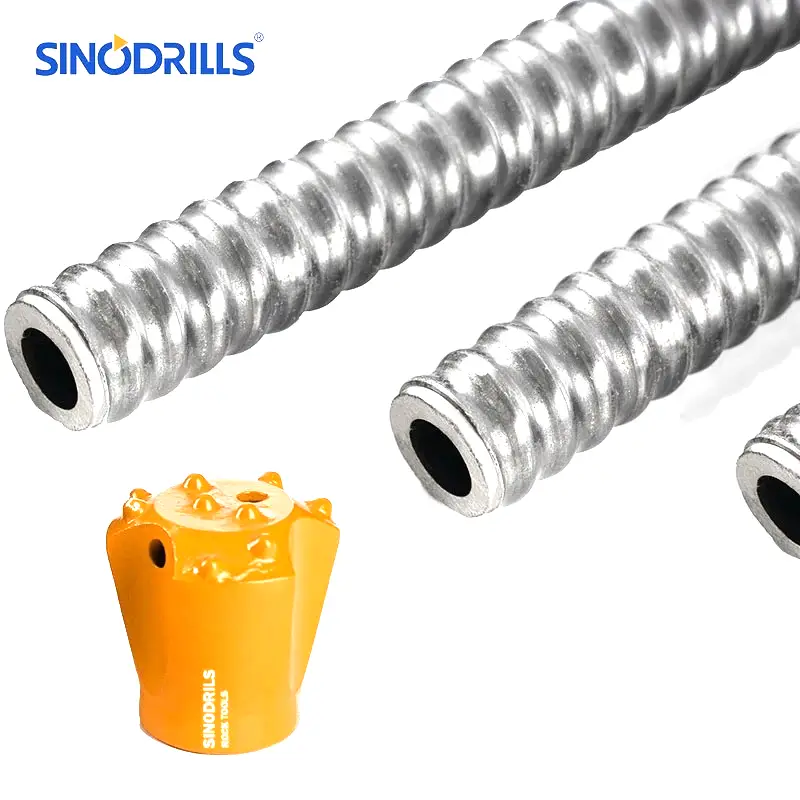

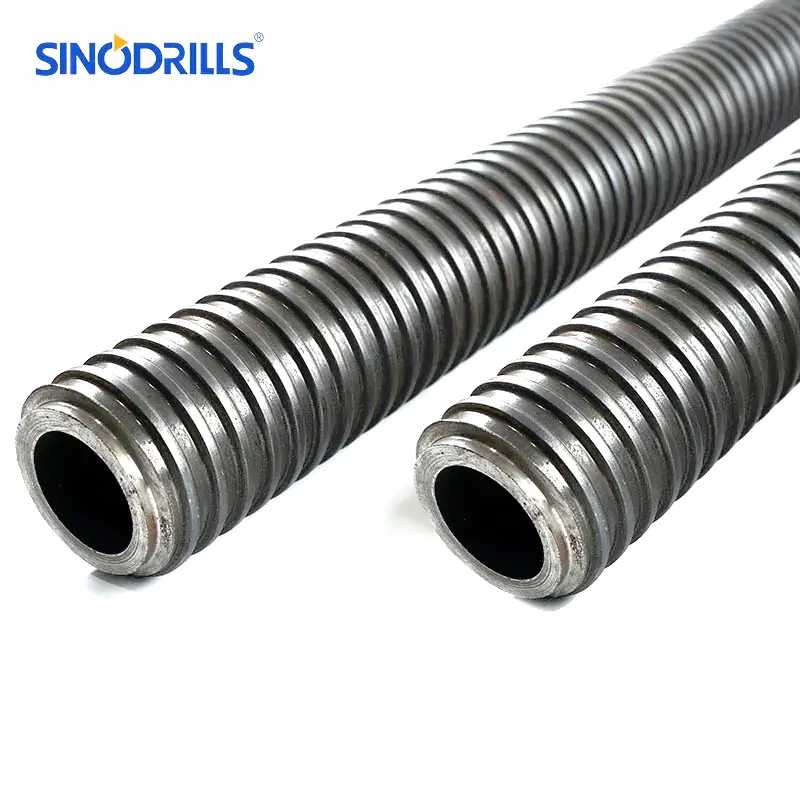
Anchoring systems stabilize micropiles during and after installation, providing immediate support and load transfer. Effective anchors enhance structural integrity, particularly in deep or unstable soils. Selecting the right system is essential for safe and efficient pile construction.
We supply anchoring solutions compatible with various micropile designs, including threaded and mechanical anchors. Proper installation ensures secure load distribution, minimizes settlement, and reinforces foundation strength, making micropile projects safer and more reliable under challenging geological conditions.
How to Choose Drilling Tools for Micropile Drilling?
Choosing the right drilling tools for micropile drilling is essential for efficiency, safety, and long-term foundation stability. Selecting equipment based on site conditions, pile requirements, and material type ensures precise installation and optimal performance. Proper tool selection reduces downtime, enhances load-bearing capacity, and improves overall project quality in challenging construction environments.
- Assess site conditions: Evaluate soil type, rock hardness, and site accessibility. Understanding ground conditions helps us select appropriate drill rigs and bits, ensuring smooth drilling operations, minimizing equipment wear, and maintaining consistent pile quality throughout the project.
- Determine pile specifications: Consider pile diameter, length, and load requirements. By matching tools to these specifications, we ensure accurate installation, proper load transfer, and long-lasting structural support, avoiding potential foundation failures or delays.
- Select suitable materials: Choose drill bits, rigs, and anchors made from high-strength, durable materials. Using robust, corrosion-resistant equipment ensures performance under stress, reduces maintenance needs, and provides reliable results in demanding environments.
- Consider operational efficiency: Evaluate tool ease of use, setup time, and compatibility with existing equipment. We focus on tools that optimize workflow, reduce labor costs, and enhance project safety without compromising drilling precision or foundation integrity.
Conclusion
Micropile drilling offers a reliable solution for reinforcing foundations in difficult or unstable ground conditions. By understanding the techniques, proper equipment, and best practices, construction professionals can achieve safe, durable, and efficient results. For optimal performance, we recommend sourcing drilling tools from our Sinodrills, ensuring quality and reliability.
Choosing the right micropile drilling approach enhances structural integrity while reducing project risks. Proper planning, material selection, and professional execution are critical for achieving long-lasting foundations. With Sinodrills’ high-performance drilling tools, you can streamline the installation process, maintain safety standards, and maximize project efficiency on every site.
Investing in Sinodrills’ drilling tools ensures precise, reliable, and durable micropile installations. From load-bearing capacity to corrosion resistance, our equipment supports professional construction needs. Equip your team with Sinodrills tools to achieve superior results, minimize delays, and reinforce foundations effectively, making your micropile projects safe, efficient, and long-lasting.