
Offshore drilling in deepwater environments requires cutting-edge technology to operate safely and efficiently. Advanced drilling rigs, remote monitoring systems, and automated controls allow engineers to explore oil and gas reserves located miles beneath the ocean surface. These innovations ensure precision and minimize environmental impact during complex operations.
Deepwater exploration also relies on specialized equipment like dynamic positioning vessels, subsea blowout preventers, and high-pressure drilling tools. Real-time data analysis and simulation software help teams anticipate challenges and optimize drilling performance. By combining human expertise with technological innovation, offshore operations can achieve higher efficiency and reliability in some of the most demanding marine environments.
What is Offshore Drilling?
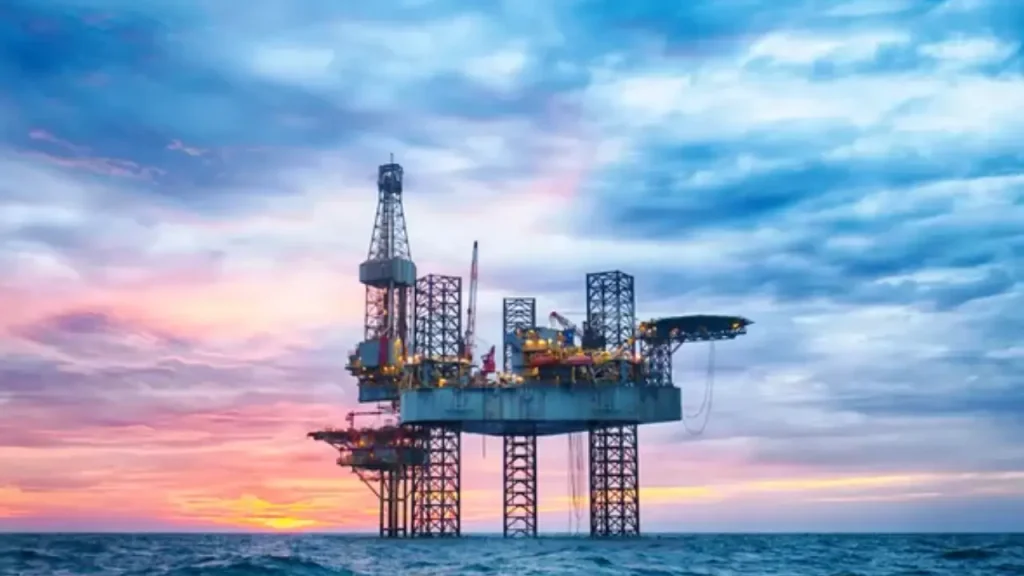
Offshore drilling is the process of extracting oil and natural gas from beneath the ocean floor using specialized rigs and equipment.
It involves exploring, drilling, and producing hydrocarbons in marine environments, often in deepwater or ultra-deepwater locations, requiring advanced technology, safety measures, and precise engineering.
What is Offshore Drilling Used for?
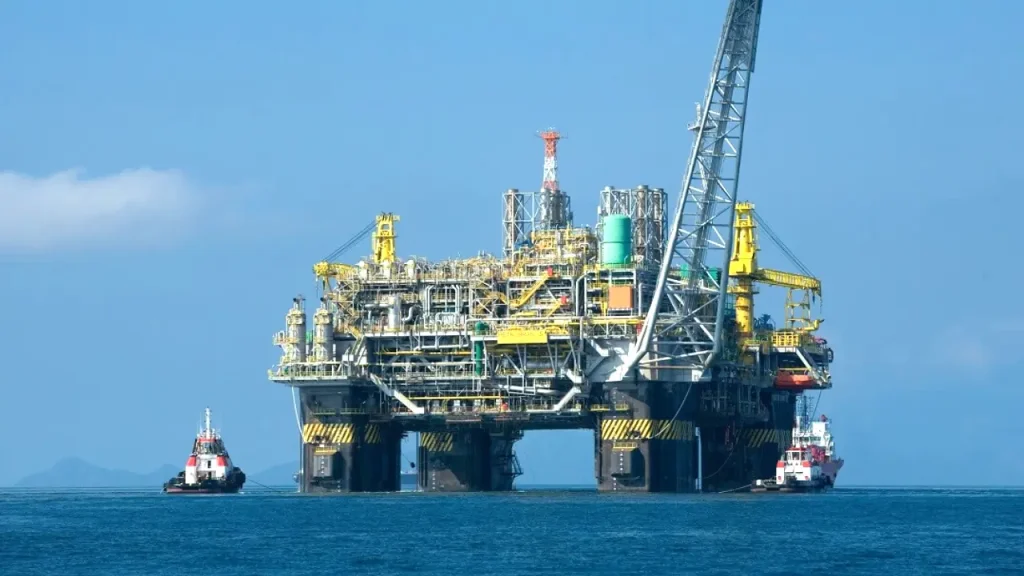
Offshore drilling is primarily used to access oil and natural gas reserves located beneath the seabed, providing energy resources for global consumption. It supports industrial, commercial, and residential energy needs, while enabling countries and companies to diversify energy supply.
The technology allows extraction in areas unreachable by onshore drilling, boosting production capacity efficiently.
- Energy Production – Offshore drilling enables the extraction of crude oil and natural gas, which are refined into fuels like gasoline, diesel, and jet fuel. These resources power transportation, industries, and electricity generation. Advanced offshore rigs allow deepwater extraction, increasing global energy supply and meeting growing demand while maintaining operational efficiency.
- Industrial Applications – Extracted hydrocarbons serve as raw materials for petrochemicals, plastics, and fertilizers. Offshore drilling provides a steady source of these essential components, supporting manufacturing and construction industries. By supplying reliable feedstock, offshore operations contribute to economic growth and sustain industrial innovation worldwide.
- Strategic Reserves – Countries use offshore drilling to build energy security by tapping domestic offshore resources. Maintaining reserves reduces dependence on imports, stabilizes fuel prices, and supports national energy policies. Offshore exploration helps governments and companies manage long-term supply and respond to market fluctuations.
- Technological Advancement – Offshore drilling drives innovation in subsea engineering, automation, and remote monitoring systems. Techniques developed for deepwater exploration improve safety, efficiency, and environmental protection. These technological advancements benefit broader industries and inspire continuous improvement in energy extraction methods.
- Economic Growth – Offshore drilling generates employment, stimulates local economies, and attracts investment in infrastructure. Ports, supply vessels, and service companies benefit directly from drilling activities. By fostering regional development, offshore operations play a significant role in economic expansion and global energy trade.
Drill Bits for Offshore Drilling
Recommended Drill Bits
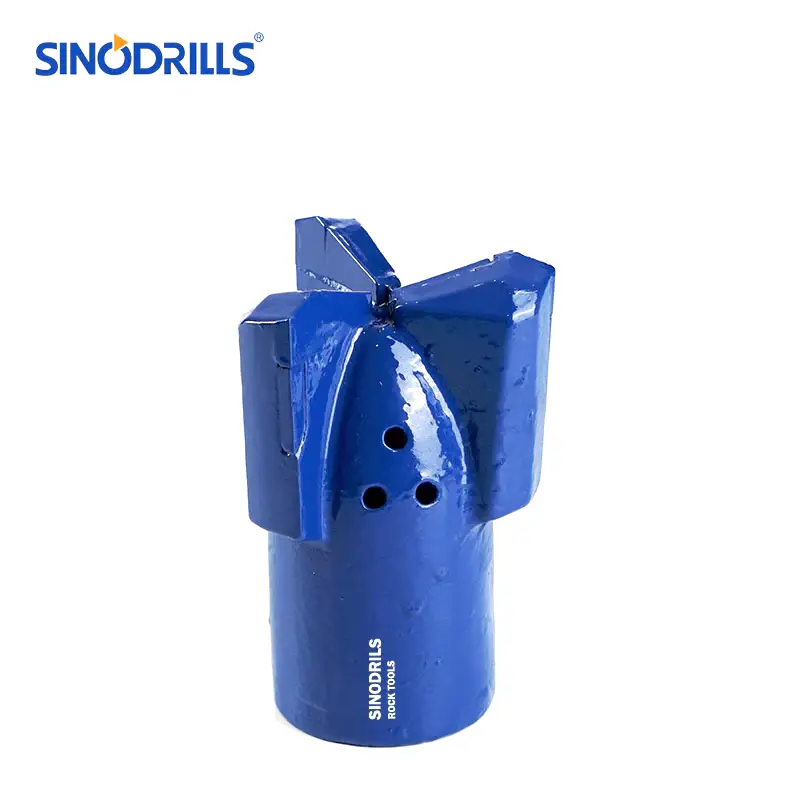
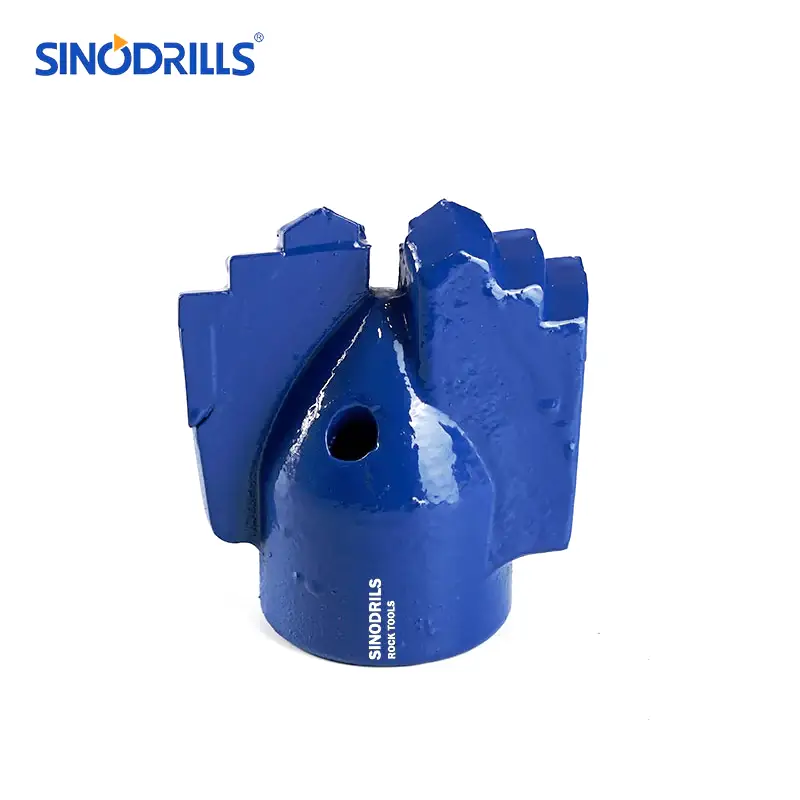
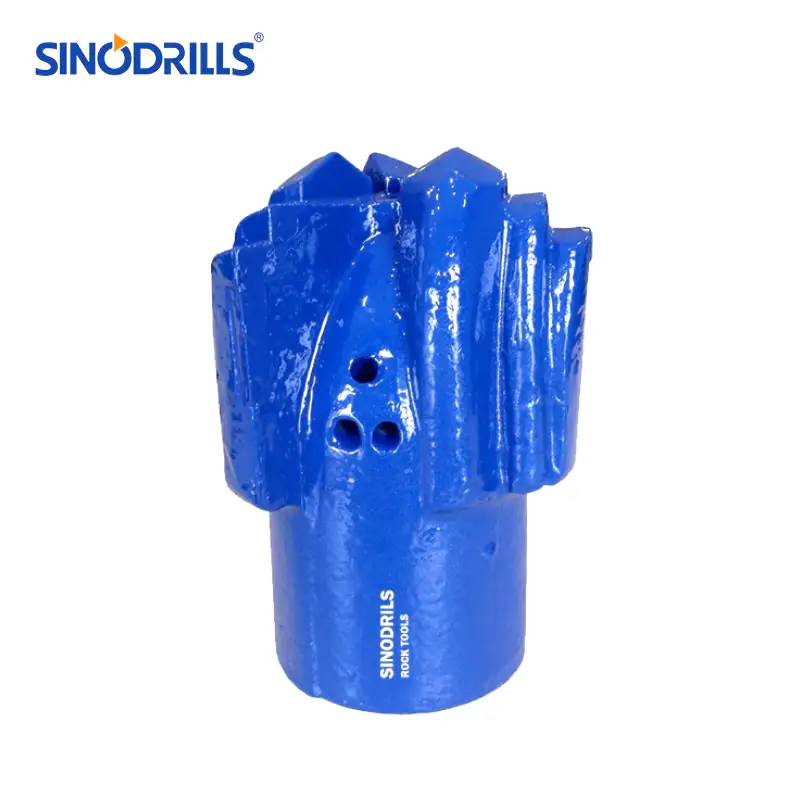
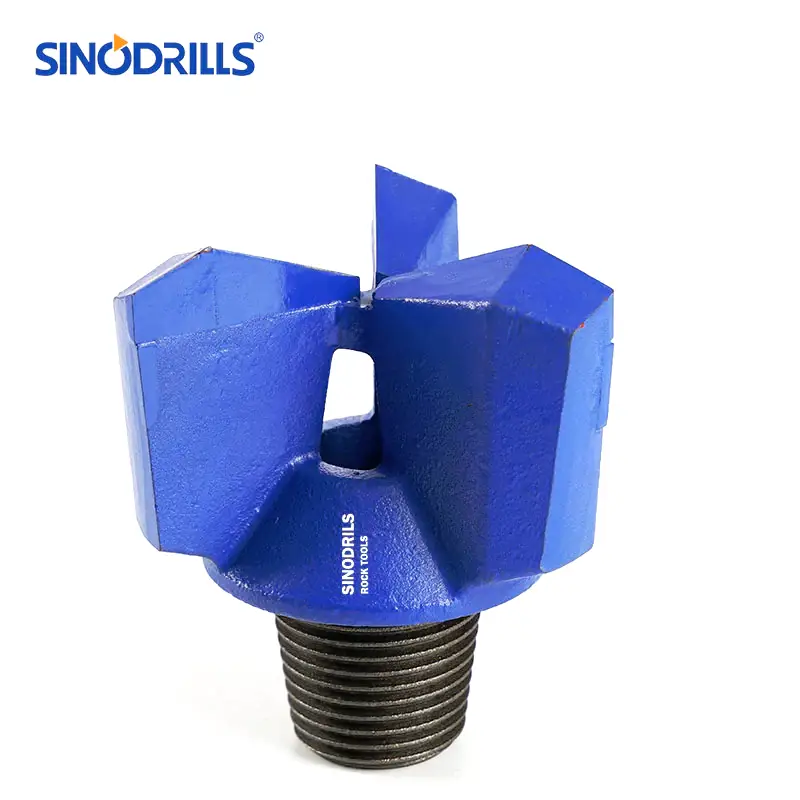
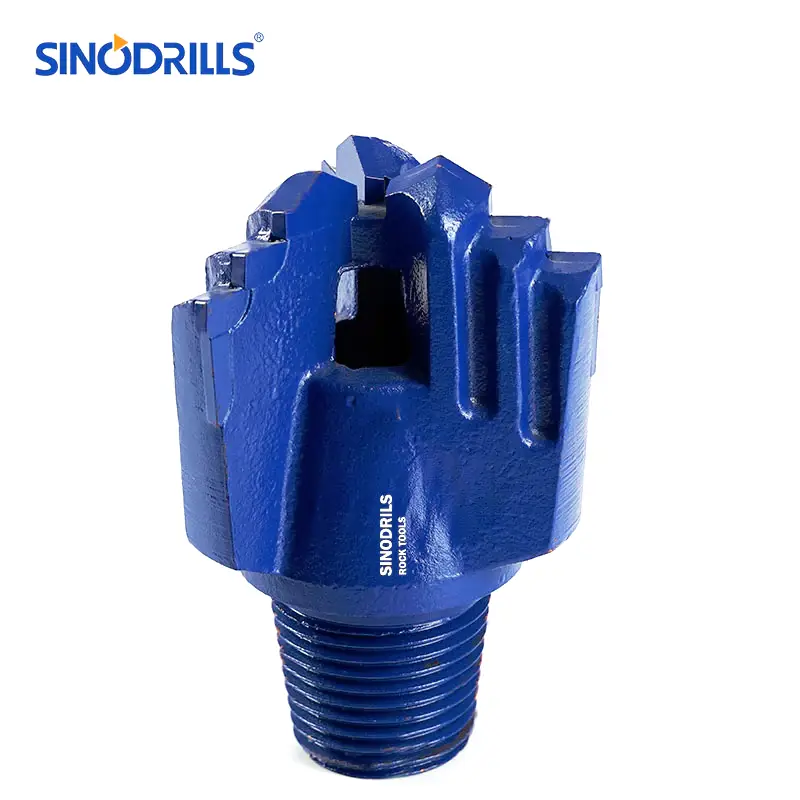
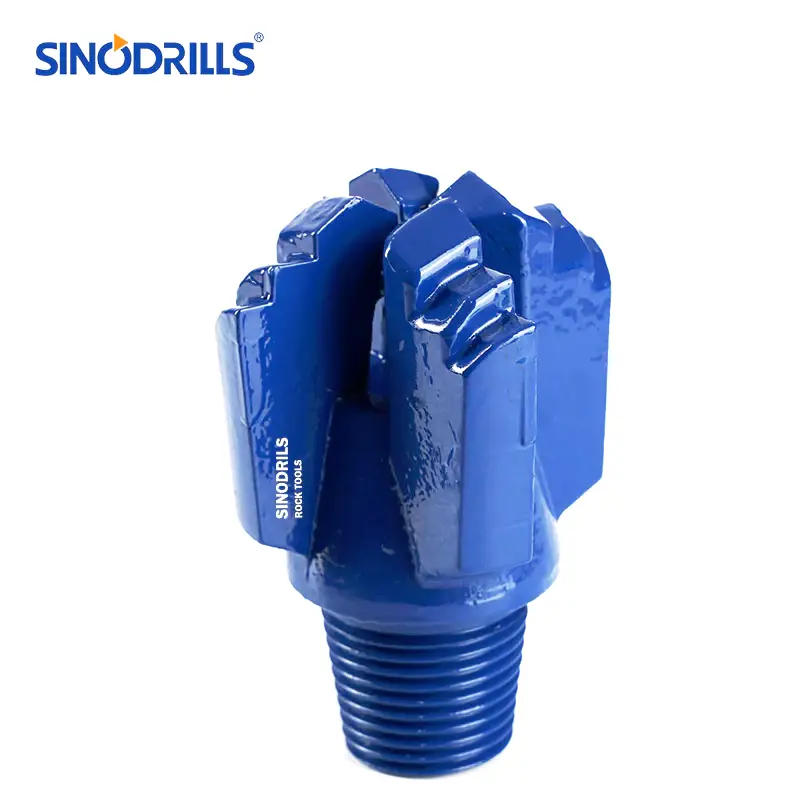
Drill bits are essential tools in offshore drilling, enabling efficient penetration of seabed rock formations to access oil and gas reserves. Selecting the right type of drill bit is critical for performance, durability, and operational safety in challenging deepwater conditions. Premium manufactured drill bits reduce downtime, improve drilling speed, and optimize overall project costs.
- PDC (Polycrystalline Diamond Compact) Bits – PDC bits are highly durable and ideal for cutting through hard rock formations. Their diamond-coated cutting surfaces resist wear and maintain sharpness, allowing continuous drilling with minimal maintenance. These bits improve penetration rates and reduce the need for frequent replacements, ensuring consistent offshore operations.
- Roller Cone Bits – Roller cone bits use rotating cones with tungsten inserts to crush and grind rock efficiently. They are versatile for various formations, from soft to hard rock. Their robust design handles high pressures and extreme torque, making them suitable for deepwater drilling environments.
- Tricone Bits – Tricone bits feature three rotating cones with interlocking teeth for maximum rock penetration. They offer flexibility in different geological conditions and are widely used in offshore drilling projects. Proper selection ensures faster drilling, reduced vibration, and longer service life under high-pressure conditions.
- Diamond Core Bits – Diamond core bits are used to extract core samples for geological analysis. Their precision cutting minimizes formation damage while providing accurate data for exploration decisions. Offshore engineers rely on these bits for mapping subsurface structures and planning efficient drilling strategies.
- Specialty Bits – Specialty drill bits, including hybrid and abrasion-resistant designs, are tailored for unique offshore challenges like extremely hard rock, high temperature, or high-pressure formations. These customized solutions enhance efficiency, reduce operational risk, and extend the lifespan of critical drilling equipment.
Drill Rods for Offshore Drilling
Recommended Drill Rods
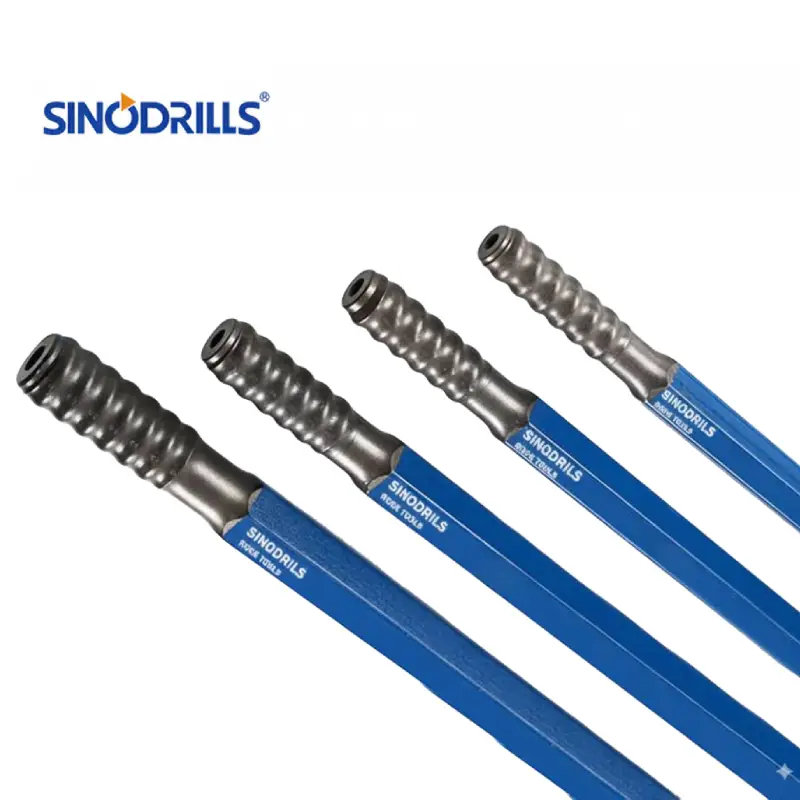
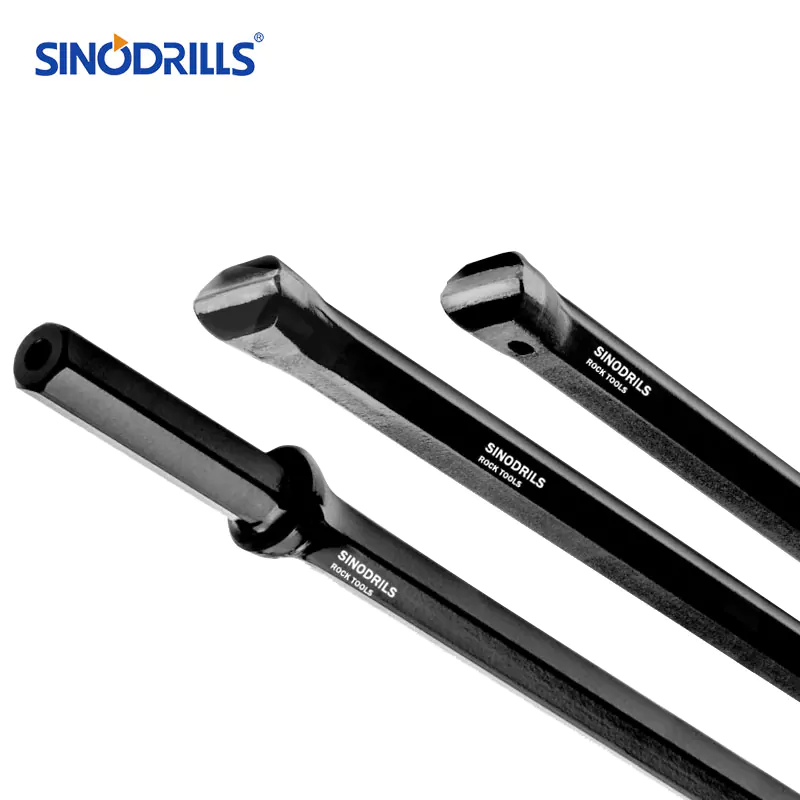
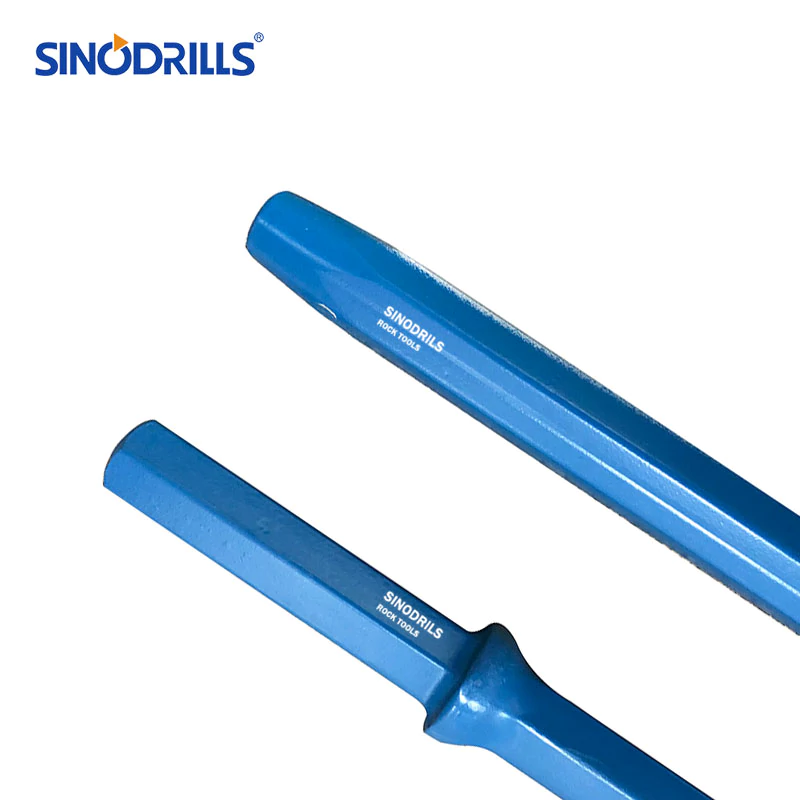
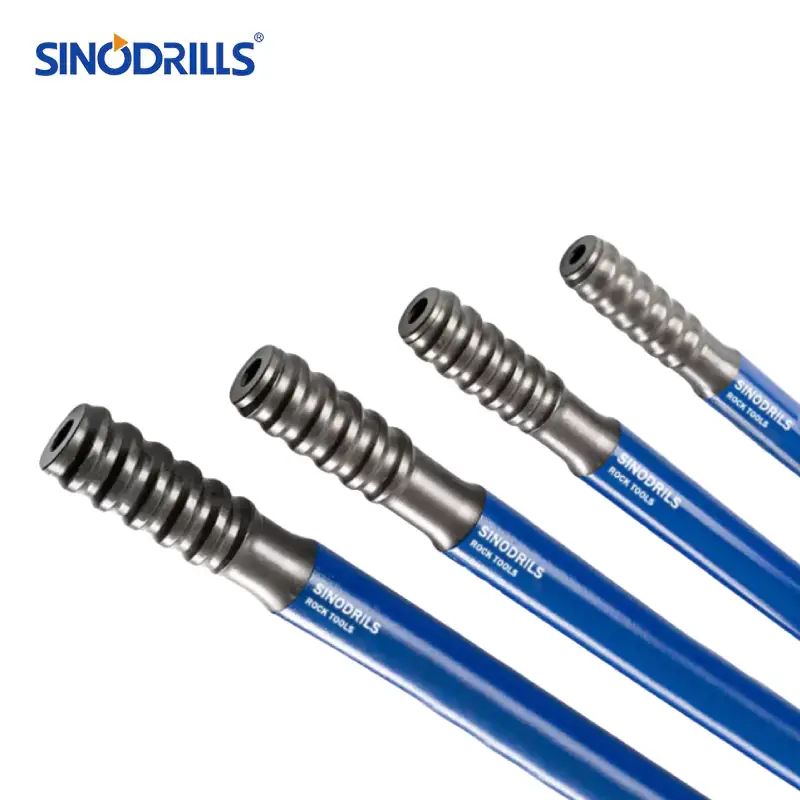
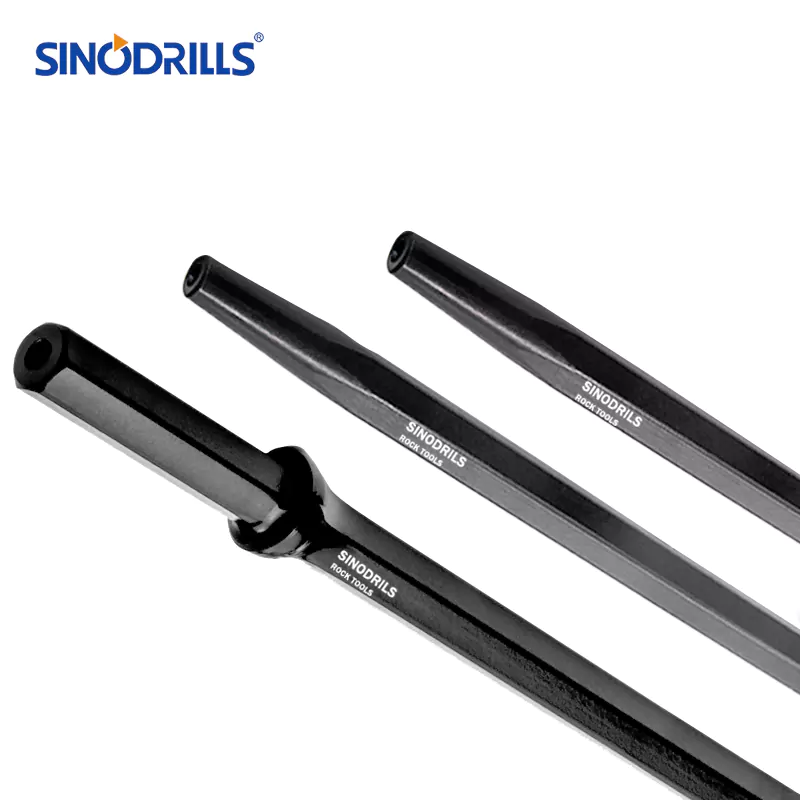
Drill rods are vital components in offshore drilling, connecting the drill bit to the rig and transmitting torque and drilling fluid under high-pressure conditions. Selecting the right drill rods ensures stability, efficient energy transfer, and safe operations in deepwater environments.
Reliable drill rods minimize wear, reduce downtime, and support continuous drilling performance.
- High-Strength Steel Drill Rods – High-strength steel rods provide durability and resistance to bending or breaking under extreme torque and pressure. Their robust construction ensures reliable transmission of rotational force, even in challenging deepwater formations. These rods maintain performance over long drilling campaigns, reducing maintenance needs and operational interruptions.
- Threaded Drill Rods – Threaded rods offer secure connections between sections, allowing easy assembly and disassembly during offshore operations. Precision threading prevents slippage under high loads and ensures smooth torque transfer. Properly threaded rods enhance safety, reduce downtime, and maintain drilling efficiency in demanding environments.
- Hydraulic Drill Rods – Hydraulic rods integrate fluid channels to circulate drilling mud and cool the drill bit. This design reduces friction, removes cuttings, and stabilizes the borehole. In offshore drilling, hydraulic rods improve efficiency, maintain bit life, and ensure smooth operation under high-pressure subsea conditions.
- Corrosion-Resistant Drill Rods – Offshore environments expose drill rods to saltwater and corrosive chemicals. Corrosion-resistant coatings or stainless steel rods extend service life, prevent structural failure, and reduce maintenance costs. These rods maintain strength and reliability, even under prolonged exposure to harsh marine conditions.
- Specialty Offshore Drill Rods – Custom rods are designed for deepwater, high-pressure, or hard-rock applications. Features like increased wall thickness, advanced metallurgy, or vibration resistance enhance performance. Specialty rods ensure safe and efficient drilling in extreme offshore conditions, supporting continuous production and reducing operational risks.
Offshore Drilling Process
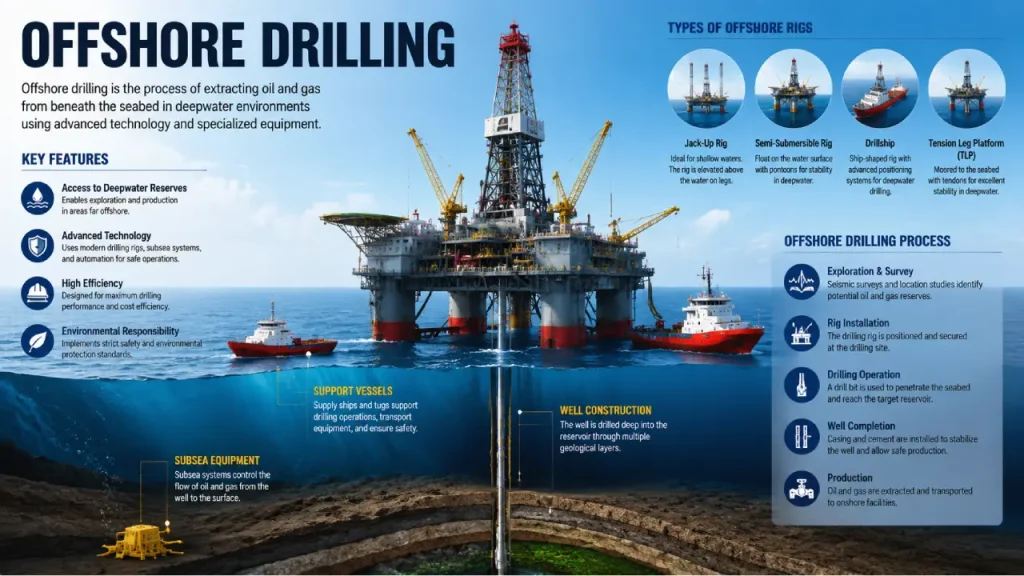
Offshore drilling is a complex engineering process used to extract oil and gas from beneath the ocean floor. It involves advanced equipment, strict safety systems, and highly coordinated operations in deepwater environments.
The offshore drilling process ensures efficient resource recovery while minimizing environmental impact and maintaining structural stability under extreme offshore conditions.
Tools Needed:
- Offshore drilling rig
- Drill string and drill bit
- Blowout preventer (BOP)
- Subsea wellhead system
- Drilling mud system
Step 1: Site Survey and Preparation
The offshore drilling process begins with detailed site surveys using seismic data and ocean mapping tools. Engineers evaluate seabed conditions, water depth, and geological formations. Once a suitable location is selected, the drilling platform is installed and prepared for safe, stable operations before any drilling activities begin carefully.
Step 2: Spudding the Well
In this step, the drilling operation officially starts by lowering the drill bit to the seabed. The bit penetrates the ocean floor while drilling mud is circulated to stabilize the hole. This initial phase establishes the wellbore foundation and ensures proper alignment for deeper drilling operations ahead effectively.
Step 3: Drilling and Casing Installation
As drilling progresses deeper, casing pipes are inserted to reinforce the wellbore walls and prevent collapse. Drilling mud continues circulating to remove cuttings and control pressure. This step ensures structural integrity while allowing safe penetration through different geological layers encountered during offshore drilling operations continuously.
Step 4: Well Completion
Once the target depth is reached, drilling equipment is removed and completion tools are installed. This includes tubing, valves, and production systems. The well is tested for pressure integrity and flow capacity, ensuring it is ready for safe and efficient hydrocarbon production from deep offshore reservoirs.
Step 5: Production and Monitoring
In the final step, oil or gas begins flowing through production systems to surface facilities. Continuous monitoring ensures safety, efficiency, and environmental protection. Engineers track pressure, flow rates, and equipment performance to maintain stable long-term production throughout the offshore drilling lifecycle and optimize recovery rates.
Offshore Drilling Depths
Offshore drilling depths refer to how far wells are drilled beneath the seabed in search of oil and gas resources. These depths vary widely depending on geological conditions and project requirements, ranging from shallow waters to ultra-deepwater environments.
Advanced technology enables safe and efficient drilling even at extreme ocean depths, ensuring reliable energy extraction.
| Drilling Type | Depth Range (Feet) | Equipment Used | Key Characteristics |
|---|---|---|---|
| Shallow Water | 0 – 500 | Jack-up rigs, fixed platforms | Easier operations, nearshore, stable formations |
| Deepwater | 500 – 5,000 | Floating rigs, dynamic positioning systems | Higher pressure, more complex operations |
| Ultra-Deepwater | 5,000+ | Advanced subsea systems, drillships | Extreme pressure, highly technical drilling |
| Transitional Zones | Variable | Mixed rig types | Challenging geology, shifting conditions |
- Shallow Water Drilling: Typically occurs at depths up to 500 feet, where fixed or jack-up rigs are used. These operations are easier to manage, with lower pressure conditions and relatively stable geological formations near coastal regions and continental shelf areas.
- Deepwater Drilling: Takes place at depths between 500 and 5,000 feet, requiring floating rigs and advanced dynamic positioning systems to maintain stability in challenging ocean conditions and unpredictable underwater environments.
- Ultra-Deepwater Drilling: Extends beyond 5,000 feet, using highly specialized rigs and subsea equipment designed to withstand extreme pressure, temperature variations, and complex geological formations deep below the ocean floor.
- Technology Requirements: As depth increases, drilling requires stronger materials, high-pressure blowout preventers, and advanced monitoring systems to ensure safety, control, and operational precision throughout the entire drilling process.
- Engineering Challenges: Greater depths introduce risks such as high pressure, low temperatures, and difficult access, requiring precise engineering, real-time monitoring, and robust safety systems to maintain control and prevent failures.
Conclusion
The future of offshore drilling depends on continuous innovation in deepwater technologies. Companies that invest in advanced rigs, automated systems, and remote monitoring achieve safer, more efficient operations while reducing risks to personnel and the environment. These improvements are critical for meeting global energy demands sustainably.
Selecting the right equipment is crucial for successful deepwater drilling projects. High-quality drill bits, casings, and blowout preventers ensure reliable performance under extreme pressures and harsh conditions. By choosing trusted suppliers, engineers can maintain operational efficiency, extend equipment lifespan, and reduce downtime, which is essential for profitable offshore exploration.
For those looking to equip their projects, wholesale drilling tools for offshore drilling are available from our Sinodrills. We provide a wide range of reliable, durable, and industry-standard drill bits and rods designed for deepwater operations. Partnering with Sinodrills ensures your offshore projects are supported by tools that meet both performance and safety requirements.