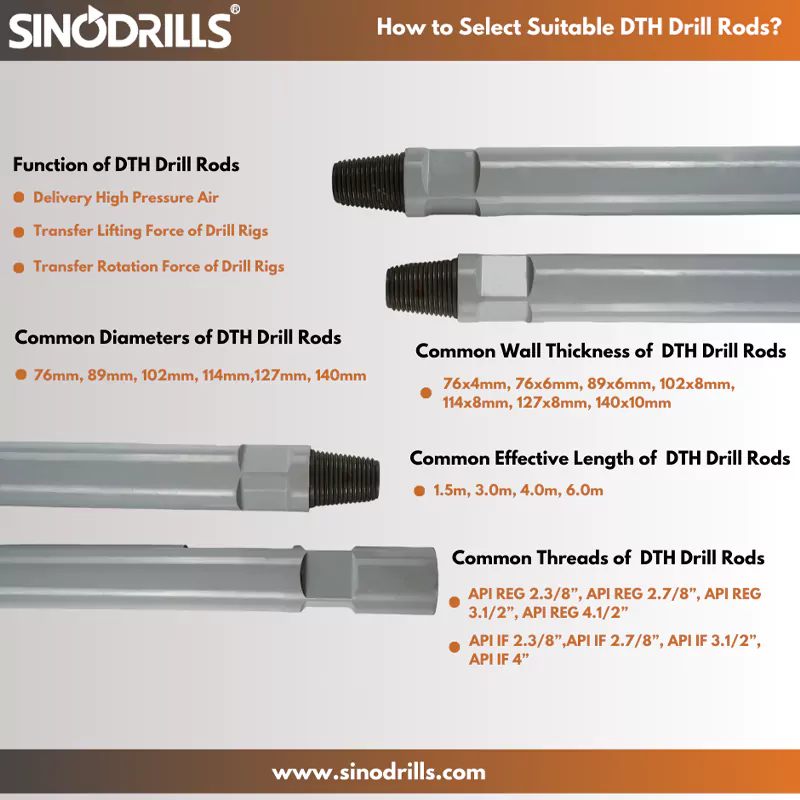
Learn how to choose the right DTH drill rods by considering diameter, length, thread type, and project needs to boost drilling efficiency and reduce costs.
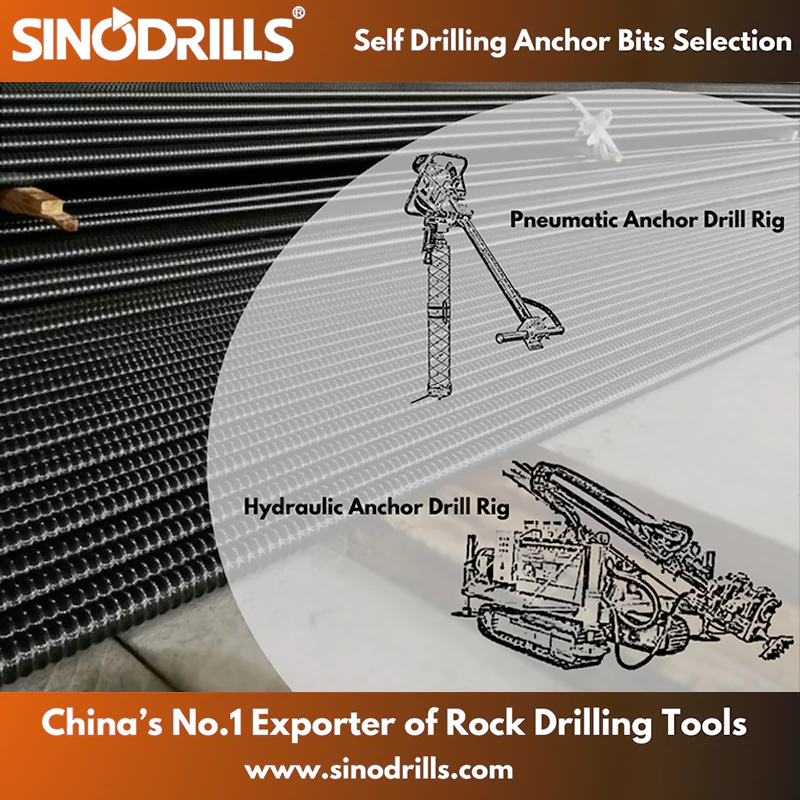
Anchor drill rigs evolved from manual tools in the 1950s to advanced, automated systems with high torque and multifunctional features for modern tunneling and mining.
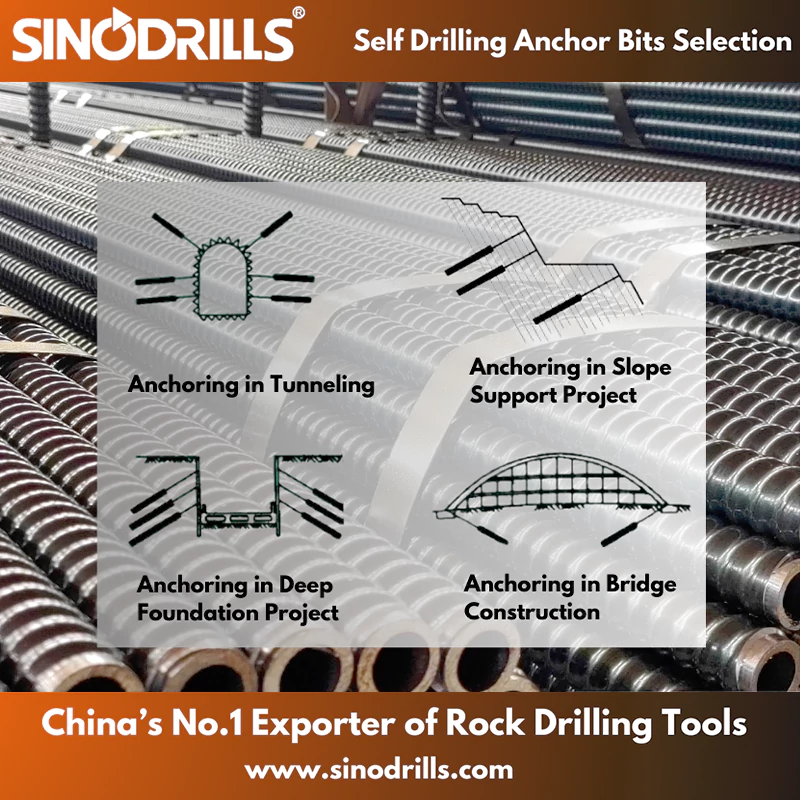
Anchoring technology advanced from simple rock bolts to modern systems with higher load capacity, enhancing safety and efficiency in mining and geotechnical engineering.
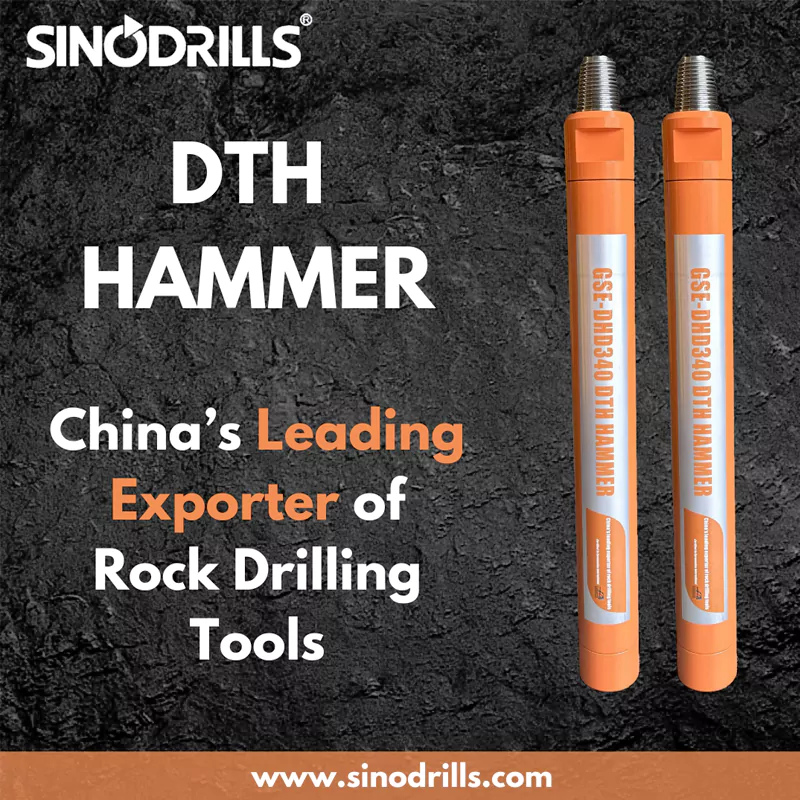
Explore the evolution of DTH hammers from their invention in 1932 to modern advancements, including valveless designs and high-pressure capabilities, enhancing drilling efficiency.
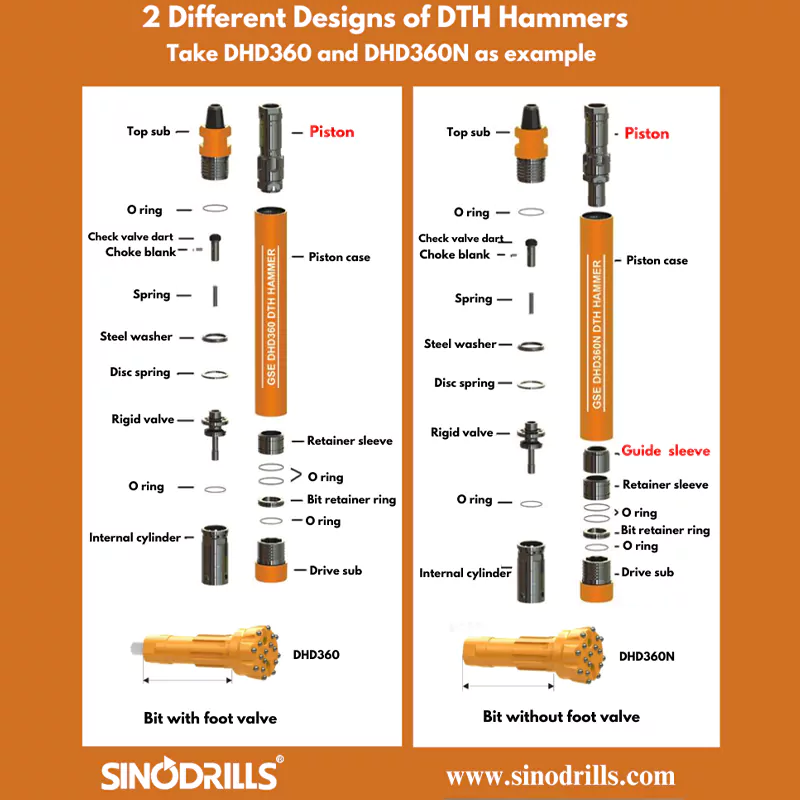
This article compares two DTH hammer designs: with foot valves for harder rock (higher force, lower frequency) and without foot valves for faster drilling in softer rock (higher frequency).
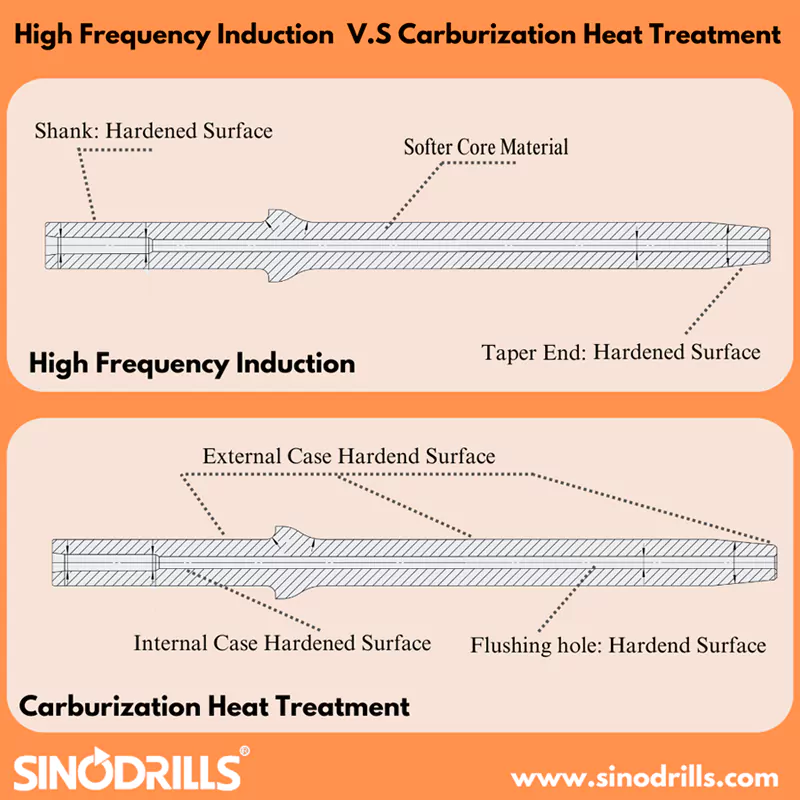
Learn about two heat treatment methods for tapered drill rods: high-frequency induction for flexibility and carburization for enhanced hardness and wear resistance.
Learn how to select the right DTH hammer by considering working air pressure: low (below 7 bar), medium (7–14 bar), or high (above 14 bar) for optimal drilling performance.
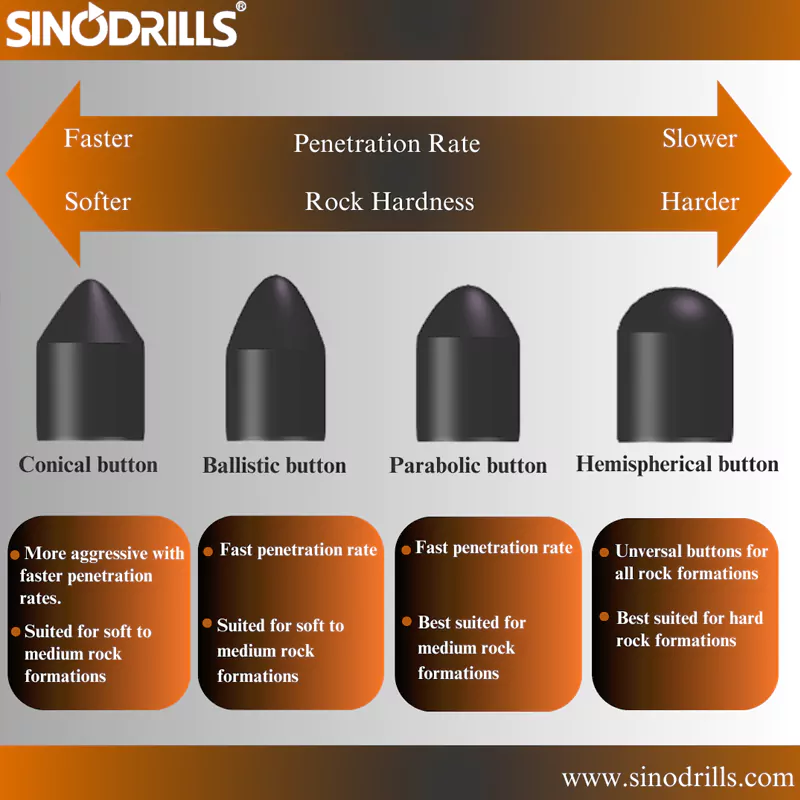
Learn to select the right carbide button shape—conical, ballistic, semi-ballistic, or hemispherical—for DTH bits to optimize drilling efficiency and tool longevity.
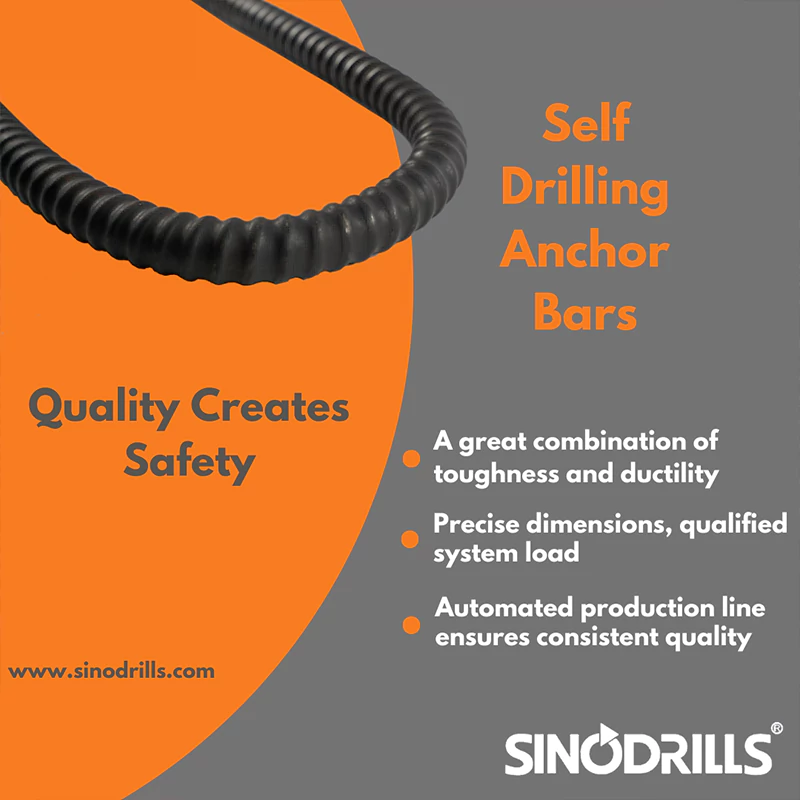
Explains cold, hot, and warm rolling methods for making self-drilling anchor bars, comparing strength, ductility, precision, and suitability for different needs.
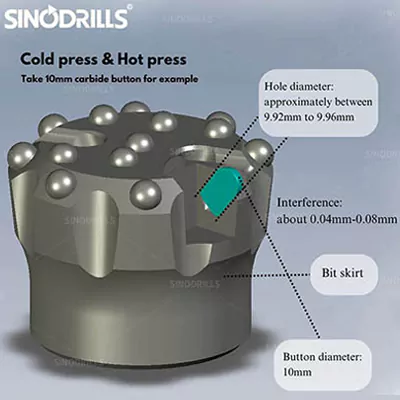
Explore three methods for inserting carbide buttons in button bits: copper brazing, cold pressing, and hot pressing, each offering different benefits in terms of cost and durability.