
Choosing the right drill is crucial for project success, especially when tackling tough materials like concrete or rock. Many wonder about the fundamental difference between a hammer drill and a regular drill. While both tools rotate a bit, their internal mechanisms and intended applications set them miles apart. Understanding these core distinctions is key to maximizing efficiency and selecting the right equipment.
The primary difference lies in the impact mechanism. A regular drill relies solely on rotational power, making it ideal for soft materials like wood, metal, and plastic. In contrast, a hammer drill adds a powerful, forward-and-backward pounding action, enabling it to easily penetrate hard surfaces like concrete, masonry, and rock. This crucial feature determines which tool is best for your heavy-duty tasks.
What are Hammer Drill Bits?
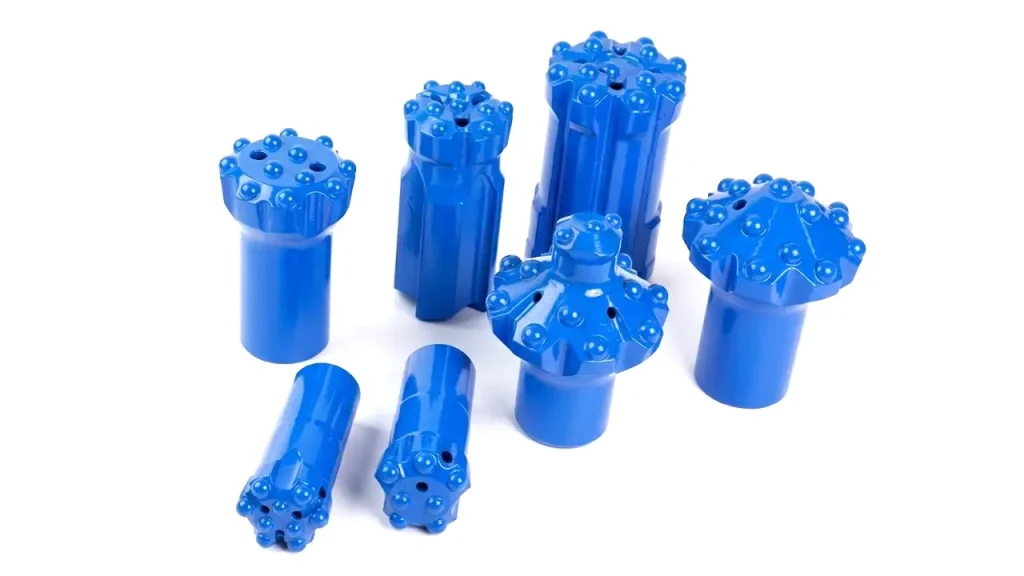
Hammer drill bits, especially those used for professional rock drilling, are highly specialized tools designed to withstand intense percussive and rotational forces. They are the cutting element in a hammer drilling system, which uses rapid, high-frequency blows combined with rotation to pulverize the toughest materials, such as granite, quartzite, and hard concrete.
These bits are engineered with premium materials and geometry to handle extreme rock formations, ensuring high penetration rates and extended service life in mining, quarrying, and construction applications. Their design is a key factor in transferring the impact energy from the drill hammer directly to the rock face, breaking it efficiently.
- Tungsten Carbide Inserts (Buttons): These are the extremely hard cutting elements, often spherical or ballistic in shape, pressed into the bit face. They withstand tremendous impact and abrasion, shattering rock upon contact to ensure maximum penetration and bit longevity.
- DTH (Down-The-Hole) Hammer Bits: Specifically designed for DTH systems, these bits work at the bottom of the borehole, receiving powerful impacts directly from the air-driven hammer piston. This design provides superior energy transfer for fast, straight drilling in very hard and deep rock formations.
- Flute and Face Design: Hammer drill bits feature deep flutes or multi-cutter head designs (like cross or X-bits) that aggressively clear rock chips and dust. Efficient debris removal is crucial to prevent clogging, reduce friction, and maintain the maximum drilling speed and overall efficiency.
- Shank Compatibility (e.g., SDS-Max, Threaded): The shank end of the bit is engineered to precisely fit the hammer drill chuck system, such as SDS-Max for heavy-duty rotary hammers or threaded connections for top-hammer rigs. This connection secures the bit and ensures optimal transmission of both rotational torque and impact energy.
What are Regular Drill Bits?
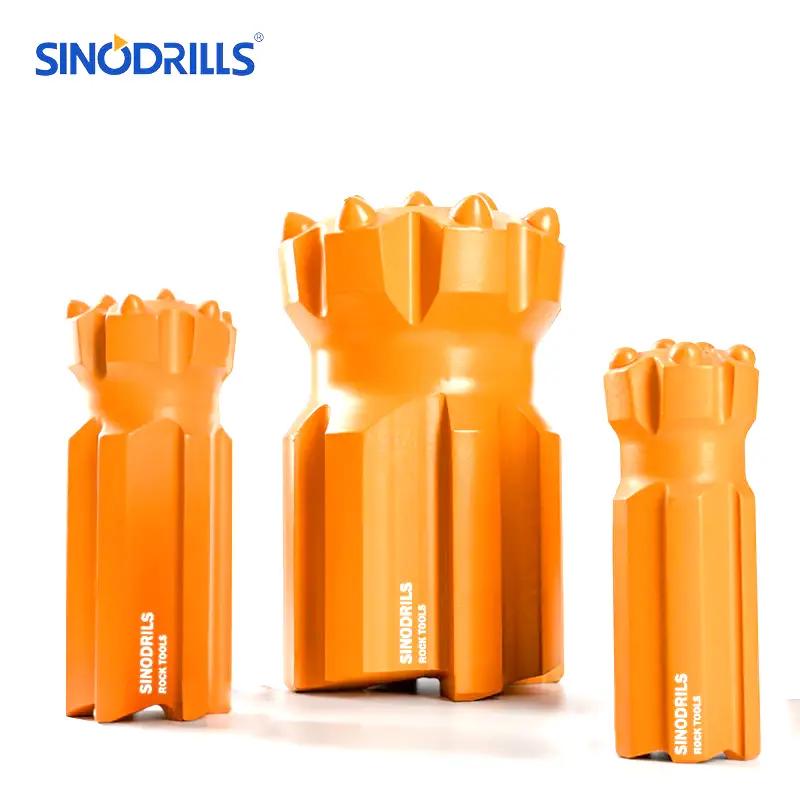
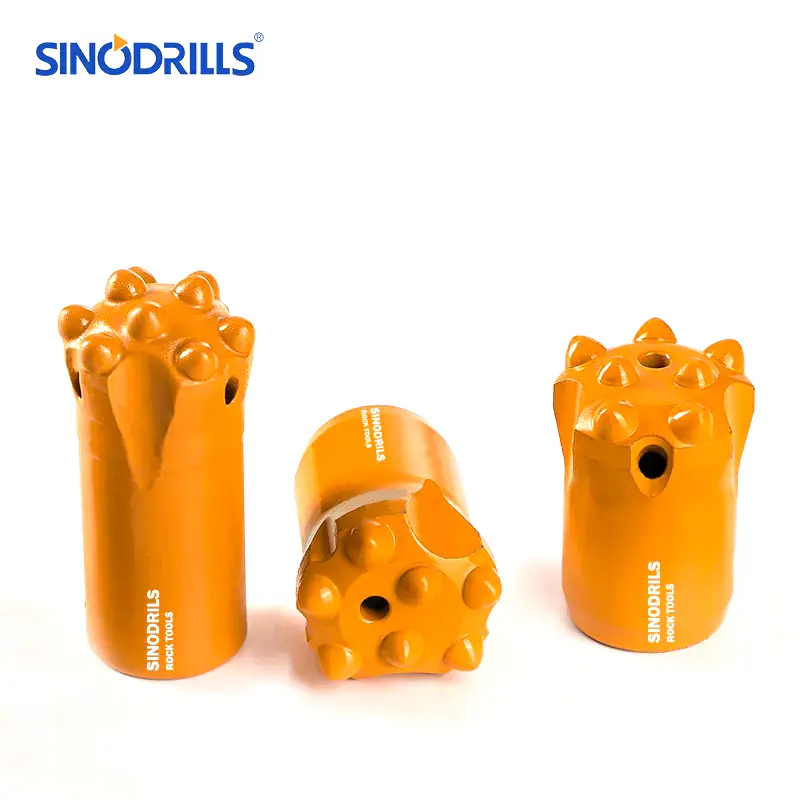
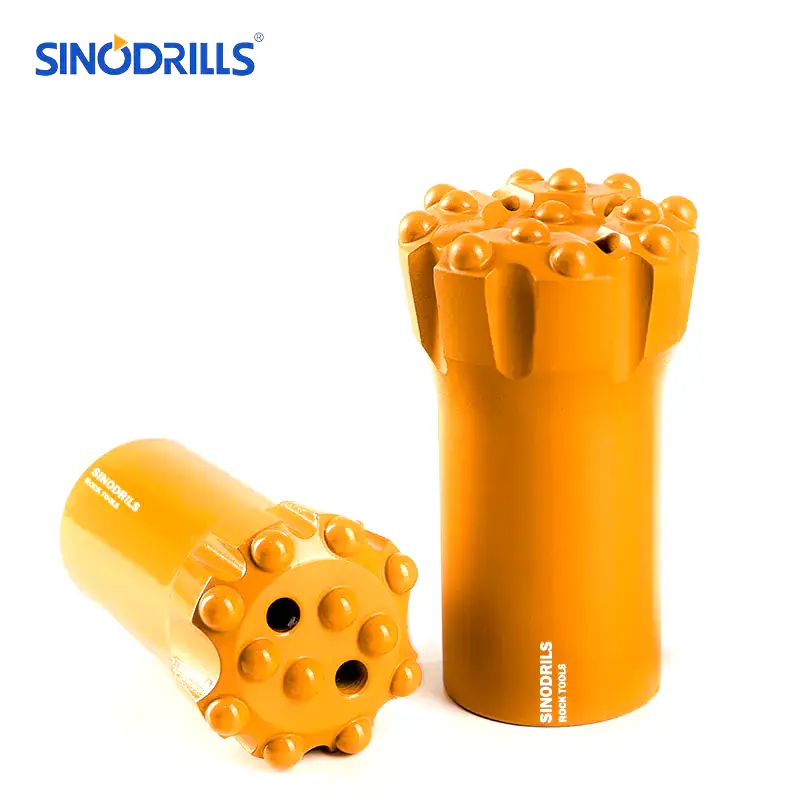
Regular rock drill bits are the essential cutting tools used with various rock drilling machines, designed to break and penetrate rock formations through percussion, rotation, or a combination of both. Their design and material composition are specifically engineered to fracture, chip, or grind away rock, making them indispensable for construction, mining, and quarrying projects in diverse geological conditions.
These bits come in a variety of configurations, tailored for different rock hardness and drilling methods. The cutting elements are typically made from extremely hard materials to withstand the abrasive nature of rock. Selecting the correct bit is vital to ensure optimal penetration rate and bit longevity, significantly impacting overall project efficiency.
- Tapered Bits: These are conical in shape and are often used for hard rock formations like granite. Their design promotes deep penetration when paired with hammer drills, making them a common choice in both underground and surface hard rock applications. They come in various sizes for precision.
- Cross-Type Bits: Featuring a chisel-shaped tungsten carbide tip arranged in an ‘X’ pattern, these are built for drilling through hard and highly abrasive rock formations. Their robust design provides excellent wear resistance and is frequently used in demanding deep-hole mining and construction operations.
- Button-Type Bits: Equipped with tungsten carbide buttons pressed into the bit face, these deliver a powerful, concentrated impact force. They are highly efficient for shallow to medium-depth drilling into hard stone, concrete, and rock, providing a balance of speed and extended bit life.
- PDC (Polycrystalline Diamond Compact) Bits: These are fixed-cutter bits that utilize a shearing action, employing diamond-enhanced cutters to grind through the rock. PDC bits excel in drilling through softer-to-medium rock formations like shale and soft limestone, offering fast penetration rates and exceptional durability.
Hammer Drill vs Regular Drill
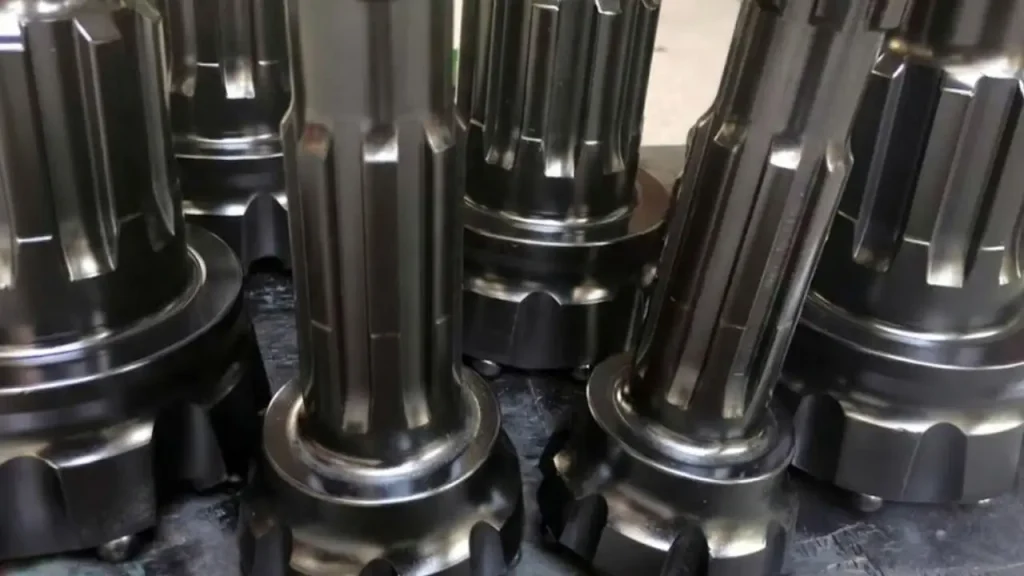
Hammer drills and regular drills are essential tools in industrial and construction applications, but they differ significantly in mechanism, power, and efficiency. Understanding these differences helps select the right equipment for rock drilling, concrete work, or other demanding tasks, ensuring maximum productivity and safety.
1. Mechanism
Hammer drills combine rotational motion with rapid hammering, allowing them to chip away hard materials like rock or concrete efficiently. Regular drills rely solely on rotational force, making them slower and less effective on dense surfaces.
The hammering action in hammer drills reduces strain on the motor and operator while improving drilling speed. Regular drills may overheat or wear out faster under heavy-duty use, limiting their effectiveness in industrial rock drilling scenarios.
2. Power and Torque
Hammer drills are built with higher power ratings and torque to penetrate hard materials quickly. Their motors are reinforced to handle sustained heavy loads without performance loss.
Regular drills have lower torque and power, making them suitable for softer materials but inadequate for extended heavy-duty operations. Using them on rock can cause motor strain or bit damage.
3. Drill Bit Compatibility
Hammer drills use specialized masonry or rock bits designed to withstand repeated impact forces, ensuring efficient material removal. Regular drills are limited to standard twist bits and may require multiple passes to achieve similar results.
This compatibility allows hammer drills to maintain consistent performance over time. Regular drill bits often wear out quickly under heavy-duty conditions, increasing downtime and maintenance needs.
4. Speed and Efficiency
Hammer drills offer faster drilling speeds due to the combined hammering and rotation, making them ideal for high-volume rock drilling or construction projects. Regular drills operate at slower speeds on hard surfaces, reducing overall efficiency.
The efficiency of hammer drills also reduces operator fatigue and energy consumption. Regular drills may require additional effort, multiple bit changes, or pre-drilling steps to achieve desired results.
5. Durability and Longevity
Hammer drills are engineered for rugged, industrial use, with reinforced housings and heat-resistant motors to handle continuous, heavy workloads. Regular drills are less robust, making them prone to wear and shorter lifespan under harsh conditions.
Selecting a hammer drill for rock or concrete ensures fewer breakdowns and consistent performance over time. Regular drills may be economical but are less suitable for demanding, prolonged projects.
Here are some differences between hammer drill vs regular drill:
| Aspect | Hammer Drill | Regular Drill |
|---|---|---|
| Mechanism | Rotational + Hammering | Rotational only |
| Power & Torque | High | Moderate |
| Drill Bit Compatibility | Masonry/rock bits | Standard twist bits |
| Speed & Efficiency | Fast, efficient | Slower on hard materials |
| Durability | Industrial-grade, reinforced | Less robust, prone to wear |
How to Choose Hammer Drill and Regular Drill?
Choosing between a hammer drill and a regular drill depends entirely on your project’s materials and scope. A regular drill is ideal for general, precision tasks, while the hammer drill is essential for breaking through hard masonry. Consider the frequency and difficulty of your drilling jobs to select the most appropriate and cost-effective tool for your needs.
- Material: If you are drilling into concrete, brick, or stone, choose a hammer drill (or rotary hammer); for wood, metal, or drywall, a regular drill is sufficient and better.
- Mechanism: A regular drill uses only rotation to cut a hole; a hammer drill adds a rapid hammering action in the direction of the bit to pulverize hard material.
- Functionality: Many hammer drills have a switch to turn off the hammer mode, making them function as a regular drill, offering versatility for diverse home projects.
- Cost & Weight: Regular drills are generally lighter and less expensive, making them ideal for everyday, light-duty work; hammer drills are heavier and cost more due to their added mechanism.
- Bit Type: A regular drill uses standard drill bits; a hammer drill requires carbide-tipped masonry bits to withstand the powerful, repetitive impacts into hard materials.
Conclusion
Ultimately, the choice between a hammer drill and a regular drill depends entirely on your project material. For softer materials like wood or metal, the versatility, lightweight design, and precision of a regular drill are unmatched and sufficient. However, when faced with demanding tasks like deep hole rock drilling, concrete work, or tough masonry, the percussive power of the hammer drill is essential for both speed and effectiveness.
The hammer drill’s unique impact mechanism makes it indispensable for professional and heavy-duty work, ensuring holes are drilled quickly and accurately into the hardest surfaces you encounter. Using the correct tool not only guarantees a successful result but also significantly saves time, reduces physical effort, and preserves the lifespan of your drill bits and equipment over time.
To equip yourself for any drilling challenge, ensure you have a comprehensive inventory of reliable, high-performance tools and bits. For all your large-scale or wholesale requirements, you can get wholesale drilling tools directly from Sinodrills. We supply a complete range of quality hammer drills, regular drills, and specialized rock drilling components to maximize your project’s productivity and profitability.