
Choosing the right mining drill bits is essential for achieving efficient penetration, stable drilling, and controlled operating costs. Different rock formations, drilling methods, and equipment place unique demands on drill bits. Understanding key selection factors helps mining operators improve productivity while reducing wear, downtime, and unexpected tool failures.
Mining drill bit selection involves more than matching size alone. Rock hardness, abrasiveness, drilling depth, and rig capability all influence performance. By learning how bit design, materials, and geometry affect drilling results, operators can make informed choices that support safer operations and consistent drilling outcomes.
What are Mining Drill Bits?
Recommended products
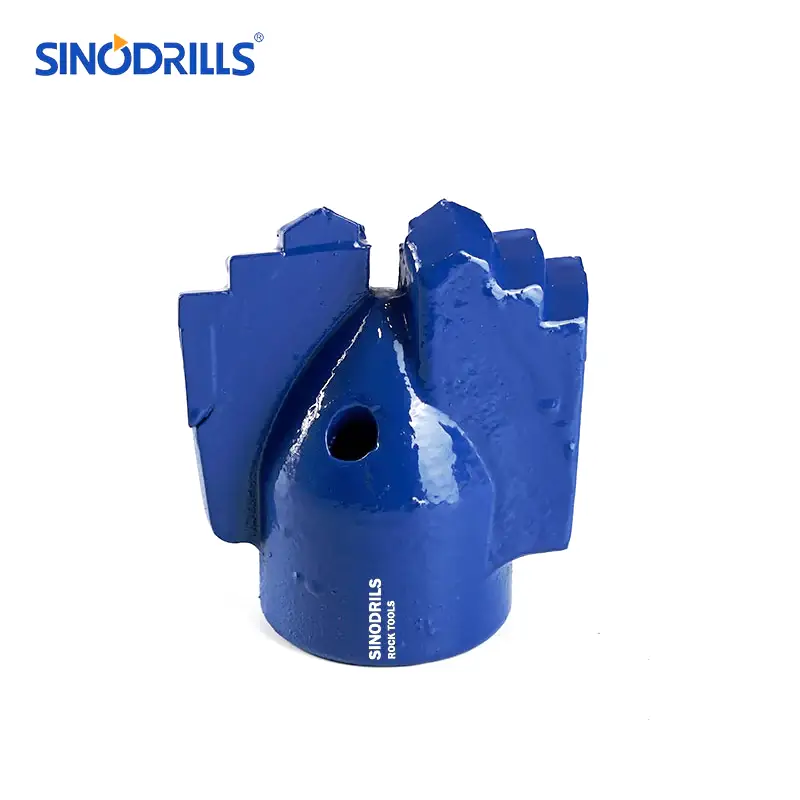
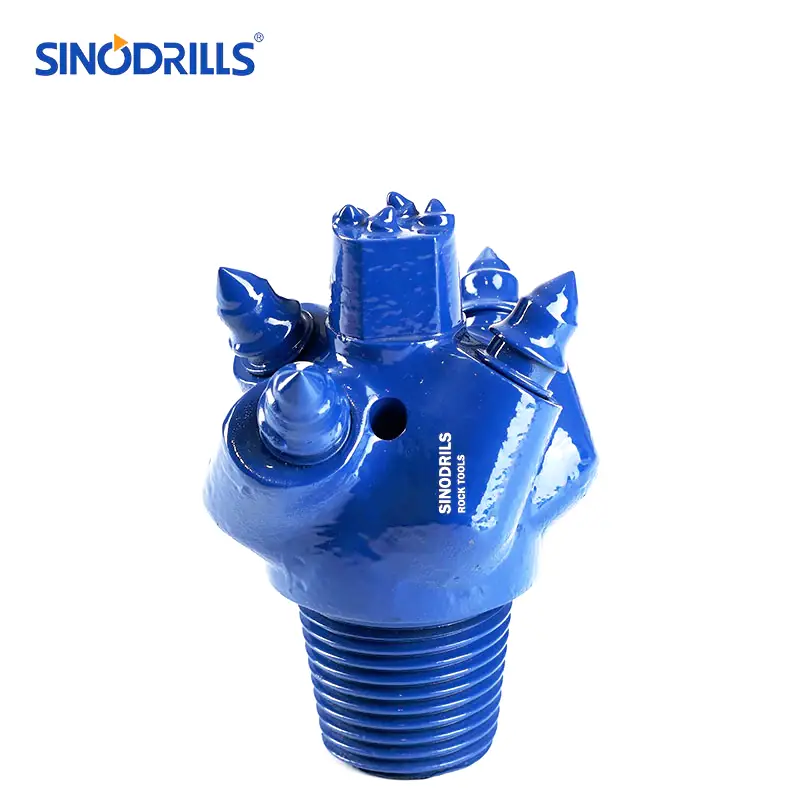
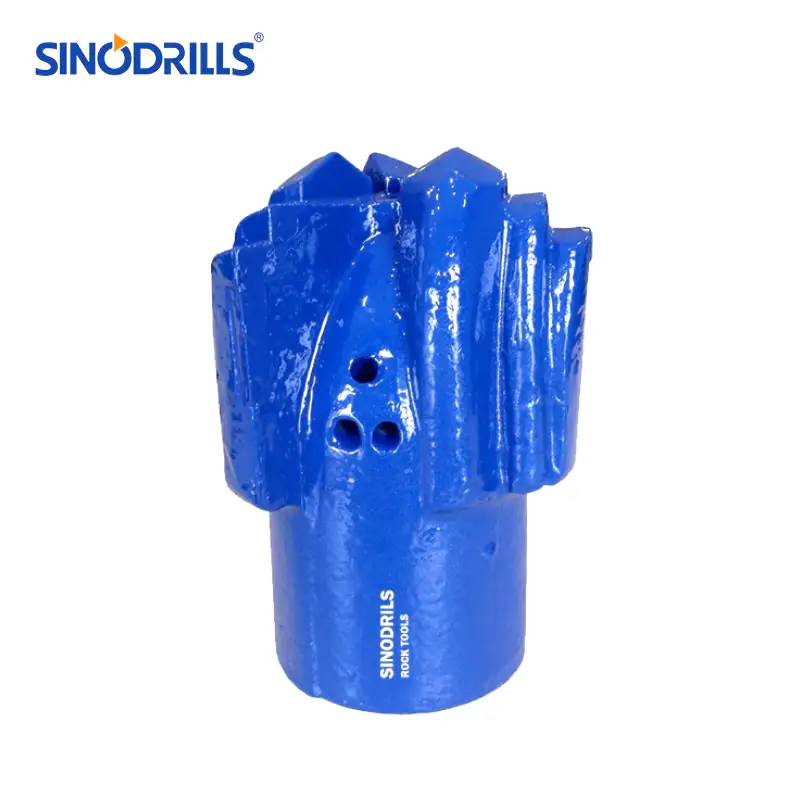
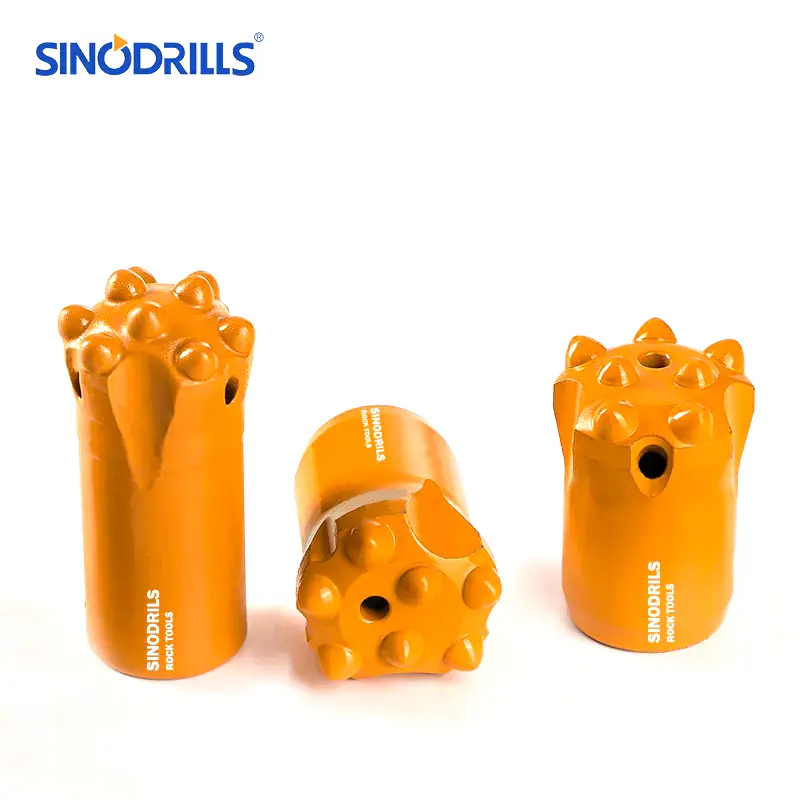
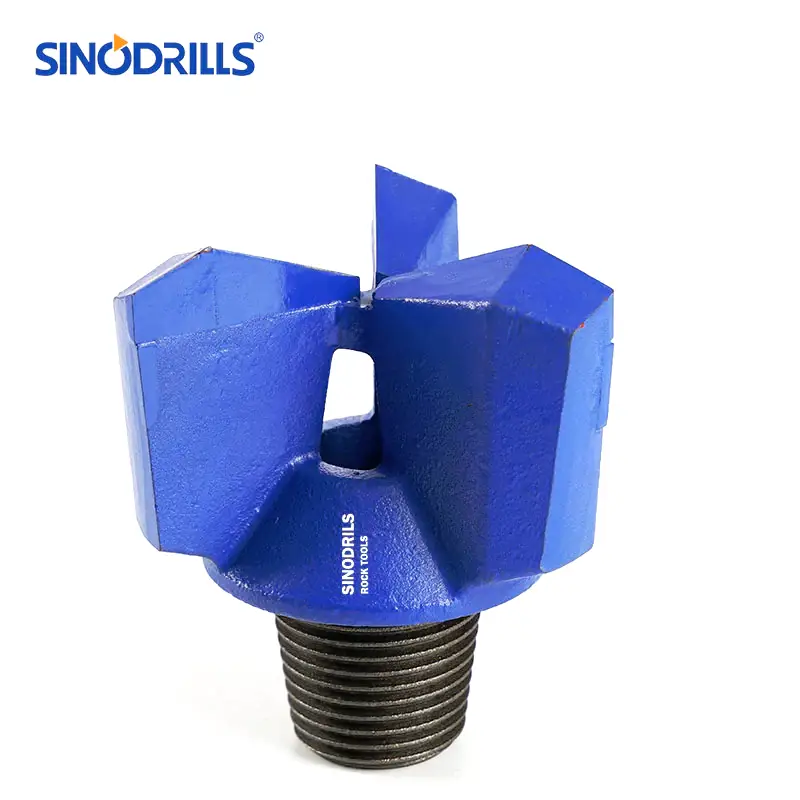
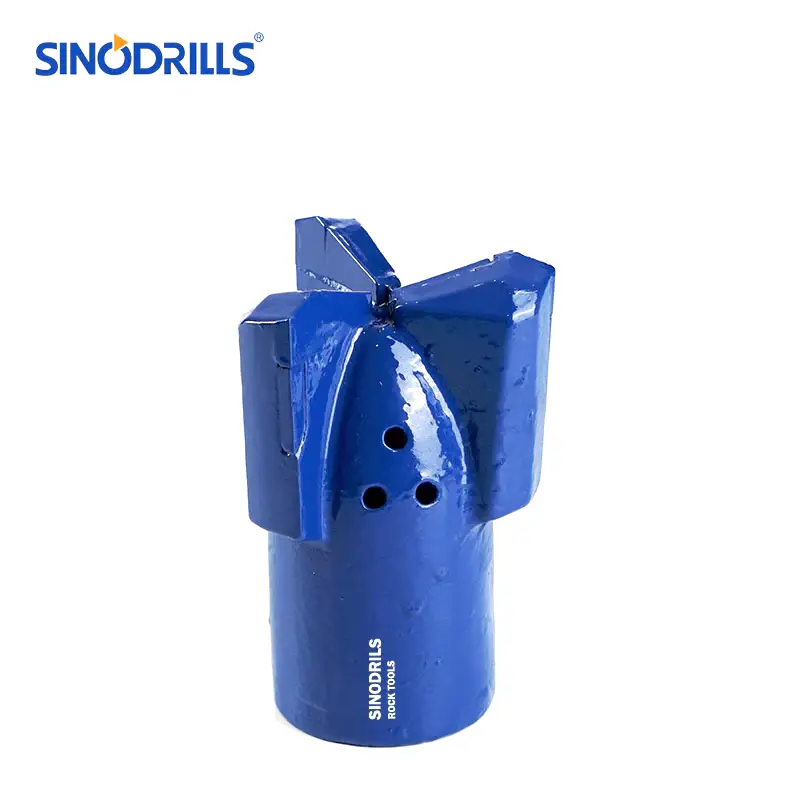
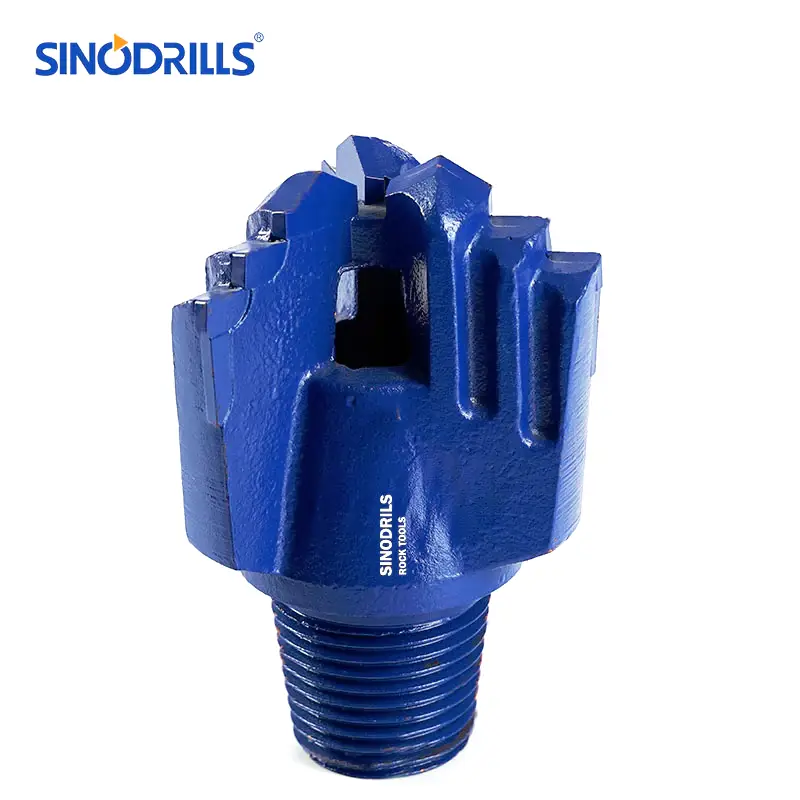
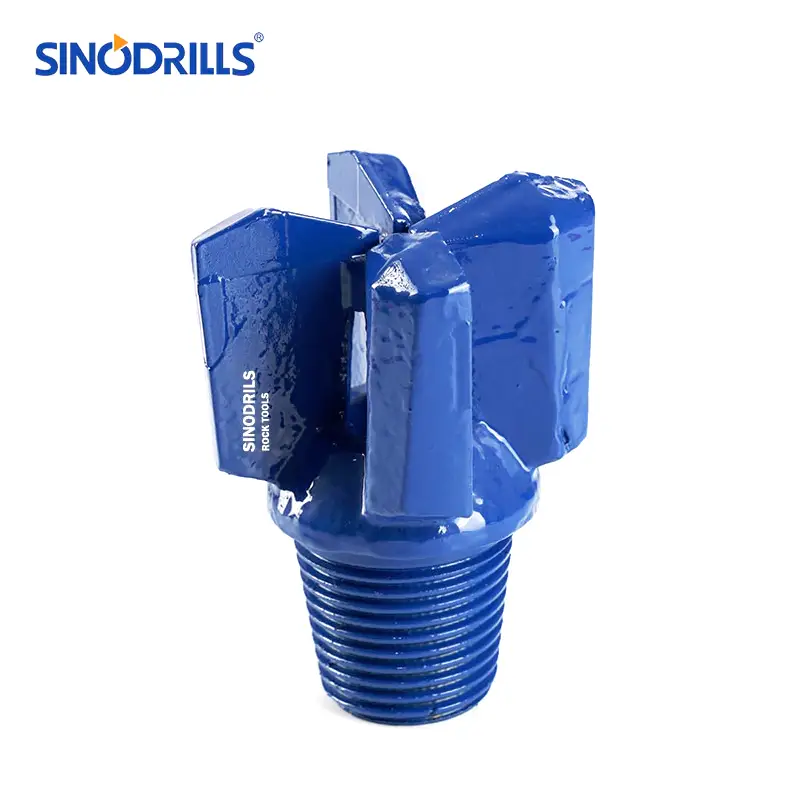
Mining drill bits are specialized cutting tools used to break, crush, or shear rock during mining, quarrying, and construction operations. They are designed to withstand high impact, abrasion, and pressure while creating accurate boreholes for blasting, anchoring, or exploration. Different designs and materials allow mining drill bits to perform effectively across various rock formations.
- High Drilling Efficiency – Mining drill bits are engineered to deliver strong penetration rates in hard and abrasive rock. Optimized cutting structures improve energy transfer from the drill, allowing faster hole completion, reduced drilling time, and higher productivity in both surface and underground mining operations.
- Durability and Long Service Life – Made from hardened steel and tungsten carbide, mining drill bits resist wear, impact, and heat. Their robust construction reduces breakage and uneven wear, extending service life and lowering replacement frequency, even in demanding and continuous drilling environments.
- Versatility Across Applications – Mining drill bits are available in multiple types and sizes, making them suitable for blasting, tunneling, anchoring, and exploration. This versatility allows operators to adapt to different rock conditions, drilling methods, and equipment without sacrificing performance or reliability.
- Cost Control and Reliability – Efficient cutting action and durable design help minimize downtime and maintenance costs. Reliable mining drill bits ensure consistent drilling performance, predictable operating expenses, and improved planning efficiency for large-scale mining and quarrying projects.
Types of Drill Bits for Mining
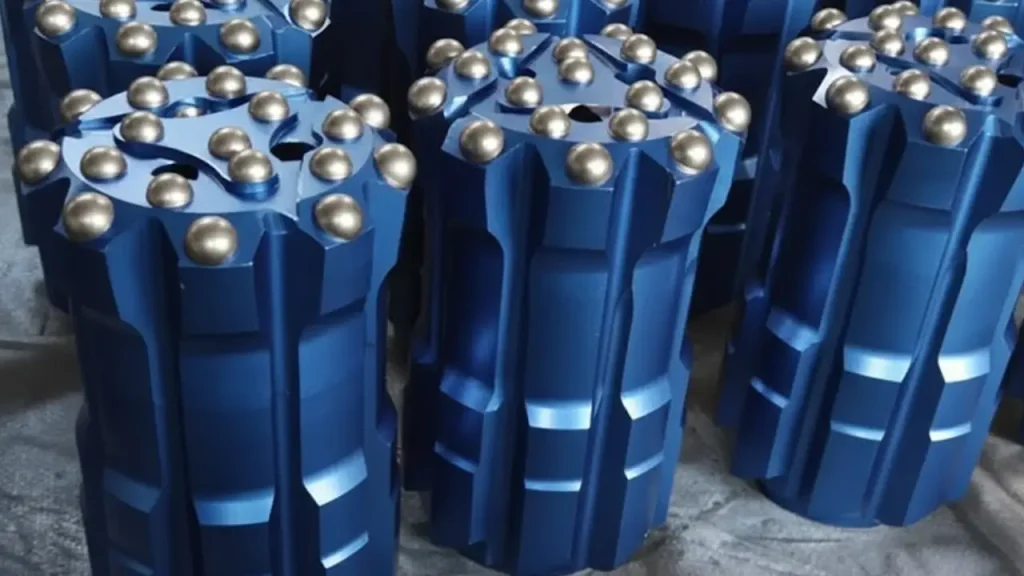
Mining operations use different drill bit types to match rock conditions, drilling methods, and project requirements. Each drill bit design offers unique advantages in terms of penetration speed, durability, and stability. Understanding the main types of drill bits for mining helps operators select the most suitable tools for efficient, safe, and cost-effective drilling in various geological environments.
- Button Drill Bits – Button drill bits use tungsten carbide buttons to crush and fracture hard rock. Their rounded inserts provide excellent wear resistance and long service life. They are widely used in hard rock mining, quarrying, and tunneling where durability and consistent penetration are required.
- Cross Drill Bits – Cross drill bits feature a cross-shaped cutting structure that improves hole straightness and stability. They are suitable for medium to hard rock conditions and are often used in drifting and tunneling applications where accurate hole alignment is important for blasting efficiency.
- Chisel Drill Bits – Chisel drill bits have a flat cutting edge that delivers fast penetration in softer rock formations. Their simple design makes them cost-effective and easy to resharpen, making them ideal for low to medium hardness rock in mining and construction drilling operations.
- Tapered Drill Bits – Tapered drill bits are designed to fit tapered drill rods, providing strong connection and stable energy transfer. They are commonly used in handheld and small rig drilling for mining, quarrying, and foundation work, especially in shallow to medium-depth drilling.
- Threaded Drill Bits – Threaded drill bits connect securely with drill rods using threaded joints. They offer high drilling stability, deeper hole capability, and easy replacement, making them popular in modern mining, long-hole drilling, and mechanized rock drilling operations.
How to Choose Mining Drill Bits?
Choosing the right mining drill bits is essential for achieving efficient penetration, stable drilling, and long service life in demanding mining environments. Proper selection depends on understanding rock conditions, drilling methods, and equipment capability. By evaluating key factors carefully, operators can reduce downtime, control costs, and improve overall drilling performance across different mining applications.
- Rock Type and Hardness – Analyze whether the rock is soft, medium, or hard, as well as its abrasiveness. Hard and abrasive formations require durable button or fixed cutter bits, while softer rock may perform better with chisel or blade designs that offer faster penetration.
- Drilling Method and Application – Match the drill bit to the drilling method, such as rotary, DTH, or top hammer drilling. Different methods demand specific bit structures to ensure proper energy transfer, hole stability, and efficient cutting in surface or underground mining operations.
- Bit Size and Length – Select the correct diameter and length based on required hole depth and drilling accuracy. Proper sizing improves stability, reduces vibration, and ensures consistent hole quality, especially in long-hole drilling and blasting preparation work.
- Material and Bit Design – Consider bit materials, carbide grade, and cutter arrangement. High-quality steel bodies and wear-resistant carbide inserts extend service life, reduce maintenance, and maintain stable drilling performance under high impact and pressure conditions.
- Equipment Compatibility and Cost – Ensure the drill bit matches drill rods, shanks, and rig capacity. Balanced selection helps avoid excessive wear and energy loss while controlling operating costs, making drilling operations more reliable and economically efficient.
Conclusion
Selecting suitable mining drill bits begins with understanding ground conditions and drilling objectives. Matching bit type to rock hardness and structure improves penetration efficiency and reduces excessive vibration. Proper selection helps maintain stable drilling, protects equipment, and ensures consistent hole quality throughout mining and excavation projects.
Bit materials, cutter design, and size also play a critical role in drilling performance. Durable materials and optimized designs extend service life and lower replacement frequency. Evaluating these factors together allows operators to balance performance with cost efficiency in demanding mining environments.
Reliable supply is just as important as correct selection. To ensure consistent performance and dependable support, get wholesale mining drill bits from our Sinodrills, offering durable designs, precise manufacturing, and dependable solutions tailored for mining, quarrying, and construction drilling needs.