
Choosing the right mining roof bolts plays a vital role in maintaining underground safety and long-term ground stability. Different geological conditions, mining depths, and stress environments require specific bolt designs.
Understanding how roof bolts work and what factors affect performance helps mining operators reduce roof falls and improve overall operational safety.
Selecting suitable mining roof bolts is not only about strength, but also compatibility with installation methods and site conditions. Bolt length, diameter, material grade, anchoring system, and corrosion resistance all influence support effectiveness. This blog explains key selection points to help engineers and buyers make informed decisions.
What are Mining Roof Bolts?
Recommended Self Drilling Anchor Bolts
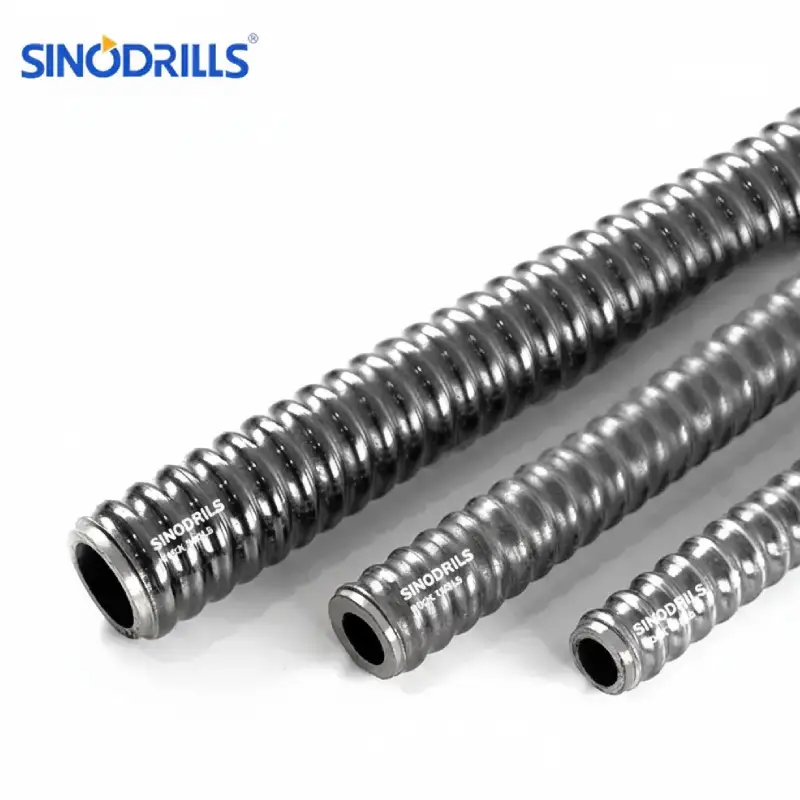
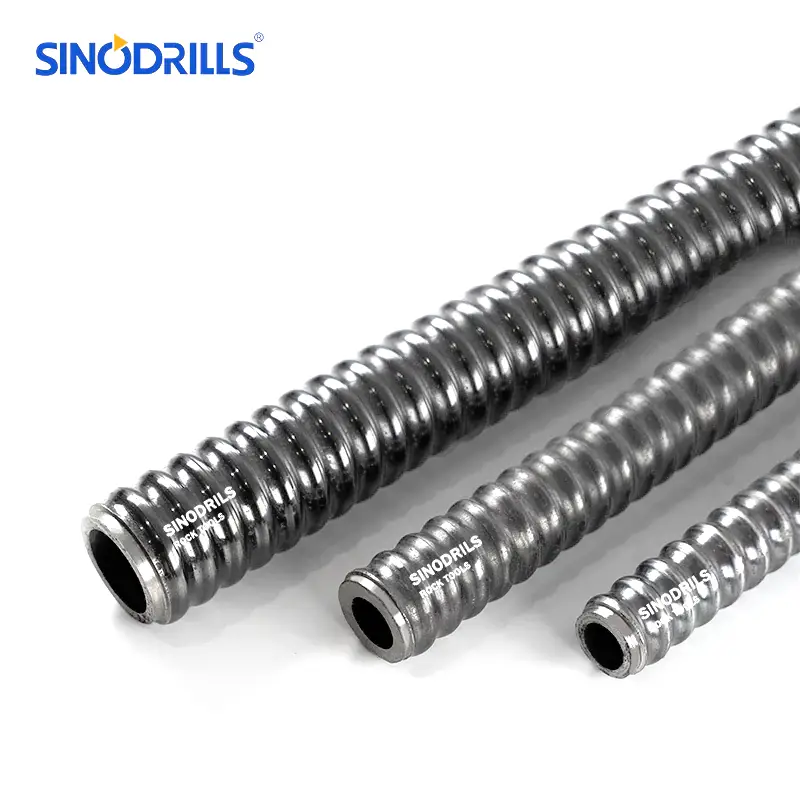
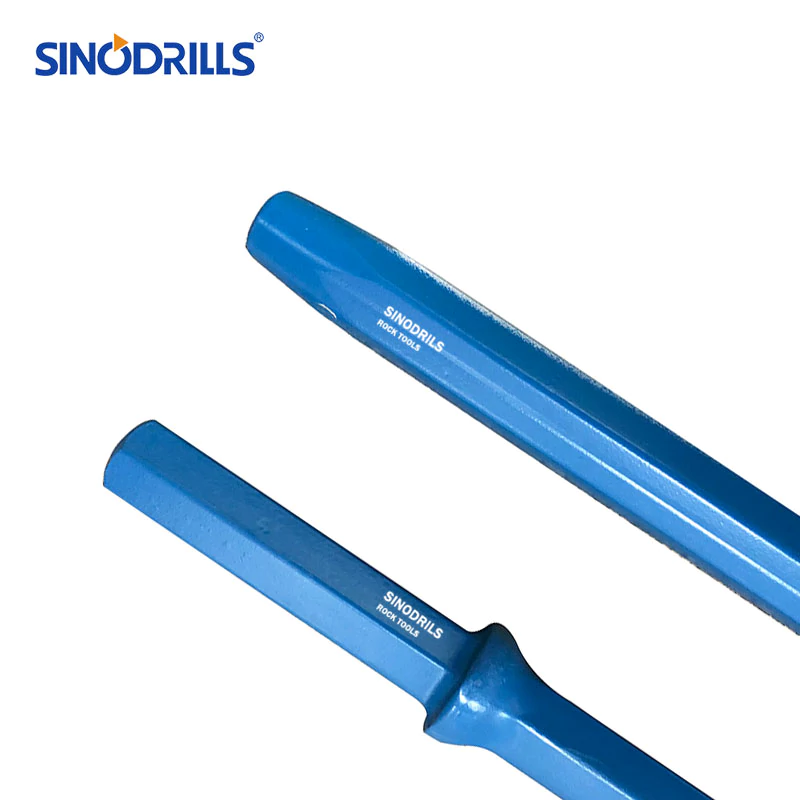
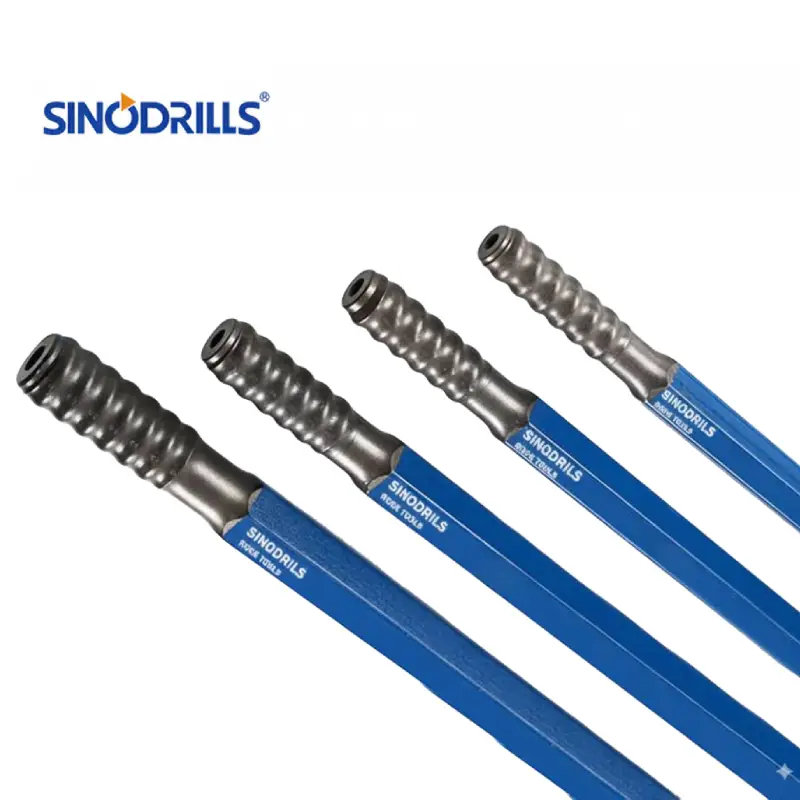
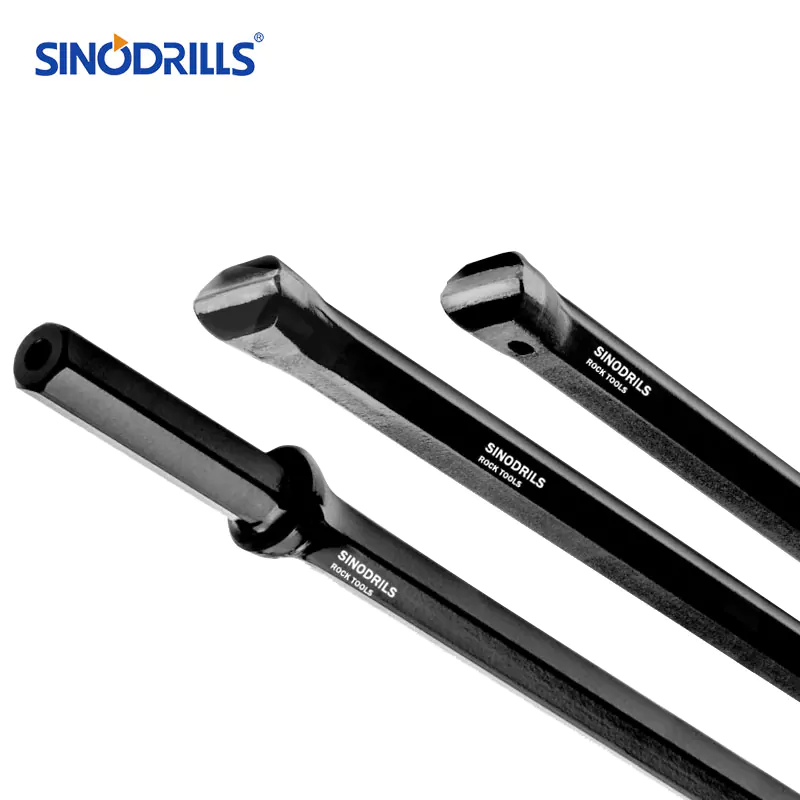
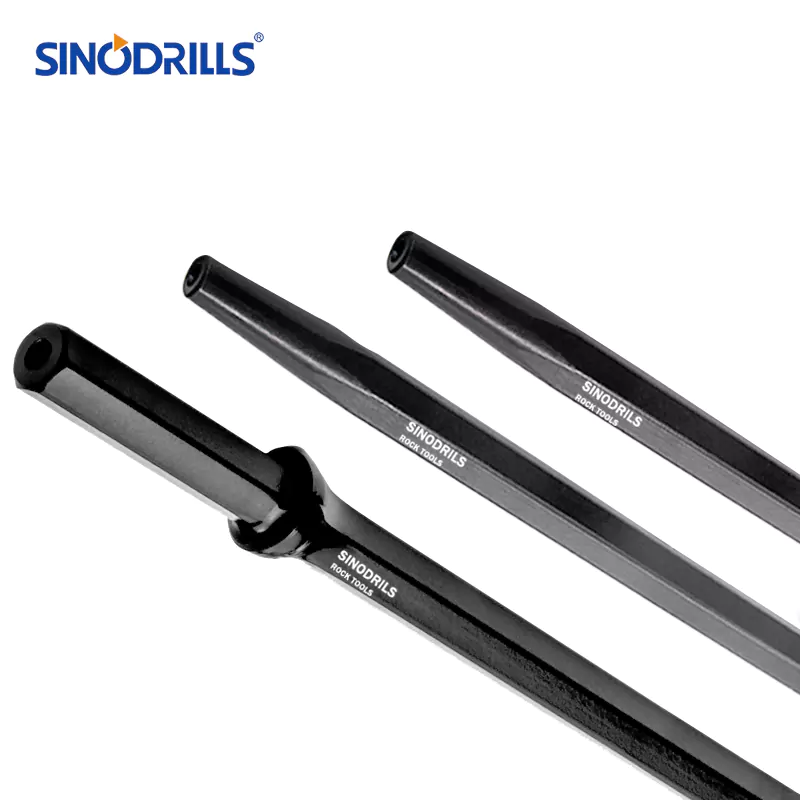
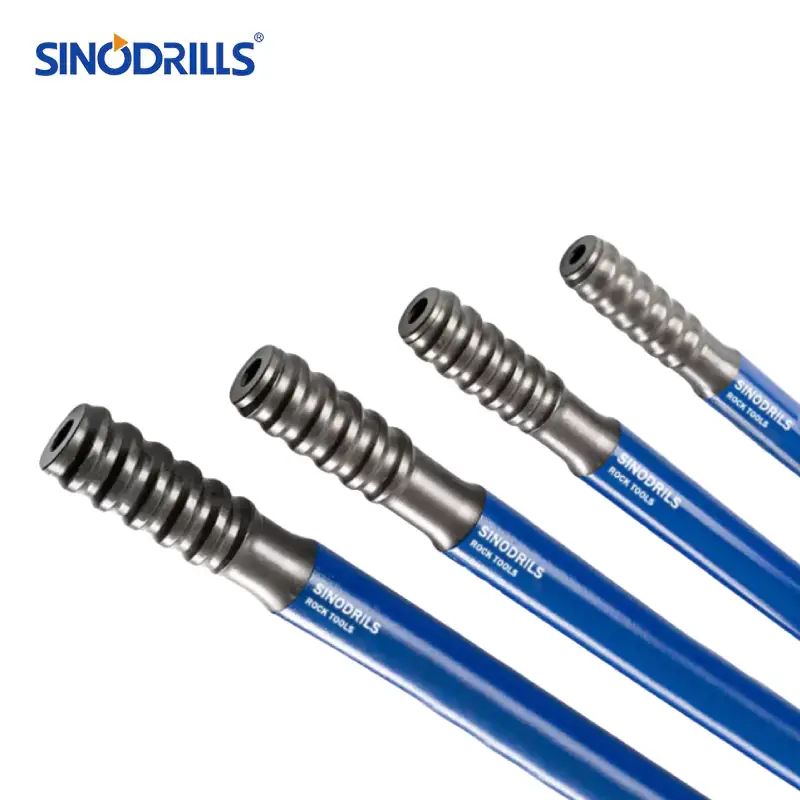
Mining roof bolts are ground support systems used to reinforce and stabilize the roof of underground mines.
They are installed into drilled holes to bind rock layers together, preventing roof falls and controlling rock movement. Roof bolts improve underground safety, maintain tunnel integrity, and support efficient mining operations in coal and hard rock mines.
Types of Mining Roof Bolts
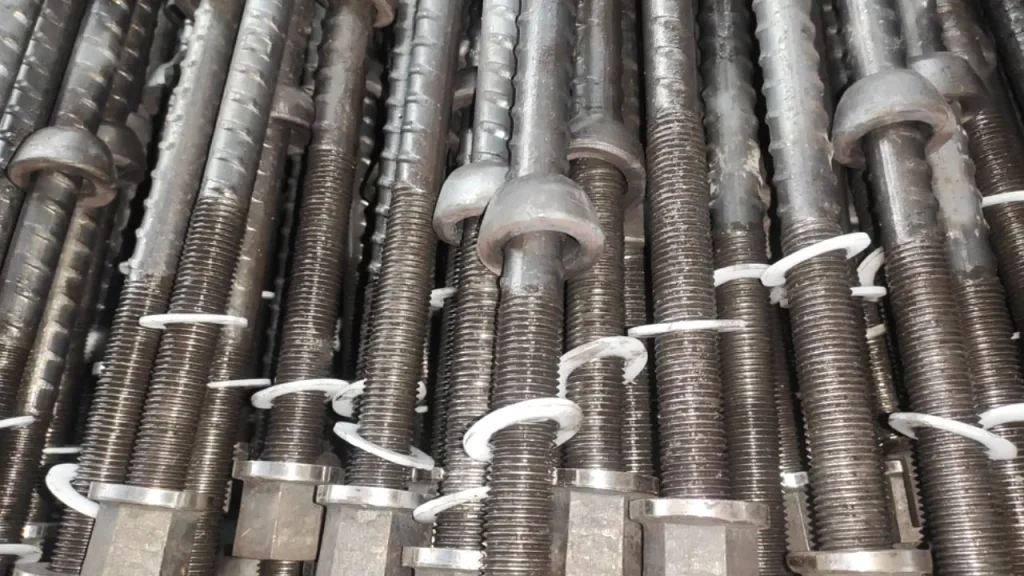
Mining roof bolts are available in different designs to suit varying geological conditions, support requirements, and installation methods. Each type offers unique performance characteristics for controlling rock movement and maintaining underground stability.
Understanding the main types of mining roof bolts helps engineers and operators select the most effective ground support system for safe, efficient mining operations.
Mechanical Anchor Roof Bolts
Mechanical anchor roof bolts rely on an expansion shell or anchor at the bolt end to grip the surrounding rock. Once tensioned, the anchor provides immediate support, making this bolt type suitable for relatively stable rock conditions.
These bolts are easy to install and allow for early roof control. However, their long-term performance depends on rock quality, as fractured or weak strata may reduce anchorage effectiveness over time.
Resin Anchored Roof Bolts
Resin anchored roof bolts use chemical resin to bond the bolt to the surrounding rock. The resin fills voids and cracks, creating strong load transfer and improved ground reinforcement in fractured formations.
This type provides excellent long-term stability and corrosion protection. Resin bolts are widely used in coal and hard rock mining where higher loads and improved roof control are required.
Friction Stabilizer Roof Bolts
Friction stabilizer roof bolts, often called split set bolts, rely on friction between the bolt and rock surface for support. They are driven into slightly smaller drill holes to create outward pressure.
These bolts offer fast installation and immediate support, making them ideal for temporary or supplementary ground control. They are commonly used in highly fractured rock or where rapid support is necessary.
Self Drilling Anchor Roof Bolts
Self drilling anchor roof bolts combine drilling, grouting, and anchoring into one process. A hollow bolt allows grout injection during drilling, making them effective in unstable or collapsing ground.
They provide strong bonding and consistent support in poor geological conditions. Self drilling bolts are widely used in mining areas where traditional drilling and bolting methods are difficult to apply.
How to Choose Mining Roof Bolts?
Choosing the right mining roof bolts is essential for maintaining underground safety and long-term ground stability. Geological conditions, mining methods, and load requirements all influence bolt performance. A clear selection process helps reduce roof failures, improve installation efficiency, and ensure reliable support throughout the mine’s operating life.
- Evaluate Ground Conditions – We analyze rock strength, fracture patterns, and stress levels to identify whether the roof is stable or highly fractured, helping select suitable bolt types, anchoring methods, and load capacities for effective and reliable long-term ground support.
- Select Proper Bolt Type – We choose between mechanical, resin, friction, or self drilling anchor bolts based on ground behavior, installation efficiency, and required support duration, ensuring the bolt system matches site conditions and operational demands.
- Determine Bolt Length and Diameter – We customize bolt dimensions according to roof thickness and stress conditions, ensuring anchorage reaches competent strata, improves load transfer, enhances stability, and avoids unnecessary material use or installation costs.
- Consider Material and Corrosion Protection – We select appropriate steel grades and surface treatments to resist moisture and corrosion, maintain mechanical strength, extend service life, and ensure consistent roof support performance in harsh underground mining environments.
What are Mining Roof Bolts?
Mining roof bolts are essential ground support systems used to stabilize underground mine roofs and prevent rock falls. They work by reinforcing rock layers, improving load distribution, and maintaining safe working conditions. Understanding their function helps mining operators design effective roof control systems for different geological environments.
- Primary Roof Support Function – Mining roof bolts secure loose rock layers by anchoring them to stronger strata above. This reinforcement limits roof separation, controls rock movement, and significantly reduces the risk of roof collapses in active mining areas.
- Improved Underground Safety – By stabilizing the mine roof, roof bolts create safer working spaces for miners and equipment. Consistent support reduces unexpected ground failures, enhances operational confidence, and supports continuous production in underground mining operations.
- Wide Range of Applications – Mining roof bolts are used in coal mines, hard rock mines, roadways, and access tunnels. Their adaptable designs allow installation under various geological conditions, mining depths, and support requirements.
- Flexible Design Options – Roof bolts are available in different lengths, diameters, materials, and anchoring methods. This flexibility allows engineers to select suitable configurations to match specific ground conditions and long-term support objectives.
Conclusion
Choosing mining roof bolts begins with a clear evaluation of ground conditions and support requirements. Rock quality, stress levels, and excavation size determine the most suitable bolt type and capacity. Proper selection improves anchorage performance, minimizes roof deformation, and creates safer working conditions throughout underground mining operations and long-term development stages.
Material quality and surface protection significantly affect roof bolt service life. Selecting the right steel grade and corrosion protection helps bolts resist moisture, chemicals, and mechanical stress. This reduces maintenance needs, lowers replacement frequency, and ensures consistent ground control in challenging underground environments over extended operating periods.
Partnering with a reliable supplier is essential for successful roof support systems. Sinodrills provides wholesale mining roof bolts with flexible customization, stable production, and strict quality inspection. Our solutions help mining projects achieve dependable ground support, efficient installation, and cost-effective performance across diverse underground applications worldwide.