
Custom Micropile Anchor Bolt Manufacturer in China
We offer custom micropile anchor bolts tailored to your project needs. Our products ensure reliable foundation support, easy installation, and long-lasting performance. We provide professional service, competitive pricing, and fast delivery to meet both industrial and construction requirements efficiently.
Sinodrills - Your Trusted Micropile Anchor Bolt Manufacturer from China
Sinodrills – your trusted micropile anchor bolt manufacturer from China, we offer premium, durable anchor bolts designed for reliable foundation support. Our products ensure easy installation, excellent load-bearing capacity, and long-lasting performance. We provide customized solutions, professional service, and timely delivery to meet diverse construction and industrial project needs.
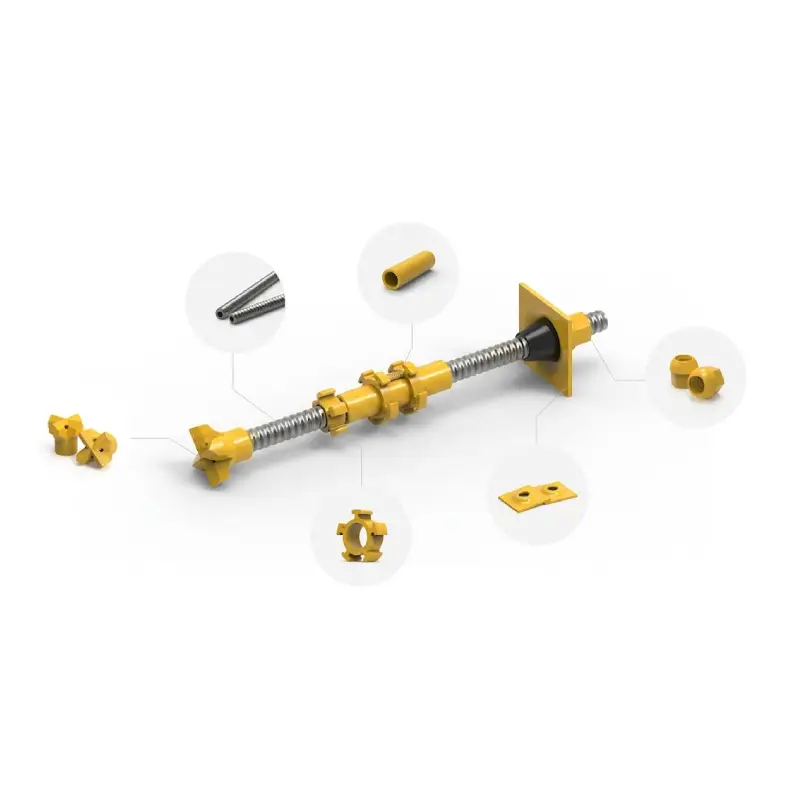
Micropile Anchor Bolt Benefits
- High Load-Bearing Capacity: Micropile anchor bolts provide strong support for foundations, transferring heavy structural loads safely to stable soil or rock, ensuring long-term stability and safety.
- Versatile Application: Suitable for various construction projects, including bridges, buildings, and retaining walls, micropile anchor bolts adapt to different soil conditions and structural requirements efficiently.
- Durable and Corrosion-Resistant: Made from high-quality steel, these bolts resist corrosion and wear, providing long-lasting performance even in harsh or outdoor environments.
- Easy Installation: Designed for quick and precise installation, micropile anchor bolts reduce construction time and labor costs, improving project efficiency and reliability.
- Minimal Site Disruption: Their compact design allows installation in limited or sensitive spaces, minimizing excavation, reducing environmental impact, and maintaining surrounding site integrity.
Micropile Anchor Bolt Components
- Slope Stabilization: These bolts are used to reinforce slopes and prevent landslides. By anchoring the soil, they improve stability and protect infrastructure in hilly or unstable terrains.
- Retaining Walls: Micropile anchor bolts secure retaining walls, resisting lateral soil pressure. They enhance wall durability, prevent deformation, and ensure long-term structural performance under heavy loads.
- Bridge and Infrastructure Projects: Used in bridge piers and other infrastructure foundations, micropile anchor bolts support heavy loads, resist vibration, and maintain structural safety in demanding environments.
- Seismic Reinforcement: They provide additional stability in earthquake-prone areas. Micropile anchor bolts strengthen existing structures, reduce movement, and help buildings withstand seismic forces effectively.
- Industrial Equipment Installation: Micropile anchor bolts are ideal for anchoring heavy machinery. They prevent vibrations, shifting, or loosening, ensuring safe and reliable operation in industrial facilities.
- Marine and Waterfront Structures: These bolts are used in docks, piers, and seawalls. They resist corrosion and provide secure anchoring, maintaining stability in harsh marine environments.
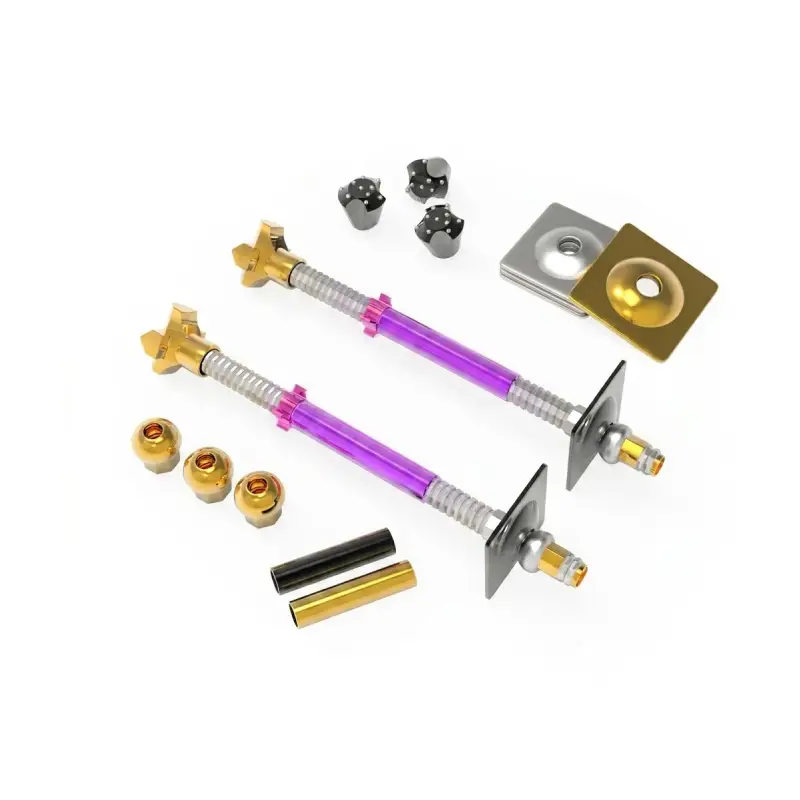
Various Micropile Anchor Bolt
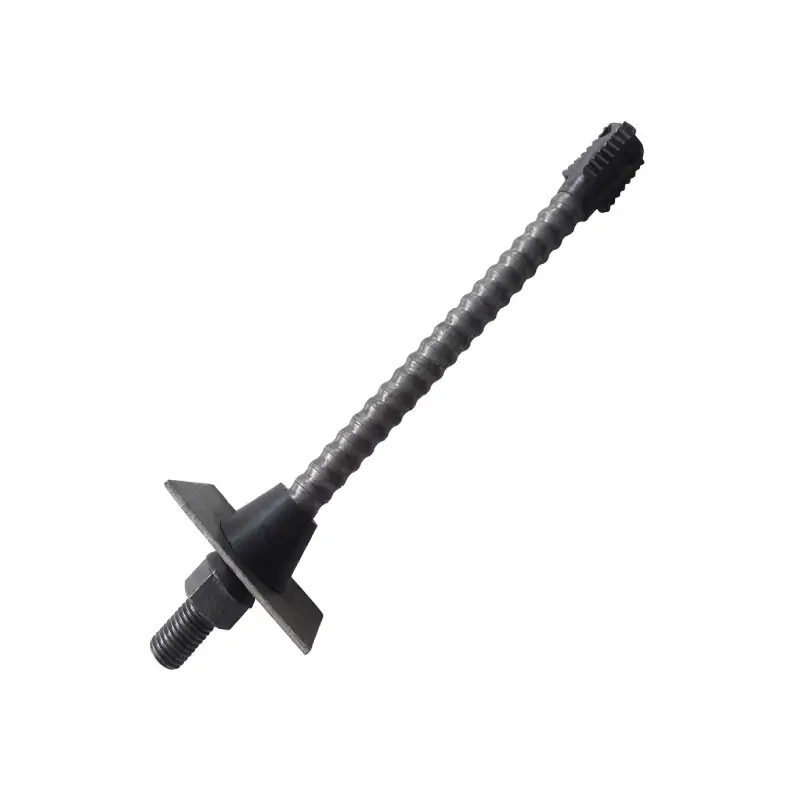
T76 micropile self drilling anchor bolts
T76 micropile self drilling anchor bolts, we offer durable bolts designed for reliable foundation support in construction projects. Easy to install, they provide excellent load-bearing capacity and long-lasting performance. Our T76 bolts ensure safety, stability, and efficiency, making them ideal for industrial, civil, and infrastructure applications.
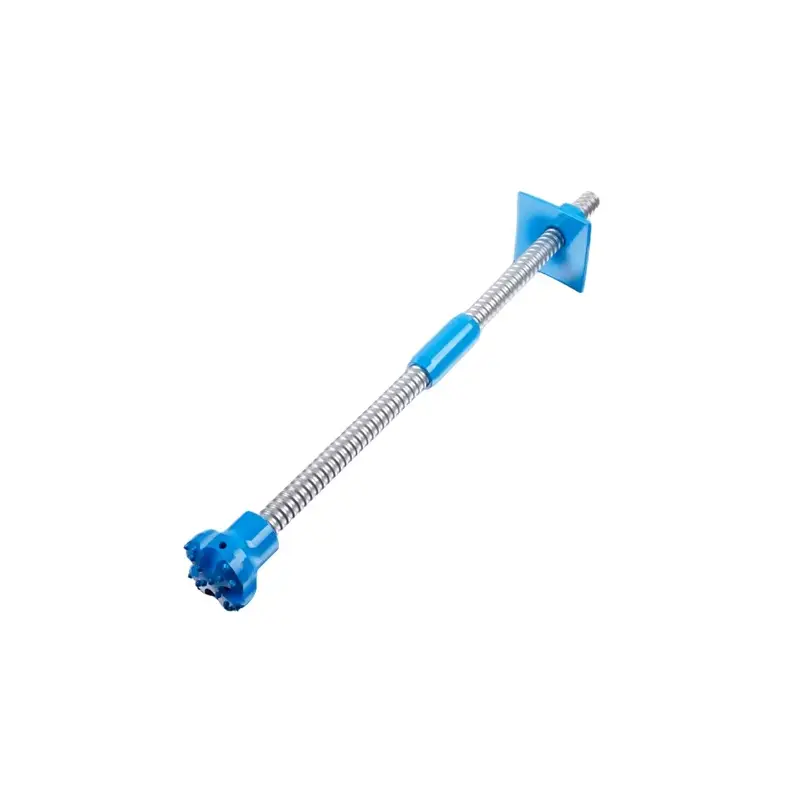
25mm micro-pile anchor bolt
We offer 25mm micro-pile anchor bolt designed for reliable foundation support. Easy to install and corrosion-resistant, they ensure strong load-bearing capacity for construction projects. Our products are suitable for various soil conditions and industrial applications, providing long-lasting performance, safety, and customized solutions to meet project needs.
Customize Your Desired Micropile Anchor Bolt
Material Selection
We help you choose the most suitable material for your anchor bolts, such as stainless steel or high-strength alloy. Selecting the right material ensures resistance to corrosion, extreme weather, and chemical exposure, providing long-lasting durability and stability for both industrial and construction applications.
Thread Type and Size
We customize the thread type and bolt size according to your project needs. Proper threading ensures secure installation, optimal torque, and compatibility with anchor nuts or couplers. This prevents loosening, enhances load-bearing capacity, and guarantees safety under vibration or dynamic conditions.
Length and Diameter
We adjust the length and diameter of the micropile anchor bolts to suit soil conditions and load requirements. Correct sizing improves anchoring strength, reduces settlement risk, and ensures the bolt can safely support heavy structures without deformation or failure.
Special Coatings and Treatments
We offer specialized coatings, such as galvanization or anti-corrosion treatments, to enhance bolt longevity in harsh environments. These treatments protect against rust, chemical damage, and moisture, ensuring reliable performance in marine, outdoor, or industrial installations.
what is micropile anchor bolt System?
A micropile anchor bolt system is a foundation reinforcement solution that combines small-diameter, high-strength bolts with self-drilling or grouted installation methods.
It provides secure anchoring for structures in weak or unstable soils, transferring loads deep into stable ground. This system ensures stability, reduces settlement, and supports buildings, bridges, retaining walls, and other critical construction projects.
what is micropile anchor bolt System used for?
A micropile anchor bolt system is widely used in construction and civil engineering projects to provide strong, stable, and reliable foundation support. It transfers structural loads deep into stable soil or rock, making it ideal for weak or uneven ground.
The self-drilling system enhances safety, prevents settlement, and ensures long-term structural integrity.
- Building Foundations: Micropile anchor bolt systems are used to reinforce building foundations, especially in areas with soft or unstable soil. They transfer loads to deeper, stable layers, preventing settlement and ensuring the structure remains level, safe, and durable over its lifetime.
- Bridge and Infrastructure Support: The self drilling anchor systems are applied in bridges, tunnels, and other infrastructure projects to provide high-load-bearing capacity. They resist vibrations, shifting, and environmental forces, ensuring that critical structures remain stable, safe, and operational even under heavy traffic or adverse conditions.
- Slope Stabilization and Retaining Walls: Micropile anchor bolt systems secure slopes and retaining walls, preventing landslides and soil erosion. They anchor soil or rock layers, distribute loads evenly, and enhance structural stability in hilly or unstable terrains, reducing the risk of property damage.
- Seismic Reinforcement: In earthquake-prone areas, micropile anchor bolt systems strengthen existing structures. They provide additional support to foundations, reduce movement during seismic activity, and help buildings withstand earthquakes, improving safety and minimizing structural damage during natural disasters.
- Industrial Equipment Installation: These systems are also used to anchor heavy machinery in factories and industrial facilities. By providing vibration resistance and secure footing, micropile anchor bolts ensure reliable operation, reduce maintenance needs, and prevent machinery from shifting or loosening over time.
how to install micropile self drilling anchor bolts?
Installing micropile self-drilling anchor bolts requires careful planning, proper tools, and step-by-step execution to ensure a secure and durable foundation connection.
Correct installation ensures maximum load-bearing capacity, reduces settlement risks, and maintains structural stability for construction and industrial projects.
Tools Needed
- Drill machine with compatible bits
- Wrenches and torque tools
- Safety gloves and goggles
- Measuring tape and level
- Anchoring couplers or nuts
- Cleaning brush or compressed air
Step 1: Site Preparation
Before installation, we assess and prepare the site by clearing debris, marking anchor positions, and ensuring the surface is level. Accurate placement is essential to align bolts with the design plan. Preparation reduces installation errors, ensures correct load distribution, and improves long-term performance of the micropile system.
Step 2: Drilling the Pilot Hole
We drill a pilot hole at the marked position using a suitable drill bit. The hole depth and diameter are selected based on soil conditions and bolt specifications. Proper drilling ensures that the bolt will anchor securely into stable soil or rock, maximizing structural support and reducing settlement.
Step 3: Inserting the Anchor Bolt
We insert the micropile self-drilling anchor bolt into the drilled hole, ensuring it is aligned vertically and seated properly. Proper insertion guarantees even load distribution along the bolt and provides a stable connection between the structure and foundation, enhancing safety and reducing the risk of movement.
Step 4: Securing with Couplers or Nuts
We secure the anchor bolt using anchor nuts or couplers, tightening them to the recommended torque. This step ensures the bolt remains fixed under load, prevents loosening due to vibration, and provides a durable, long-lasting foundation connection for buildings, bridges, or heavy machinery installations.
Step 5: Final Inspection
We perform a final inspection to verify bolt alignment, torque, and overall installation quality. Any deviations are corrected immediately. This ensures that the micropile anchor bolt system meets design specifications, provides reliable structural support, and maintains safety and performance over the long term.
Send Your Inquiry Now
All-in-one Micropile Anchor Bolt Solutions for Your Project
We customize durable micropile bolts designed to provide strong foundation support and stability. We deliver customized options to meet different soil conditions and load requirements, ensuring easy installation, long-lasting performance, and reliable safety for construction, industrial, and infrastructure projects.