
A suck rod is a vital component in oil and gas production, transferring motion between the surface pump and the downhole equipment. It plays a crucial role in ensuring fluid is efficiently lifted from the well. Understanding its function, types, and maintenance is key for optimizing oil extraction processes.
In this ultimate guide to suck rods, we explore everything from their materials and applications to how they are selected based on well conditions. Whether you are a novice or an experienced professional, this guide will provide you with all the information you need to make informed decisions for your projects in 2026.
What is a Sucker Rod?
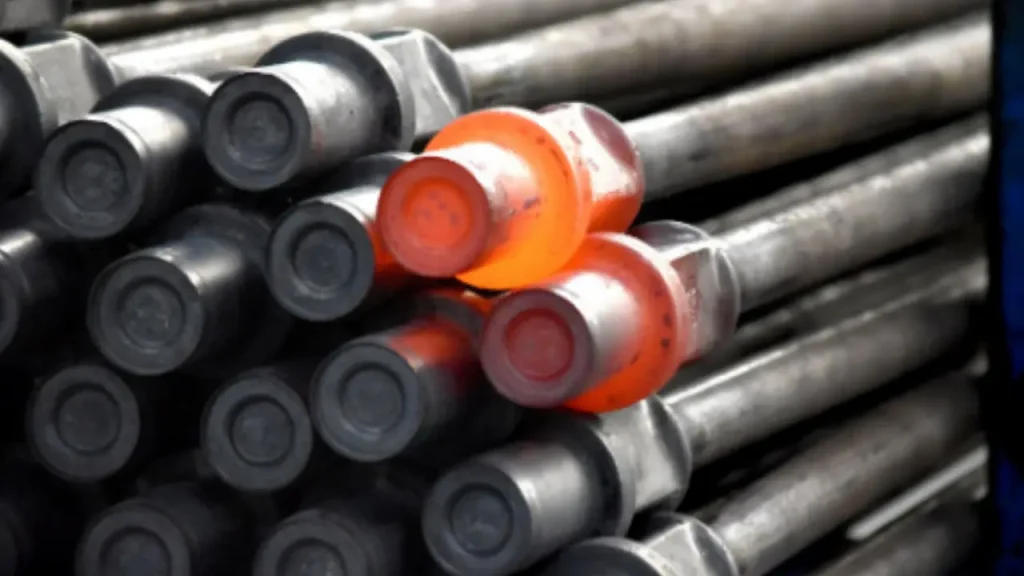
A sucker rod is a long, slender steel rod used in oil and gas drilling operations to connect the surface pump to the downhole pump. It transmits mechanical energy to lift fluids from the well to the surface. Sucker rods are designed for durability, flexibility, and resistance to wear, corrosion, and fatigue, ensuring efficient production.
How Sucker Rods Work?
Sucker rods function by transmitting mechanical energy from the surface pump to the downhole pump, enabling the lifting of fluids from deep wells. Their continuous motion facilitates fluid extraction, ensuring consistent production.
The motion of the rod is driven by a prime mover, typically a motor or engine, at the surface.
- Energy Transmission: Sucker rods receive mechanical energy from the surface pumping unit, which is transmitted down the rod string to the pump jack below. This energy causes the pump to lift fluids from the wellbore to the surface.
- Reciprocating Motion: The sucker rod moves in a reciprocating motion, transferring this back-and-forth movement to the downhole pump. This motion enables the fluid to flow upward through the casing or tubing of the well to the surface.
- Fluid Lifting: As the sucker rod moves downward, it drives the downhole pump plunger, creating a vacuum that draws fluid from the reservoir. On the upward stroke, the fluid is pushed to the surface, ensuring continuous lifting and production.
- Well Pressure Management: Sucker rods help manage the internal well pressure by ensuring smooth fluid movement, preventing over-pressurization. This is essential for maintaining well stability, preventing blowouts, and ensuring safe operation throughout the life of the well.
What is Sucker Rod Made of?
A sucker rod is primarily made of steel, chosen for its strength, durability, and ability to withstand the harsh conditions of oil and gas wells. The material composition ensures long-term performance and reliability under the stress of continuous motion and corrosion. Various alloys and coatings may be used to enhance its properties.
- Carbon Steel: Commonly used for its strength and affordability, carbon steel sucker rods are effective in low to medium-corrosive environments. However, they may require additional protection against severe wear.
- Alloy Steel: This material provides increased strength and resistance to corrosion, making it ideal for harsher well conditions. Alloy steel rods can handle higher stress and improve service life.
- Corrosion-Resistant Coatings: To further extend the rod’s lifespan, special coatings, such as chrome plating, are applied. These coatings enhance resistance to corrosion, making them suitable for more aggressive environments like high-sulfur wells.
- Composite Materials: Some modern sucker rods are made from composite materials, which offer reduced weight and increased flexibility. These are especially useful in deeper wells where flexibility and reduced fatigue are essential.
What is a Sucker Rod Used for?
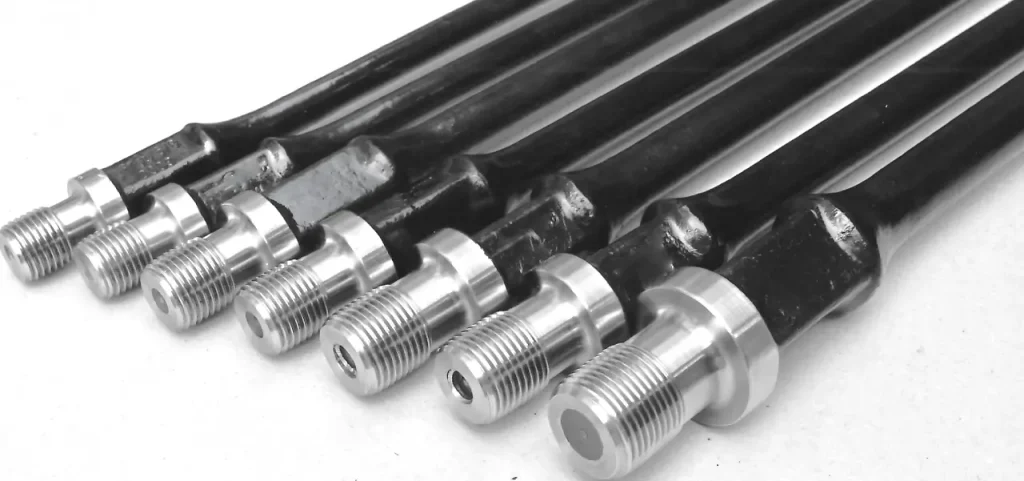
A sucker rod is primarily used in the oil and gas industry to connect surface pumping units with downhole pumps, facilitating the lifting of fluids from deep wells to the surface. It plays a crucial role in maintaining continuous flow in production systems, ensuring efficient oil extraction in various well conditions.
- Fluid Lifting: The main function of a sucker rod is to lift fluids, including oil, gas, and water, from the well to the surface. The rod’s motion is critical for maintaining consistent production rates in wells of different depths.
- Wellbore Integrity: By providing steady motion to the downhole pump, the sucker rod helps maintain the integrity of the wellbore. It prevents sediment buildup and minimizes the risk of blockages, ensuring smooth production.
- Energy Transmission: Sucker rods transmit mechanical energy from the surface pump to the downhole pump. This energy transfer is vital for the operation of rod pumps, especially in wells requiring artificial lift systems for fluid extraction.
- Pressure Control: Sucker rods are designed to handle significant pressure, ensuring that fluid is lifted safely and efficiently. They help manage pressure variations during extraction, preventing system failures or equipment damage during operation.
Types of Sucker Rods
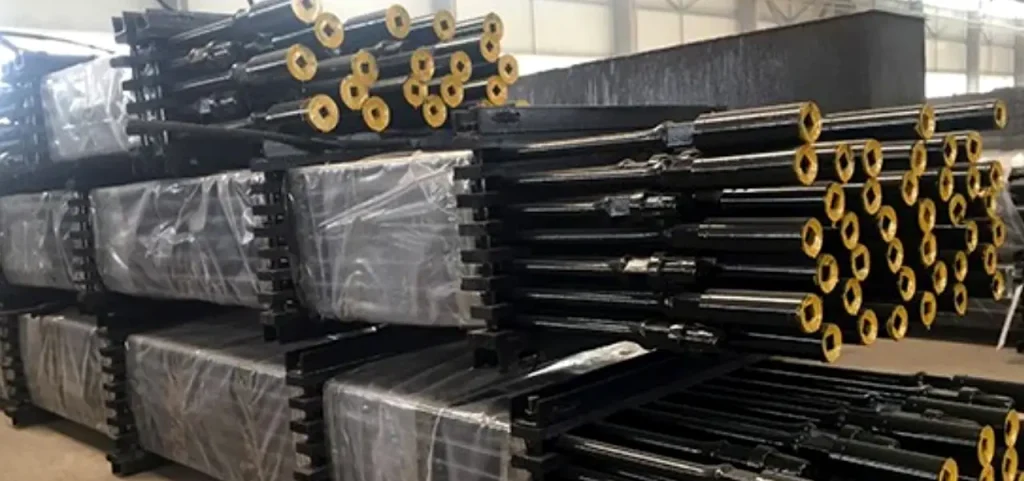
There are various types of sucker rods designed to meet different operational requirements in the oil and gas industry. The selection of the appropriate type depends on factors such as well depth, fluid composition, and environmental conditions.
Each type is engineered for specific performance needs, ensuring efficient fluid lifting and system durability.
- Standard Steel Sucker Rods: These are the most commonly used rods due to their cost-effectiveness and reliable performance in moderate conditions. They are typically made from carbon steel and are suitable for shallow wells and less corrosive environments. Regular maintenance is needed to avoid corrosion over time.
- Alloy Steel Sucker Rods: Alloy steel rods offer increased strength, corrosion resistance, and durability, making them ideal for deeper wells or harsh environments. These rods are more resistant to wear, fatigue, and corrosive elements such as hydrogen sulfide, ensuring longer service life in extreme conditions.
- Corrosion-Resistant Sucker Rods: Coated with special alloys or materials such as stainless steel, these rods are designed for use in highly corrosive wells, including those with high saline or acidic fluids. The enhanced coating prevents rusting and extends the rod’s lifespan under aggressive conditions.
- Composite Sucker Rods: Made from composite materials such as fiberglass or polymer blends, these rods are lighter and more flexible than traditional steel rods. They are ideal for wells with complex geometries and environments that require enhanced flexibility to reduce fatigue and prevent breakage in deep or deviated wells.
How to Choose Suitable Sucker Rods?
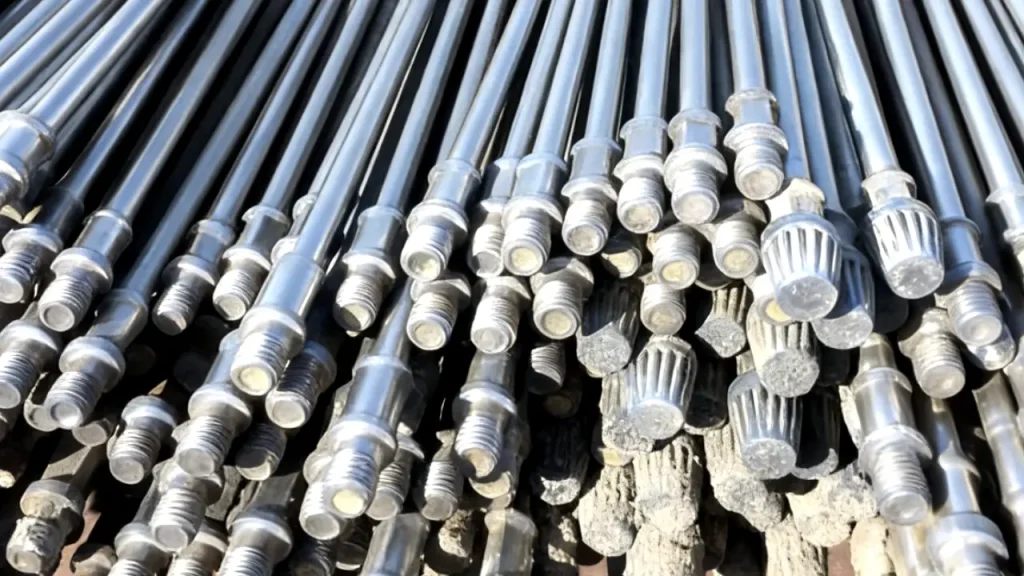
Choosing suitable sucker rods is crucial for optimizing well performance and minimizing downtime. Factors such as well depth, fluid type, and environmental conditions all play a role in selecting the right sucker rod. Proper material selection and design ensure the rod can handle the stress and provide long-term durability in production systems.
- Well Depth: The depth of the well directly impacts the strength and length of the sucker rod required. Deeper wells require rods with greater tensile strength and flexibility to withstand the increased stress during fluid lifting and to prevent fatigue over time.
- Fluid Type: The type of fluid being lifted (oil, water, or gas) affects the choice of sucker rod material. For corrosive or abrasive fluids, corrosion-resistant coatings or alloy steel rods are recommended to prevent premature wear and ensure long-lasting performance in harsh environments.
- Environmental Conditions: Consideration of temperature, pressure, and corrosive elements in the well environment is essential. For extreme conditions, such as high-pressure or high-temperature wells, rods made from specialized alloys or composite materials are often necessary to maintain optimal performance and avoid damage.
- Rod Flexibility: The flexibility of the rod is essential in wells with irregular or curved boreholes. More flexible rods help reduce fatigue and prevent breakage, especially in deeper wells or wells with significant vertical displacement.
Conclusion
Suck rods are indispensable in the oil extraction process, providing reliable and continuous motion that ensures efficient fluid lifting. By choosing the right materials and maintaining them properly, operators can significantly improve their well’s output and reduce downtime.
It’s essential to consider factors like rod strength, corrosion resistance, and flexibility when selecting suck rods. These characteristics will directly impact the rod’s performance and longevity, ensuring that the entire system operates smoothly. Regular inspections and proper maintenance are also critical to avoid costly repairs and downtime.
For the best quality and custom solutions, get your wholesale sucker drilling rods from Sinodrills. We provide durable, high-performance rods designed for various well conditions, ensuring optimal performance and cost-efficiency for your operations.