
In geographic drilling, two common techniques—Push the Bit and Point the Bit—play a crucial role in determining the direction and efficiency of a wellbore. Both methods are employed to achieve precise drilling paths, but they vary significantly in terms of operational mechanics and outcomes. Understanding these differences is key to selecting the most effective method for each project.
Push the Bit and Point the Bit are integral to directional drilling, particularly in challenging terrains and varying geological conditions. As geographic drilling becomes more complex, knowing when and how to apply each technique can impact the speed, cost, and safety of the drilling process. This blog will explore their core differences and applications.
What is a Push the Bit?
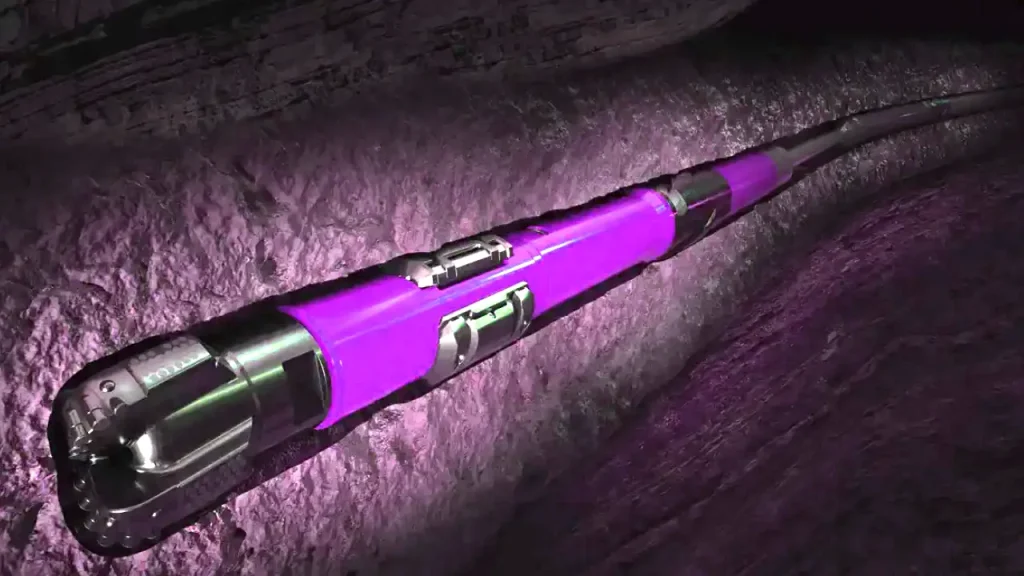
A Push the Bit is a directional drilling technique used to steer the drill bit in the desired direction by applying force directly behind the bit. This method offers precise control over wellbore trajectory, especially in horizontal or complex drilling applications. It is commonly used for projects requiring high directional accuracy.
Applications of Push the Bit:
- Horizontal Drilling: Push the Bit is ideal for drilling horizontal wells, especially in tight or unconventional reservoirs. The method allows precise control over the well path, ensuring the bit follows a specific horizontal trajectory to reach target zones efficiently.
- Shallow Water Drilling: In shallow water drilling, Push the Bit ensures accurate wellbore positioning and direction. This method helps avoid potential issues such as loss of circulation or deviation, making it highly suitable for offshore or coastal drilling operations.
- Complex Geological Formations: When drilling through difficult geological conditions, Push the Bit offers greater control over wellbore path. Its ability to apply constant force behind the bit minimizes the risk of well deviation, ensuring optimal penetration through hard or unpredictable formations.
- Multi-Lateral Wells: In multi-lateral well construction, Push the Bit is used to create wellbore branches with precise angles. This technique ensures that lateral wells are drilled at the correct inclination and orientation, improving resource extraction and minimizing wellbore interference.
What is a Point the Bit?
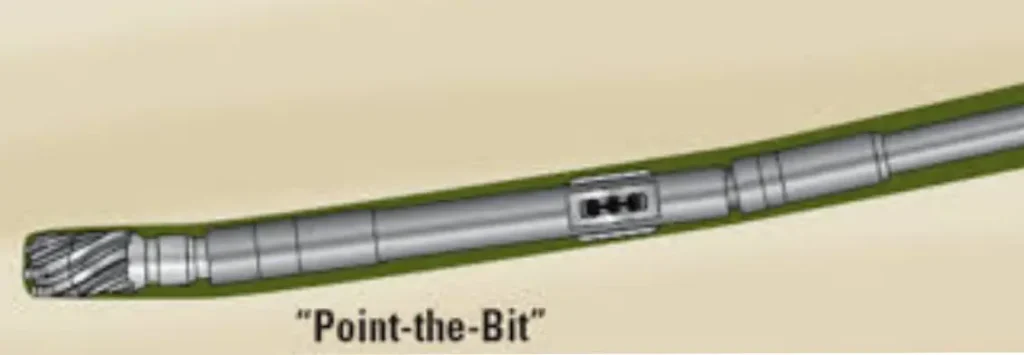
A Point the Bit is a directional drilling technique where the drilling assembly is aligned to guide the bit in the desired direction. The method relies on the bit’s inclination and the angle of attack to steer the wellbore. It’s commonly used for more straightforward drilling tasks or where less precise control is required.
Applications of Point the Bit:
- Vertical Wells: Point the Bit is ideal for drilling vertical wells where precise directional control is not as critical. The technique helps in keeping the drill bit straight, making it a cost-effective choice for simple, conventional well designs.
- Shallow Depth Drilling: In shallow depth drilling operations, Point the Bit offers an efficient way to maintain a straight trajectory. It’s suitable for projects with lower complexity, where advanced directional control methods like Push the Bit are not necessary.
- Conventional Oil and Gas Fields: Point the Bit is commonly used in conventional oil and gas fields, where drilling through homogenous formations is standard. It provides a straightforward solution for maintaining a steady path, especially when there is little deviation needed.
- Cost-Effective Projects: For budget-conscious projects with less need for complex drilling paths, Point the Bit offers a more economical alternative. Its simplicity reduces the requirement for high-tech tools, making it ideal for cost-effective drilling in less challenging conditions.
Push the Bit vs Point the Bit
Push the Bit and Point the Bit are two directional drilling techniques that help guide the drill bit in the desired direction. Each method has unique advantages, depending on the complexity of the project, well type, and geological conditions.
Understanding the key differences between these techniques is essential for optimizing drilling performance and efficiency in various applications.
Steering Mechanism
Push the Bit: Push the Bit utilizes a system that applies force directly behind the drill bit, pushing it in the desired direction. This method offers precise control over the drill bit’s trajectory, making it ideal for horizontal and high-precision drilling projects.
Point the Bit: Point the Bit relies on the inclination and geometry of the drill bit to guide it in the right direction. The technique is simpler and provides less control compared to Push the Bit, making it suitable for vertical drilling or simpler directional needs.
Precision and Control
Push the Bit: One of the primary advantages of Push the Bit is its ability to maintain high levels of precision, especially in challenging drilling environments. By applying controlled force directly behind the bit, it ensures minimal deviation from the intended well path.
Point the Bit: While Point the Bit is effective for standard drilling tasks, it lacks the same level of precision. It’s best used in simpler well designs where directional control is less critical, making it less reliable in complex or variable formations.
Efficiency
Push the Bit: Push the Bit offers superior efficiency, especially when drilling in complex or hard-to-reach formations. By maintaining a consistent trajectory and reducing the number of required adjustments, it helps optimize drilling time and costs in advanced projects.
Point the Bit: Point the Bit is more efficient in simpler drilling operations, especially when drilling vertically or through homogeneous formations. It requires fewer tools and simpler equipment, reducing operational costs and complexity for less demanding tasks.
Applications
Push the Bit: Push the Bit is commonly used in horizontal drilling, multi-lateral wells, and deepwater or offshore applications. Its precise directional control makes it a preferred choice for complex geological conditions and when wellbore accuracy is a top priority.
Point the Bit: Point the Bit is often used for vertical wells, shallow drilling, and conventional oil and gas fields. It’s also suitable for projects where high-precision control is not as critical, allowing for a more cost-effective and straightforward drilling solution.
Cost and Complexity
Push the Bit: Due to its advanced technology and precision, Push the Bit systems are generally more expensive and complex to operate. They require specialized equipment and personnel trained to handle the system’s advanced controls, increasing upfront costs.
Point the Bit: Point the Bit is more cost-effective and simpler to operate. It requires fewer components and less sophisticated technology, making it a more affordable choice for standard, low-complexity drilling projects.
| Aspect | Push the Bit | Point the Bit |
|---|---|---|
| Steering Mechanism | Direct force behind the bit | Bit inclination and geometry |
| Precision and Control | High precision, minimal deviation | Less precision, simple control |
| Efficiency | High efficiency in complex drilling | More efficient in simple tasks |
| Applications | Horizontal, multi-lateral, deepwater | Vertical, shallow, conventional |
| Cost and Complexity | Higher cost, more complex | Lower cost, simpler operation |
How to Choose Push the Bit and Point the Bit?
Choosing between Push the Bit and Point the Bit depends on several factors, including the well’s design, geological conditions, and the required precision. Each technique has distinct advantages, making it crucial to assess your project’s specific needs before making a decision. Below are key considerations to help guide your choice.
- Well Type: Push the Bit is ideal for horizontal and complex wells, providing greater control over direction. Point the Bit is more suitable for vertical wells, where precision is less critical and simpler techniques can be used to maintain a steady path.
- Geological Conditions: If you’re drilling through challenging formations with varying hardness, Push the Bit provides better control and minimizes deviation. Point the Bit works well in homogeneous, consistent formations, where complex directional control is not required, offering a simpler, more cost-effective solution.
- Precision Needs: For projects that demand high precision, such as multi-lateral wells or offshore drilling, Push the Bit is the best option. Point the Bit is suitable for less demanding applications, where slight deviations are acceptable, and cost-efficiency is prioritized over pinpoint accuracy.
- Drilling Efficiency: Push the Bit allows for faster and more efficient drilling in complex wells due to its superior directional control. Point the Bit is more efficient for straightforward vertical or shallow drilling, where advanced directional tools are not necessary, leading to faster and simpler operations.
- Cost Considerations: Push the Bit systems are more expensive due to their advanced technology and equipment. Point the Bit is more affordable, making it a better choice for projects with lower budgets or less technical complexity. Choose based on your project’s budget and technological requirements.
Conclusion
Both Push the Bit and Point the Bit offer distinct advantages in geographic drilling, depending on the type of wellbore and geological formation. Push the Bit provides better control over directional changes, offering increased precision in complex drilling projects. Meanwhile, Point the Bit is often used for simpler applications with less directional flexibility.
Choosing the right method can significantly improve drilling efficiency and cost-effectiveness. By assessing the well’s design, rock formations, and project goals, drillers can determine which technique best meets the job’s demands. Ultimately, using the right approach will ensure smoother operations and faster completion times.
To ensure the best performance in your drilling projects, get wholesale drilling tools from our Sinodrills. We provide high-quality, durable equipment that enhances the efficiency and safety of both Push the Bit and Point the Bit techniques. Contact us for more information on our full range of drilling tools and services.