
Deep hole drilling plays a crucial role in tunneling projects, requiring precision and advanced techniques to ensure safety and structural integrity. It is essential to understand the best practices involved, including equipment selection, drilling methods, and safety protocols to navigate complex underground conditions.
By focusing on quality control and the use of specialized drilling tools, projects can avoid common pitfalls and optimize performance. This blog will delve into the best practices for deep hole drilling, offering insights into the latest technologies and techniques used in the tunneling industry.
What is Deep Hole Drilling in Tunneling?
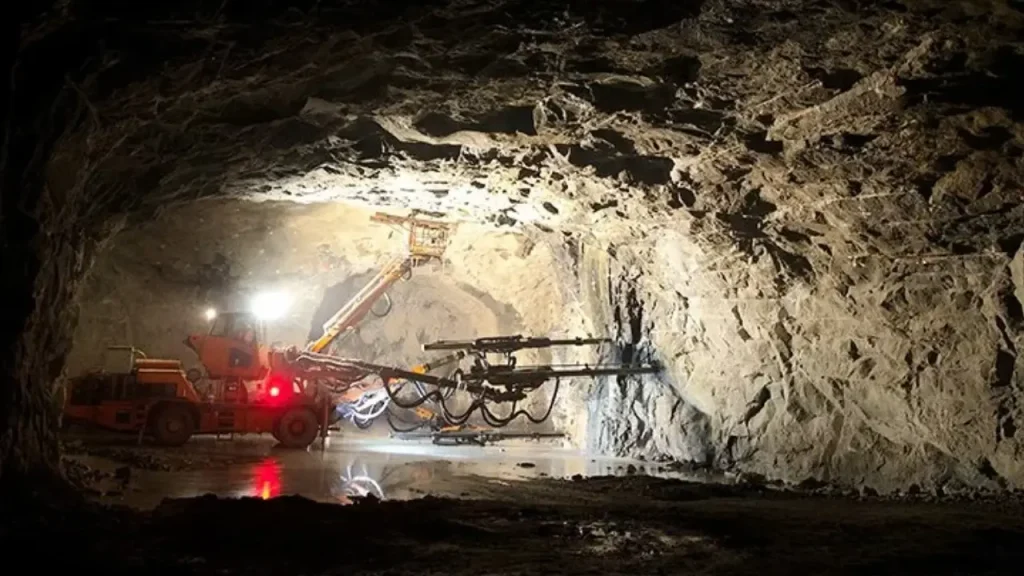
Deep hole drilling in tunneling refers to the process of drilling boreholes into the earth’s surface to create tunnels, shafts, or passages in underground projects. It involves the use of specialized equipment and techniques to reach significant depths, typically through hard rock or varying soil layers. This method is essential for ensuring structural integrity, ventilation, and utilities in tunneling projects.
The drilling process requires precision and advanced technology to overcome challenges such as varying rock hardness, water ingress, and high-pressure conditions. Deep hole drilling also aids in geological exploration and excavation, providing valuable data for tunnel design. Accurate hole placement and depth control are critical to ensure tunnel alignment, safety, and efficient tunneling operations.
Deep Hole Requirements in Tunneling
Deep hole drilling in tunneling projects requires specific technical and equipment considerations to ensure success. The challenges posed by underground conditions demand precise planning and the use of drilling tools to meet safety and performance standards.
- Accurate Drilling: Precision is critical for aligning tunnels with exact specifications. Using advanced drill rigs helps achieve the necessary depth and orientation, avoiding costly errors. Ensures that the tunnel structure remains aligned with the design, minimizing deviations that could lead to future complications or costly adjustments.
- Geological Assessment: The geological conditions of the area must be thoroughly assessed before drilling begins to ensure the correct approach is used. This includes understanding rock hardness and soil composition. Provides essential data for selecting the most appropriate drilling methods and tools, preventing unexpected drilling difficulties or equipment damage during the process.
- Safety Protocols: Safety is paramount in deep hole drilling for tunneling projects, as it involves navigating through potentially hazardous underground environments. Implementing proper safety measures, such as ventilation and structural reinforcement, reduces the risk of accidents, ensuring worker safety and compliance with industry regulations.
Deep Hole Drilling Methods in Tunnelling
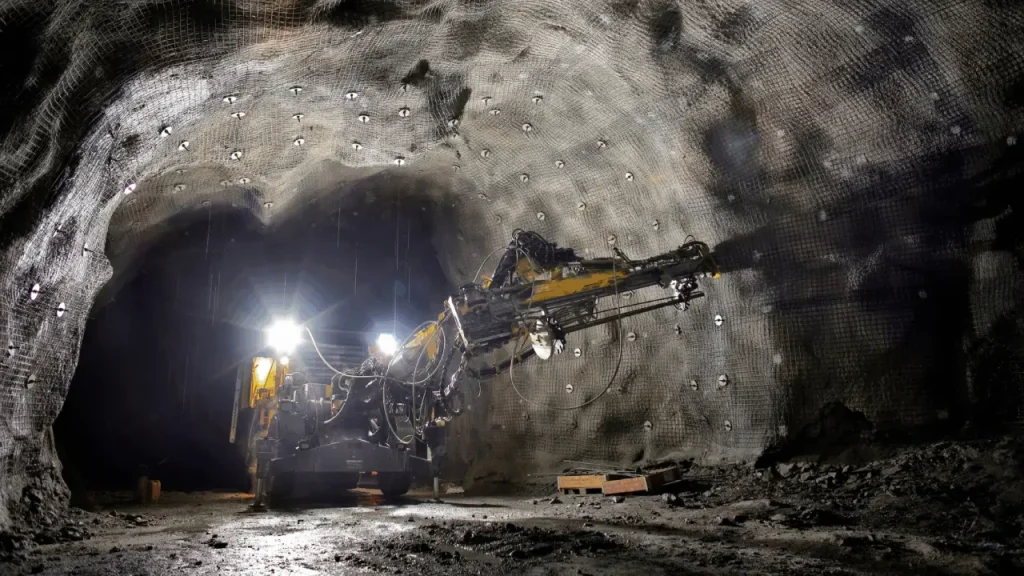
Deep hole drilling in tunneling projects involves various methods tailored to specific geological conditions. Choosing the right technique is essential for optimizing efficiency, minimizing risks, and ensuring tunnel integrity.
Below are the primary drilling methods used in tunneling.
- Rotary Drilling: This method involves rotating a drill bit to break through rock and soil layers. It’s widely used for deep holes, especially in hard rock. Rotary drilling allows for precise depth control and is effective in navigating through challenging geological formations. Provides continuous, efficient drilling, making it ideal for long tunnel sections. It also allows for real-time adjustments to the drilling process, minimizing delays.
- Percussion Drilling: Using repeated impacts, percussion drilling is effective for breaking through tough rock layers. It is often used in combination with rotary drilling for greater versatility in varying soil conditions. The high-impact force enables penetration in dense rock formations that might otherwise resist drilling. Perfect for dealing with highly compacted materials, it ensures faster drilling progress when softer methods fail. Combining percussion and rotary drilling maximizes productivity in diverse terrains.
- Down-the-Hole Hammer Drilling: A more specialized technique, DTH drilling uses a hammer at the drill bit to directly impact the material below. It is particularly useful in deep drilling, where high efficiency and precision are needed. This method provides better penetration, even in fractured rock layers. Delivers enhanced energy efficiency compared to traditional percussion methods. It minimizes wear on the equipment while maintaining consistent drilling performance in challenging geological conditions.
Rock Drill Bits for Deep Hole Drilling
Rock Drill Bits for Deep Hole Drilling
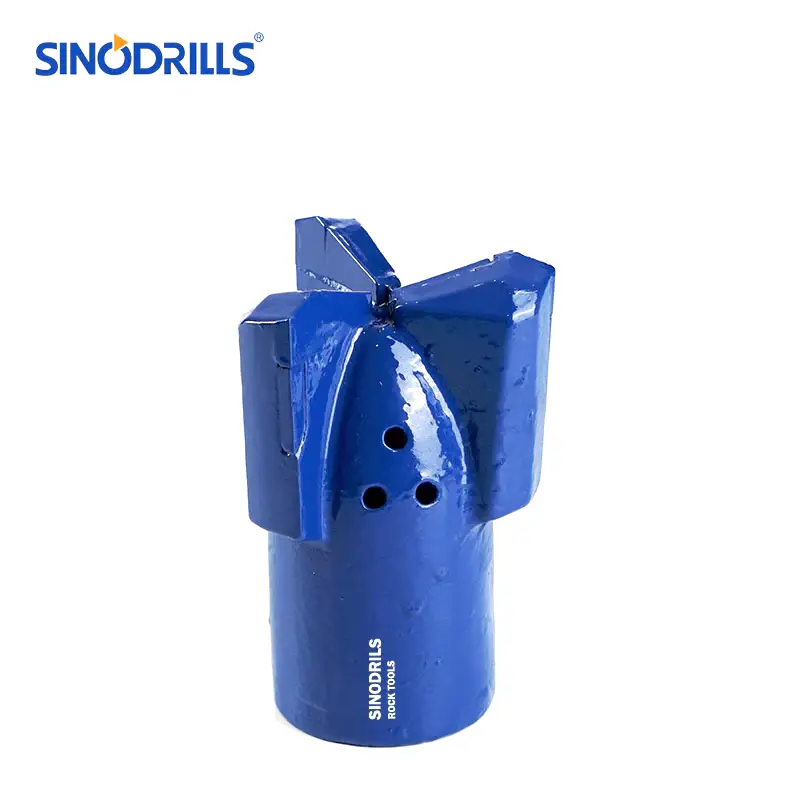
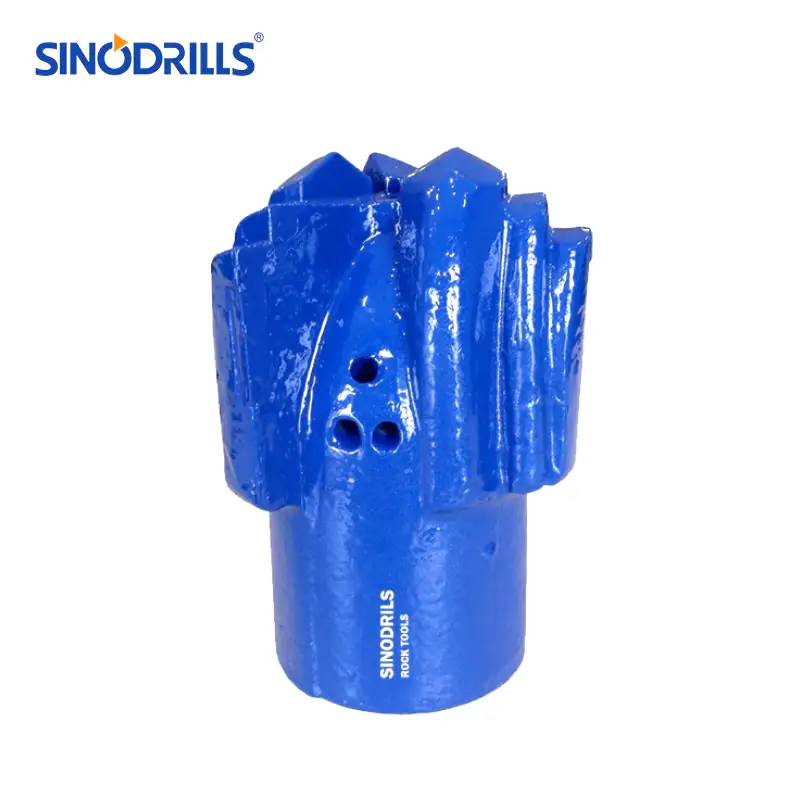
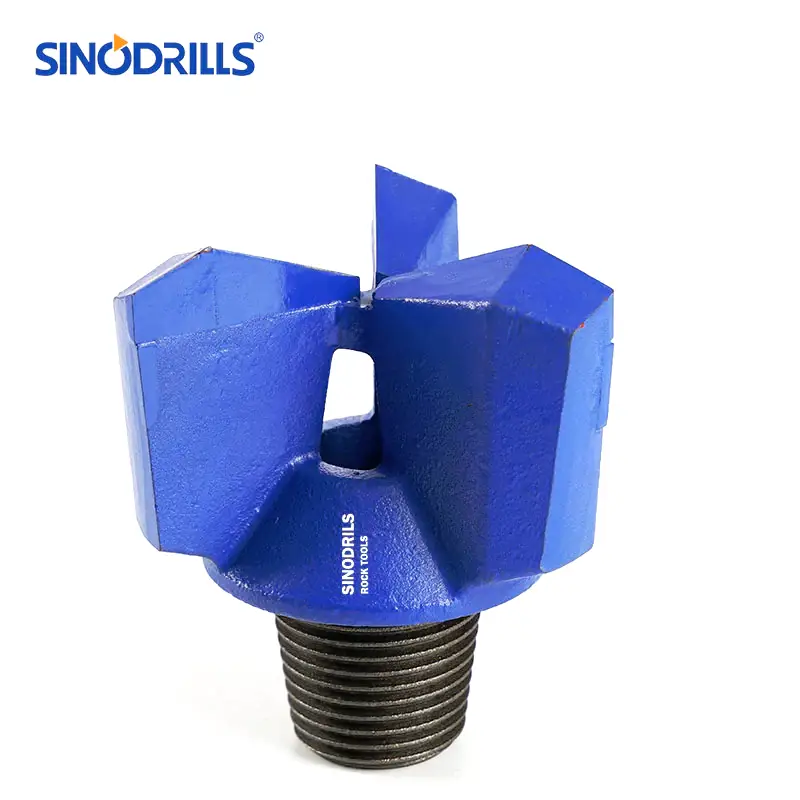
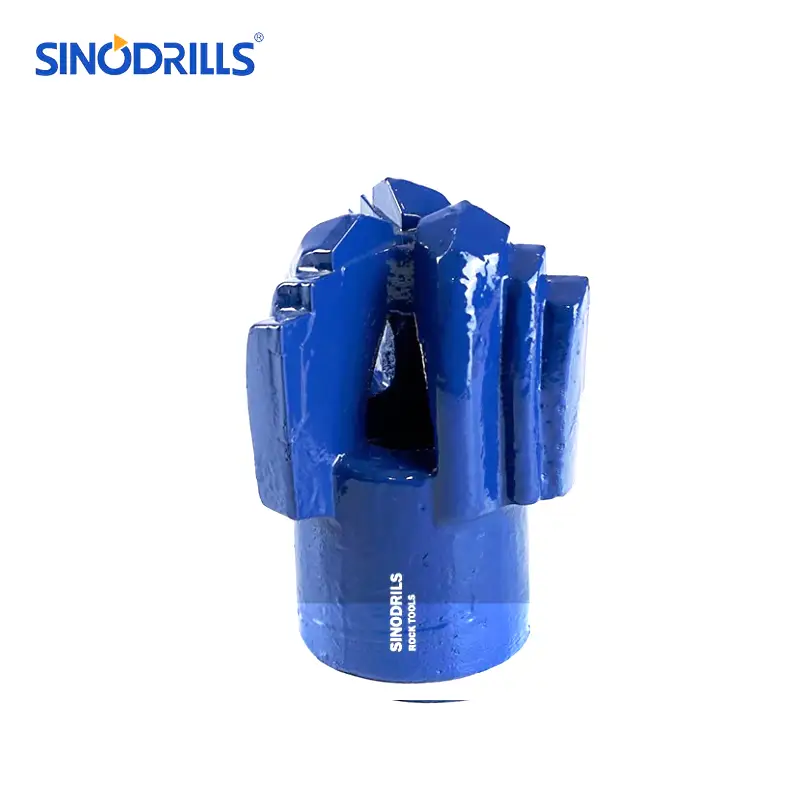
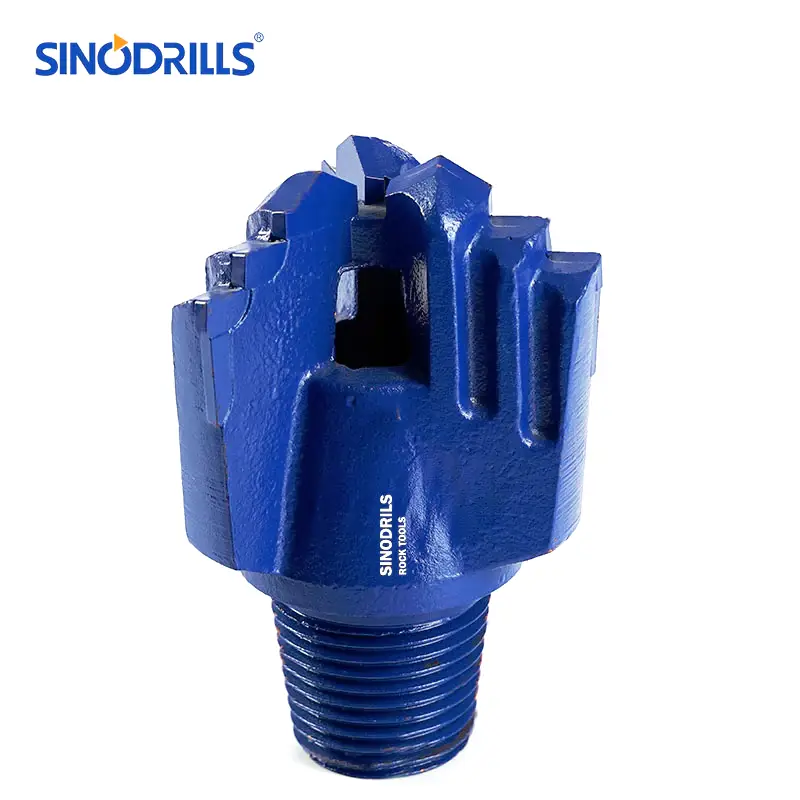
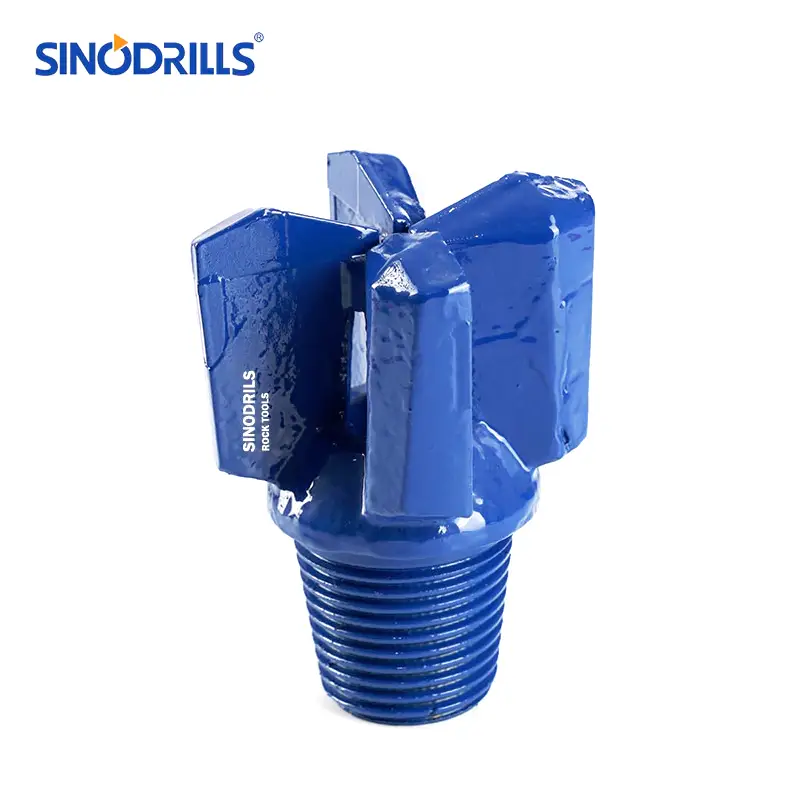
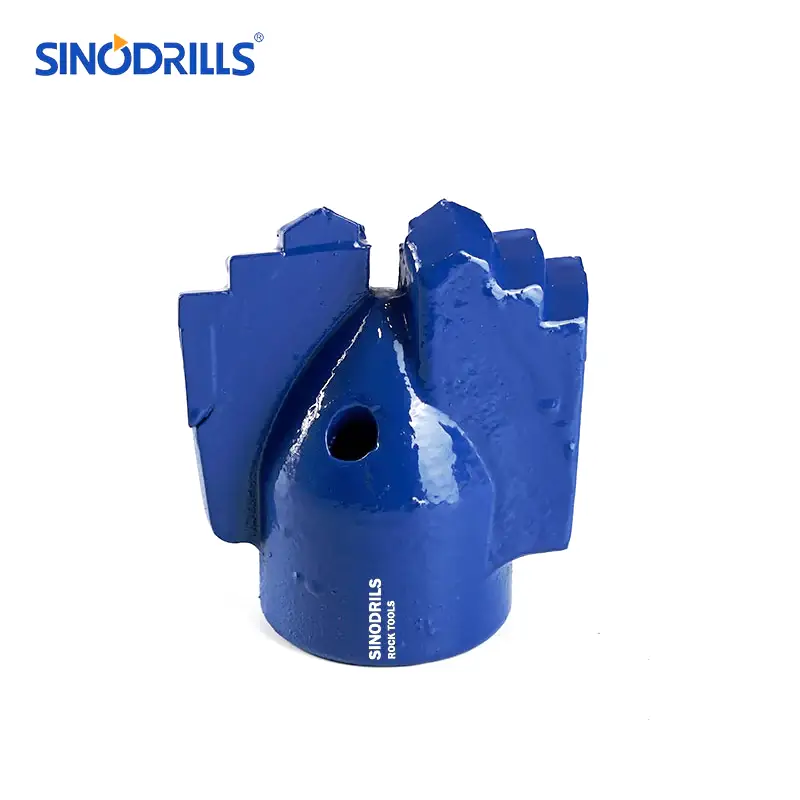
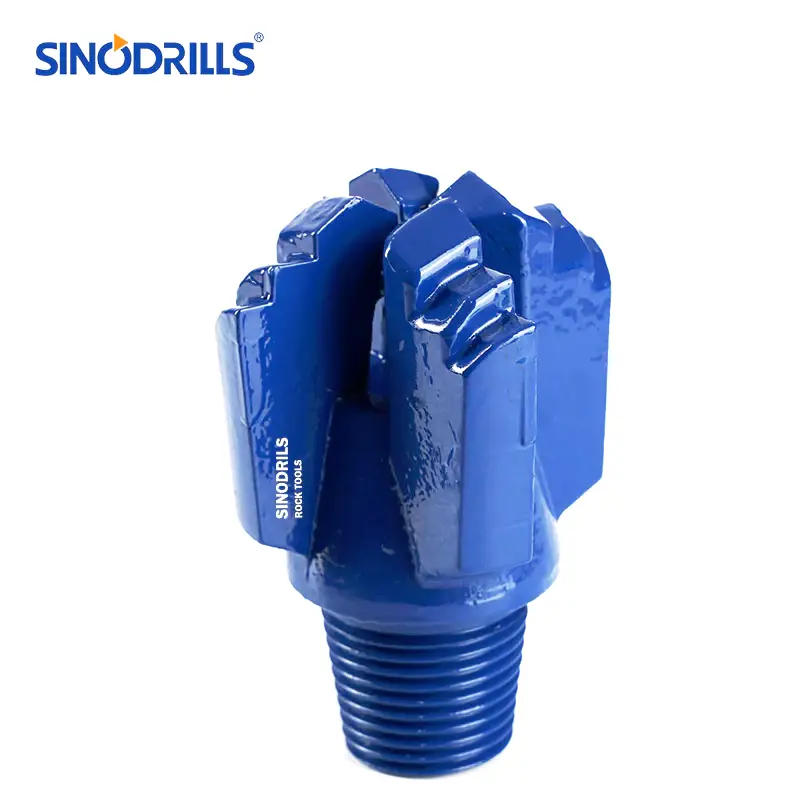
Selecting the right rock drill bit is crucial for deep hole drilling in tunneling projects. The bit type directly impacts drilling efficiency, penetration speed, and equipment longevity. Below are the main types of rock drill bits used in deep hole drilling.
- Tricone Drill Bits: Tricone bits are commonly used for deep hole drilling in soft to hard rock formations. Their rotating cones enable effective penetration through various geological layers. Tricone bits are designed for high durability and adaptability in diverse drilling conditions. Their three rotating cones ensure smoother drilling, reducing the risk of bit wear and tear while enhancing overall performance.
- PDC Drill Bits: Polycrystalline diamond compact (PDC) bits are highly efficient for deep hole drilling in hard rock. The diamond material provides superior wear resistance, allowing for prolonged usage in challenging conditions. PDC bits excel in delivering faster penetration rates and maintaining bit stability even under high-pressure environments. These bits are ideal for high-performance drilling, reducing downtime and operational costs.
- Hammer Bits: Hammer bits are specialized for high-impact drilling, especially in very hard rock formations. This bit uses a pounding action to break through dense materials, providing maximum efficiency in tough conditions. Hammer bits are essential in deep hole drilling where high-impact forces are required for effective material penetration. Their impact-driven design ensures consistent performance, reducing the chance of stuck bits or equipment failure in challenging rock formations.
Conclusion
Deep hole drilling in tunneling projects demands expertise and attention to detail at every stage. By adhering to best practices, such as using the right equipment and maintaining safety protocols, project managers can ensure successful execution. Constant monitoring and adaptation to varying geological conditions are key to achieving long-term success.
Effective communication between teams, clear project goals, and proper training further contribute to minimizing risks and optimizing the drilling process. Staying updated on advancements in drilling technology can provide a competitive edge in a field that is constantly evolving.
For your next tunneling or piling project, consider sourcing wholesale piling drilling tools from Sinodrills. Our top-quality tools ensure reliable performance in even the most challenging drilling environments, helping you achieve the best results.