
Choosing the right stabilizer for oil drilling is critical for maintaining hole integrity and improving overall drilling efficiency. A suitable stabilizer minimizes vibrations, reduces wear on equipment, and enhances the accuracy of the drilling process. Understanding the types, functions, and selection criteria of stabilizers is essential for optimizing drilling operations.
To make an informed decision, it is important to consider factors such as well conditions, depth, and the nature of the formation. Different stabilizers are designed for specific applications, so selecting the right one can greatly impact the success and cost-effectiveness of the drilling project. This guide will help you navigate through those factors.
What is a Drilling Stabilizer?
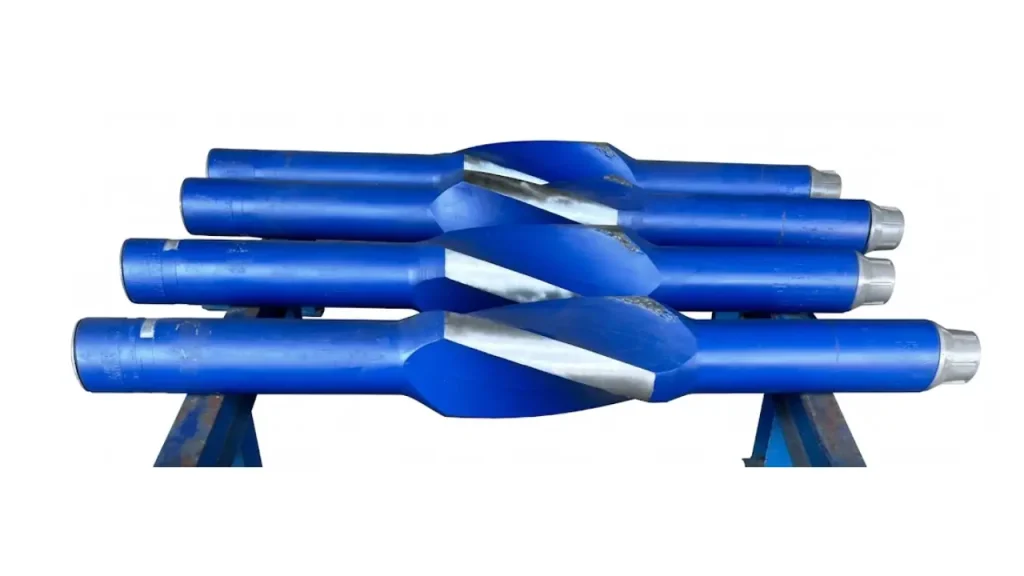
A drilling stabilizer is a crucial tool used in the oil and gas industry to maintain wellbore integrity during drilling operations. It helps control vibration, improve hole straightness, and reduce the risk of equipment damage. Stabilizers are designed to fit on the drill string and provide mechanical support to prevent deviation.
Applications of Drilling Stabilizers:
- Preventing Hole Deviation: Stabilizers help maintain a straight hole path, preventing unwanted deviation during drilling. This improves the accuracy of well placement.
- Reducing Vibrations: By minimizing vibrations, stabilizers protect the drill bit and other equipment, extending their lifespan and improving overall drilling efficiency.
- Enhancing Drilling Efficiency: Stabilizers help optimize drilling speed by ensuring the drill bit remains stable and consistent throughout the operation. This results in a smoother drilling process.
- Improving Hole Cleaning: Stabilizers also contribute to better hole cleaning by ensuring efficient cuttings removal, which is essential for preventing stuck pipe and other operational issues.
- Managing Wellbore Pressure: Stabilizers assist in managing wellbore pressure by maintaining the alignment of the drill string, which helps optimize mud circulation and pressure control.
Each of these applications contributes to a more efficient and reliable drilling process, reducing downtime and enhancing the overall success of oil and gas projects.
How to Choose the Right Stabilizer for Oil Drilling?
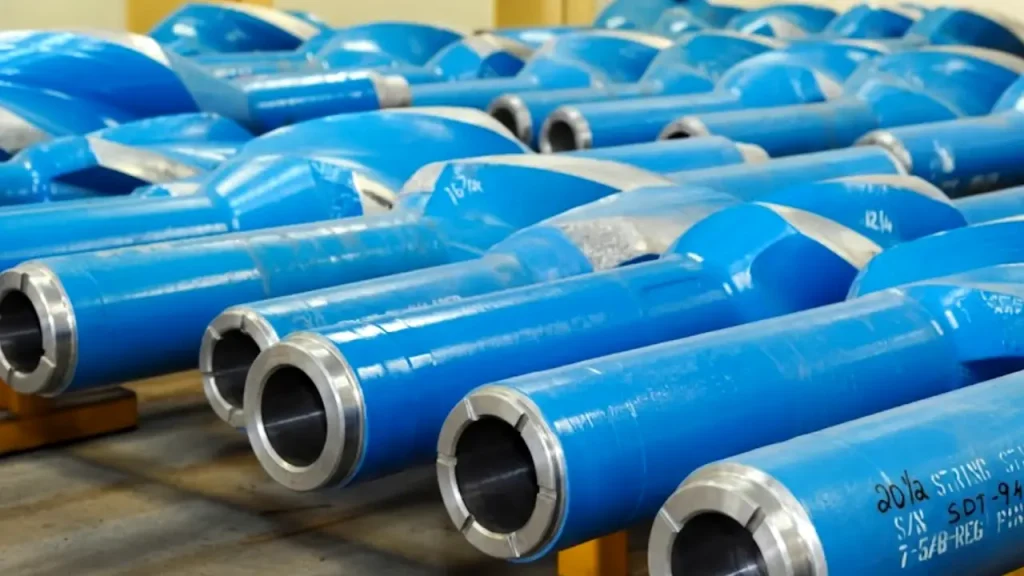
Choosing the right stabilizer for oil drilling is essential for maintaining wellbore stability and optimizing drilling performance. Factors such as well conditions, drilling depth, and the type of formation need to be considered to select the most effective stabilizer. A good choice ensures smoother operations, reduced wear on equipment, and cost-effective results.
Factors to Consider When Choosing a Stabilizer:
When choosing a stabilizer, several factors must be considered to ensure optimal performance. These include well depth, formation type, drilling conditions, stabilizer type, and mud system compatibility. Each factor impacts the stabilizer’s effectiveness in maintaining wellbore stability, reducing wear on equipment, and ensuring smooth, efficient drilling.
Understanding these factors is key to selecting the right stabilizer.
Well Depth
The depth of the well significantly influences the choice of stabilizer. For deeper wells, stabilizers must be designed to withstand higher pressures and temperatures. These stabilizers help maintain hole integrity by preventing deviation and ensuring the drill string stays aligned, which is crucial for efficient drilling at greater depths.
Deeper wells often face more challenging conditions such as increased fluid pressure and higher temperatures, which demand more durable stabilizers. Choosing the right stabilizer based on well depth is essential to prevent issues like excessive wear, deviation, and unnecessary equipment damage, ensuring smooth and efficient drilling operations.
Formation Type
The geological formation being drilled plays a key role in stabilizer selection. Harder formations like rock require robust stabilizers made of durable materials such as steel or tungsten carbide. These stabilizers resist abrasion and wear, ensuring efficient drilling without causing excessive damage to the drill string or the formation.
Softer formations, on the other hand, demand more flexible stabilizers that reduce the risk of jamming and minimize drag. A stabilizer with an appropriate design for the formation type helps optimize drilling efficiency, ensuring that the wellbore stays stable while preventing damage to both the equipment and the formation during drilling operations.
Drilling Conditions
Drilling conditions, such as temperature, pressure, and fluid properties, must be carefully considered when selecting a stabilizer. High-temperature or high-pressure wells require stabilizers made of heat-resistant or corrosion-resistant materials to prevent failure and maintain performance under harsh conditions. This ensures stability and extends the longevity of both the stabilizer and the drill string.
Different drilling environments require stabilizers that can handle the specific challenges presented by temperature and pressure. Compatibility with the mud system is equally important, as certain stabilizers may degrade in aggressive fluid conditions. Choosing the right stabilizer for the specific drilling conditions ensures smooth operations and minimizes the risk of equipment failure.
The type of stabilizer used depends on the drilling technique. For vertical drilling, straight stabilizers are ideal to keep the drill bit aligned and prevent deviation. For directional drilling, spiral stabilizers are preferred as they guide the drill string along the desired path while maintaining stability. The type should match the drilling method.
Hybrid stabilizers, combining features of both straight and spiral types, are often used for more complex drilling operations. These stabilizers offer flexibility and are effective for situations that require both directional control and stabilization. Choosing the right type of stabilizer ensures efficient and accurate drilling, tailored to the specific needs of the project.
Mud System Compatibility
It’s crucial to ensure that the stabilizer is compatible with the mud system used during drilling. Mud properties, including viscosity and chemical composition, affect the stabilizer’s performance. An incompatible stabilizer can interfere with mud circulation, resulting in poor hole cleaning, reduced efficiency, and potential damage to the drill string or equipment.
The mud system also plays a significant role in maintaining wellbore stability, so the stabilizer must work harmoniously with it to prevent issues such as blockages or uneven pressure. By selecting a stabilizer compatible with the mud system, you can ensure smooth circulation, efficient hole cleaning, and an overall more effective drilling process.
Why Choose Our Drilling Stabilizers?
Our drilling stabilizers are engineered for superior performance in diverse drilling environments, offering unmatched durability and efficiency. We provide reliable solutions tailored to your specific needs, ensuring smoother drilling operations and reducing wear on your equipment.
Our stabilizers are designed to withstand even the harshest conditions, optimizing your drilling projects.
Advantages of Our Drilling Stabilizers:
- Durability: Our stabilizers are built with high-quality materials to withstand high pressures and temperatures, ensuring long-lasting performance and minimal wear on the equipment.
- Efficiency: Designed for smoother operations, our stabilizers improve hole alignment and prevent deviation, leading to more accurate and faster drilling.
- Customization: We offer stabilizers tailored to meet the specific demands of your well depth, formation type, and drilling conditions, ensuring optimal performance.
- Corrosion Resistance: Our stabilizers are designed to resist corrosion, maintaining their integrity even in challenging environments with aggressive fluids.
- Cost-Effectiveness: By reducing equipment wear and optimizing performance, our stabilizers help reduce downtime and costs associated with repairs and maintenance.
Conclusion
Selecting the right stabilizer is essential for maximizing drilling performance while minimizing equipment damage. By understanding the various types of stabilizers and their specific applications, you can make a better choice suited to your oil drilling needs. Proper stabilization not only ensures smoother operations but also extends the life of your equipment.
At Sinodrills, we offer a wide range of high-quality drill stabilizers tailored for various oil drilling applications. Our stabilizers are designed to withstand the harshest drilling environments, ensuring optimal performance. Whether you’re drilling in shallow or deep wells, we have the right stabilizer for your project.
For wholesale drill stabilizers, look no further than Sinodrills. Our extensive selection and expert customer service make us a trusted partner for your oil drilling needs. Contact us today to learn more about how we can support your drilling projects with durable and efficient stabilizers.