
When it comes to rock drilling operations, selecting the right drill bit is crucial for optimal performance. One key factor in this decision is the type of thread used in the drill bit. Internal and external threads each have unique benefits that impact efficiency, durability, and the overall cost-effectiveness of your drilling projects.
Understanding the differences between internal and external thread designs is essential for making an informed choice. Whether you’re drilling for mining, construction, or oil and gas, the right thread type can make a significant difference in the longevity and performance of your drill bits. In this article, we will compare these two types of threads and help you choose the best option for your specific needs.
What are Internal Thread Rock Drill Bits?
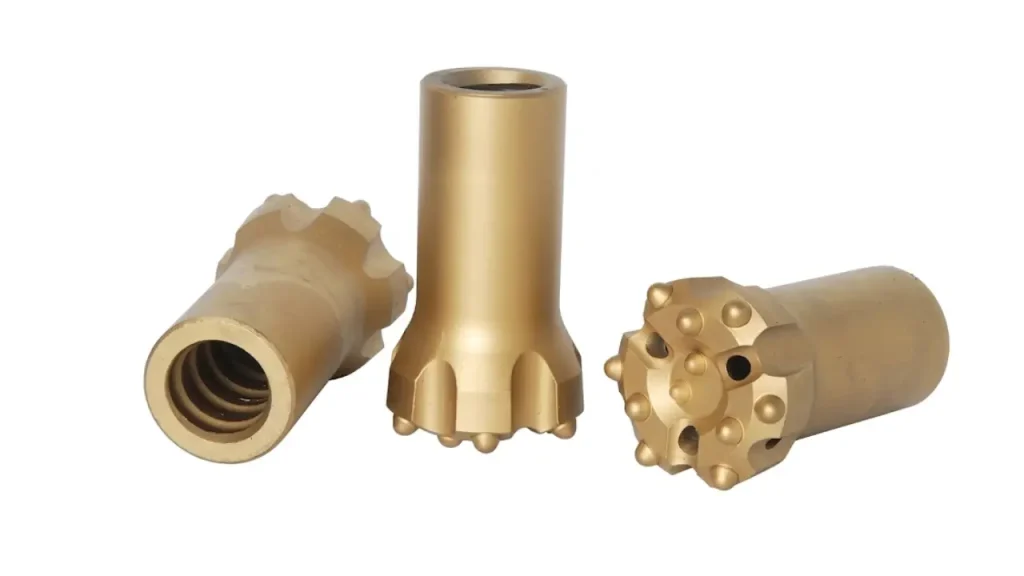
Internal thread rock drill bits feature a threaded design inside the bit body, allowing for secure attachment to drill rods. These drill bits are commonly used in mining, construction, and other drilling operations. They offer precise control and enhanced stability during drilling.
Recommended Drill Bits with Internal Thread
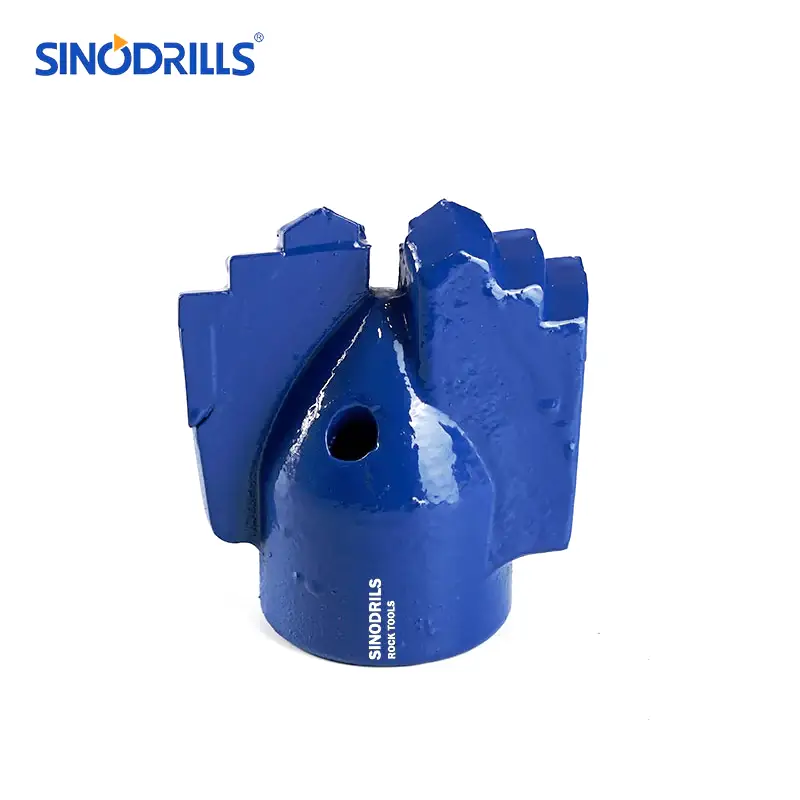
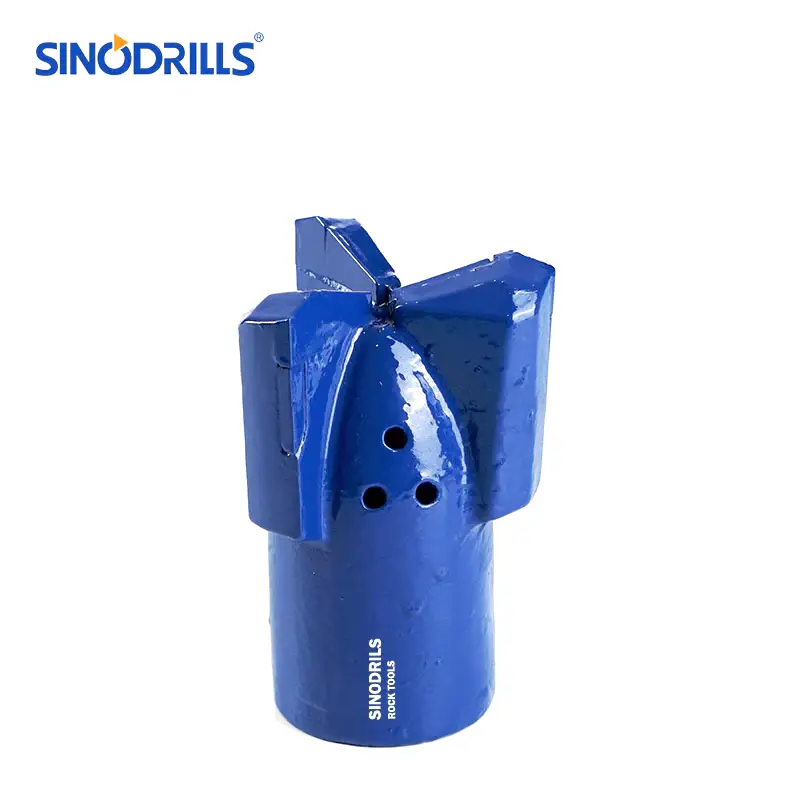
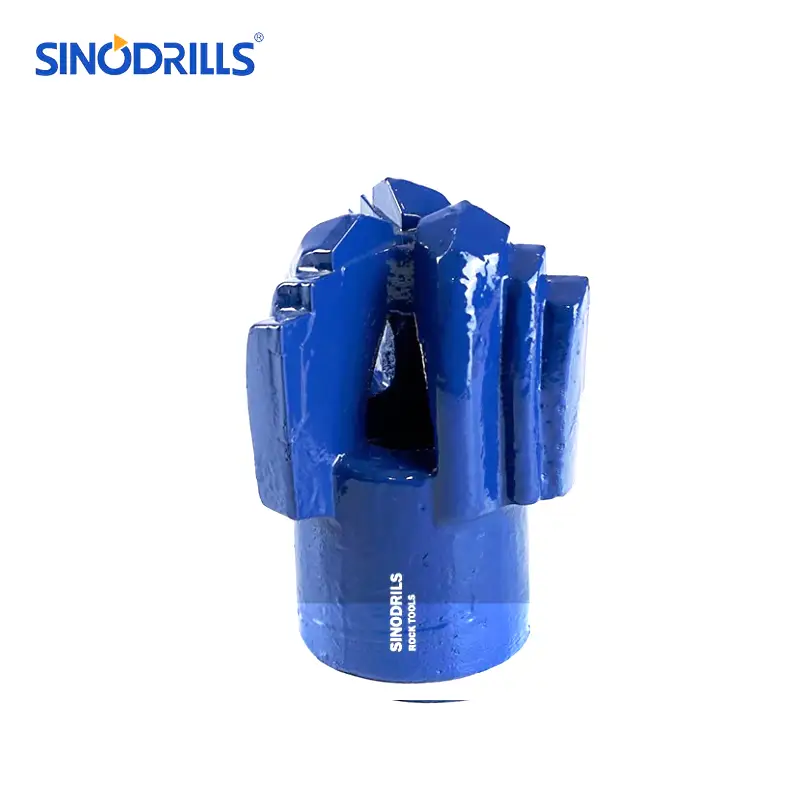
- Precision and Stability: The internal thread design ensures better alignment and minimizes wobbling, which enhances drilling accuracy and reduces wear, leading to longer tool life and higher efficiency, especially in challenging rock formations.
- Increased Durability: Internal thread rock drill bits typically offer better wear resistance in high-stress environments, helping withstand the demands of tough drilling conditions and improving overall performance during extended use in hard rock conditions.
- Easy Maintenance: Internal thread designs are generally easier to maintain and replace, reducing downtime with fewer moving parts exposed to wear, making maintenance more straightforward and minimizing operational disruptions.
What are External Thread Rock Drill Bits?
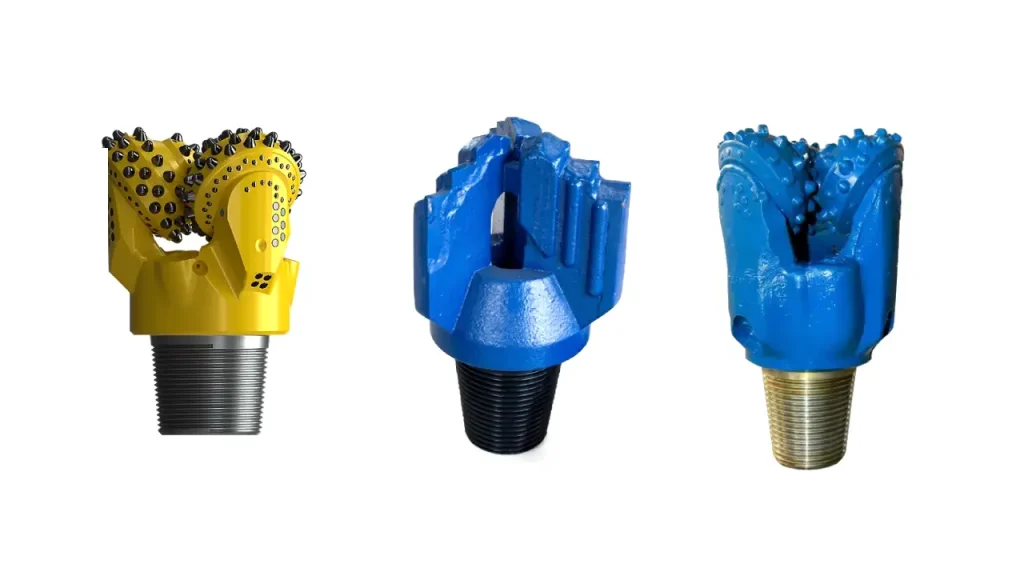
External thread rock drill bits have a threaded design on the outside of the bit body, enabling them to connect securely to the drilling rods. These drill bits are commonly used in heavy-duty applications such as mining, construction, and geotechnical drilling, where high strength and durability are required.
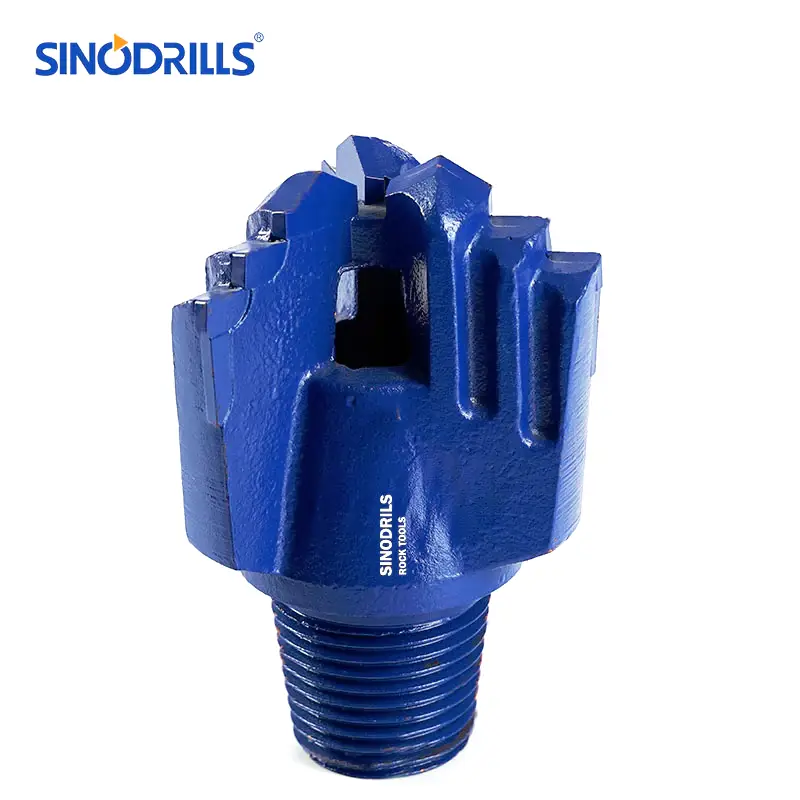
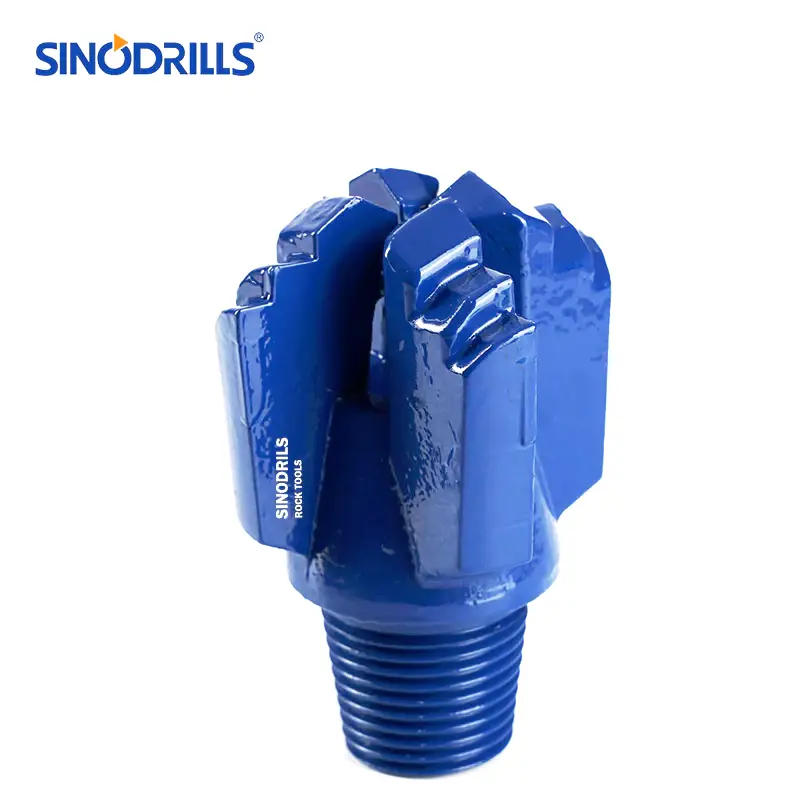
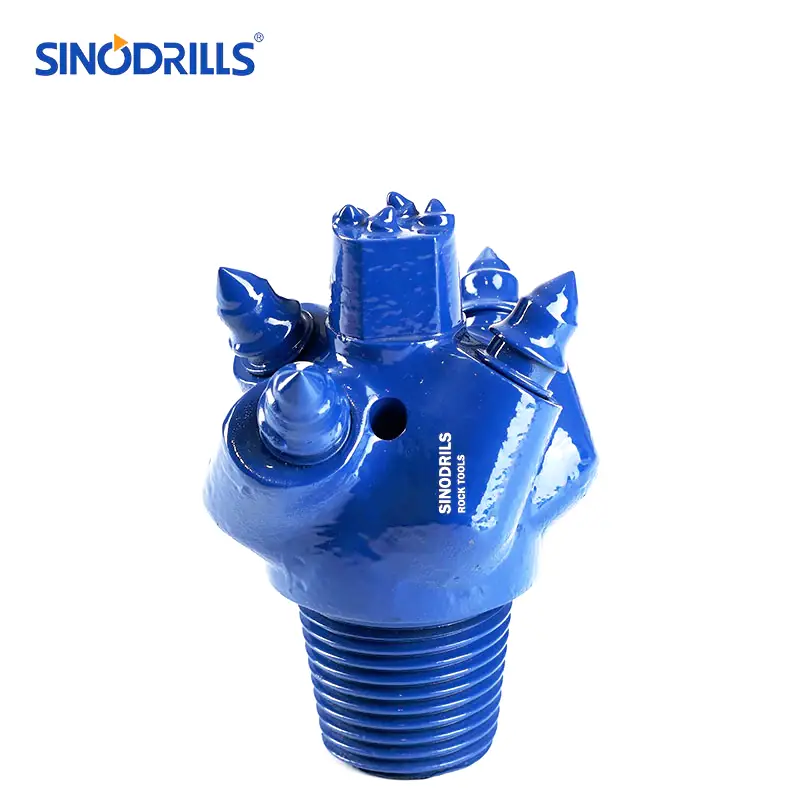
- High Strength and Durability: The external thread design provides a strong connection, making these drill bits ideal for tough and demanding rock formations, offering superior resistance to wear and tear under high-pressure drilling conditions, allowing for more efficient drilling in hard rock environments and increasing the overall lifespan of the drill bit under heavy use.
- Improved Impact Resistance: External thread rock drill bits are known for their excellent shock resistance, helping them maintain performance even in rugged and unpredictable conditions, absorbing impacts better and reducing the risk of bit failure during challenging drilling operations, ensuring consistent results and reducing downtime for maintenance.
- Cost-Effectiveness: Due to their durability, external thread rock drill bits require less frequent replacement, making them more cost-effective over time, saving money in the long run with their long lifespan and reduced maintenance needs, making them a smart investment for high-volume drilling operations.
Internal vs External Thread Rock Drill Bits
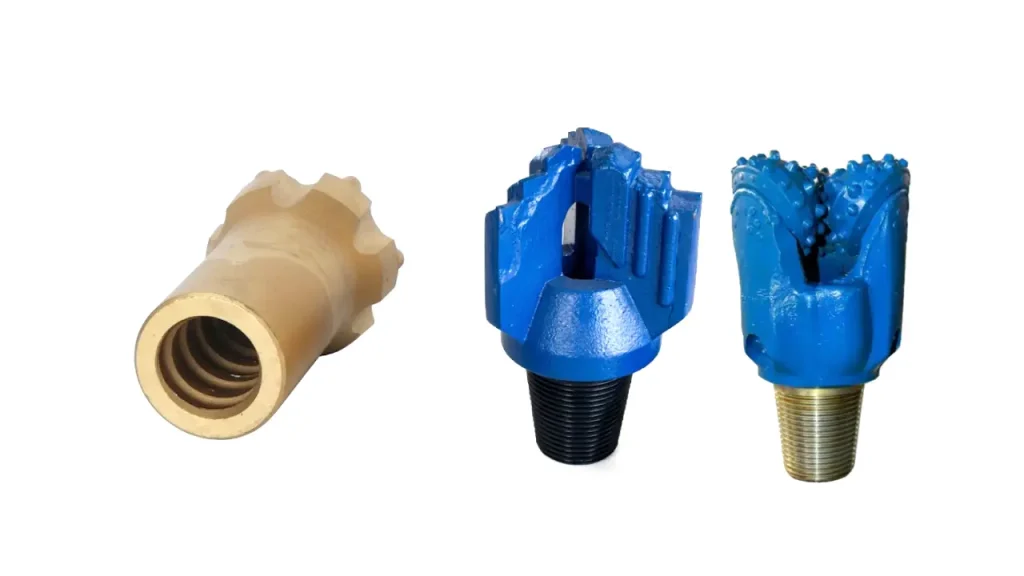
When choosing the right rock drill bit, one of the key factors to consider is the type of thread: internal or external. Both designs offer distinct advantages depending on the specific needs of the drilling operation. Understanding the differences between internal and external threads can help ensure better performance, durability, and cost-efficiency in your drilling projects.
This comparison will highlight the main aspects of both thread types, including their strength, durability, ease of maintenance, and impact resistance. By evaluating these factors, you can make a more informed decision about which type of thread is best suited for your specific drilling needs.
1. Strength and Durability
Internal thread rock drill bits typically provide enhanced alignment, ensuring a stable and efficient drilling process. However, external thread bits are known for their superior strength, as the external threads offer a more robust connection to the drill rods. This strength allows external thread bits to withstand greater torque and pressure, making them ideal for tougher and more demanding rock formations.
While both types are durable, external thread drill bits often outperform internal threads in high-impact or high-stress environments due to their enhanced structural integrity. The design of the external threads allows for better wear resistance and greater longevity under extreme conditions. Internal threads, however, are still quite durable and can provide excellent longevity in less intense drilling scenarios.
2. Ease of Maintenance
Internal thread rock drill bits tend to be easier to maintain, as their internal threads reduce exposure to wear and tear. With fewer moving parts exposed to harsh conditions, maintenance is more straightforward, and parts are less prone to damage. This results in less downtime and quicker turnaround times for repairs and replacements.
In contrast, external thread rock drill bits, while still manageable, may require more frequent inspections and maintenance due to their exposed threads. The external threads are more susceptible to dirt and debris buildup, which can interfere with the connection and require more regular cleaning and upkeep. Nonetheless, external thread bits tend to last longer overall, reducing the frequency of replacements.
3. Impact Resistance
External thread rock drill bits are superior in terms of impact resistance, thanks to the robust connection they offer to the drill rods. This is especially important in drilling operations where bits are subjected to high-impact forces. The external threads help absorb shock better, minimizing the risk of bit failure and ensuring consistent performance even in challenging rock conditions.
Internal thread drill bits provide a more stable connection, but they are not as effective at absorbing impacts as external thread bits. Although they can handle moderate impact and stress, internal thread bits may wear out quicker in environments where constant shock is a factor. For heavy-duty applications, external threads offer the added advantage of superior impact resistance.
4. Cost-Effectiveness
While external thread rock drill bits are generally more expensive upfront, their longer lifespan and durability make them more cost-effective over time. With fewer replacements needed and reduced maintenance costs, they often represent a better long-term investment, especially for high-volume drilling operations where performance and reliability are critical.
Internal thread rock drill bits are typically more affordable initially, but they may require more frequent replacement or maintenance due to their lower durability in extreme conditions. For smaller or less demanding drilling projects, internal threads may offer the best balance of cost and performance, but for heavy-duty work, external threads may provide greater value in the long run.
5. Performance in Specific Drilling Environments
Internal thread bits are particularly well-suited for drilling in softer rock formations or when precise control and stability are paramount. Their design allows for better alignment and consistent performance. In contrast, external thread bits excel in harsh drilling environments, such as harder rock or high-torque applications, where the added strength and resistance to wear are essential for continuous operation.
External thread drill bits are often the go-to choice for industries such as mining, where heavy-duty drilling equipment and high pressures are common. Internal thread bits, while still offering excellent precision and efficiency, are typically better for more controlled and less abrasive conditions.
| Feature | Internal Thread | External Thread |
|---|---|---|
| Strength & Durability | Moderate | High |
| Ease of Maintenance | Easy | More Frequent |
| Impact Resistance | Moderate | High |
| Cost-Effectiveness | Lower Initial Cost | Higher Initial Cost |
| Performance in Drilling Environments | Best for softer rocks | Best for tougher, high-torque conditions |
How to Choose Suitable Internal and External Thread Rock Drill Bits?
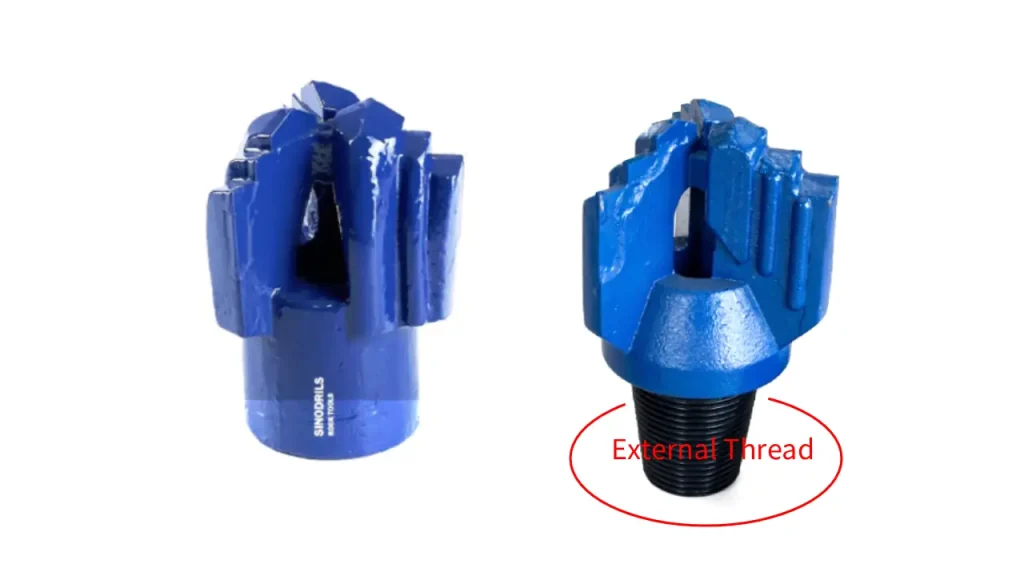
Choosing the right internal or external thread rock drill bit depends on several factors, such as the type of rock, the drilling environment, and the specific needs of your operation. By evaluating these factors, you can select the most suitable drill bit for optimal performance and longevity.
- Rock Hardness: For hard rock formations, external thread bits are generally better due to their higher strength and impact resistance, designed to handle greater pressure and torque, making them ideal for tough, abrasive rock types. Internal threads, while still effective, are better suited for softer rock conditions where precision and stability are the focus.
- Drilling Depth: The depth of the hole you need to drill can influence the choice between internal and external thread drill bits, as external thread bits perform better in deep drilling operations, handling the additional stress and torque associated with deeper holes, while internal thread bits are often used for shallow drilling tasks where the force requirements are lower.
- Durability Requirements: If you’re working in environments with high wear and tear, external thread drill bits are the better option, as their design offers enhanced resistance to damage from high-stress drilling conditions, extending the bit’s life, while internal thread bits are a good option for projects with lighter wear but might not last as long under extreme conditions.
- Precision Needs: Internal thread rock drill bits are preferred when precision and stability are required, as the internal thread design ensures better alignment and less wobbling, which leads to more accurate drilling, whereas external thread bits, while durable, may experience slightly more wobbling, making them less suitable for precision drilling.
- Budget Considerations: If budget is a concern, internal thread drill bits might be more affordable upfront, usually having a lower initial cost and being ideal for operations with less demanding conditions, but for long-term cost efficiency, external thread bits may be the better choice due to their extended lifespan and reduced need for replacements.
Conclusion
Choosing between internal and external thread rock drill bits largely depends on your specific drilling needs. External threads tend to offer better strength and durability for heavy-duty operations, while internal threads can provide enhanced stability and precision. It’s important to evaluate the nature of your drilling environment before making your selection.
At Sinodrills, we offer a wide range of rock drill bits with both internal and external thread options. Our products are designed for various industrial applications, ensuring that you get the best performance in every drilling project. Whether you’re working in tough rock formations or need high precision, we have the right solution.
If you’re looking for top-quality drill bits, look no further than Sinodrills. Our wholesale rock drill bits are built to last and are designed for maximum efficiency. Contact us today to explore our selection and take your rock drilling operations to the next level with our high-performance products.