
Sonic drilling is an advanced drilling technology that utilizes high-frequency sound waves to improve drilling efficiency and precision. This technique offers several advantages, including faster penetration rates and reduced environmental impact compared to traditional methods. Understanding how sonic drilling works can help industries select the best solution for subsurface exploration.
By generating high-frequency vibrations, sonic drilling enhances the ability to break through hard soils and rocks with ease. It minimizes drilling fluid usage and reduces site disturbance, making it an ideal choice for various applications like environmental sampling and mineral exploration. This article delves into the science behind sonic drilling and its wide range of applications.
What is Sonic Drilling?
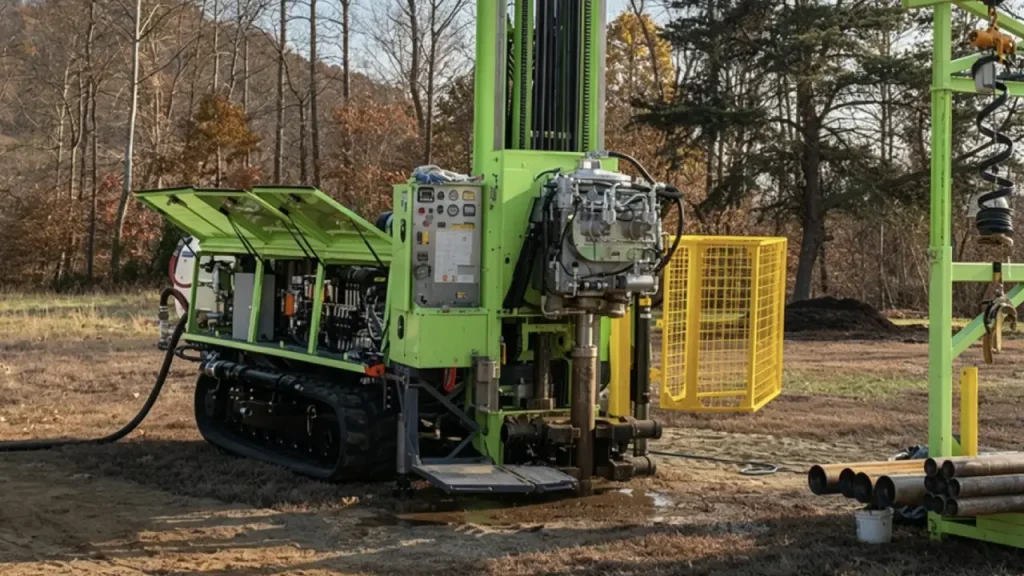
Sonic drilling is an advanced drilling technique that uses high-frequency sound waves to create vibrations in the drill bit, allowing it to penetrate various types of ground more efficiently.
By applying sonic energy to the drill string, the technique helps reduce friction, enabling faster and more precise drilling through hard or difficult soils and rocks. The vibrations break up the material, which makes it easier to extract core samples and complete drilling tasks in less time compared to traditional methods.
How Does Sonic Drilling Work?
Sonic drilling uses high-frequency sound waves to generate vibrations that break up subsurface materials, allowing the drill bit to penetrate more efficiently. This technique allows for faster drilling while maintaining sample integrity.
Here’s how the sonic drilling works:
- Vibration Generation: The drill string is vibrated using a sonic drill head, producing high-frequency sound waves. These vibrations reduce friction between the drill bit and the surrounding material, allowing the bit to move through the ground more quickly. This method accelerates drilling and minimizes wear on the equipment.
- Continuous Core Sampling: Sonic drilling provides continuous core sampling without the need for casing, which helps to maintain the integrity of the material samples. The vibration also keeps the borehole clear of debris, ensuring accurate and uncontaminated samples. This is especially beneficial for environmental and geotechnical testing.
- Minimal Ground Disturbance: The vibrations used in sonic drilling create less disturbance to the surrounding environment compared to conventional drilling techniques. It’s particularly useful in sensitive or urban areas where ground disturbance must be minimized. This ensures better environmental compliance and reduces the impact on the surrounding ecosystem.
- Versatility in Different Soil Types: Sonic drilling can be used in a wide range of soil and rock conditions, from soft sediments to hard rock formations. The technology is adaptable and can tackle various geological environments, making it a versatile tool for different industries, including construction, mining, and environmental testing.
How Does Sonic Drilling Affect the Soil?
Sonic drilling impacts the soil in a way that enhances efficiency while minimizing environmental disturbances. By utilizing high-frequency vibrations, it reduces friction and allows the drill to pass through a variety of materials faster.
Here’s how it affects the soil:
- Reduced Soil Compaction: The vibrations generated by sonic drilling help prevent soil compaction, which is often caused by traditional drilling methods. This ensures that the surrounding soil structure remains intact and that there is less disturbance to the soil’s natural state. It’s particularly beneficial for soil health and sustainability.
- Minimal Ground Disturbance: Unlike other drilling methods, sonic drilling creates less surface disturbance. The vibrations travel through the soil without causing excessive disruption, making it a preferable choice for environmentally sensitive areas. This is important for preserving local ecosystems and minimizing negative impacts on plant and wildlife habitats.
- Enhanced Penetration Without Fluid Loss: Sonic drilling works by generating high-frequency vibrations, which reduce the need for drilling fluids. This means less potential contamination of groundwater or surface water. The method helps achieve accurate core sampling with minimal impact on the surrounding soil and reduces the risk of introducing contaminants into the ground.
- Better Sample Integrity: The ability to collect continuous core samples with sonic drilling means that the soil’s natural layering and composition are preserved. This technique reduces the risk of altering the soil’s structure and properties, ensuring that samples collected are more accurate for environmental analysis, geotechnical studies, and construction planning.
Benefits of Sonic Drilling
Sonic drilling offers numerous advantages over traditional drilling methods, making it ideal for various industries. From increased efficiency to minimal environmental impact, here’s how sonic drilling stands out:
- Faster Drilling Speed: Sonic drilling enables quicker penetration through different materials by utilizing high-frequency vibrations. This reduces drilling time and allows for faster project completion, helping to save on labor costs and improve overall project timelines.
- Higher Sample Quality: The continuous core sampling technique used in sonic drilling ensures that soil and rock samples are collected with greater accuracy. The method preserves the natural integrity of the materials, leading to more reliable data for geotechnical and environmental analyses.
- Reduced Environmental Impact: Sonic drilling produces less ground disturbance compared to conventional methods. The vibrations are focused, which minimizes the impact on the surrounding soil, groundwater, and ecosystems. It’s an environmentally friendly choice, especially for projects located in sensitive areas.
- Across Soil Types: Sonic drilling works effectively in various soil and rock conditions, from soft sands to hard rocks. This versatility makes it suitable for a wide range of applications, including environmental site assessments, mining, and geotechnical investigations, without requiring specialized equipment for different ground types.
Drilling Tools for Sonic Drilling
Sonic drilling requires specialized tools designed to withstand the high-frequency vibrations used in the process. These tools are essential for maintaining precision, efficiency, and durability. Here’s an overview of the key tools used in sonic drilling:
- Sonic Drill Head: The drill head generates the high-frequency vibrations that facilitate the penetration of soil and rock. It is engineered to handle the vibrations without causing wear, ensuring smooth operation. This tool is critical for efficient drilling and accurate sample retrieval, especially in challenging ground conditions.
- Core Barrel: The core barrel is used to capture continuous core samples during the drilling process. It is designed to prevent sample contamination and maintain the integrity of the collected materials. The core barrel allows for uninterrupted drilling while ensuring high-quality samples, crucial for environmental or geotechnical analysis.
- Drill Bit: The drill bit in sonic drilling is specially designed to work with the high-frequency vibrations generated by the drill head. These bits are made from durable materials, such as tungsten carbide, to withstand the stresses of drilling through various ground types. The drill bit’s shape and material enable smooth cutting and penetration.
- Casing Tools: Casing tools are used to stabilize the borehole during drilling and prevent collapse. These tools are essential when drilling through loose or unconsolidated soil layers. They ensure that the drill string remains straight and that samples are collected accurately without disruptions caused by unstable ground conditions.
- Sonics Vibrator: The sonics vibrator is a key component in generating the vibrations needed for sonic drilling. This tool is designed to work in conjunction with the drill head to transmit vibrations into the soil. It ensures that the vibrations are focused, reducing friction and allowing for smoother penetration into various materials.
Drill Bits for Sonic Drilling
Recommended Drill Bits for Snoic Drilling
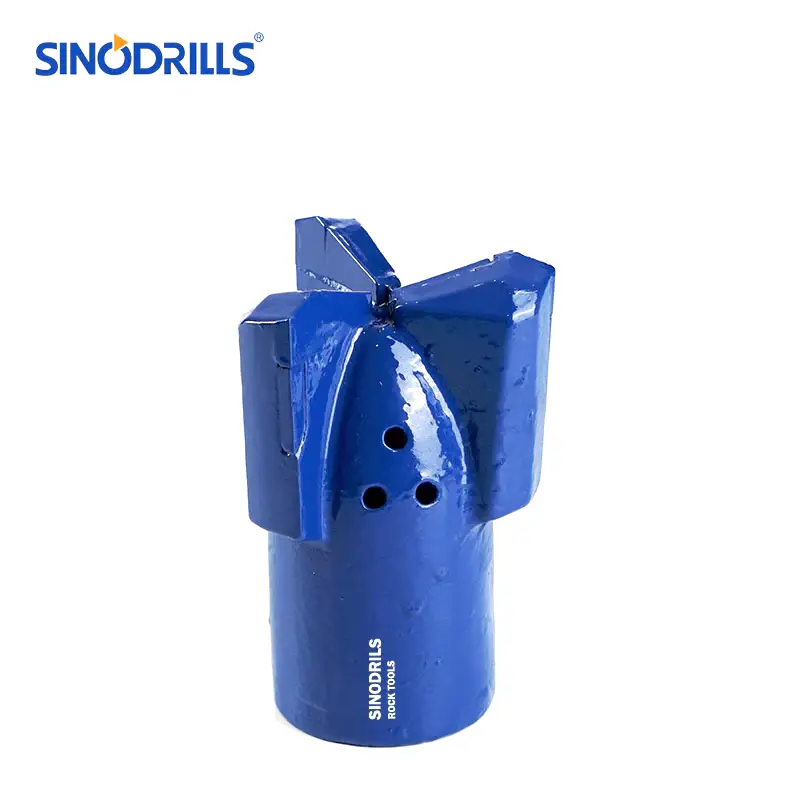
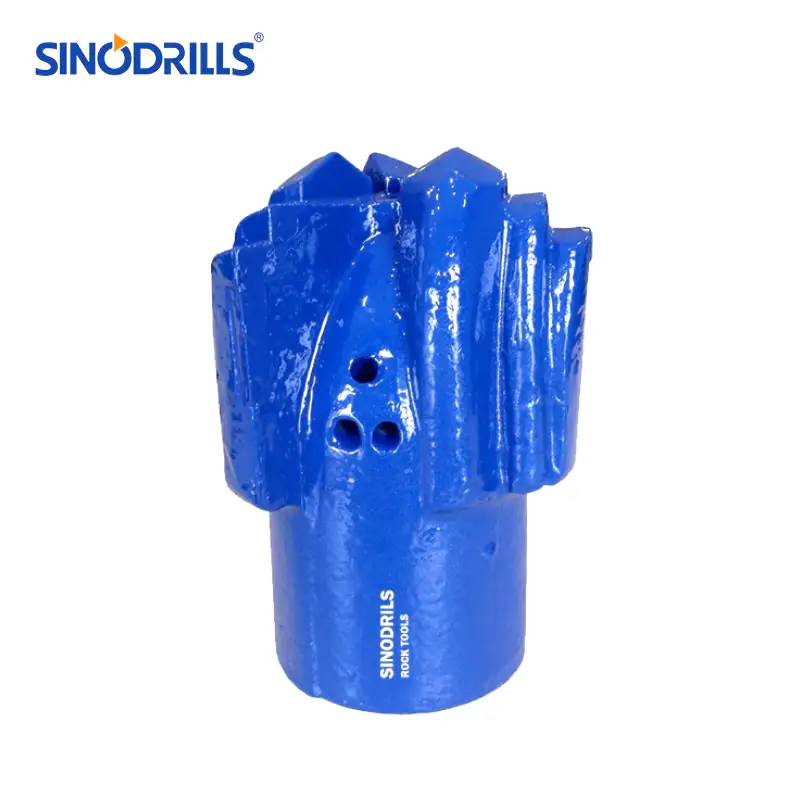
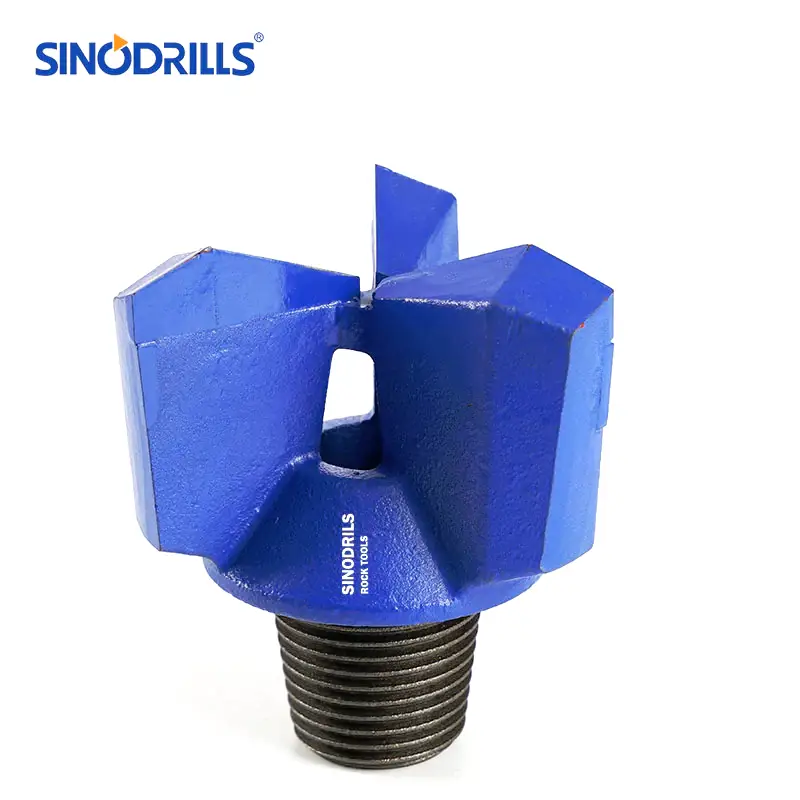
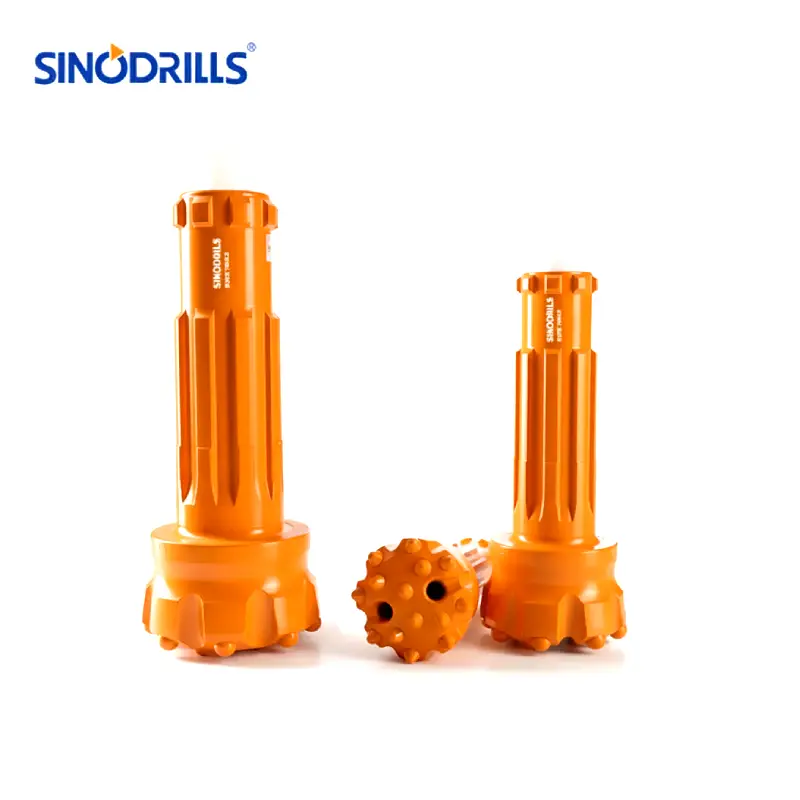
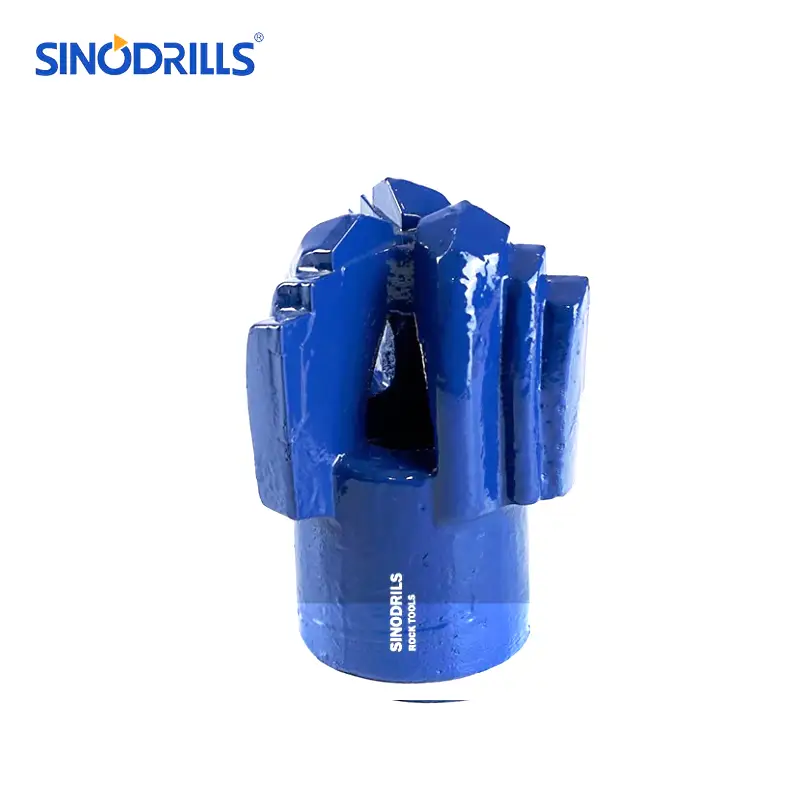
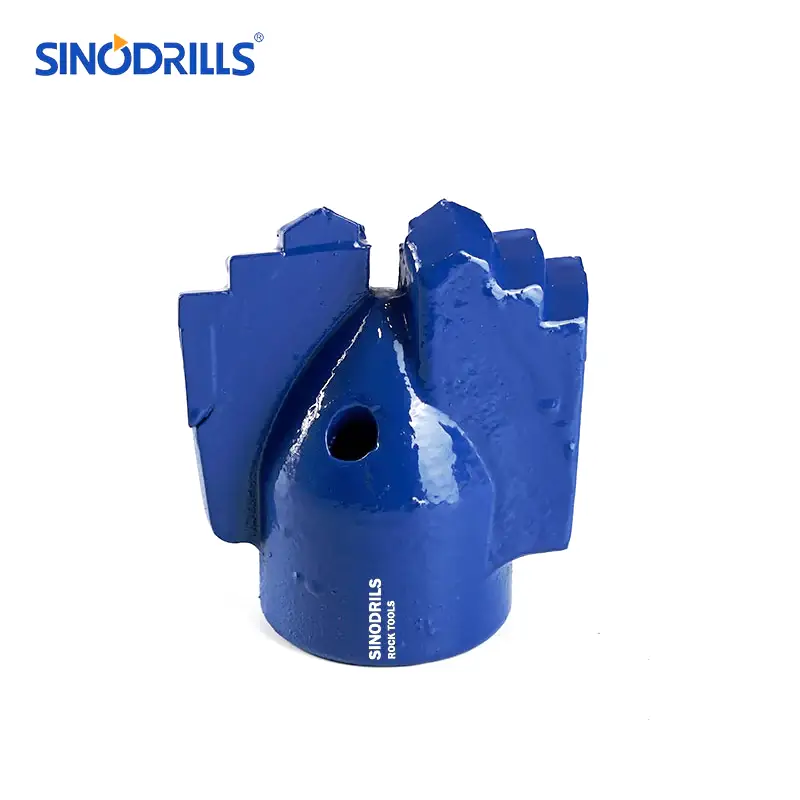
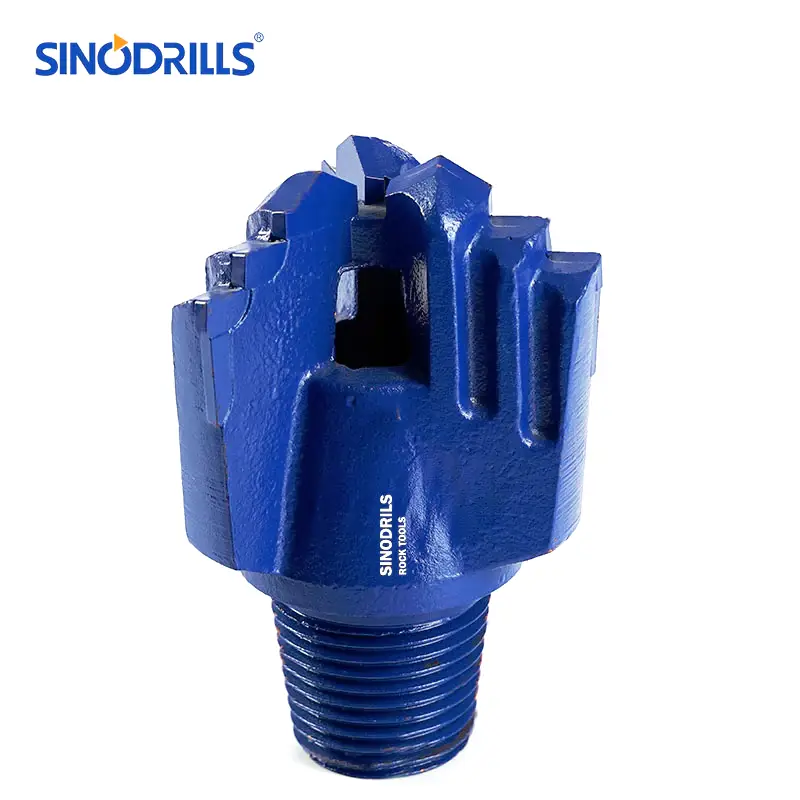
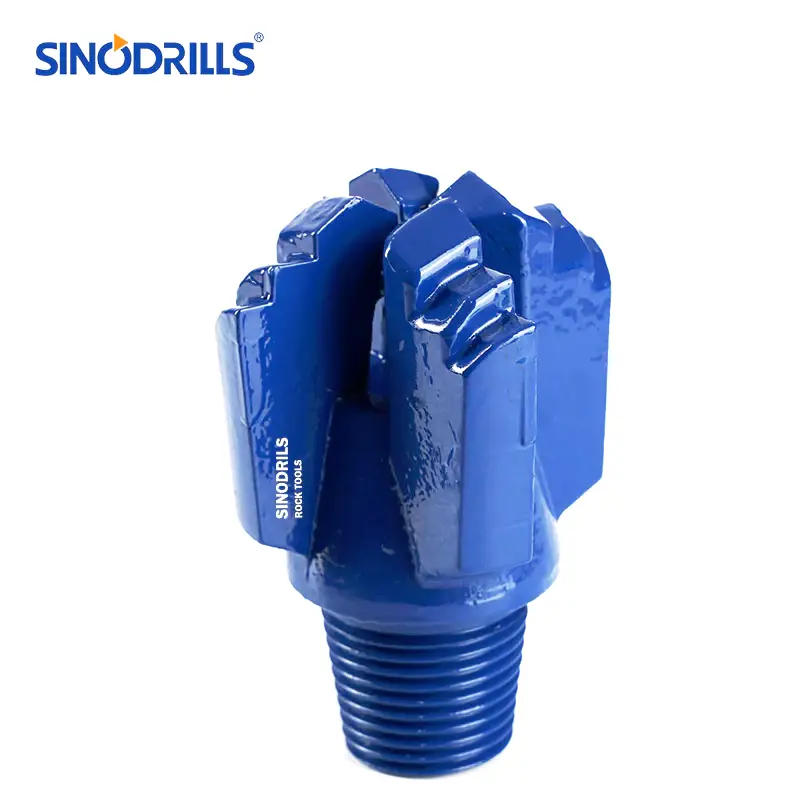
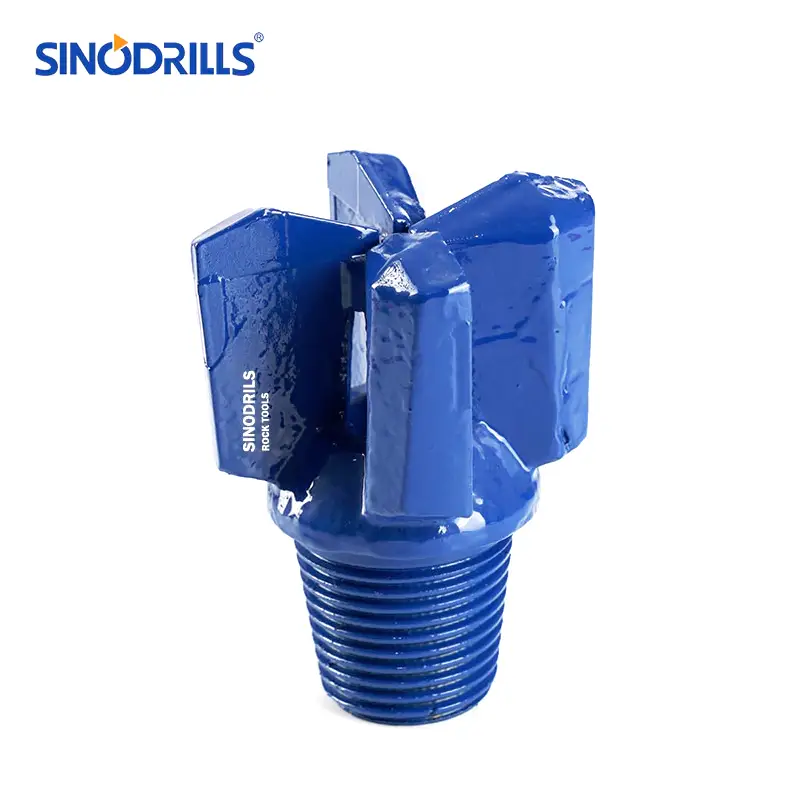
Drill bits used in sonic drilling are specifically designed to work with the high-frequency vibrations generated during the process. These bits must be durable, precise, and capable of withstanding intense pressure and friction. Here’s the key drill bits used in sonic drilling:
- Tungsten Carbide Drill Bits: Tungsten carbide is a common material for sonic drill bits due to its hardness and resistance to wear. These bits are highly effective at cutting through tough materials like hard rock and dense soil layers. Their durability ensures long-lasting performance, even under extreme drilling conditions.
- PDC (Polycrystalline Diamond Compact) Drill Bits: PDC drill bits are equipped with synthetic diamond cutters that provide exceptional hardness and cutting ability. They are ideal for high-efficiency drilling through hard rock and challenging formations. These bits offer a high rate of penetration and are highly resistant to wear and thermal damage, making them suitable for demanding sonic drilling projects.
- Tri-Cone Drill Bits: Tri-cone bits feature three rotating cones with sharp teeth that provide excellent cutting ability in mixed soil and rock formations. These bits are suitable for applications where variable ground conditions are present. Their design ensures efficient drilling, especially in loose or consolidated soil and gravel.
- Button Bits: Button bits have small, rounded carbide buttons embedded in the surface, which helps break up rock during drilling. These bits are effective for sonic drilling in medium to hard rock formations. Their rugged design ensures optimal performance in tough conditions, ensuring effective penetration with minimal wear on the bit.
- Diamond Impregnated Drill Bits: Diamond impregnated bits are designed for superior cutting performance in extremely hard materials, including dense rock. The diamonds embedded in the bit’s surface provide cutting edges that can efficiently penetrate even the hardest substrates. These bits are ideal for deep drilling and geotechnical investigations in tough geological environments.
Conclusion
Sonic drilling offers numerous benefits, including faster drilling times, better sample quality, and less environmental disruption. With its precision and versatility, this technique is becoming increasingly popular for a wide range of drilling projects. The ability to work in challenging ground conditions gives it a competitive edge over traditional drilling methods.
For industries looking to adopt this technology, it’s essential to invest in the right equipment to ensure optimal performance. Sonic drilling tools are specially designed to withstand high-frequency vibrations and deliver the accuracy and reliability needed for complex projects. Choosing the right supplier for your equipment is crucial for long-term success.
If you are looking for reliable and durable sonic drilling tools, we at Sinodrills offer top-notch products. Whether you’re undertaking a small project or large-scale drilling operation, our wholesale tools are designed to meet your needs and ensure the success of your drilling endeavors.